Visual discrimination skills Normal Upper & Lowercase Letters Worksheets for Ages 3-6
4 filtered results
-
From - To
Help your little ones enhance their visual discrimination skills with our engaging Upper & Lowercase Letters Worksheets, designed for ages 3-6. These worksheets encourage kids to identify differences and similarities between normal uppercase and lowercase letters. Through fun activities, children will boost their letter recognition, improve focus, and build foundational reading skills. Each worksheet is crafted to make learning enjoyable while developing critical cognitive abilities essential for early literacy. Perfect for use at home or in classrooms, our resources support young learners in grasping the essentials of the alphabet. Start fostering your child's literacy journey today!
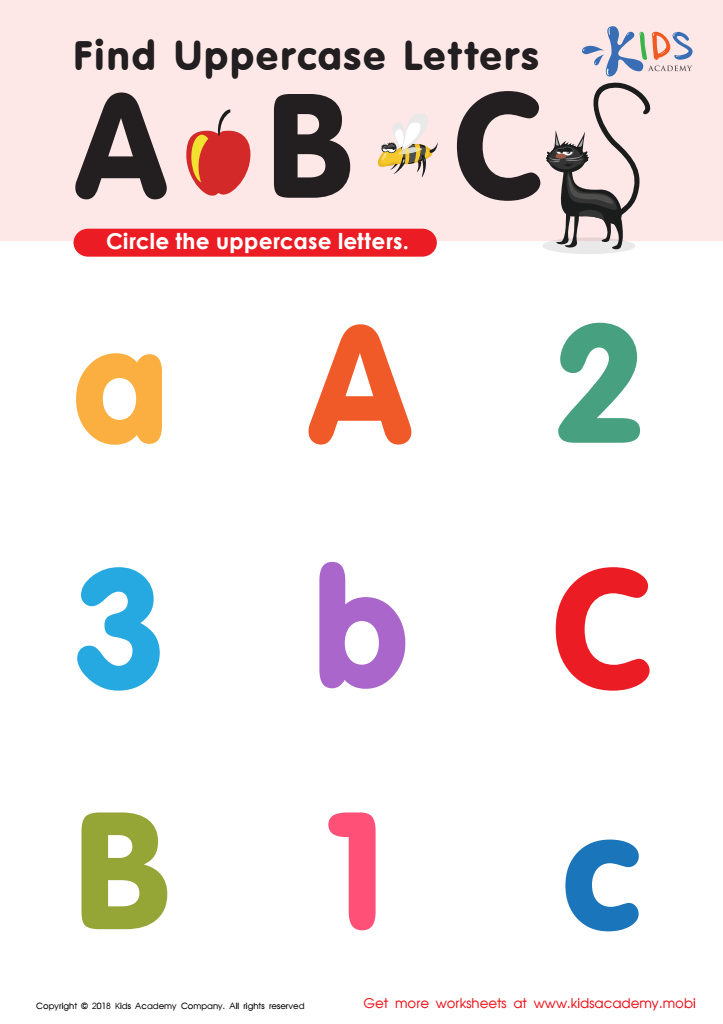
Find Uppercase Letters A, B, and C Worksheet
 Assign to My Students
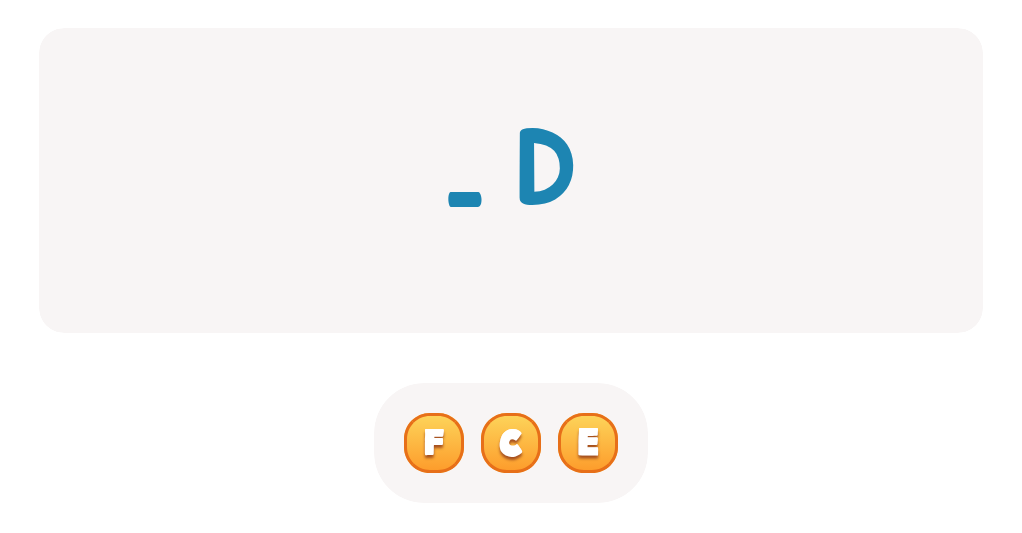

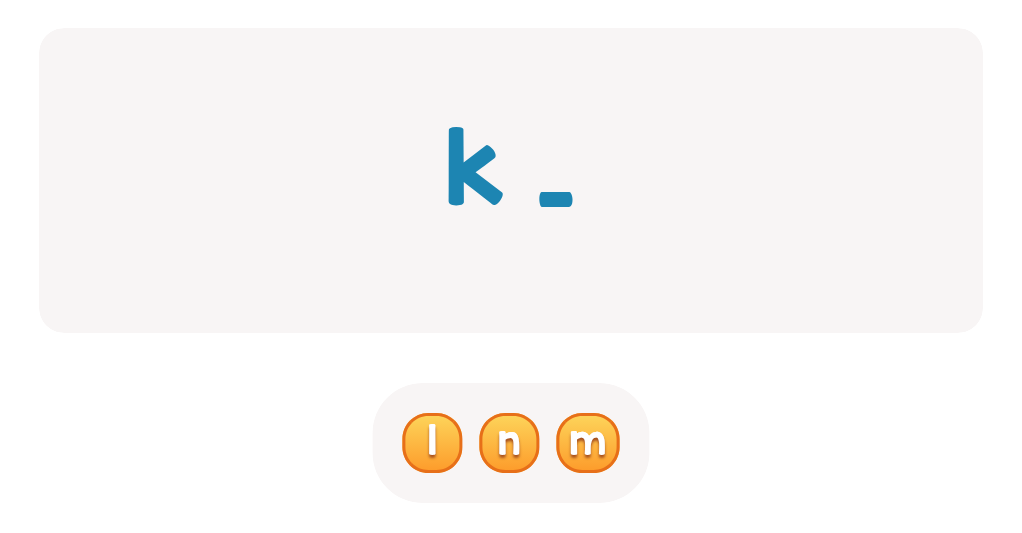
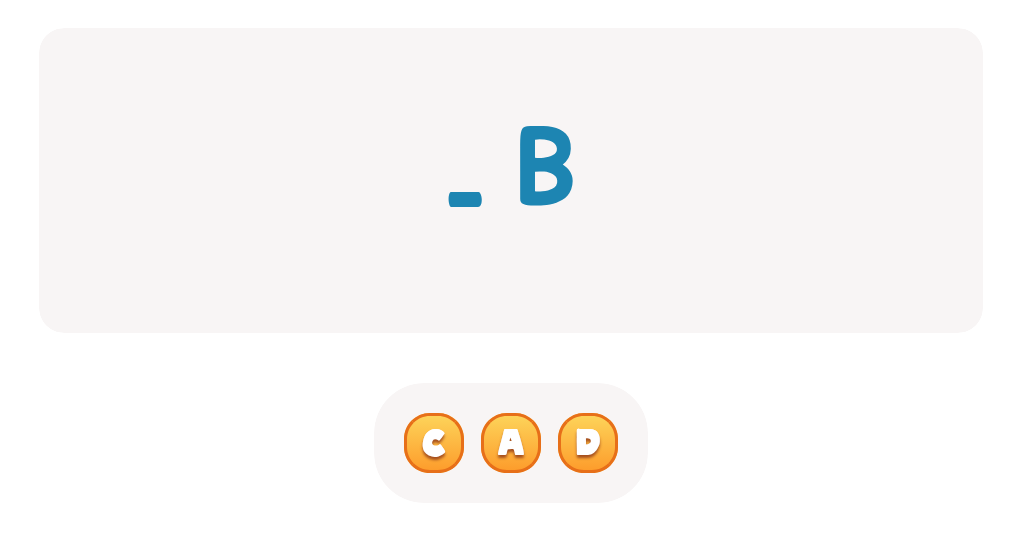

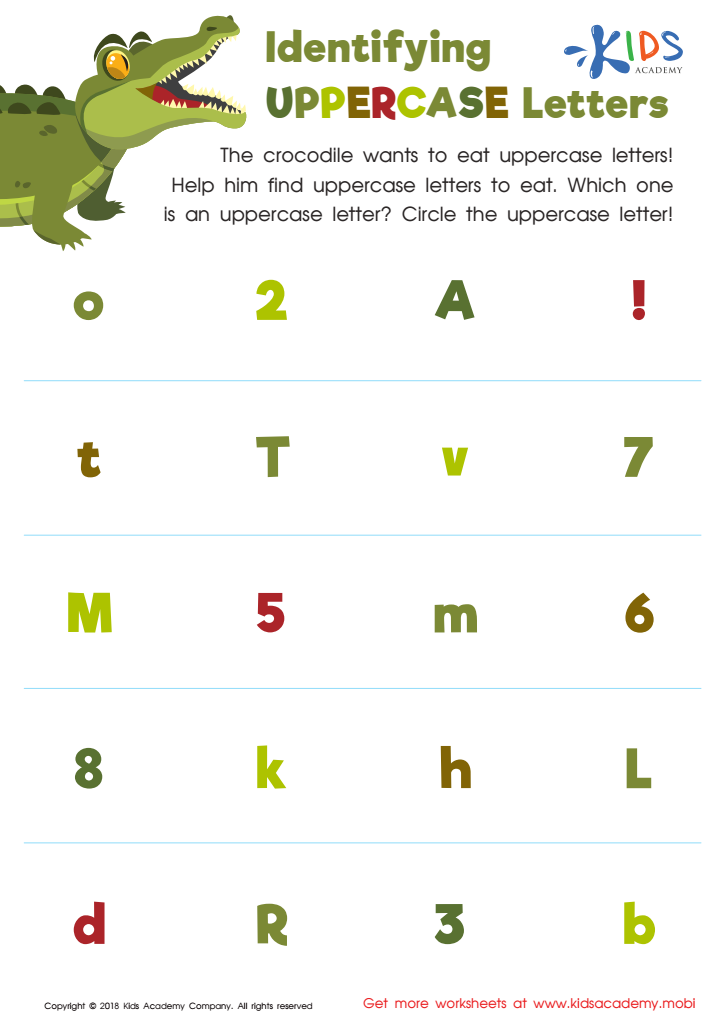
Identifying Uppercase Letters Worksheet

Find lowercase letters a b c Worksheet
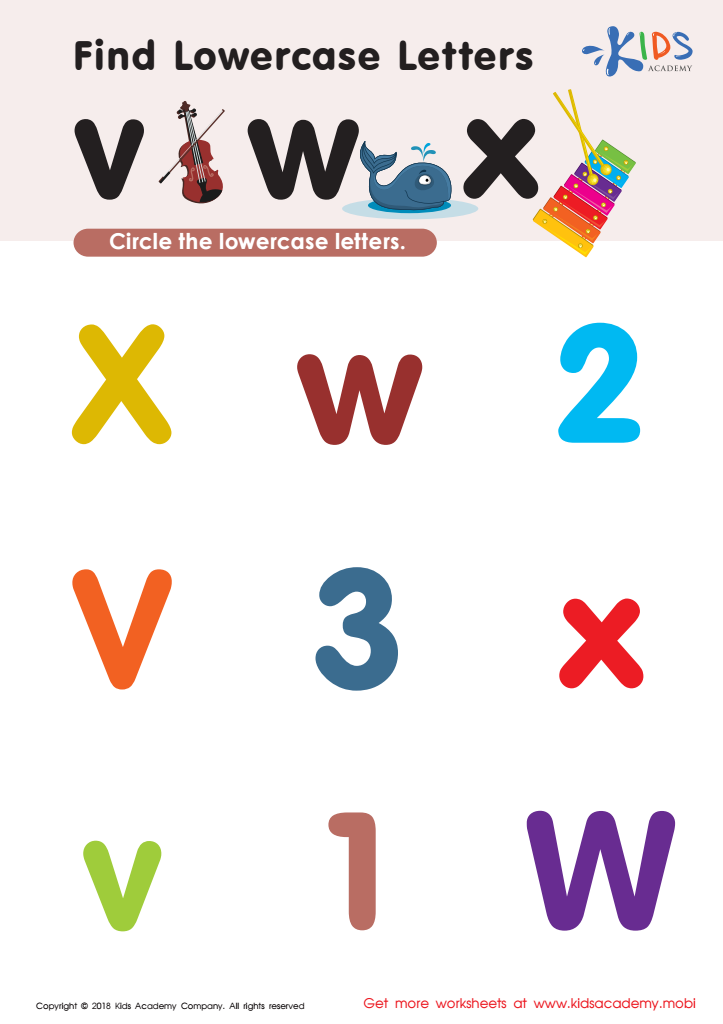
Find Lowercase Letters v w x Worksheet






Visual discrimination skills are essential for young children aged 3-6 as they form the foundation for critical literacy skills. These skills involve the ability to notice differences and similarities in letters, which is crucial for recognizing and eventually mastering both uppercase and lowercase letters. Parents and teachers should prioritize developing these skills because they directly influence a child's reading and writing abilities.
When children can easily distinguish between letters such as 'b' and 'd' or 'p' and 'q', they are less likely to struggle with letter reversals and other common reading challenges. This understanding not only enhances their decoding skills when learning to read but also boosts their confidence when they write.
Moreover, strong visual discrimination encourages attention to detail and fosters good observation skills, essential across all areas of learning. Engaging in activities that promote these skills, such as letter matching games or sorting exercises, thus becomes crucial. As literacy is a fundamental component of education, nurturing these skills lays the groundwork for educational success and lifelong learning. A child's early experiences with letters will shape their future abilities in reading and writing, making it imperative for caregivers to actively support and develop visual discrimination skills.







