Fine Motor Skills Normal English for Beginners Worksheets for Ages 3-6 - Page 2
32 filtered results
-
From - To
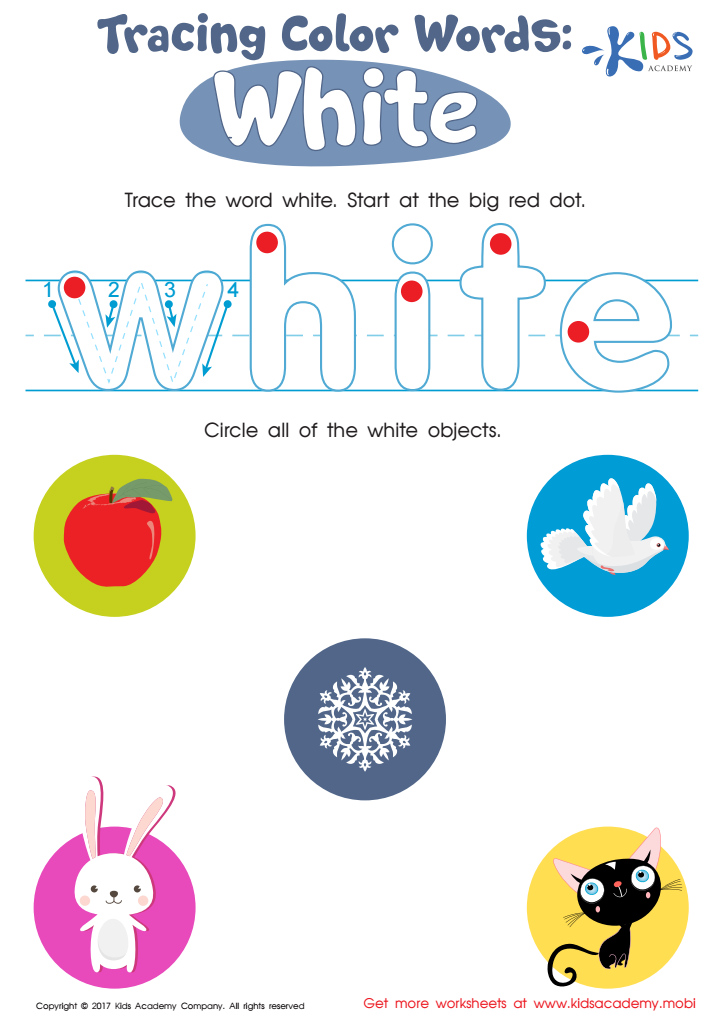
White Tracing Color Words Worksheet
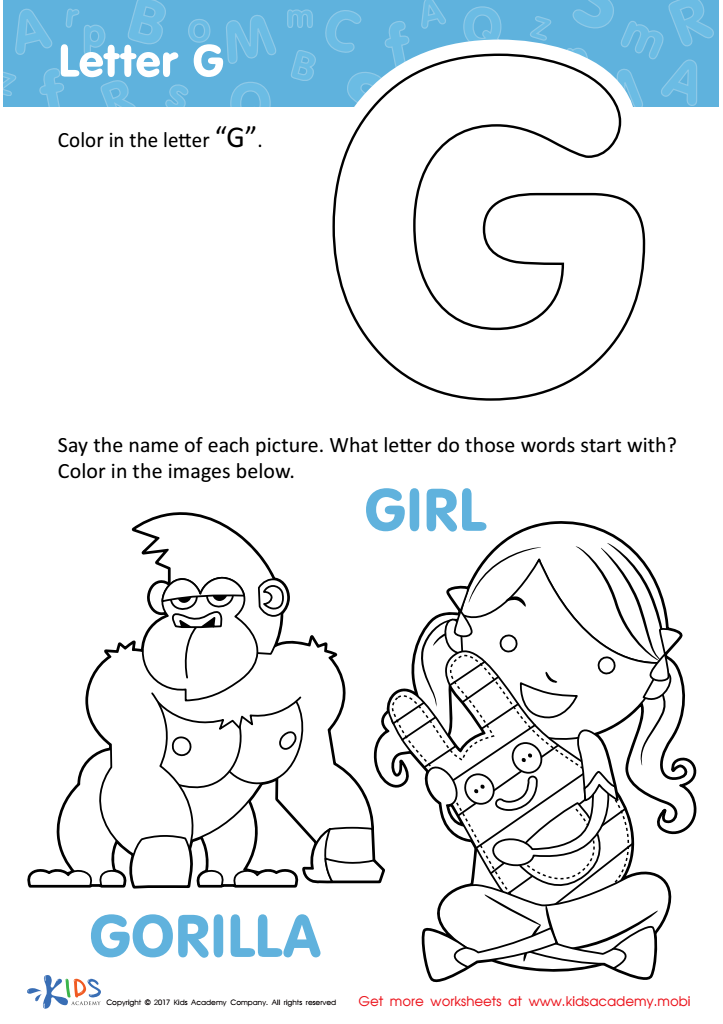
Letter G Coloring Sheet
 Assign to My Students

Letter J Coloring Sheet
Assign to My Students
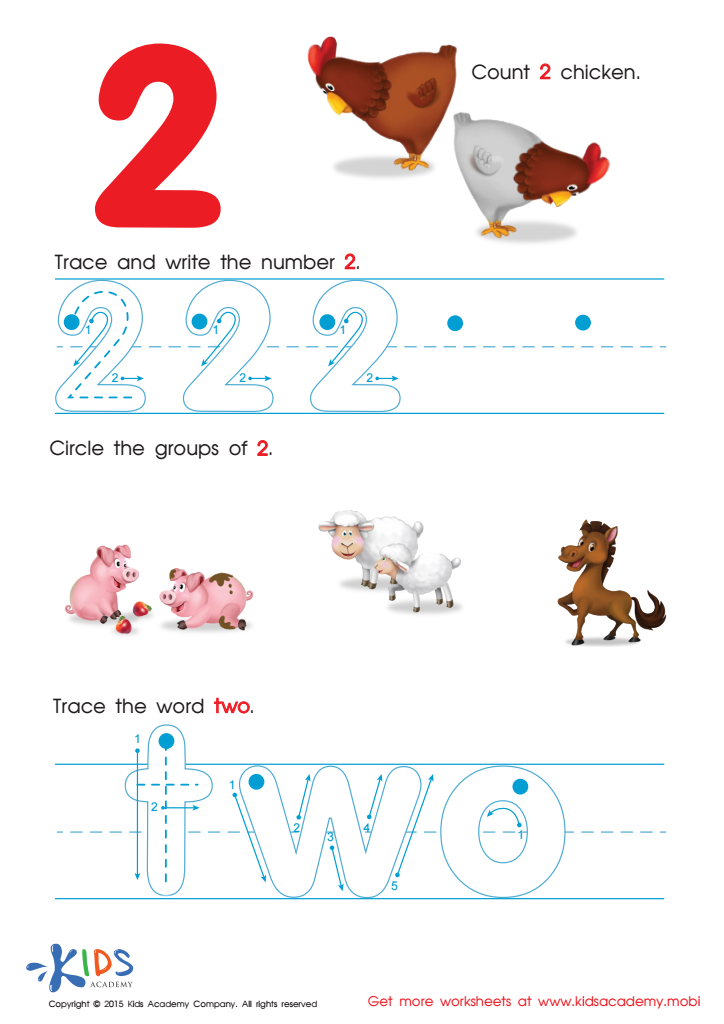
Learn to Write the Number 2 Worksheet
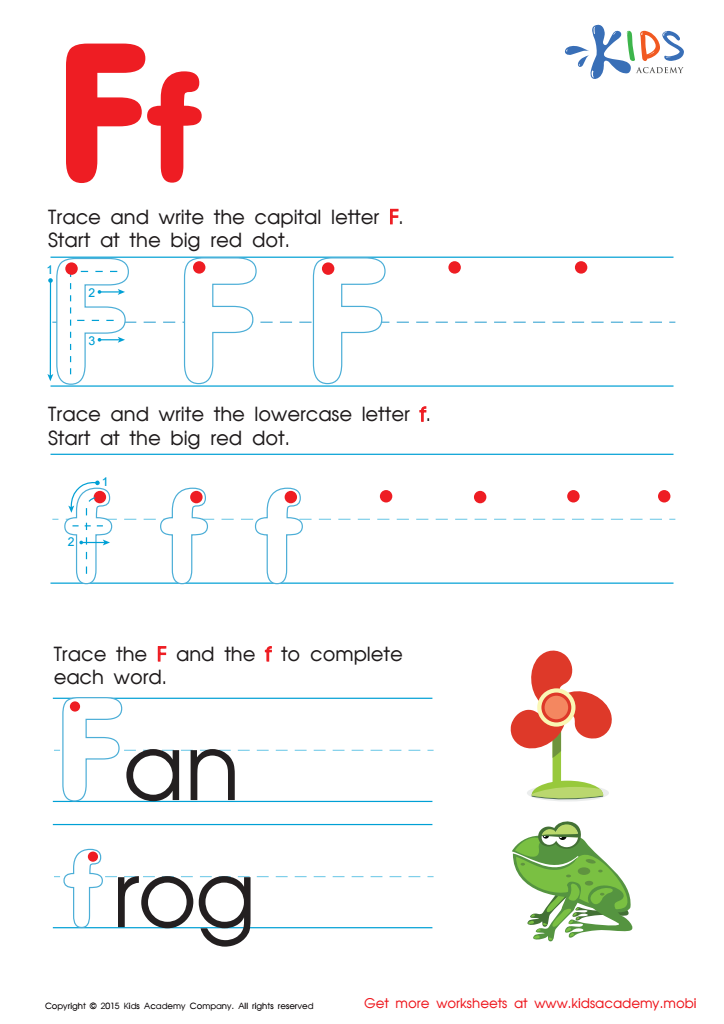
Letter F Tracing Page
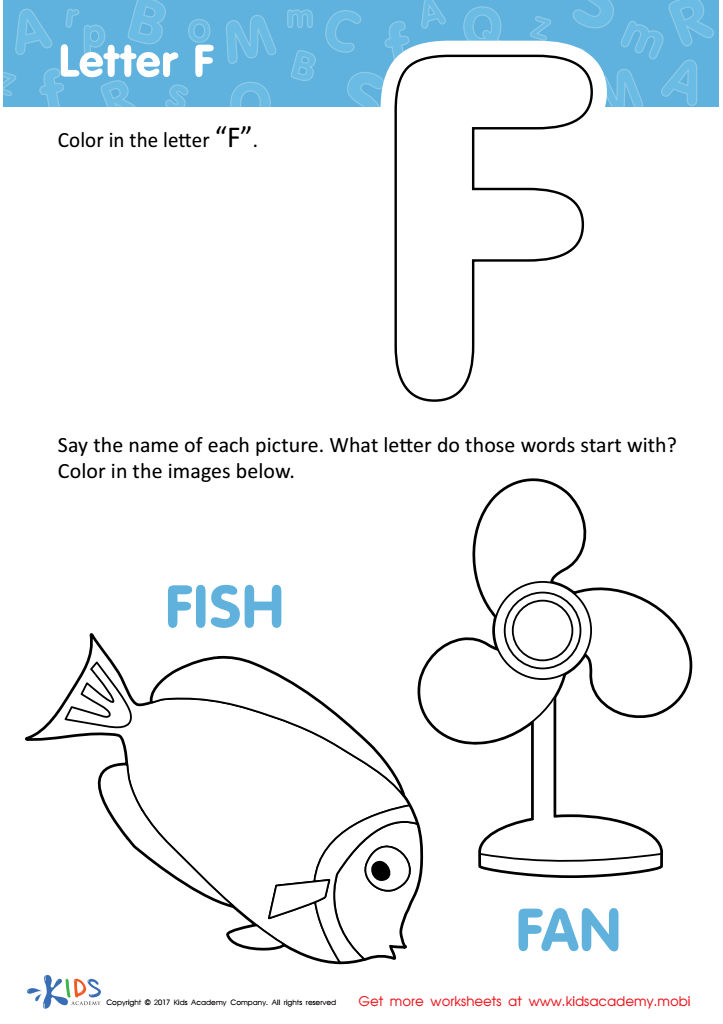
Letter F Coloring Sheet
Assign to My Students
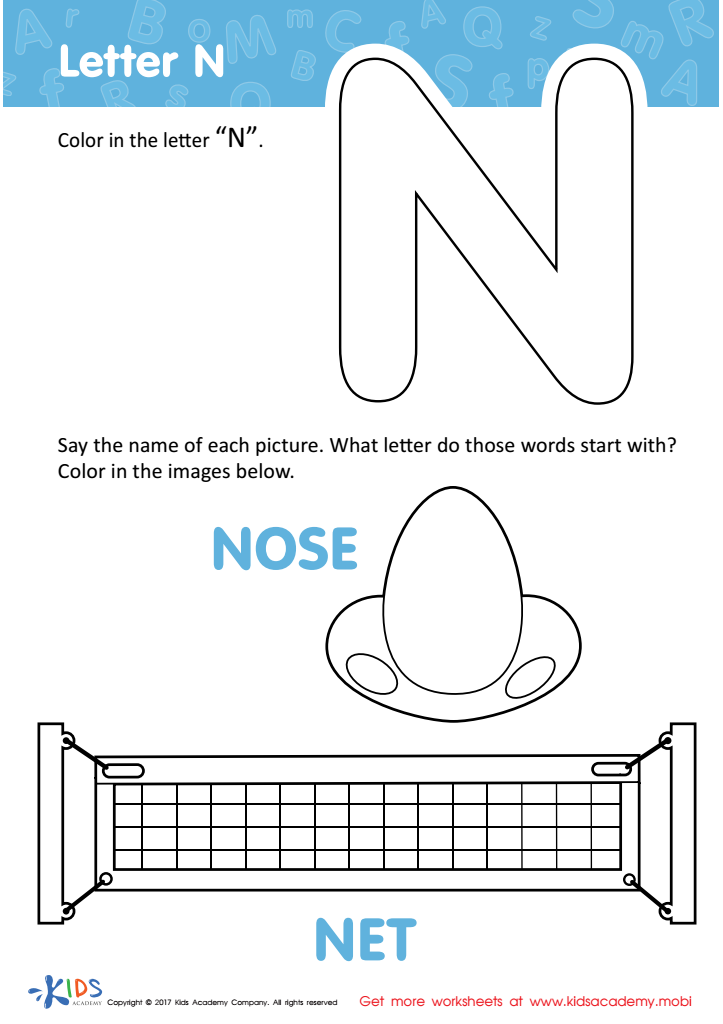
Letter N Coloring Sheet
Assign to My Students

Letter D Tracing Page





Fine motor skills refer to the ability to use small muscles in the hands and fingers to perform precise movements. This is particularly important for children aged 3-6, as it lays the foundation for various daily activities and academic tasks. Parents and teachers should care about developing these skills because they are essential for tasks such as writing, drawing, buttoning shirts, and tying shoelaces.
When children master fine motor skills, they gain confidence and independence, leading to improved self-esteem. Additionally, these skills support cognitive development, helping children learn how to solve problems and follow instructions. Engaging in activities like playing with building blocks, working with clay, or practicing cutting with scissors can enhance fine motor skills while being fun and enjoyable.
Furthermore, early development of fine motor skills can support later academic success, particularly in tasks involving writing and other classroom activities. As these skills improve, children can better focus on learning without being hindered by difficulties in task execution. Investing time and effort in enhancing fine motor skills can make a significant difference in a child's overall growth and learning journey.