Handwriting practice Normal English for Beginners Worksheets for Ages 3-6 - Page 2
26 filtered results
-
From - To
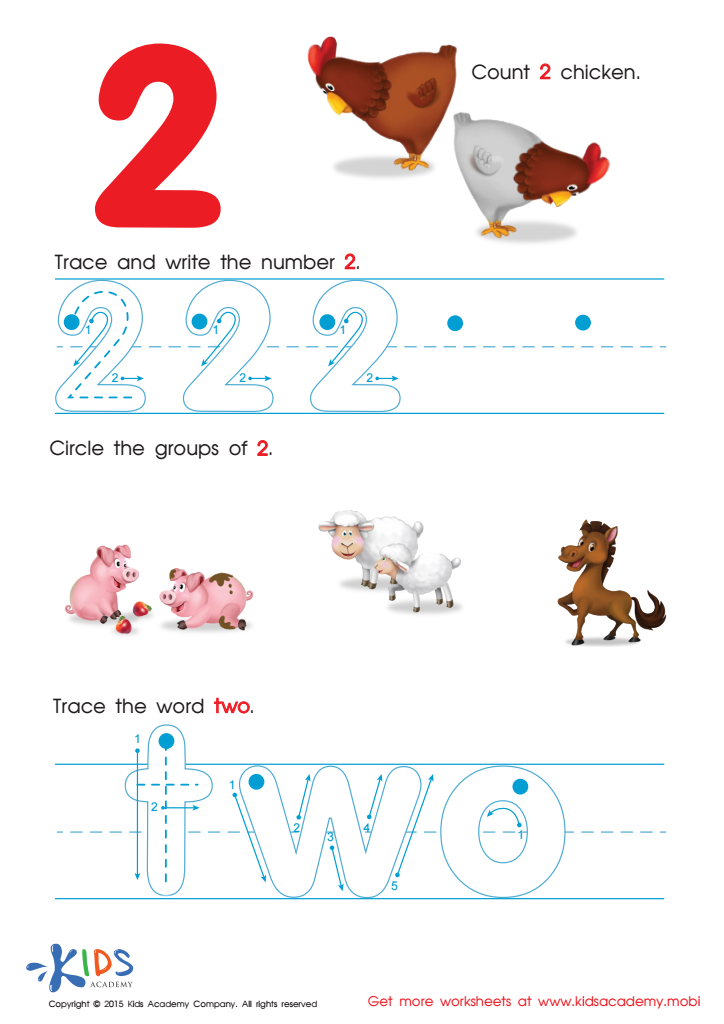
Learn to Write the Number 2 Worksheet
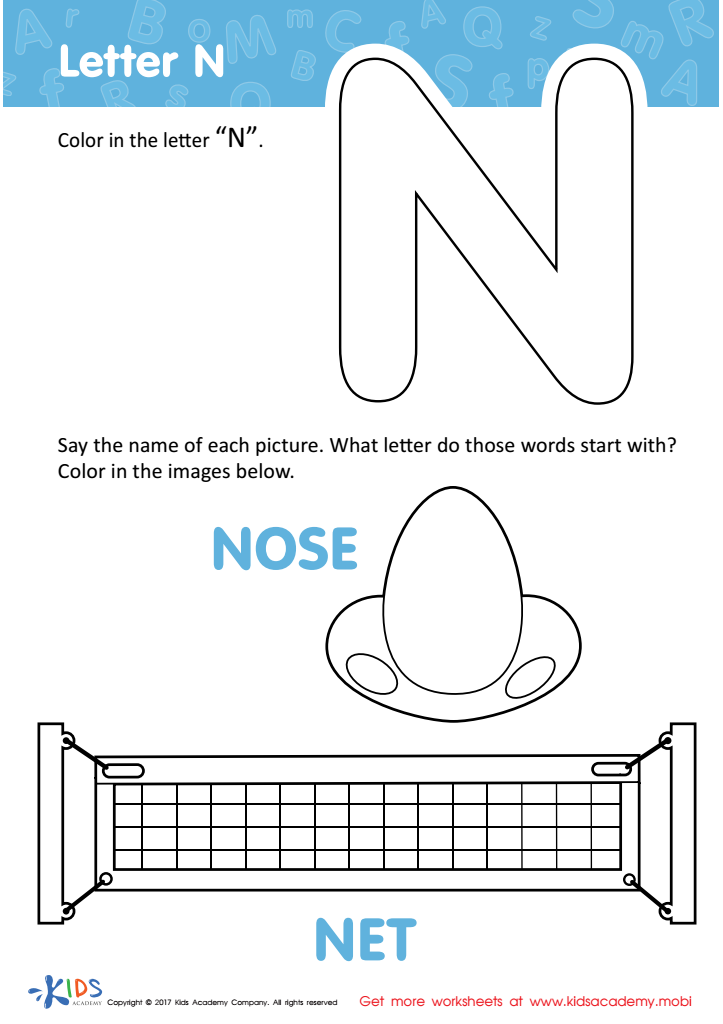
Letter N Coloring Sheet
 Assign to My Students





Handwriting practice for children aged 3-6 is crucial and deserves attention from both parents and teachers. At this developmental stage, kids are building foundational skills that will serve them throughout their educational journey and beyond. Firstly, handwriting practice enhances fine motor skills by strengthening the small muscles in the hands and fingers. These muscles are essential not only for writing but also for other tasks like buttoning clothes and using utensils.
Secondly, handwriting practice helps with cognitive development. It engages the brain in unique ways that typing does not, fostering hand-eye coordination and encouraging the learning of new symbols and letters. This, in turn, supports literacy and numeracy skills. When children write letters by hand, they are simultaneously learning to recognize and remember them, making the process of learning to read smoother and more intuitive.
Moreover, laying this groundwork early can boost a child's confidence and independence. Being able to write their own name or simple words gives young children a sense of accomplishment and pride. Importantly, neat handwriting can also contribute to clearer thinking and organization, skills beneficial throughout life.
In summary, early handwriting practice is more than just learning to write—it’s building the critical skills that underpin overall academic and personal development.