Alphabet sequencing Normal Worksheets for Ages 3-6
4 filtered results
-
From - To
Boost your child’s literacy skills with our Alphabet Sequencing Normal Worksheets, designed specifically for ages 3-6. These engaging, printable activities help young learners recognize and order letters of the alphabet, fostering essential sequencing skills. Each worksheet is colorful and fun, encouraging children to complete sequences while enhancing their understanding of letter associations. Perfect for preschoolers and kindergarteners, these worksheets provide interactive learning opportunities ideal for home or classroom use. Watch as your child builds confidence in their reading and writing abilities, all while having fun with the foundational building blocks of language! Get started today and make learning exciting!
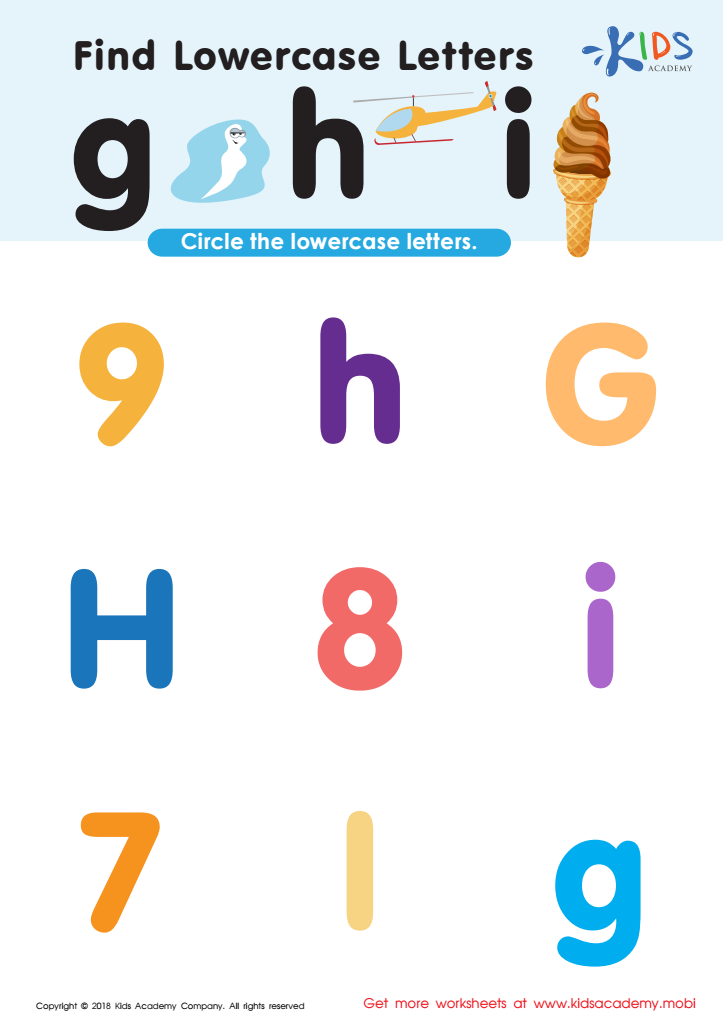
Find Lowercase Letters g h i Worksheet
 Assign to My Students
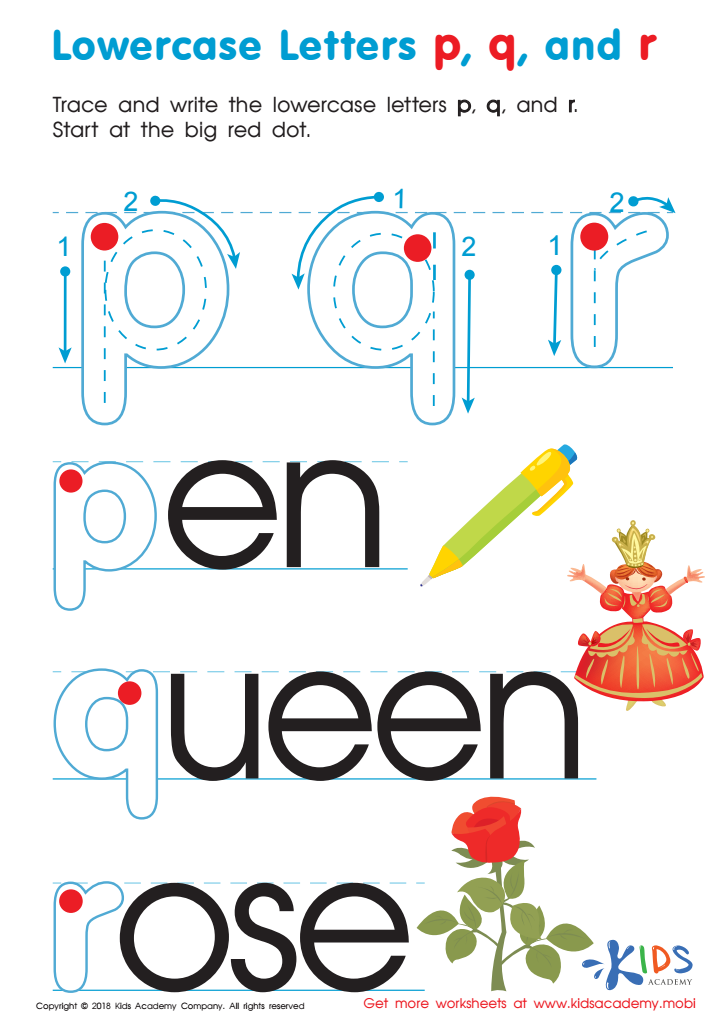
Lowercase Letters p q r Worksheet
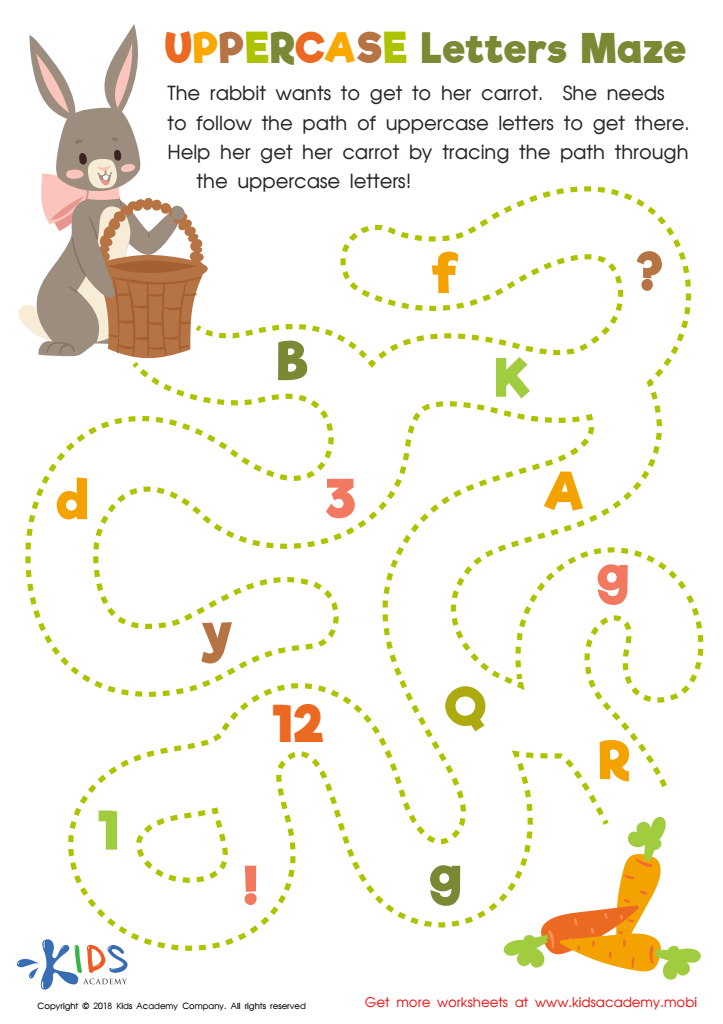
Uppercase Letters Maze Worksheet
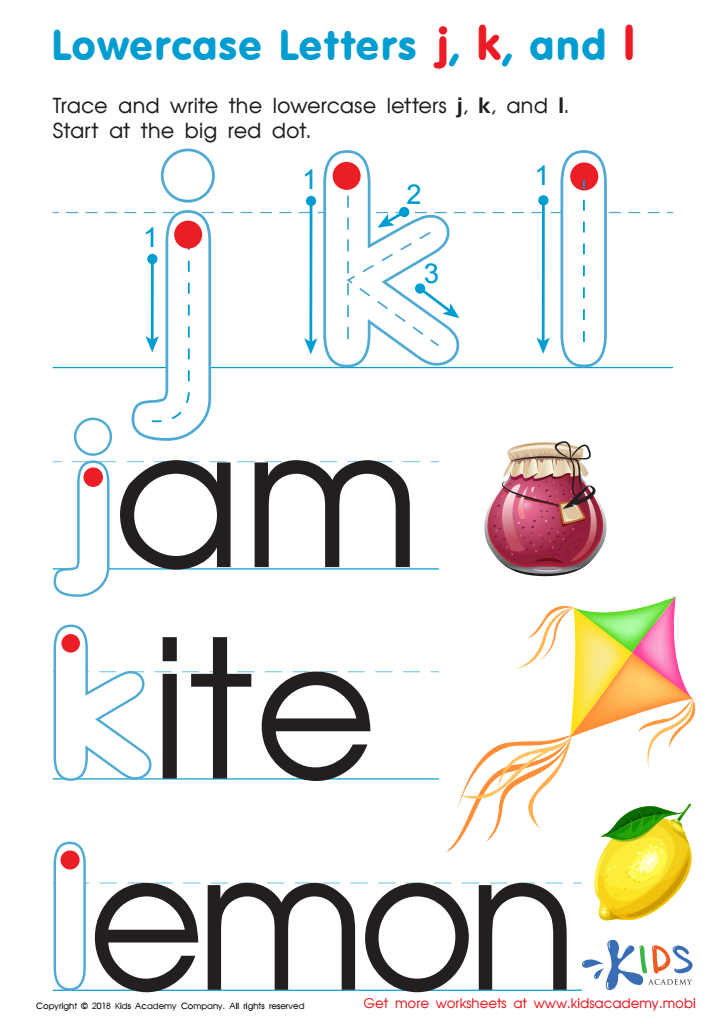
Lowercase Letters j k l Worksheet




.jpg)



Alphabet sequencing is a fundamental skill in early childhood education, particularly for children aged 3 to 6. Understanding and recognizing the order of letters is crucial, as it lays the groundwork for literacy development. When children learn to sequence the alphabet, they enhance their ability to read, write, and spell effectively.
For parents and teachers, fostering this skill is paramount for several reasons. Firstly, it strengthens phonemic awareness, allowing children to identify sounds associated with each letter, which is essential for decoding words. Secondly, mastering alphabet sequencing helps children organize their thoughts when writing and aids memory recall, which is vital for their academic success.
Importantly, a strong foundation in the alphabet contributes to students’ confidence in language arts. When children can articulate and write their ideas clearly, their communication skills improve. Additionally, introductory technologies like alphabet songs and games can make learning engaging, ensuring children enjoy the process. By focusing on alphabet sequencing, parents and educators equip children with vital tools for lifelong learning, ensuring they are better prepared for future academic challenges. In essence, prioritizing this aspect of development can profoundly impact a child's educational journey.








