Attention to Detail Normal Worksheets for Ages 3-6
8 filtered results
-
From - To
Discover our engaging "Attention to Detail Normal Worksheets" designed for children aged 3-6. These worksheets help young learners develop essential observational skills, enhancing their ability to notice details in various contexts. Featuring fun activities such as matching, sorting, and finding differences, these worksheets not only boost critical thinking but also promote hand-eye coordination and concentration. Perfect for home or classroom use, our user-friendly resources are tailored to keep preschool and kindergarten students excited about learning. Explore the world of details with our diverse and colorful worksheets, making early education a joyful experience for children while they build fundamental skills for future success.
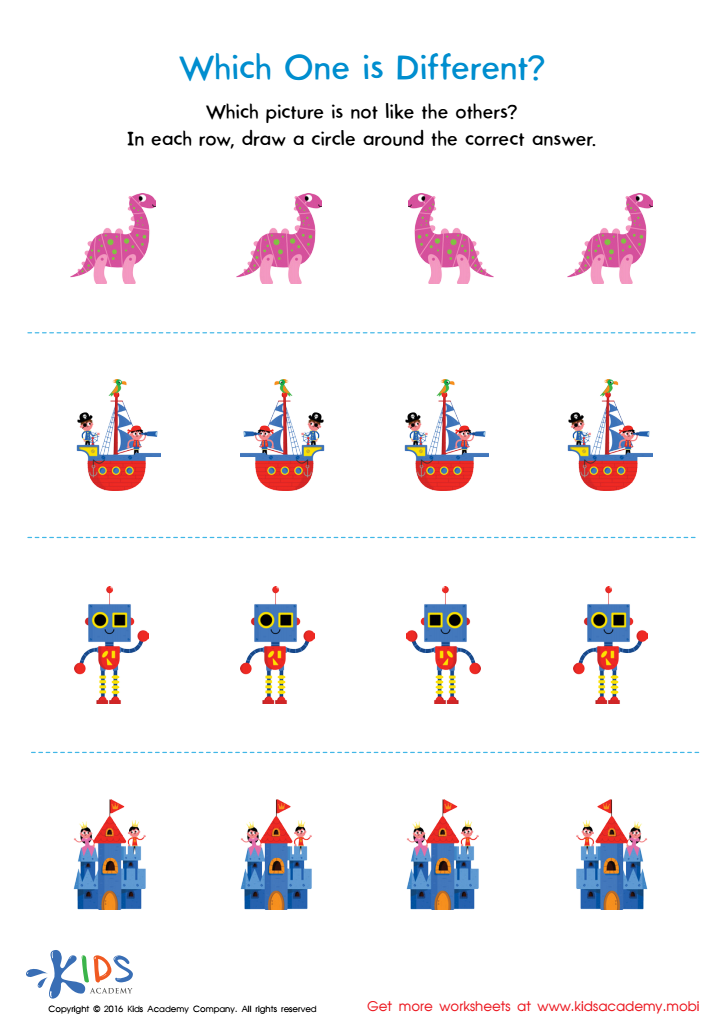
Which One Is Different Worksheet
 Assign to My Students
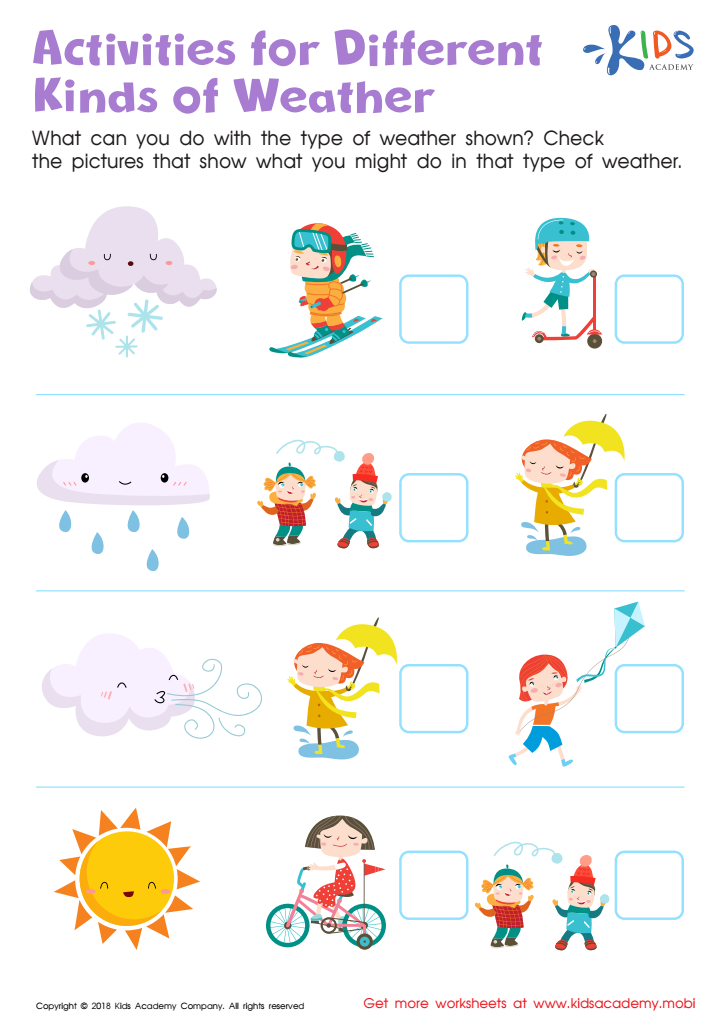
Activities for Different Kinds of Weather Worksheet
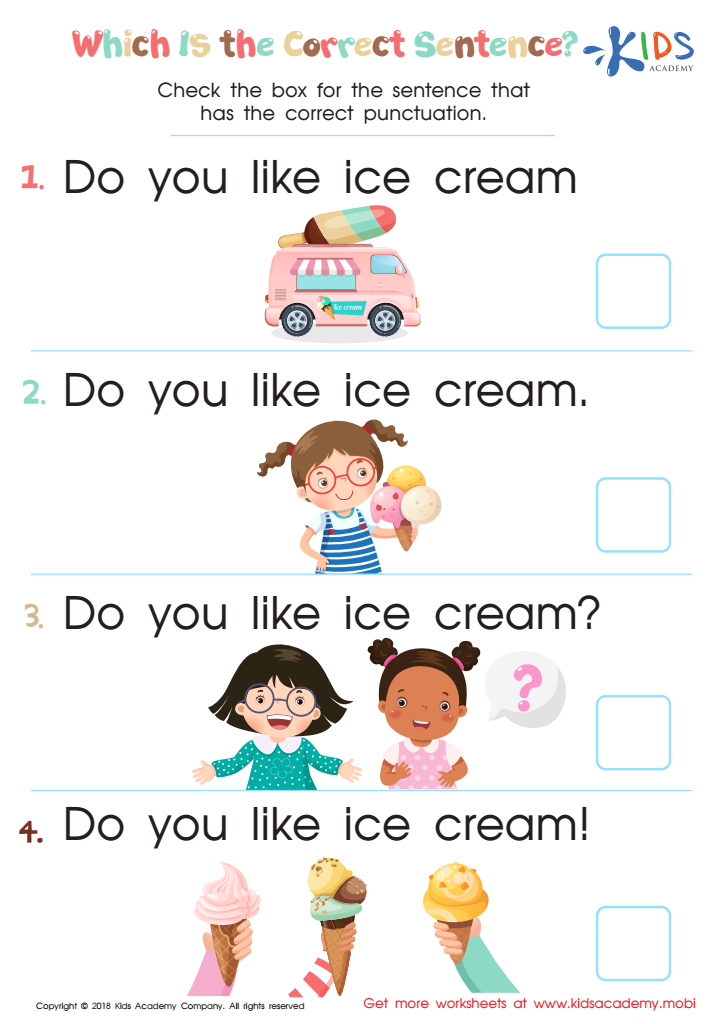
Which is the Correct Sentence? Worksheet
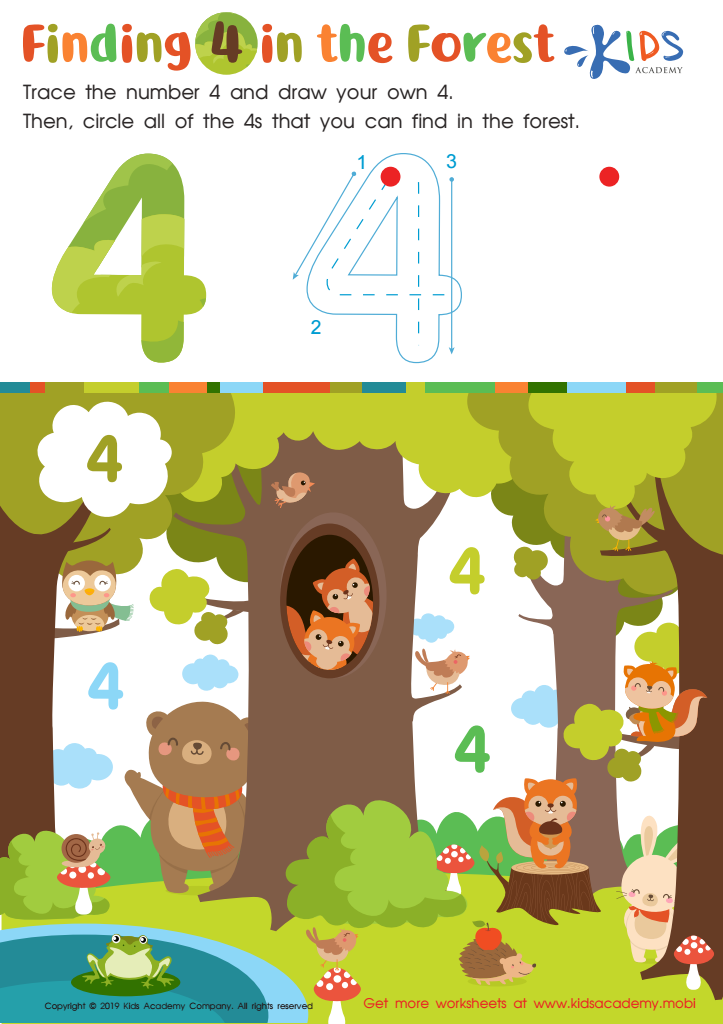
Finding 4 in the Forest Worksheet
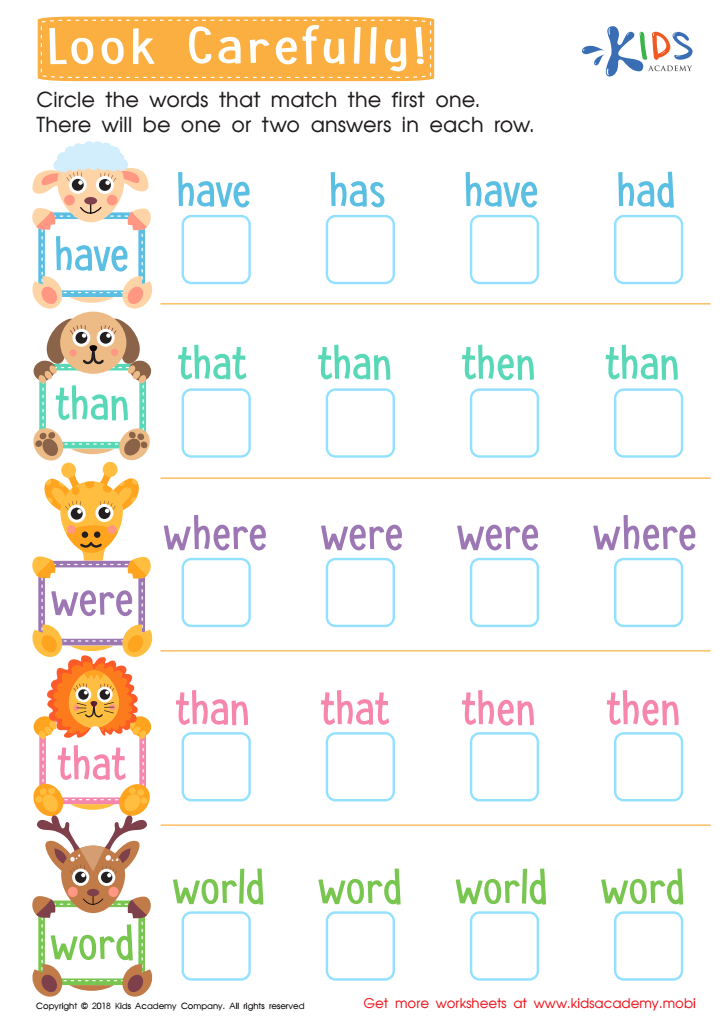
Look Carefully Worksheet

Take a Look - Part 1 Worksheet
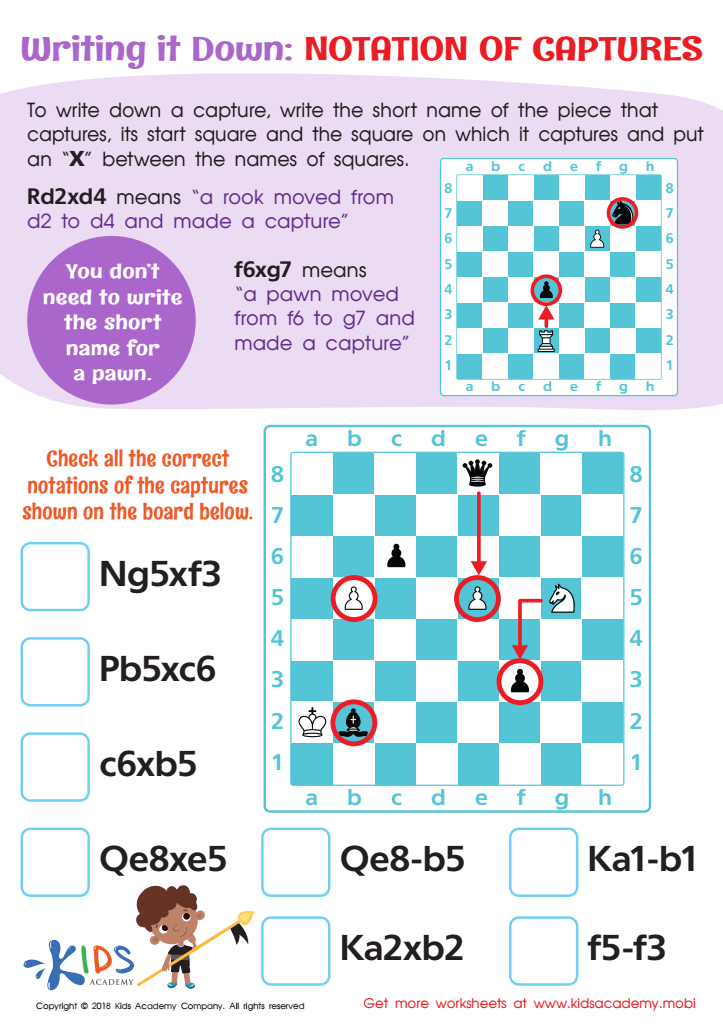
Notation of Captures Writing it Down Worksheet
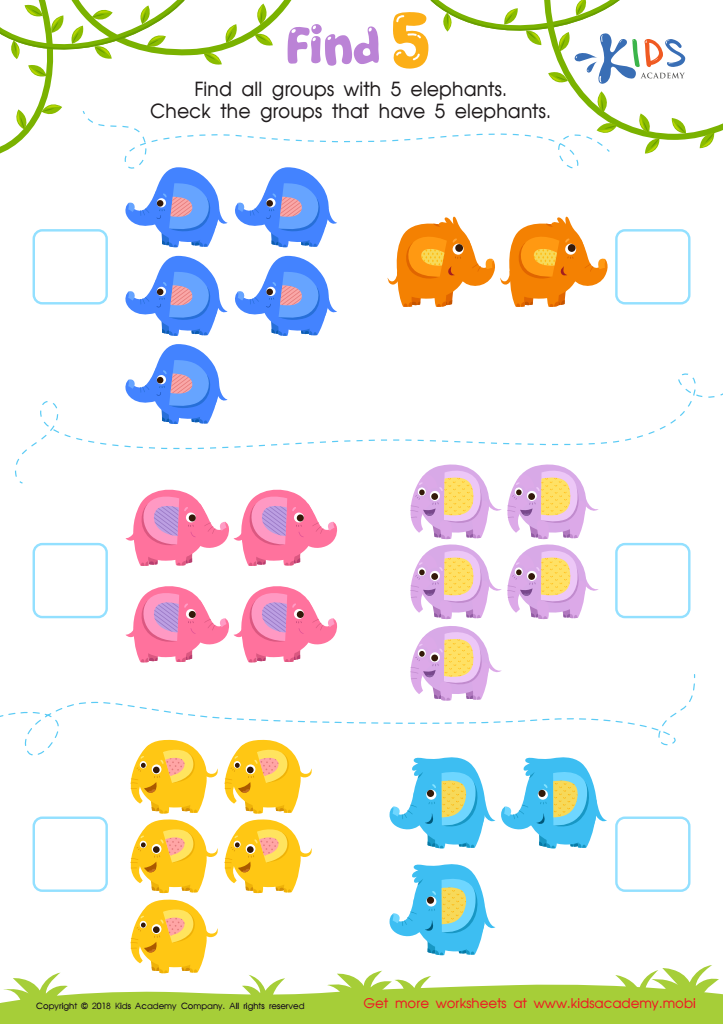
Find 5 Worksheet








Attention to detail, particularly in children aged 3 to 6, is a critical skill that parents and teachers should prioritize. At this developmental stage, children are naturally curious and eager to observe the world around them. Fostering attention to detail enhances their cognitive abilities, supporting skills like problem-solving, critical thinking, and creativity. When children learn to focus on finer aspects of their environment, they develop better observational skills, boosting their learning experiences.
Furthermore, attention to detail aids children in emotional and social development. By recognizing subtle social cues, such as facial expressions or tone of voice, children can better navigate friendships and conflicts. This skill contributes to empathy, allowing them to understand others' feelings and perspectives.
In educational settings, activities that promote attention to detail, such as puzzles, matching games, and art projects, engage a child's mind and are fun and rewarding. Building this skill early on lays a strong foundation for future academic success. Therefore, teachers and parents should implement strategies and activities that enhance attention to detail, ensuring that children are prepared for more complex learning experiences as they grow. Encouraging it early creates confident learners who approach challenges with curiosity and tenacity.








