Improving vocabulary Normal Worksheets for Ages 3-6
5 filtered results
-
From - To
Enhance your child's vocabulary with our engaging worksheets designed for kids ages 3-6. At Kids Academy, we offer a vibrant collection of printable worksheets that make learning fun and effective. Our carefully crafted materials aim to build language skills by introducing new words through colorful images and interactive activities. Each worksheet is designed to suit young learners’ unique needs, fostering their curiosity and love for words. With a focus on everyday language, our resources help children connect words to their world, improving their communication skills and setting a strong foundation for their academic journey. Download now to boost your child’s vocabulary!
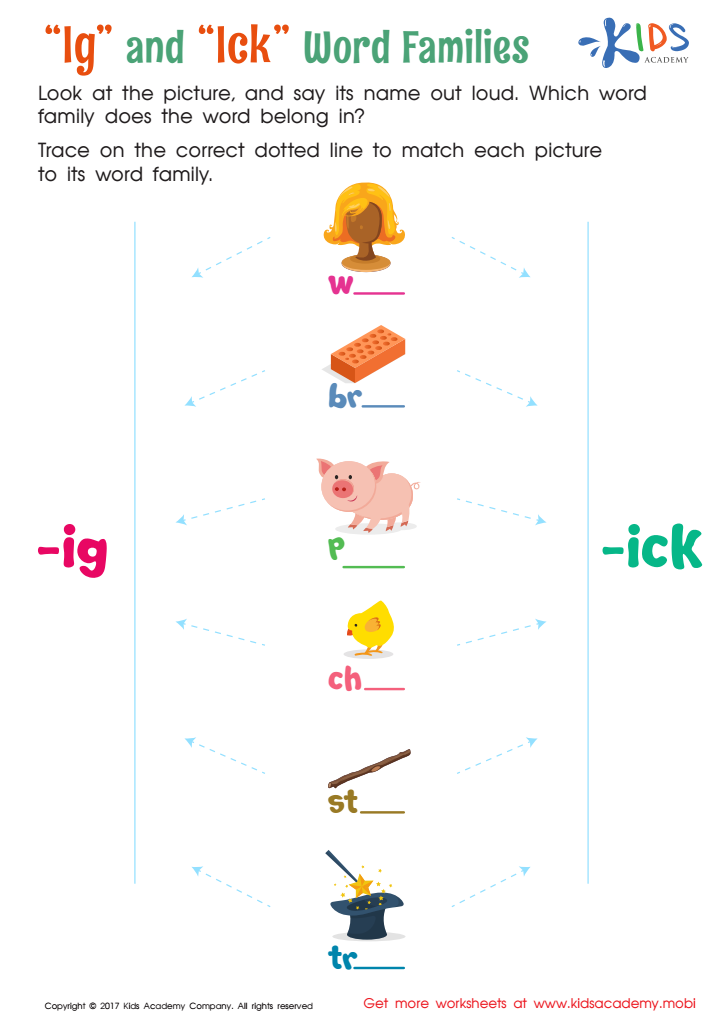
Words Families "ig" and "ick" Spelling Worksheet
 Assign to My Students
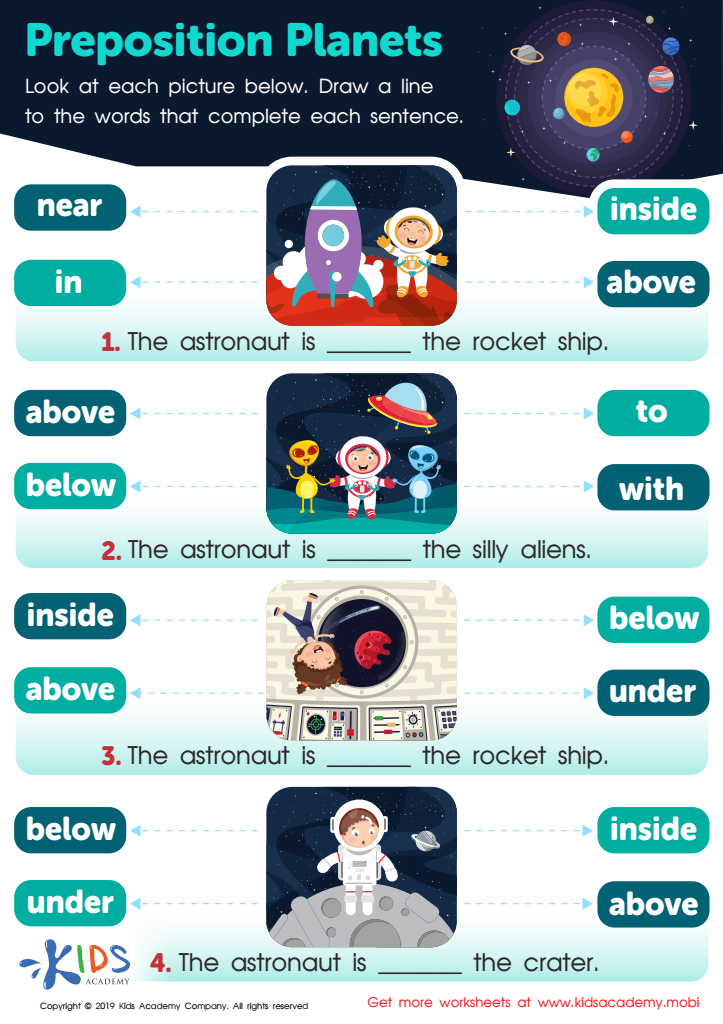
Preposition Planets Worksheet
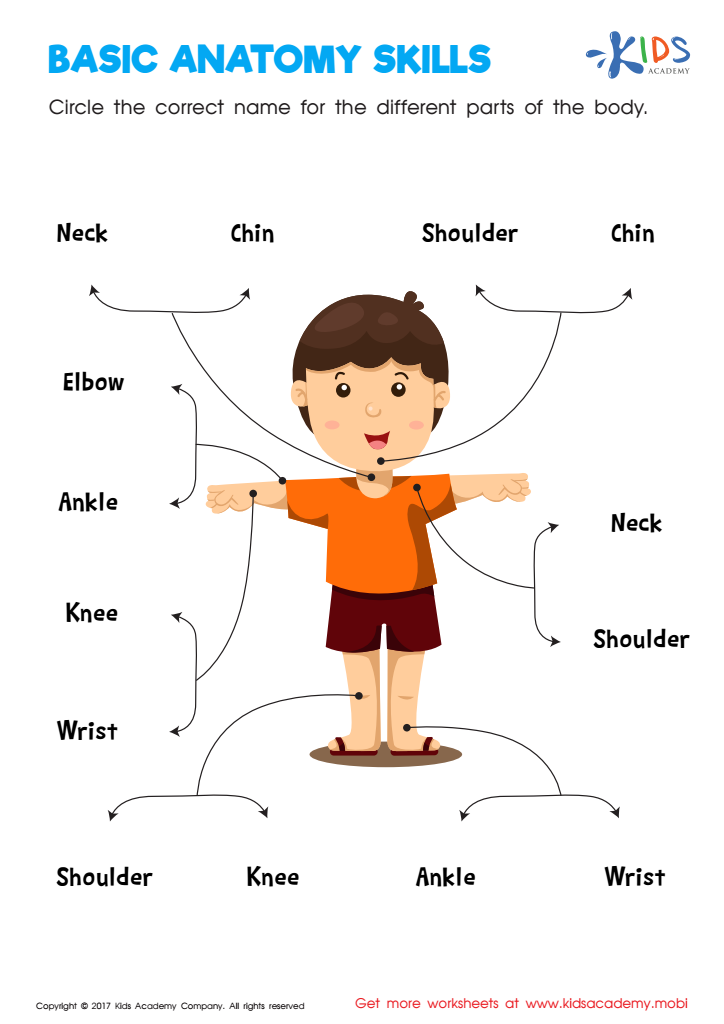
Basic Anatomy Skills Printable
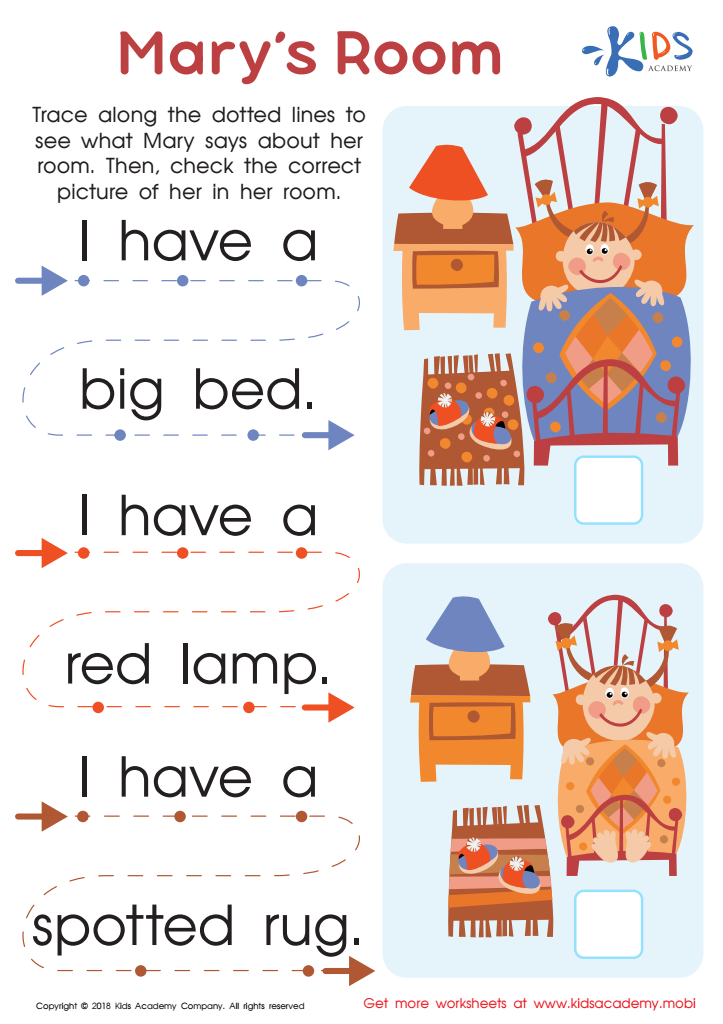
Mary's Room Worksheet
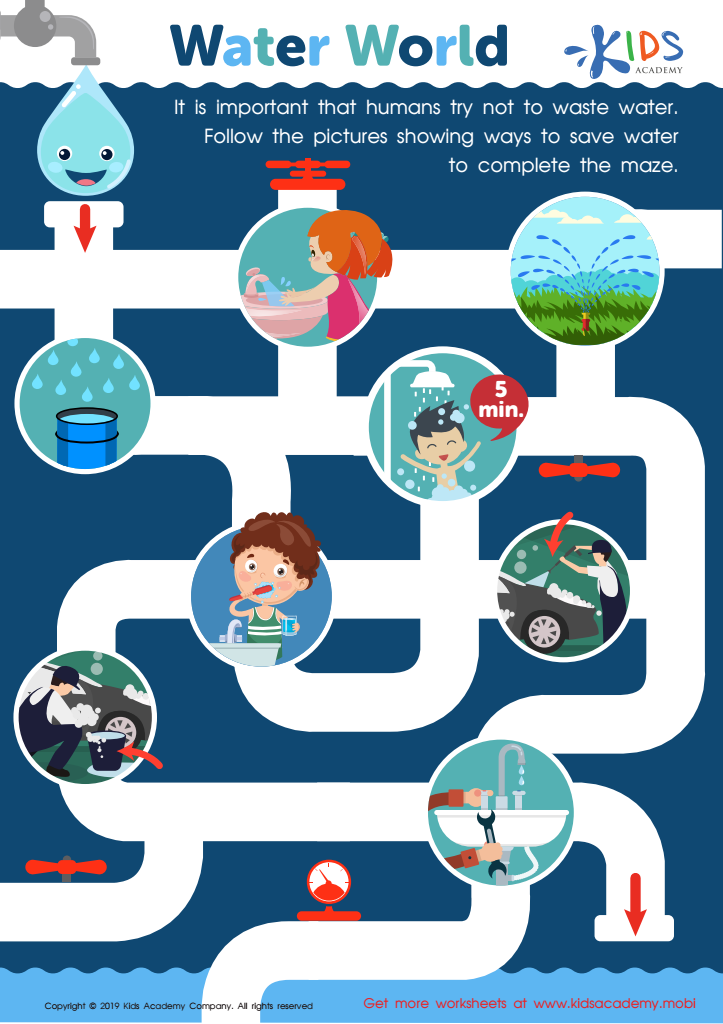
Water World Worksheet




%20(1).jpg)



Improving vocabulary for children aged 3-6 is crucial for their overall language development and academic success. At this formative stage, children's brains are highly receptive to learning new words, making it the optimal time to expand their vocabulary. A robust vocabulary sets the foundation for effective communication, reading comprehension, and cognitive skills.
When children possess a wide range of words, they can express their thoughts, emotions, and ideas more precisely, fostering better interpersonal relationships. Additionally, a strong vocabulary is directly linked to reading comprehension; children who understand more words can easily grasp the meaning of texts, aiding in more successful reading experiences as they progress through school.
Moreover, vocabulary development is critical for cognitive growth. It enhances critical thinking and problem-solving abilities, as children can better understand and process new information. Early exposure to a rich vocabulary can improve listening skills and attention span, making them more prepared for the structured learning environments they will encounter in kindergarten and beyond.
For parents and teachers, fostering vocabulary growth can be as simple as reading aloud, engaging in meaningful conversations, and incorporating diverse language experiences. Investing time and effort in this area will yield significant long-term educational and social benefits, helping children achieve their full potential.








