Mathematical reasoning Normal Worksheets for Ages 3-6
13 filtered results
-
From - To
Discover our engaging Mathematical Reasoning Normal Worksheets designed for children ages 3-6! These thoughtfully crafted resources aim to enhance early math skills through fun and interactive activities. Our worksheets cover essential concepts such as number recognition, basic addition and subtraction, patterns, shapes, and logical thinking. Each worksheet is aligned with early childhood learning standards, fostering a solid foundation in mathematical reasoning. Ideal for use at home or in the classroom, these worksheets promote critical thinking while keeping learning enjoyable. Explore our collection today and watch young learners develop their math abilities with confidence and enthusiasm!
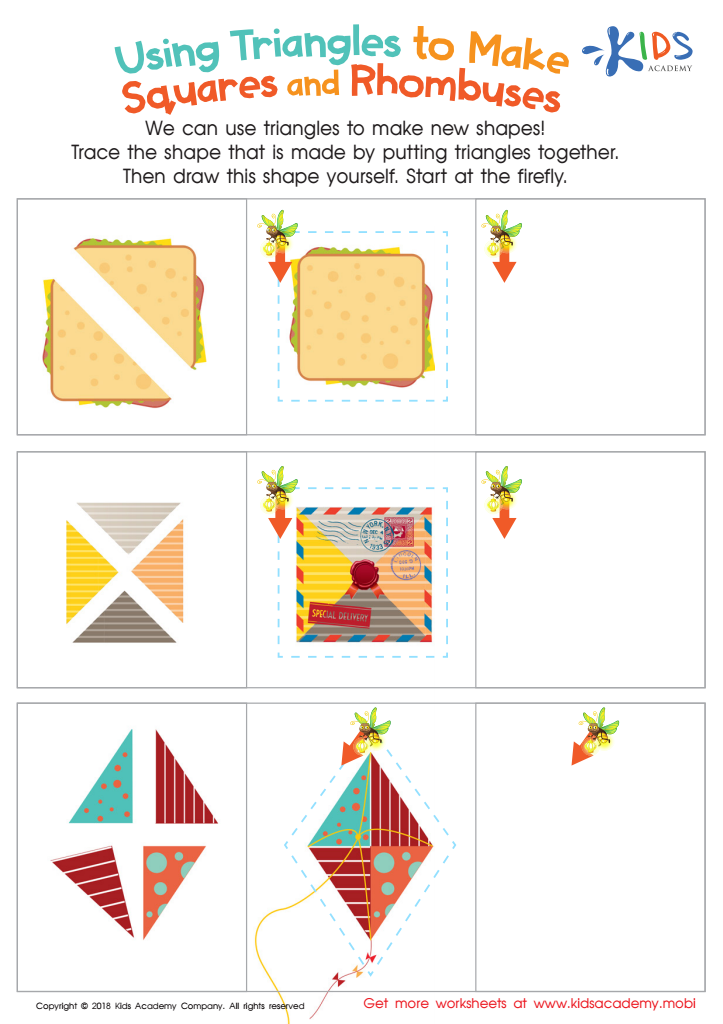
Using Triangles to Make Squares and Rhombuses Worksheet
 Assign to My Students
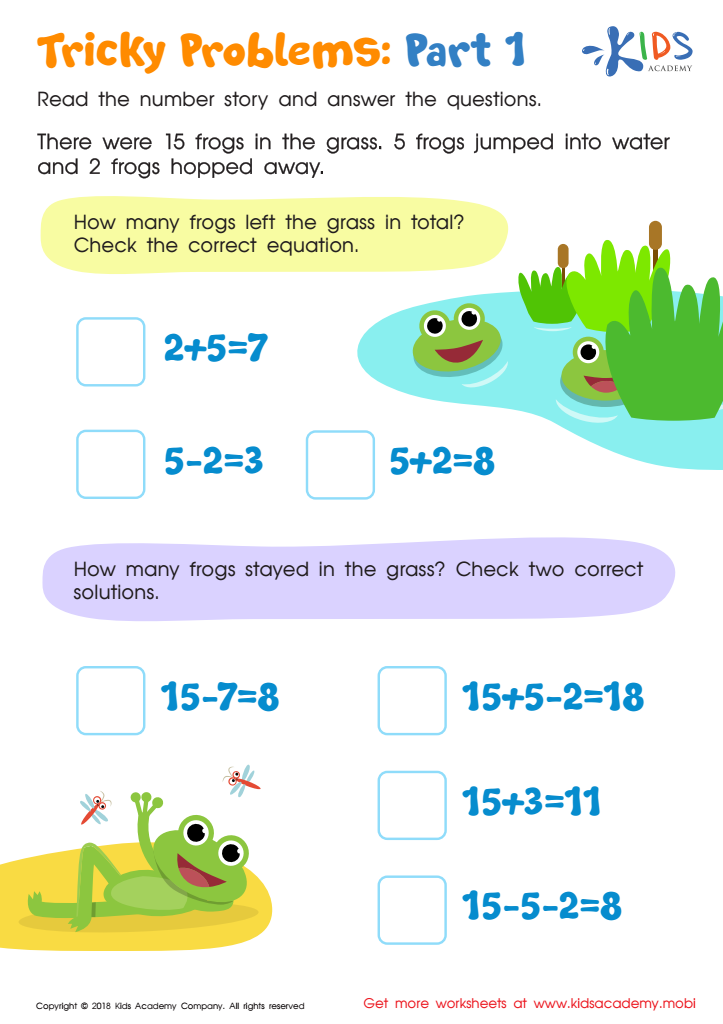
Tricky Problems Worksheet: Part 1
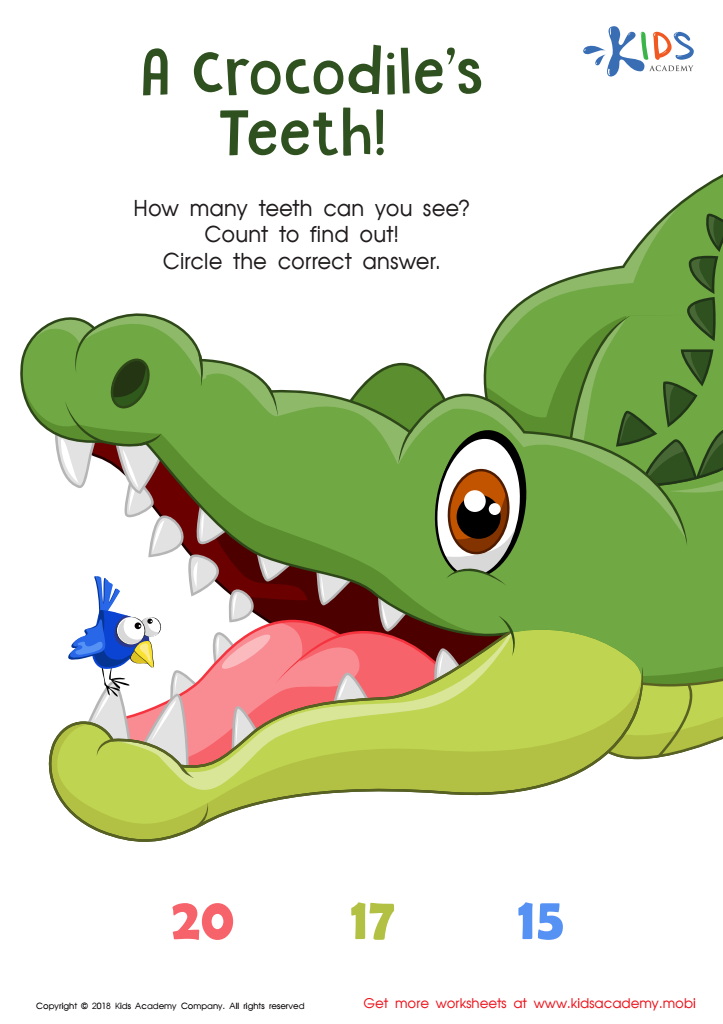
A Crocodile's Teeth Worksheet
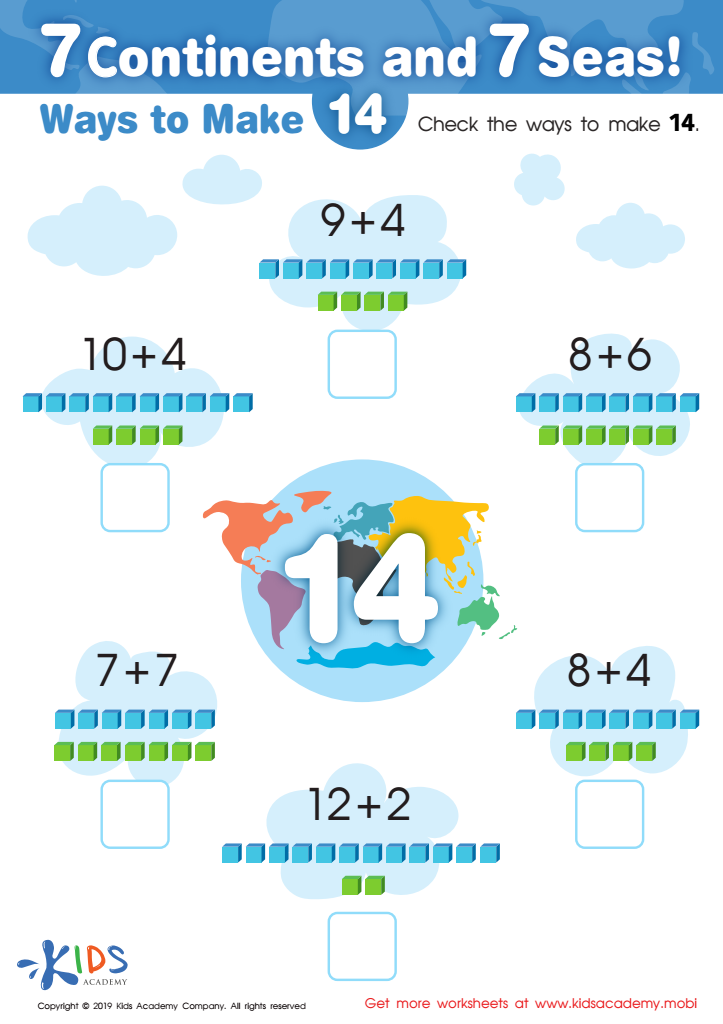
7 Continents and 7 Seas Worksheet
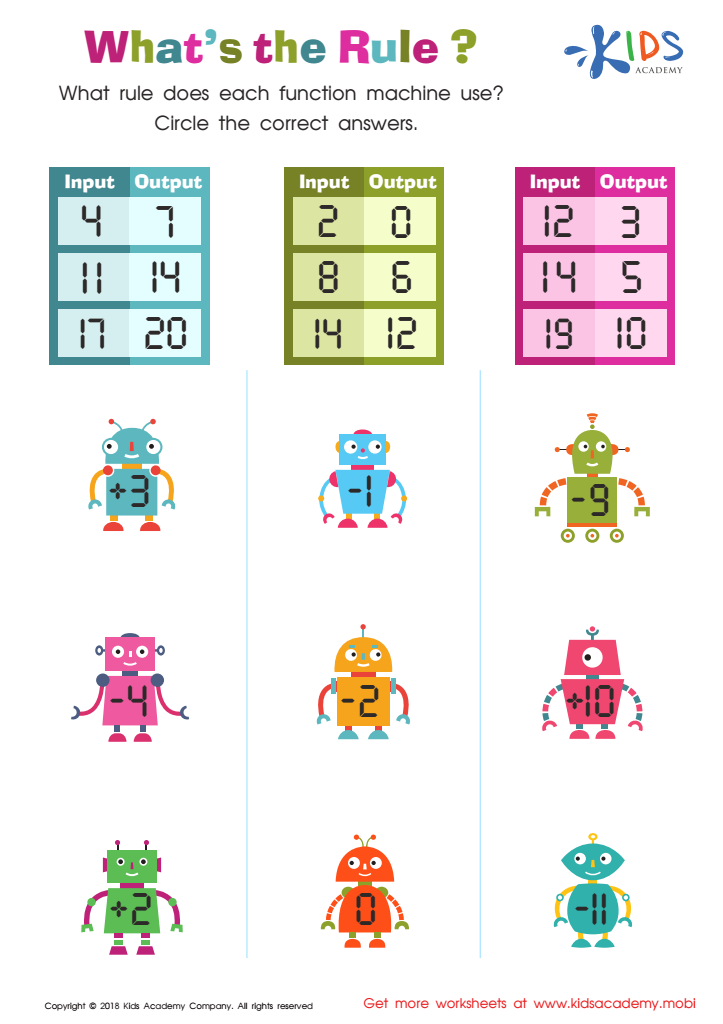
What's the Rule Worksheet
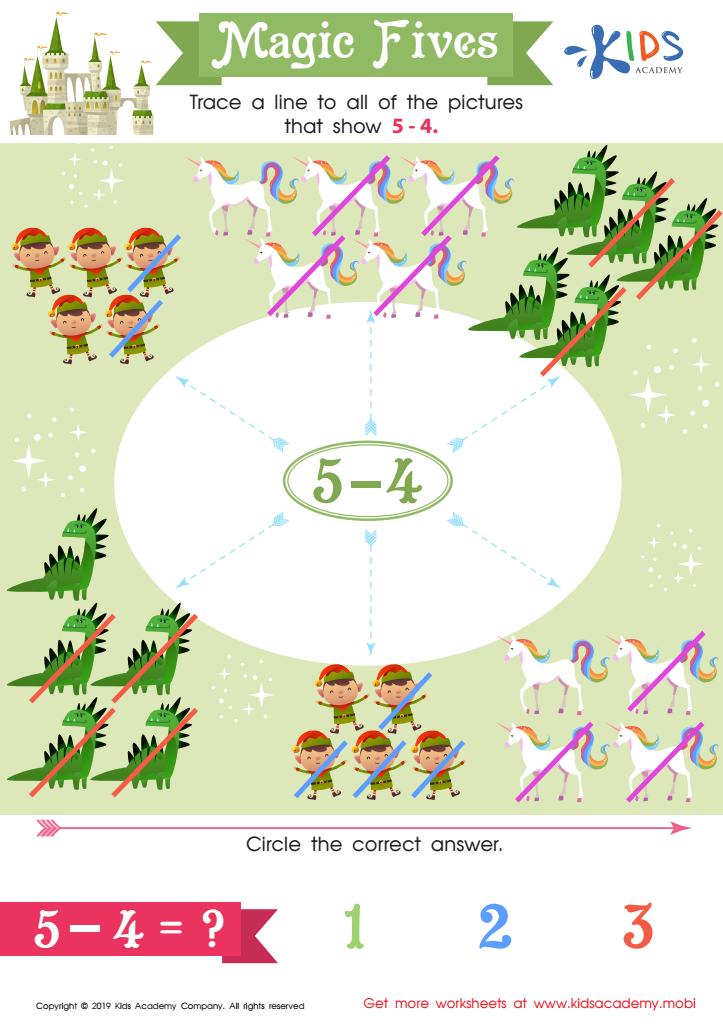
Magic Fives Worksheet
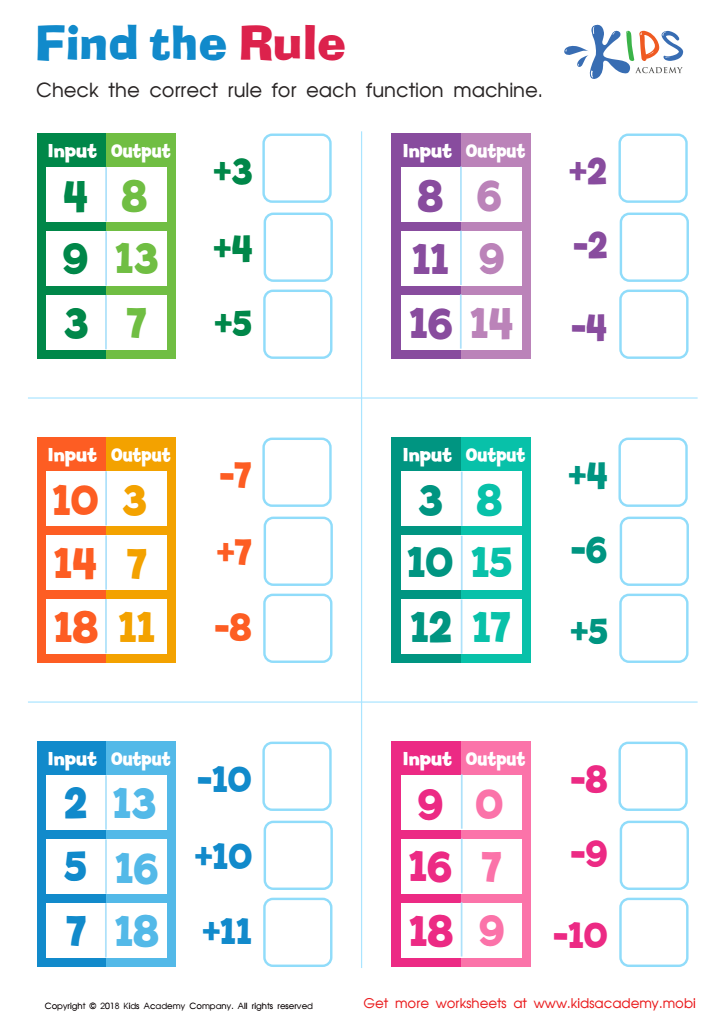
Find the Rule Worksheet
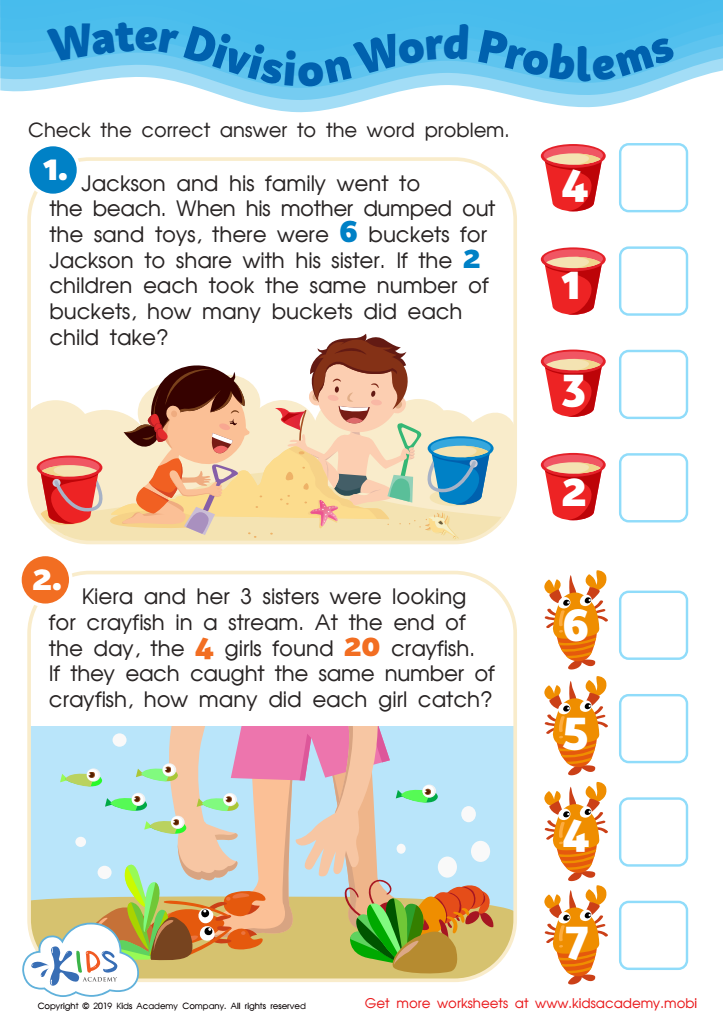
Water Division Word Problems Worksheet
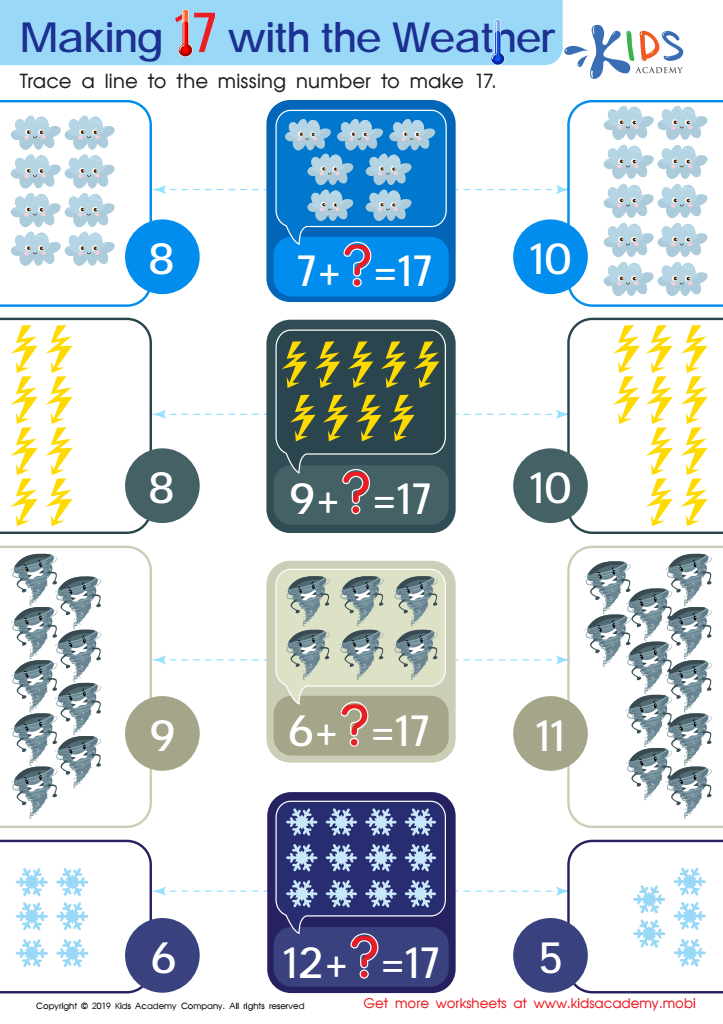
Making 17 with the Weather Worksheet
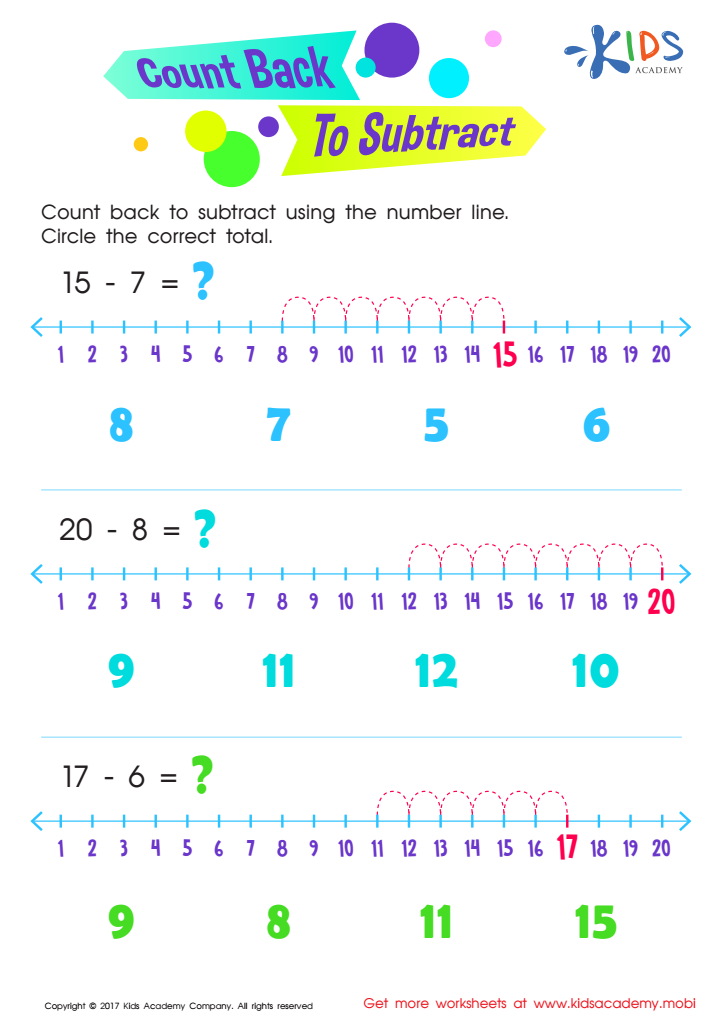
Count Back to Subtract Substraction Worksheet
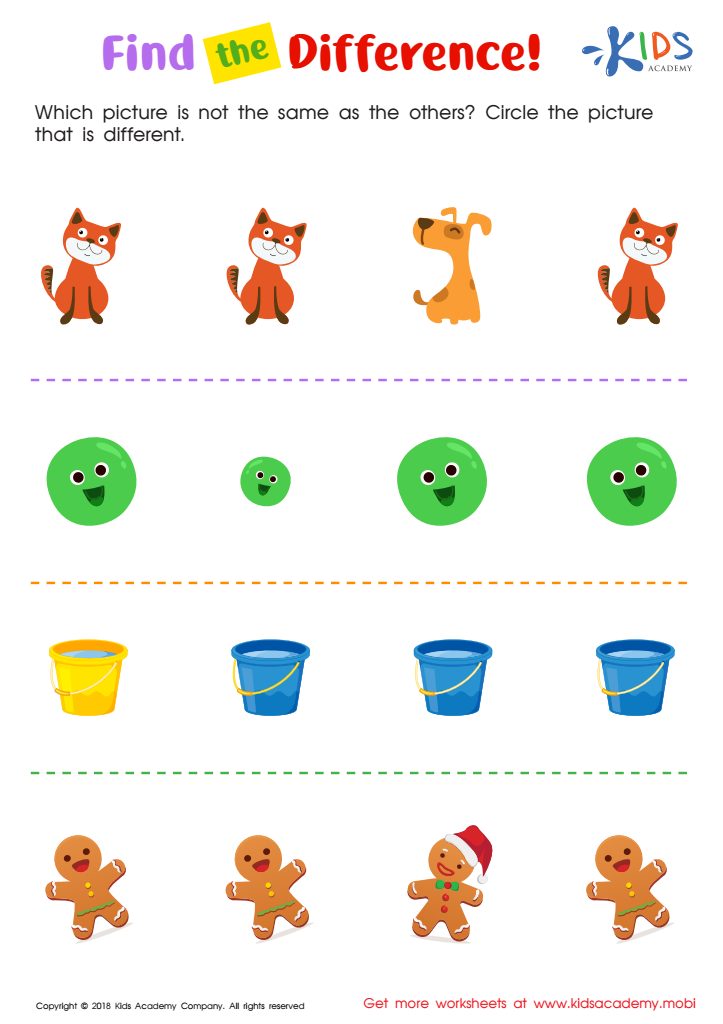
Find the Difference Worksheet
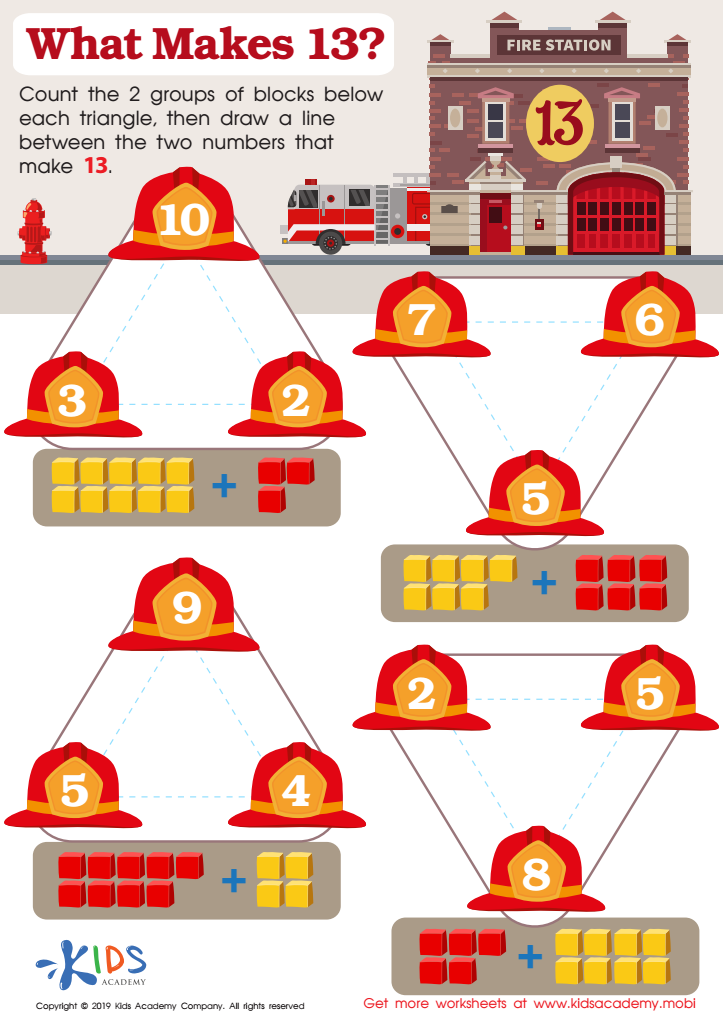
What Makes 13 Worksheet
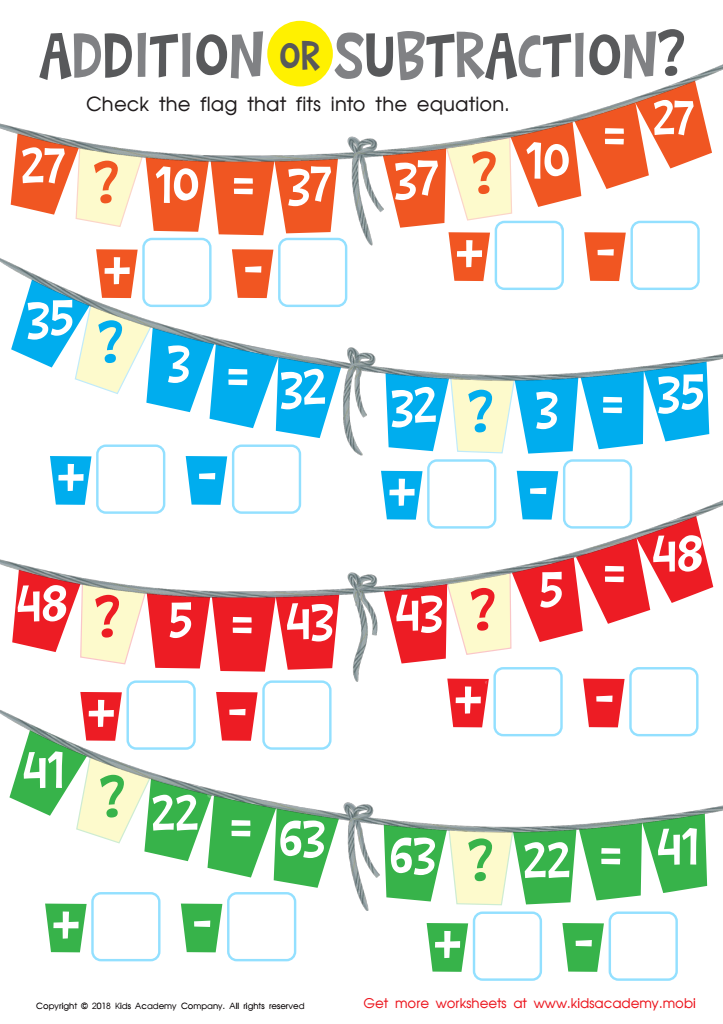
Addition or Subtraction? Worksheet








Mathematical reasoning is crucial for children aged 3-6, as it lays the foundation for their cognitive and academic development. During these formative years, children engage in activities that enhance critical thinking and problem-solving skills. When parents and teachers prioritize mathematical reasoning, they foster an environment that encourages curiosity and exploration of mathematical concepts, making learning enjoyable and memorable.
Early exposure to mathematical reasoning helps children develop an understanding of numbers, shapes, patterns, and relationships. It cultivates language skills, as they learn to articulate their thought processes and problem-solving strategies. This reasoning also promotes perseverance; children learn to tackle challenges, readjust strategies, and seek alternative approaches when met with obstacles.
Furthermore, a strong foundation in mathematical reasoning is linked to future academic success, particularly in subjects like science and technology. It supports the development of logical thinking and analytical skills, essential for problem-solving in everyday life. By nurturing these early mathematical skills, parents and teachers empower children to become confident learners, enabling them to approach new concepts with an open mind and resilience, which are essential traits for lifelong learning. Ultimately, prioritizing mathematical reasoning is investing in a child's future success and confidence.








