Mental math practice Normal Worksheets for Ages 3-6
5 filtered results
-
From - To
Boost your child's early math skills with our "Mental Math Practice Worksheets" designed specifically for ages 3-6. These engaging worksheets provide a fun and interactive way for young learners to enhance their number sense, improve calculation abilities, and develop confidence in their mathematical skills. Each worksheet includes a variety of activities that encourage children to practice addition, subtraction, and number recognition through playful exercises. Ideal for both classroom settings and at-home learning, our normal worksheets align with developmental milestones, fostering a love for math from a young age. Start enriching your child's learning journey today!
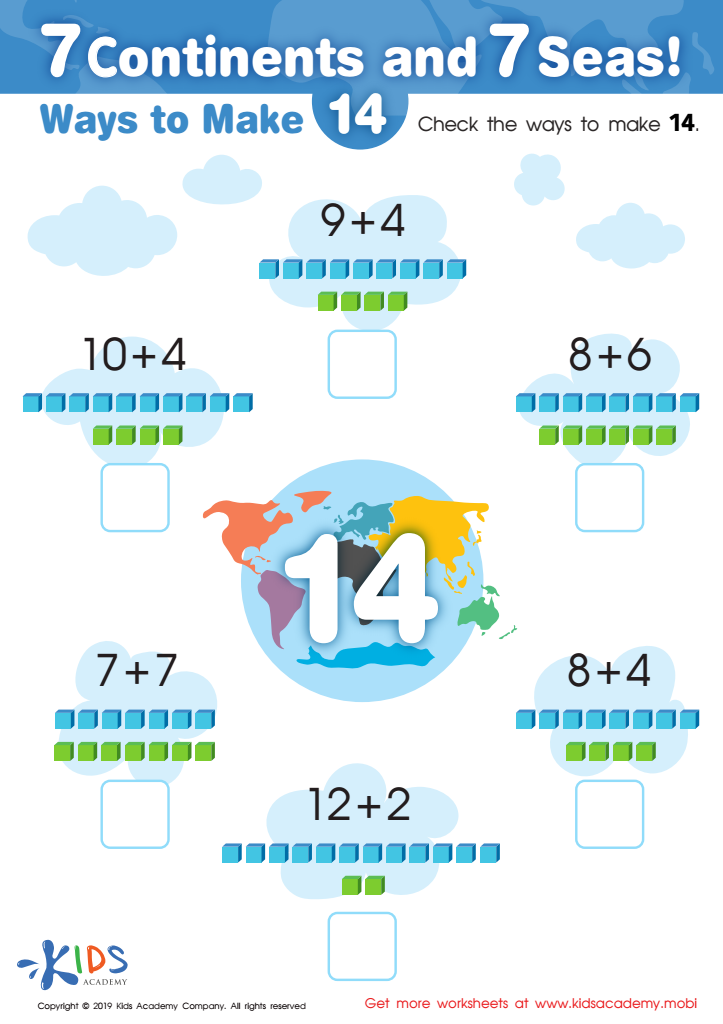
7 Continents and 7 Seas Worksheet
 Assign to My Students
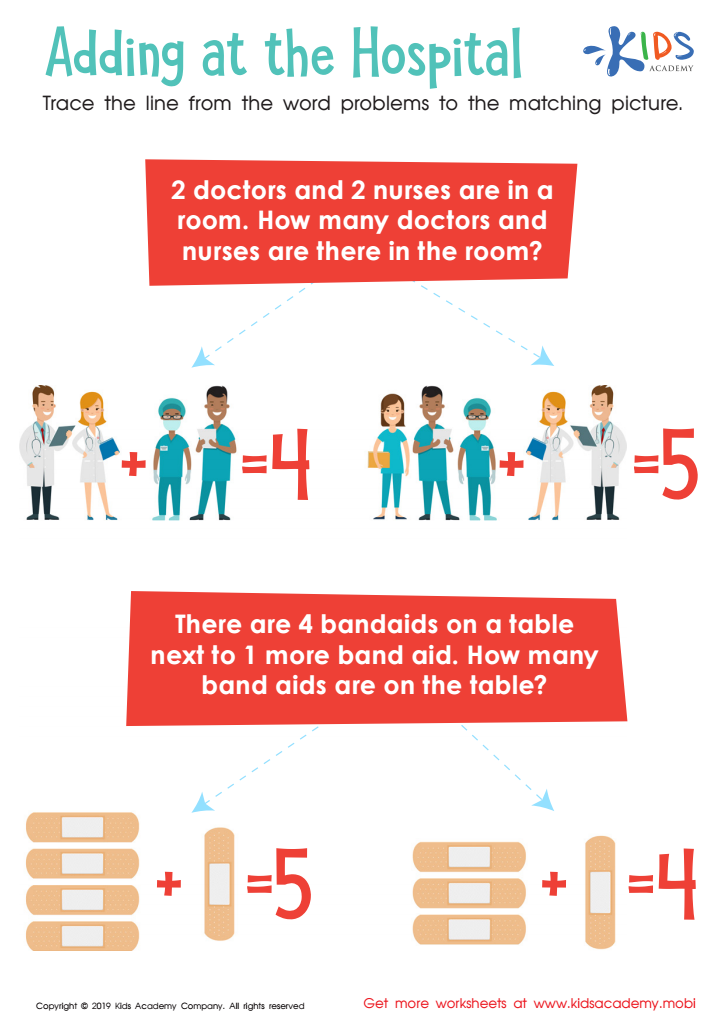
Adding at the Hospital Worksheet
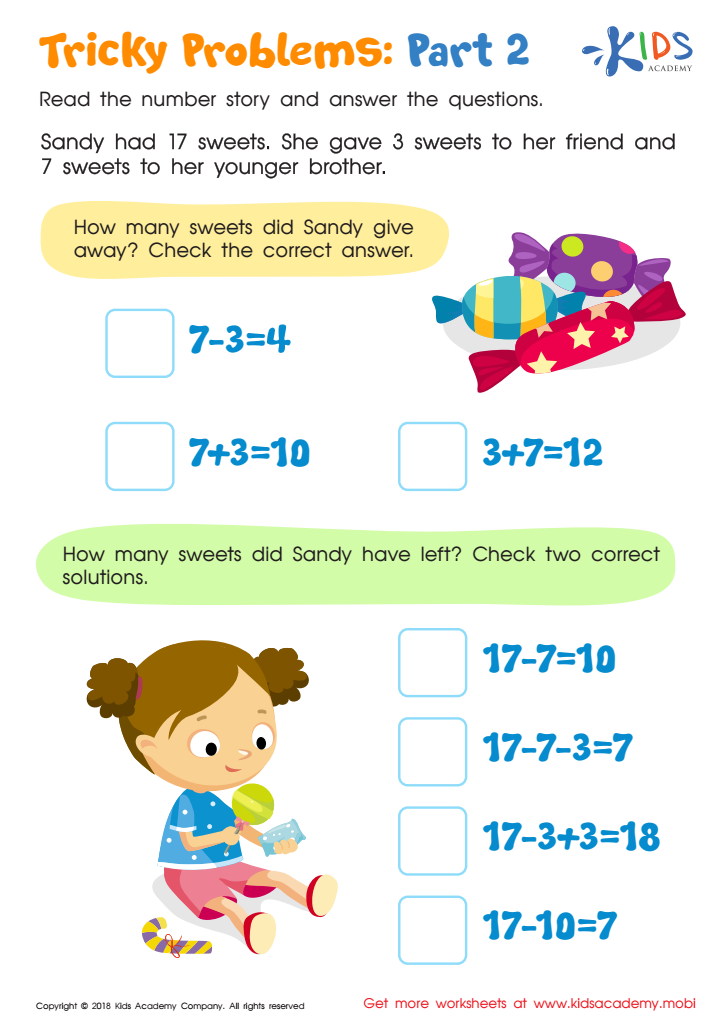
Tricky Problems Worksheet: Part 2
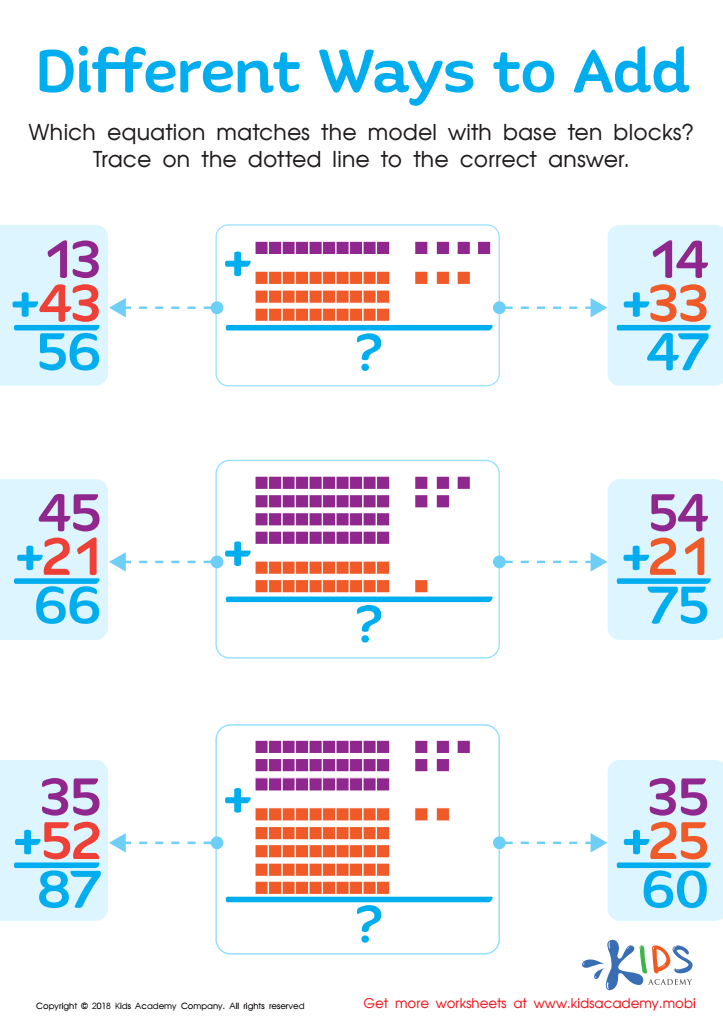
Different Ways to Add Worksheet
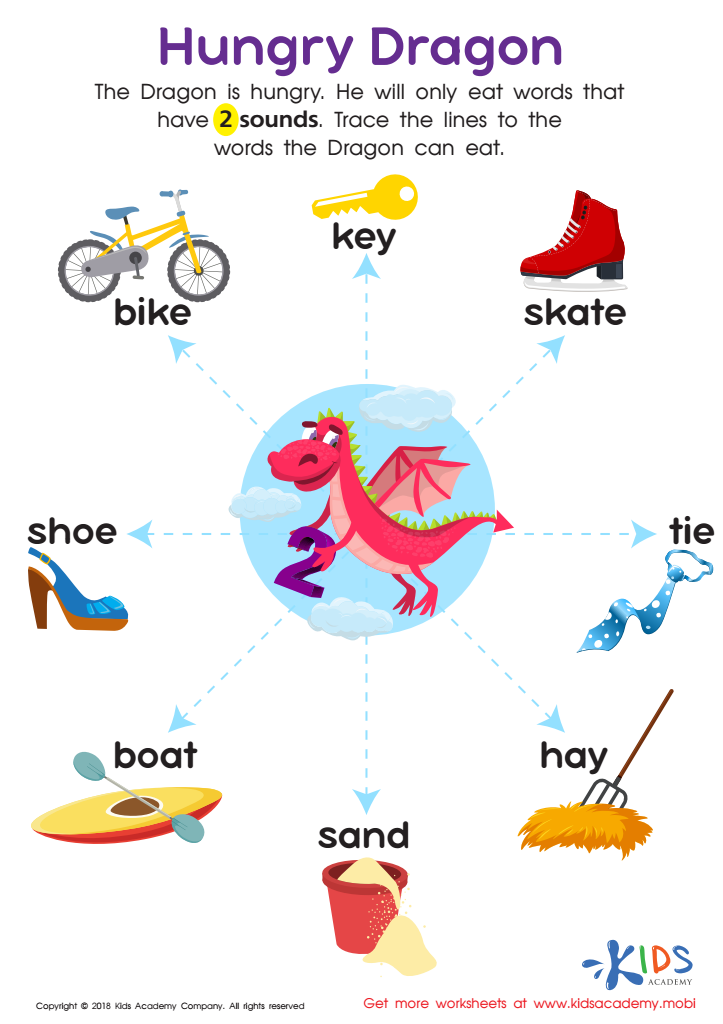
Hungry Dragon Worksheet






.jpg)

Mental math practice for children aged 3-6 is crucial for several reasons. At this early age, children's brains are highly receptive to learning and developing foundational skills that shape their future academic success. Mental math encourages cognitive development by enhancing problem-solving and critical thinking abilities. It helps young learners build a strong number sense, promoting their understanding of quantities, relationships, and simple mathematical operations.
Additionally, mental math fosters a positive attitude toward math, as children experience a sense of achievement when quickly solving problems in their heads. This confidence can significantly impact their future academic engagement. It also encourages the development of memory and concentration skills, which are beneficial across all areas of learning.
Moreover, incorporating mental math into daily activities makes learning fun and interactive, a key factor in maintaining the interest of young children. Parents and teachers can create games and challenges that promote mental calculation in a playful context, reinforcing concepts intuitively. By prioritizing mental math practice, parents and teachers help build a solid mathematical foundation, ideally positioning children for enhanced success as they progress through the education system and tackle more complex concepts in later years.








