Phonics development Normal Worksheets for Ages 3-6
3 filtered results
-
From - To
Unlock the world of reading with our Phonics Development Normal Worksheets designed for ages 3-6. These engaging, expertly-crafted resources help young learners master essential phonics skills, fostering early literacy in a fun and interactive way. With activities tailored to individual skill levels, kids practice letter recognition, sound blends, and foundational reading skills. Our printable worksheets make learning convenient and enjoyable, providing parents and educators with valuable tools for classroom and at-home education. Start building a strong reading foundation today and watch your child’s confidence and abilities soar with Kids Academy’s phonics worksheets!
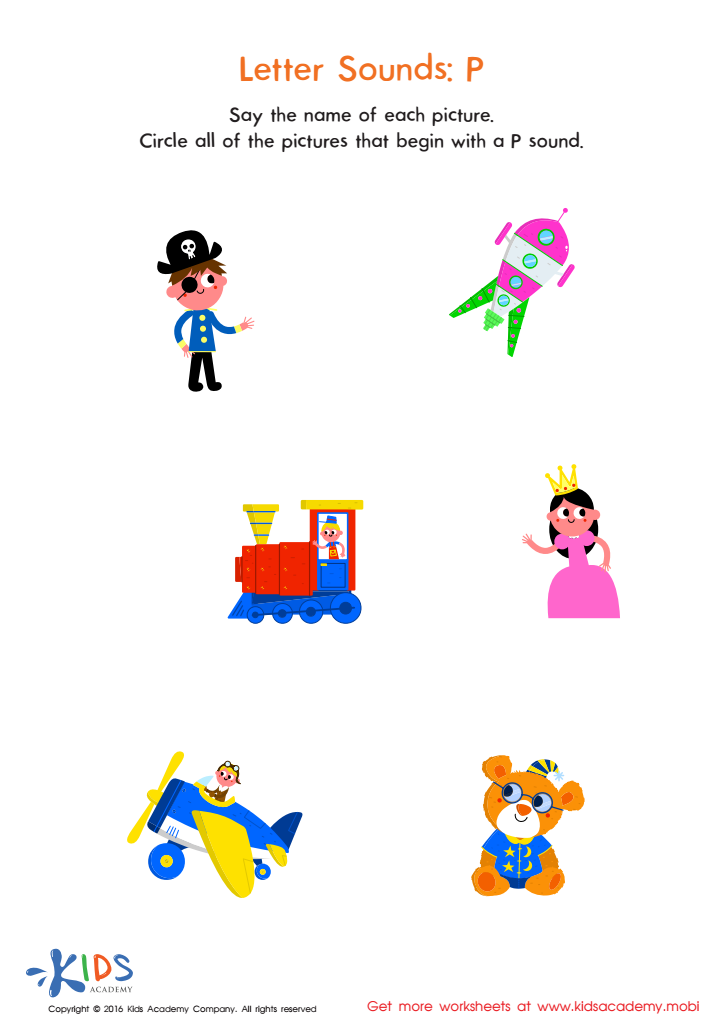
Letter P Sound Worksheet
 Assign to My Students
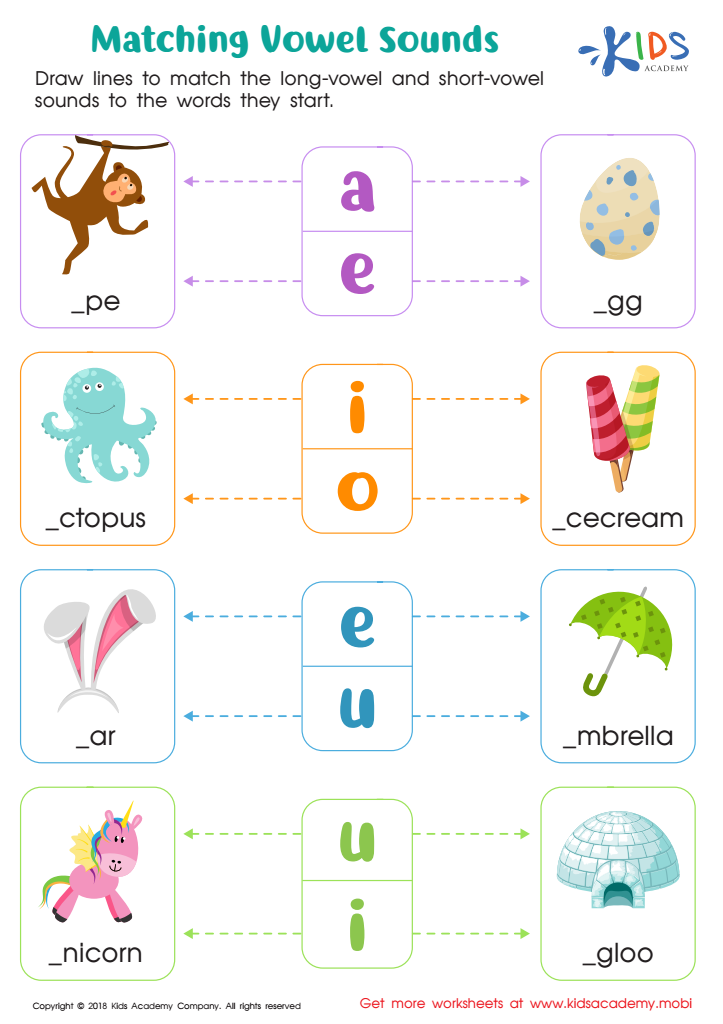
Matching Vowel Sounds Worksheet
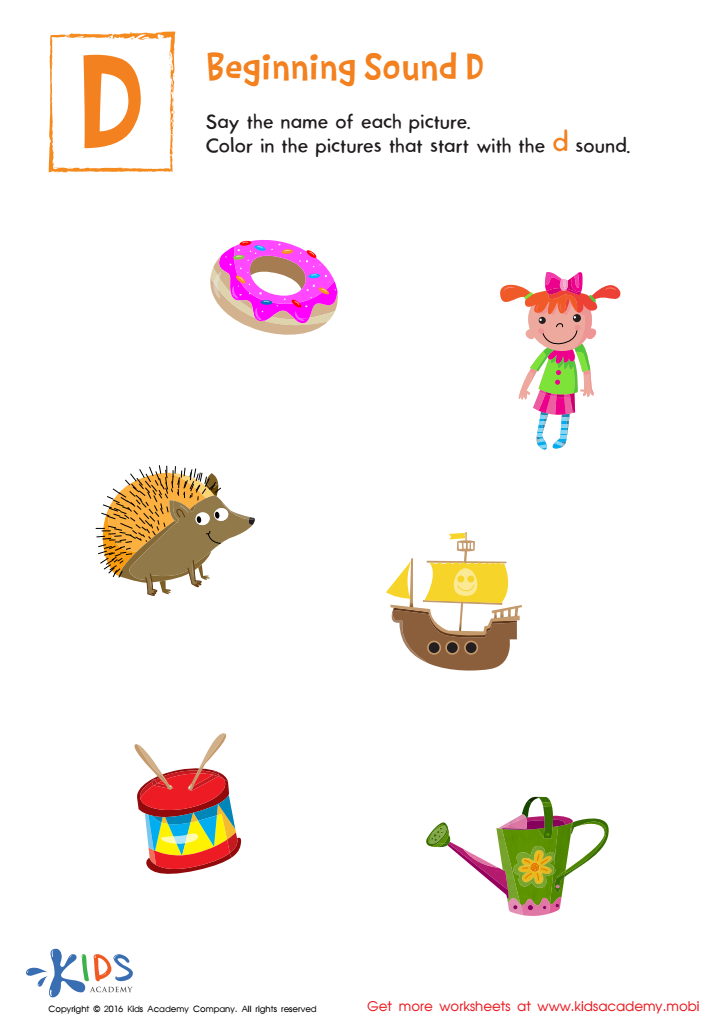
Beginning Sound D Worksheet








Phonics development is crucial for children aged 3-6 as it forms the foundation for reading and writing skills. At this stage, children's brains are highly receptive to language learning. Phonics helps them connect sounds with letters or groups of letters, enabling them to decode new words efficiently. This skill is essential for reading fluency and comprehension. When children understand the relationships between letters and sounds, they can build a robust vocabulary, which is instrumental for further learning and academic success.
Moreover, early phonics development promotes cognitive growth by enhancing memory, concentration, and auditory skills. It often leads to increased confidence as children realize they can read on their own. For parents and teachers, focusing on phonics also helps identify any early signs of reading difficulties, such as dyslexia, allowing timely intervention and support.
Engaging in phonics activities—like singing alphabet songs, playing sound-matching games, and reading aloud—makes learning enjoyable and interactive, fostering a love for reading from a young age. Thus, prioritizing phonics development for ages 3-6 equips children with essential literacy skills, instills a positive attitude towards learning, and lays the groundwork for their overall academic and personal success.








