Handwriting Skills Normal Math Worksheets for Ages 3-6
3 filtered results
-
From - To
Enhance your child's handwriting proficiency with our engaging Handwriting Skills Normal Math Worksheets designed for ages 3-6. These worksheets combine essential math concepts with fun handwriting practice, promoting fine motor skills and coordination. Featuring a variety of colorful activities, children will practice numbers, counting, and basic math operations while refining their penmanship. Each worksheet is designed to captivate young learners, encouraging them to write clearly and confidently. Ideal for preschool and kindergarten settings, our resources are perfect for parents and educators seeking to support early math and writing development. Discover the joy of learning and watch your child's skills flourish!
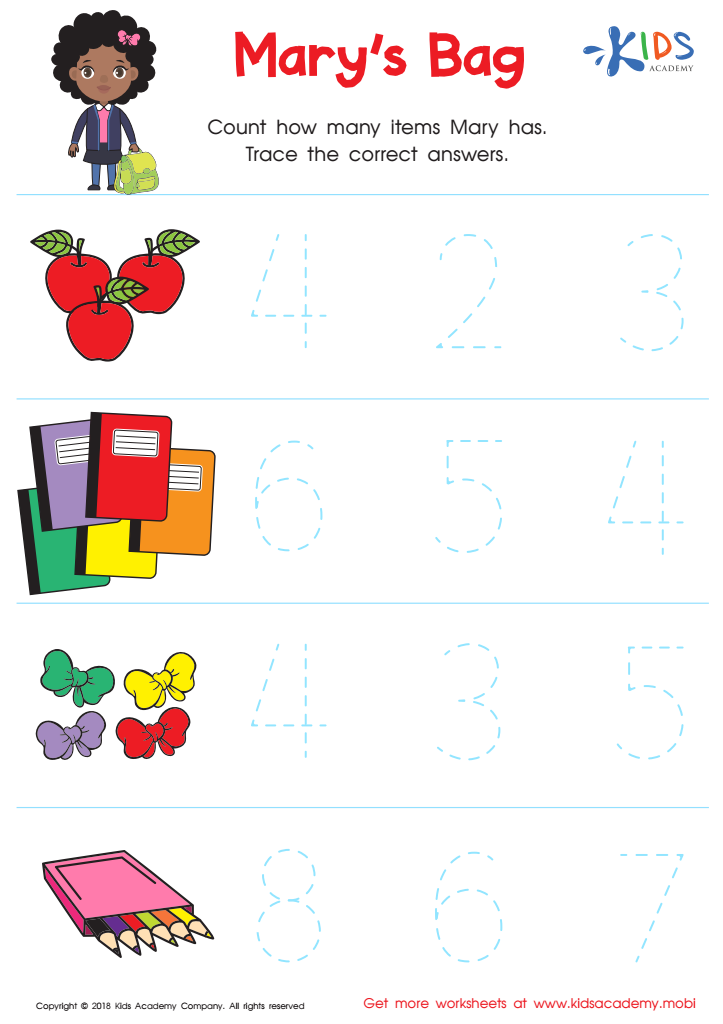
Kindergarten Number Tracing: Mary's Bag Worksheet
 Assign to My Students
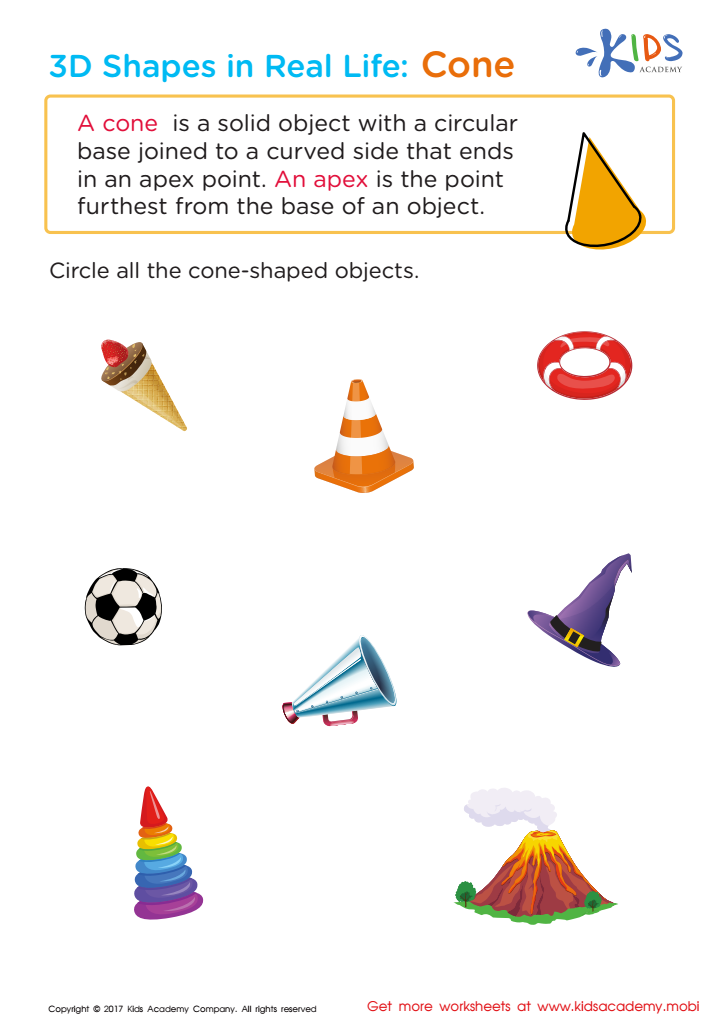
Shapes in Real Life: Cone Worksheet
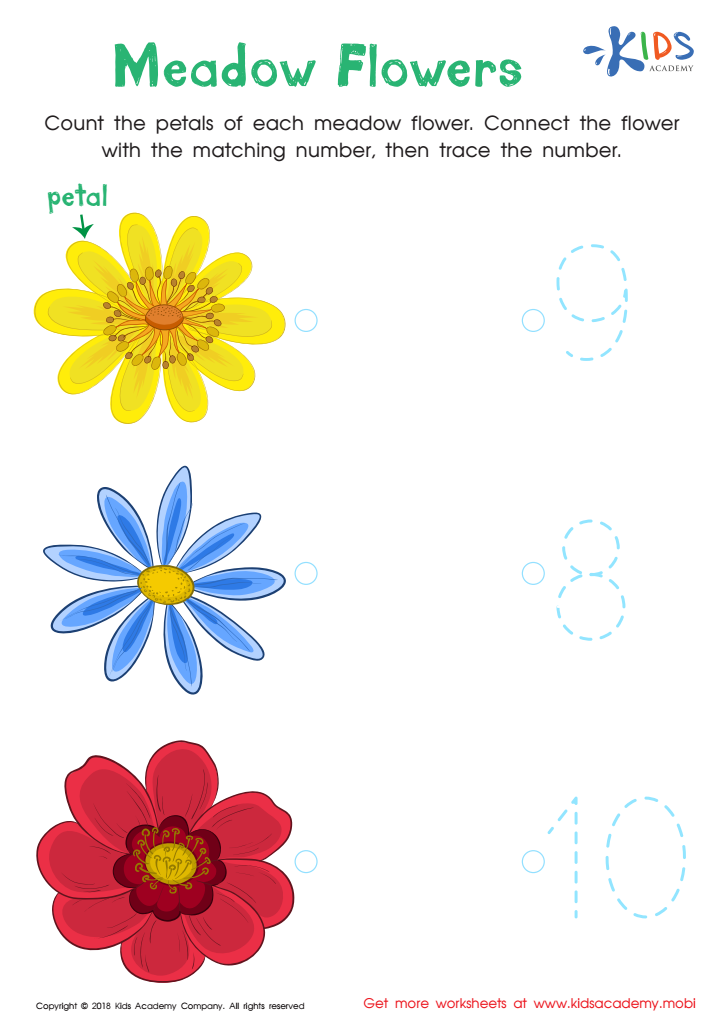
Kindergarten Number Tracing: Medow Flowers Worksheet



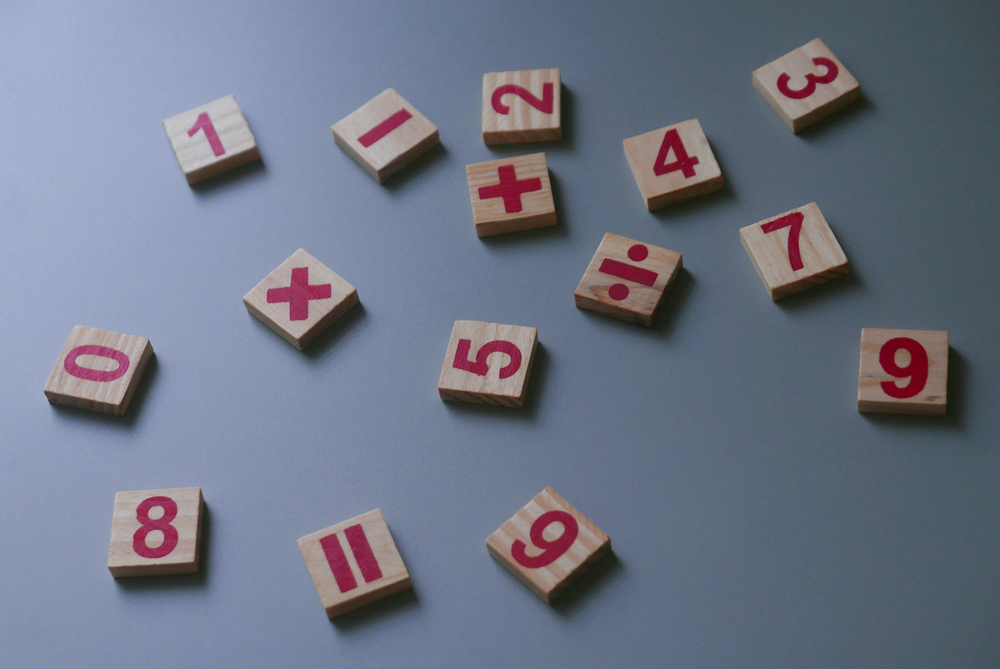
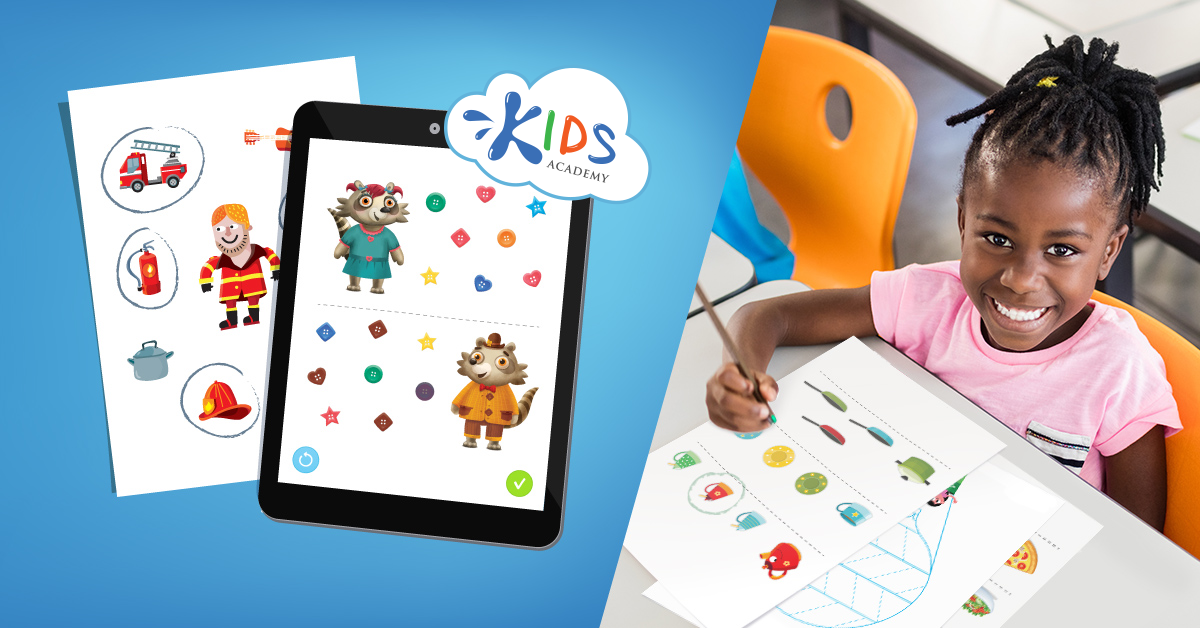



Parents and teachers should care about handwriting skills and normal math for ages 3-6 because these foundational abilities play a significant role in children's overall development. At this young age, children's fine motor skills are still developing, and handwriting is a crucial activity that enhances these skills. Practicing handwriting equips children with the dexterity needed for various tasks, fostering their ability to write and express their thoughts clearly as they grow.
Moreover, early math skills establish a groundwork for critical thinking and problem-solving. Basic mathematical concepts such as counting, sorting, and recognizing shapes enhance cognitive development. Engaging young children in hands-on activities with numbers cultivates a positive attitude toward mathematics, laying the groundwork for future learning.
Ultimately, nurturing handwriting and math skills at this stage boosts confidence and independence in young learners. These skills encourage effective communication and the ability to engage with their environment, fostering lifelong learning habits. Encouraging practice through fun activities helps create a solid foundation, supporting academic success and preparing them socially and emotionally for further educational pursuits. In summary, investing in handwriting and math skills during early childhood is essential for holistic development, setting children on a path toward positive learning experiences.








