
Vocabulary development Normal Matching Worksheets for Ages 3-6
3 filtered results
Difficulty Level
Grade
Age
-
From - To
Subject
Activity
Standards
Enhance your child's vocabulary with our engaging Normal Matching Worksheets designed for ages 3 to 6! These printable worksheets transform learning into a fun adventure, helping young learners associate words with images while improving their language skills. Each worksheet features colorful illustrations paired with commonly used words, making it easier for kids to memorize and understand new vocabulary. Ideal for parents and teachers, these worksheets foster early literacy and build a strong foundation for future learning. Download and print our vocabulary development worksheets today to support your child's educational journey and encourage a love for words!
Favorites
With answer key
Interactive
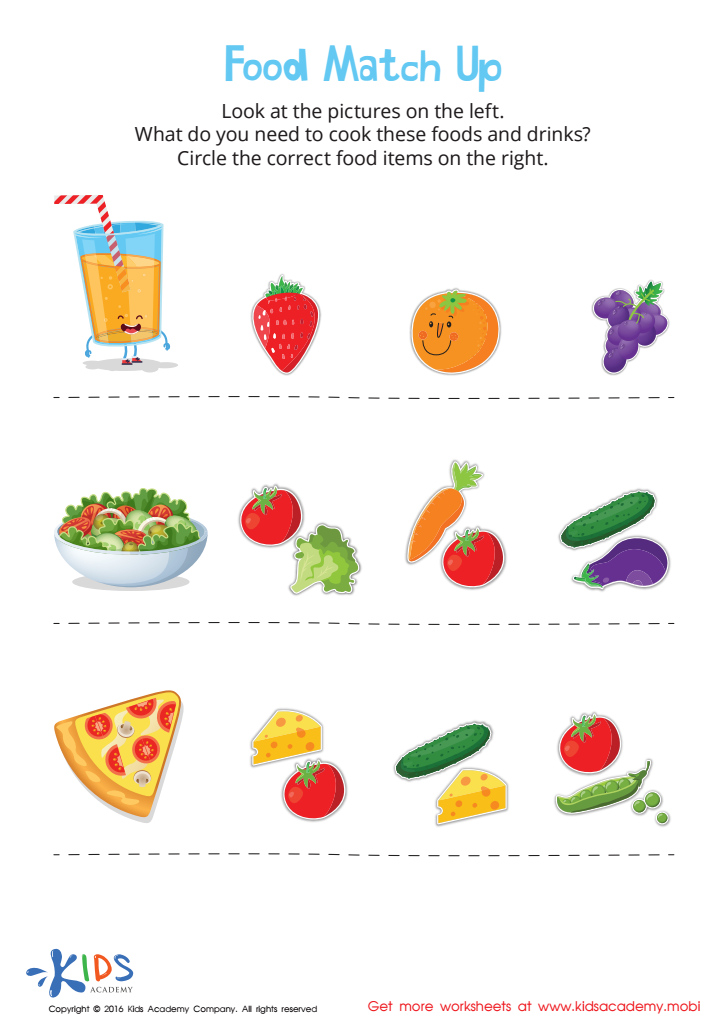
Food Match Up Worksheet
This worksheet will help your preschooler develop early math and cognitive skills. It challenges them to pay attention to details, understand how smaller parts make a whole, and increase important matching skills. Use it to give them a hands-on learning experience in the kitchen, and watch them understand how ingredients come together to make something delicious!
 Assign to My Students
Food Match Up Worksheet
Worksheet
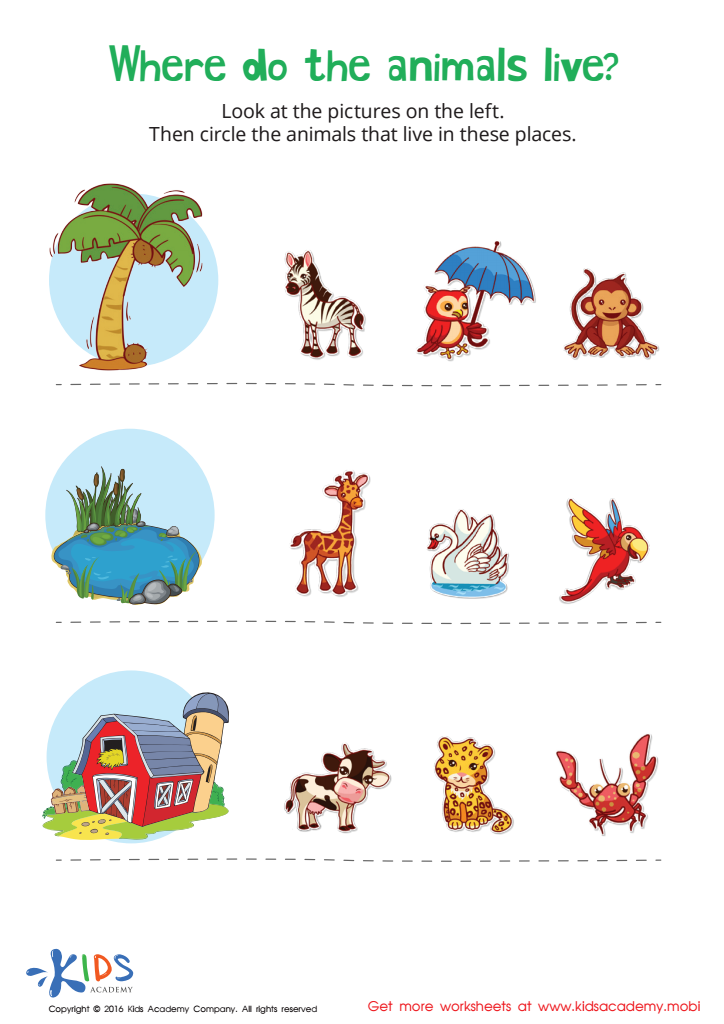
Where Animals Live Worksheet
Teaching early reading and math skills is important, but don't forget about science. With the Where Animals Live PDF worksheet, kids can identify their favorite animals and the environments they live in. Ask them what type of environment the animals like and introduce them to geography. It's great for logical reasoning and classification skills. Your kid will practice with their favorite animals and love the trip to the zoo afterwards!
Where Animals Live Worksheet
Worksheet
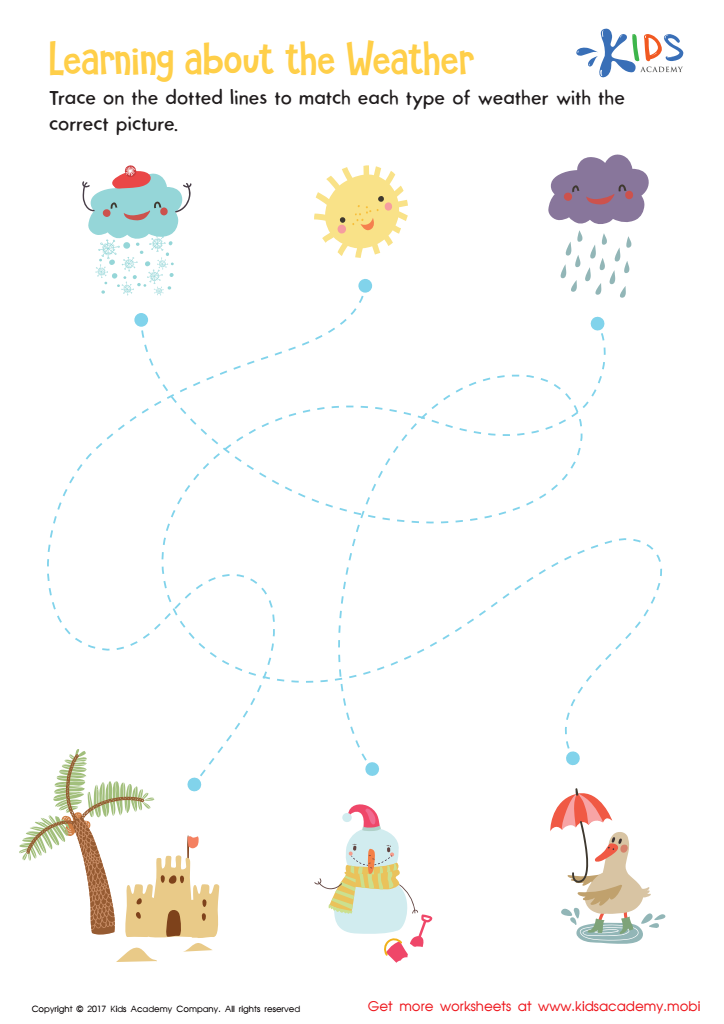
Join Kids Academy for Free
Who is primarily going to use this learning content?







Vocabulary development during the early years, particularly ages 3-6, plays a critical role in a child's overall cognitive, emotional, and social growth. Parents and teachers should prioritize this development because a robust vocabulary lays the foundation for effective communication skills, which are essential for academic achievement and interpersonal relationships.
At this stage, children are rapidly acquiring language skills, and their experiences with words can significantly impact their ability to understand and express complex ideas. Engaging children with a rich vocabulary allows them to build a deeper comprehension of the world around them, enhancing their critical thinking and problem-solving abilities.
Additionally, vocabulary is integral to literacy. Children with a broader vocabulary are more likely to become proficient readers, as they can decode text and comprehend meanings. This skill not only influences academic success but also fosters a lifelong love for reading.
Moreover, vocabulary development positively affects children's emotional intelligence. Understanding and using a diverse range of words enables children to articulate their feelings and thoughts, promoting better social interactions and emotional regulation.
In essence, investing in vocabulary development is crucial for holistic growth in young learners, setting them on a path to become confident, articulate, and successful individuals.








