Analytical skills Normal Building Vocabulary Worksheets for Ages 3-6
4 filtered results
-
From - To
Boost your child's analytical skills with our engaging Normal Building Vocabulary Worksheets designed for ages 3-6. These carefully crafted worksheets make learning fun and interactive, helping young learners develop critical thinking and problem-solving abilities while expanding their vocabulary. Each worksheet is tailored to guide children through essential language concepts, fostering curiosity and effective communication. Ideal for parents and educators, our resources support early literacy development in an enjoyable way. Help your little ones build confidence in their reading and reasoning skills with our vibrant, kid-friendly worksheets that will ignite their love for learning! Explore our collection today!
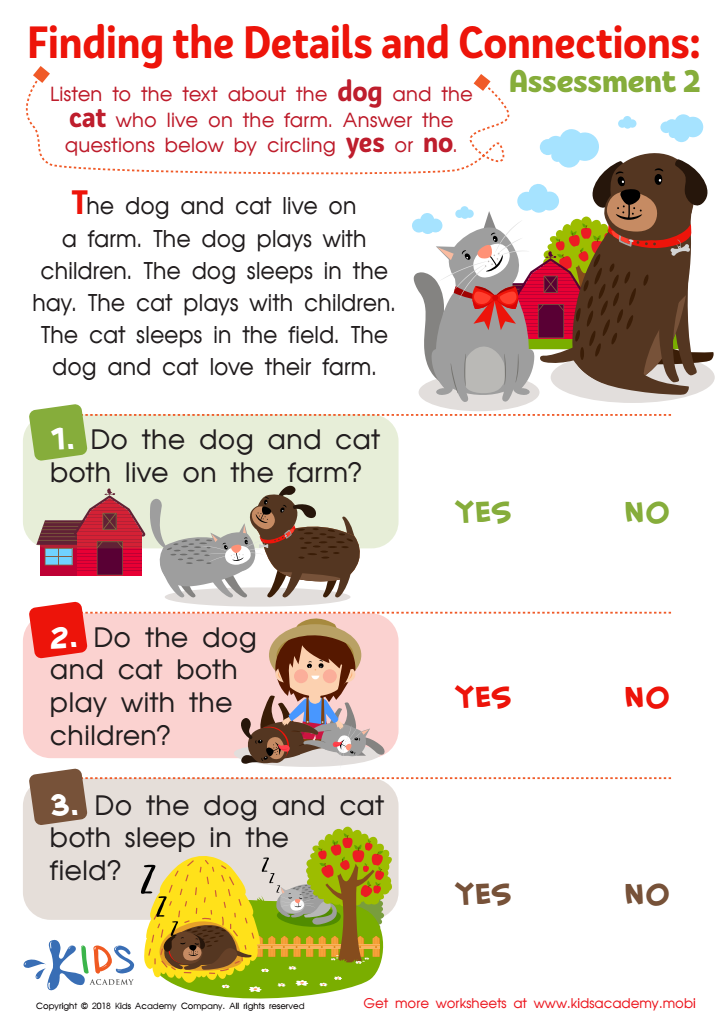
Finding the Details and Connections: Assessment 2 Worksheet
 Assign to My Students











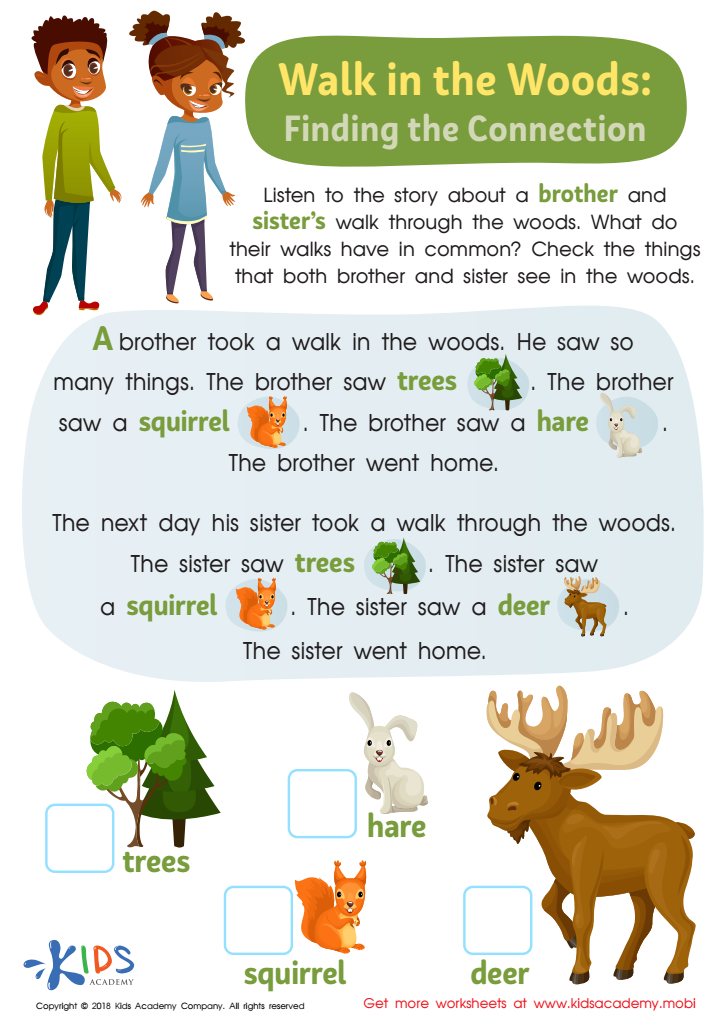
Walk In the Woods: Finding Connections Worksheet
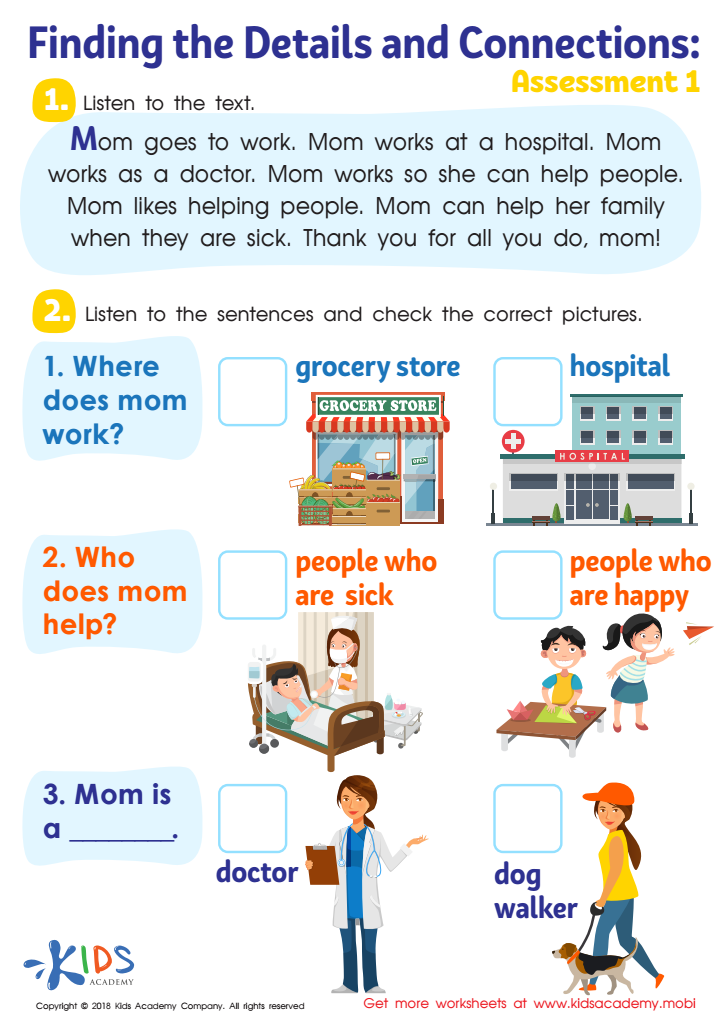
Finding the Details and Connections: Assessment 1 Worksheet
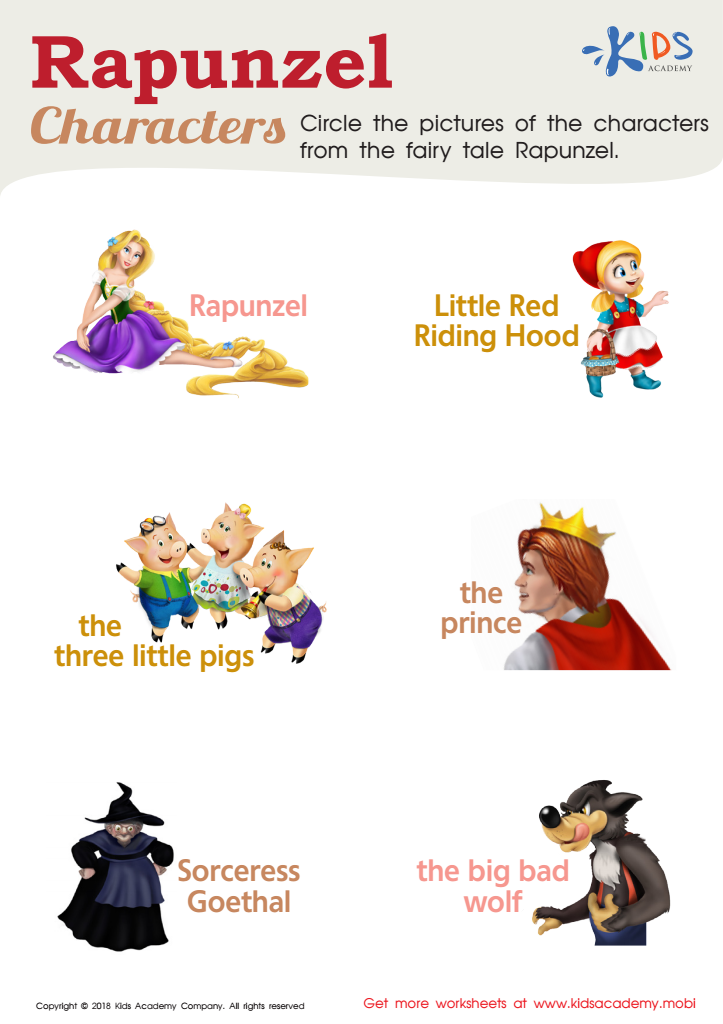
Rapunzel Characters Worksheet




.jpg)

.jpg)
Parents and teachers should prioritize developing analytical skills and building vocabulary for children ages 3-6 because these foundational abilities are crucial for future learning and overall cognitive development. Analytical skills, which involve evaluating, reasoning, and problem-solving, help young learners make sense of the world around them. Engaging in activities that promote these skills, like puzzles and simple logic games, encourages children to think critically and enhances their ability to navigate challenges.
Building a strong vocabulary is equally important during this developmental stage. A rich vocabulary not only enhances communication but also boosts reading comprehension and academic performance later in life. When children encounter new words and concepts early on, they become more confident in expressing their thoughts and understanding instructions. It sets the groundwork for language development and literacy skills.
Moreover, integrating these skills into everyday interactions makes learning enjoyable and relatable. Conversations, storytelling, and interactive play can facilitate vocabulary expansion while fostering analytical thinking. By focusing on these areas, parents and teachers provide children with the tools they need to become successful learners, encouraging curiosity, creativity, and a love for learning that will benefit them throughout their educational journey and beyond.








