Logical Reasoning Normal Building Vocabulary Worksheets for Ages 3-6
4 filtered results
-
From - To
Enhance your child's learning journey with our Logical Reasoning and Building Vocabulary Worksheets, tailored for ages 3-6! Designed to stimulate young minds, these printable worksheets foster critical thinking while expanding vocabulary in an engaging way. Each activity blends logical reasoning exercises with fun language tasks, helping children develop essential skills for early literacy and cognitive development. Your little ones will enjoy a variety of stimulating challenges, ensuring an interactive learning experience. With our resources, you can support your child's growth in a creative and enjoyable manner, laying a solid foundation for lifelong learning. Start exploring the exciting world of logic and language today!
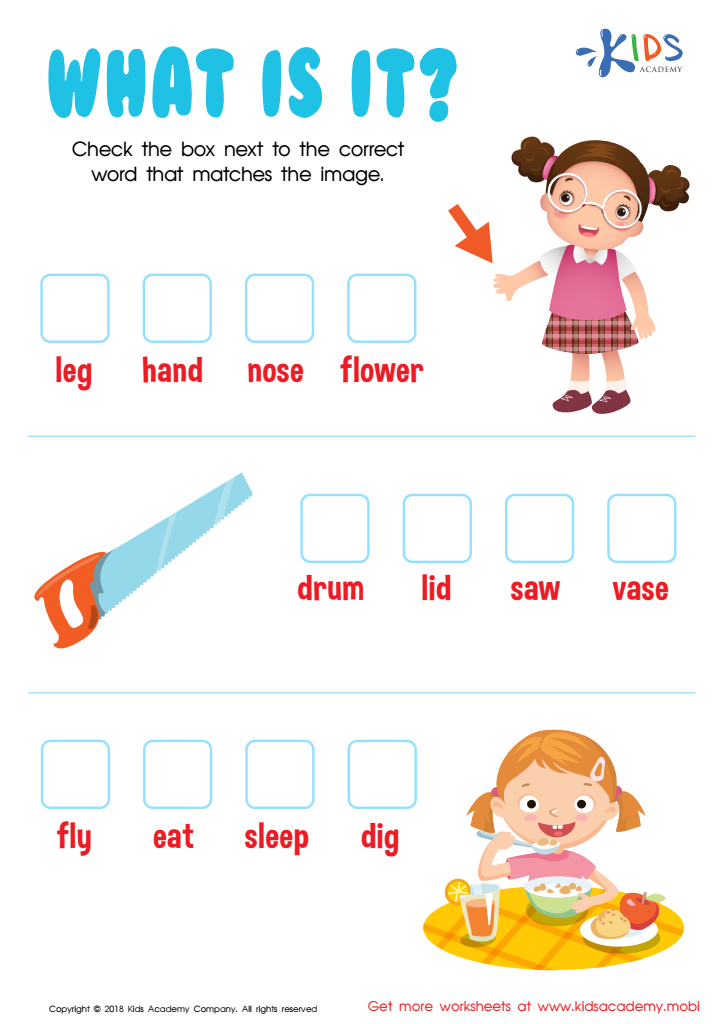
What Is It? Worksheet
 Assign to My Students











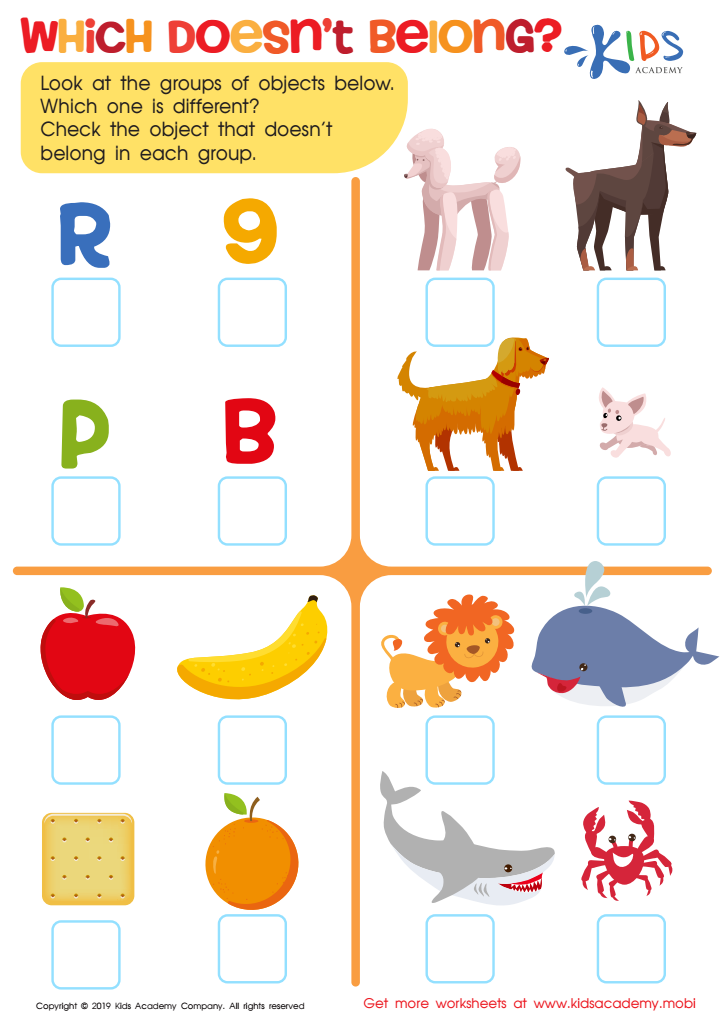
Which Doesn't Belong? Worksheet
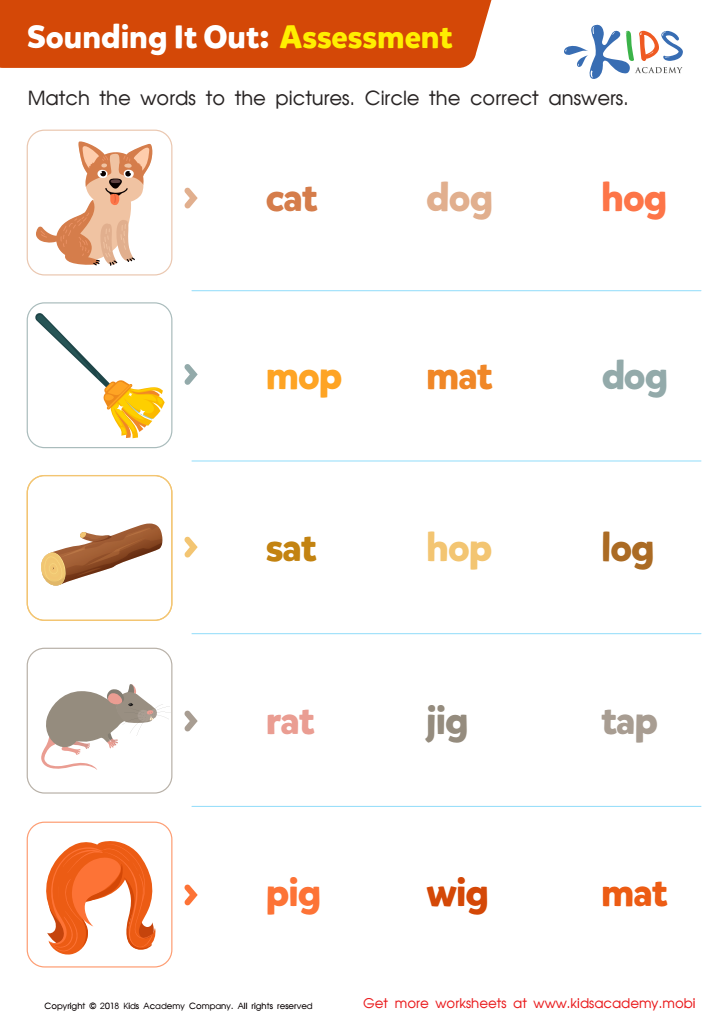
Sounding it Out: Assessment Worksheet
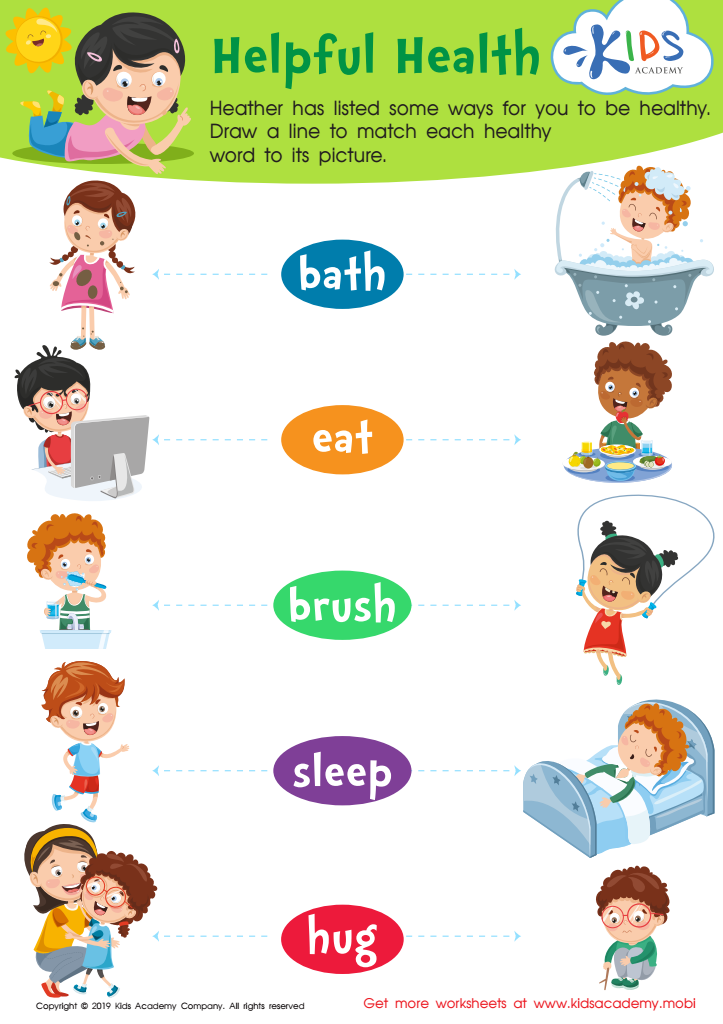
Helpful Health Worksheet


.jpg)
.jpg)




Parents and teachers should prioritize building logical reasoning and vocabulary skills in young children (ages 3-6) as these foundational abilities have a profound impact on overall cognitive development. Young children naturally explore the world around them, and developing strong logical reasoning skills empowers them to analyze and solve problems, make connections, and understand cause-and-effect relationships. This critical thinking skill set is essential for academic success and lifelong learning, fostering a child's ability to approach complex tasks intelligently.
Additionally, vocabulary development during these early years is crucial. A rich vocabulary not only enhances communication skills but also allows children to express their thoughts, emotions, and ideas more clearly. It is linked to reading comprehension, writing proficiency, and future academic achievements. When children can articulate themselves well and understand a diverse range of words, they become more confident learners and are better equipped to engage with challenging concepts.
Supporting a child’s logical reasoning and vocabulary growth through interactive activities, games, and thoughtful conversations provides a strong foundation that rivals the significance of traditional subjects. Educators and parents play a pivotal role in preparing children for success in school and beyond by nurturing these essential skills. Ultimately, investing time and resources in these areas cultivates well-rounded, independent thinkers.








