Reading Skills Normal Reading Worksheets for Ages 3-6
6 filtered results
-
From - To
Discover our engaging and interactive Normal Reading Worksheets, designed specifically for children aged 3-6, to enhance their reading skills. Tailored to support early literacy development, these worksheets feature fun activities that captivate young learners while promoting essential reading competencies. From letter recognition to simple word associations, each worksheet provides a structured approach to learning, fostering confidence and interest in reading. Ideal for parents and educators, our resources encourage creative learning at home or in the classroom. Help your child unlock the magical world of stories with our delightful reading skill worksheets, promoting readiness for future academic success! Explore more today!
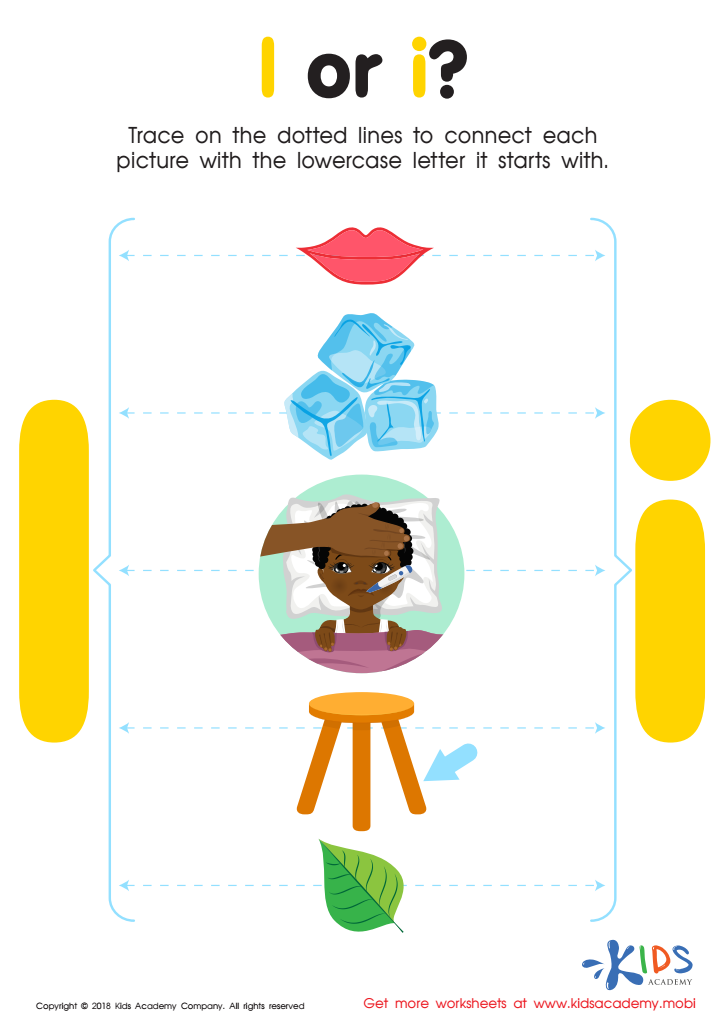
l or i? Worksheet
 Assign to My Students
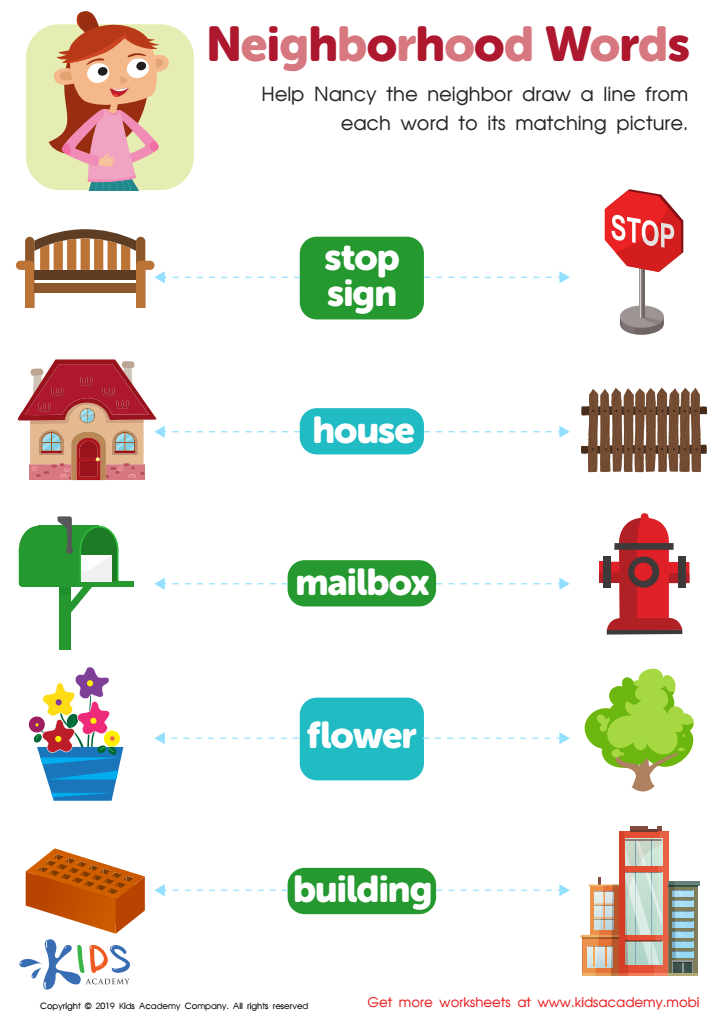
Neighborhood Words Worksheet
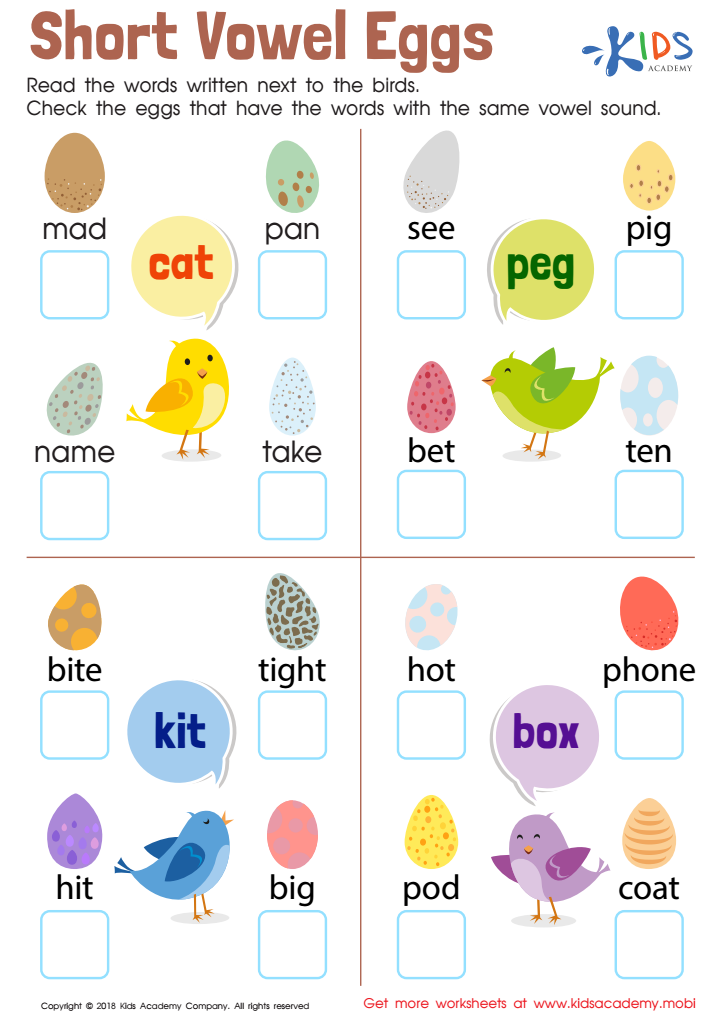
Short Vowel Eggs Worksheet
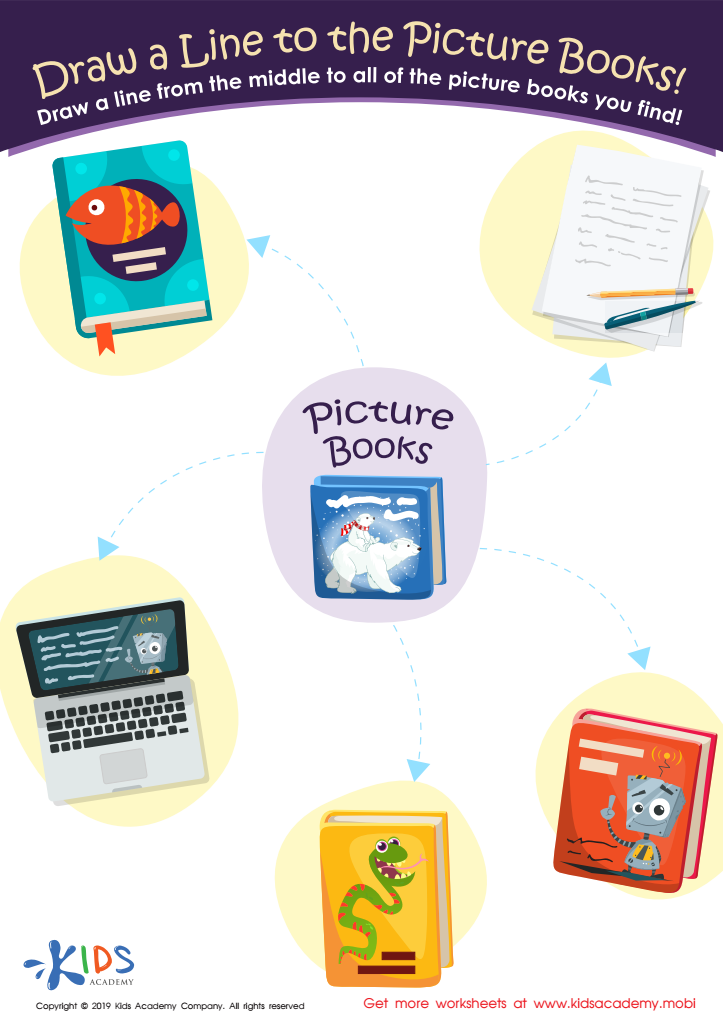
Draw a Line to the Picture Books Worksheet
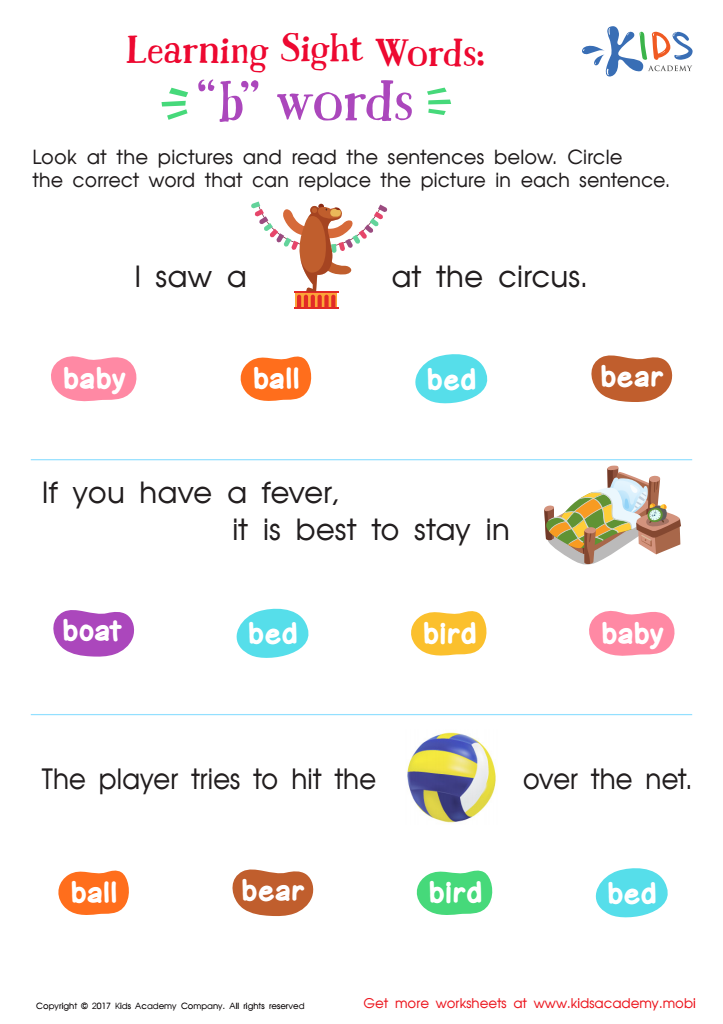
"B" Words Printable Sight Words Worksheet
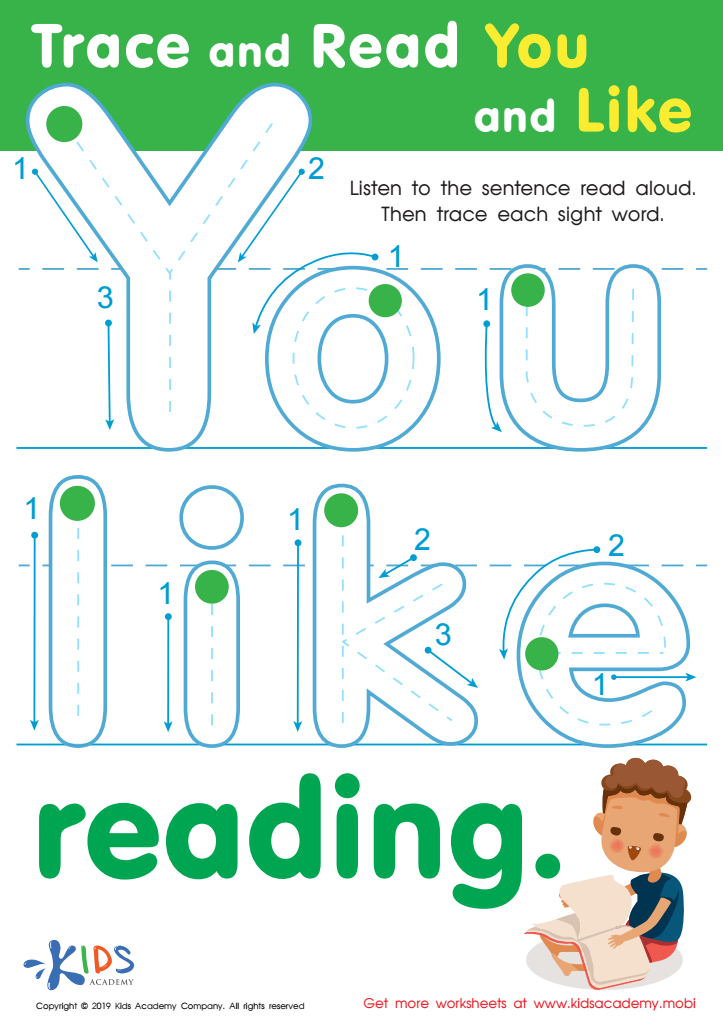
Trace Read You Like Worksheet








Supporting reading skills in children aged 3-6 is crucial for several reasons. At this formative stage, children are like sponges, absorbing language, vocabulary, and comprehension skills that set the foundation for future learning. Exposure to books and reading activities fosters a love for literature, intrinsically motivating them to learn. Parents and teachers play key roles in nurturing this enthusiasm by providing engaging reading experiences, which enhance cognitive development and critical thinking.
Good reading skills benefit children's academic performance as they begin their formal education. Early readers typically demonstrate greater proficiency in writing, comprehension, and verbal communication. This early literacy proficiency often translates into lifelong advantages, including improved self-confidence and better performance across subjects.
Moreover, engaging children in reading enhances their social-emotional development. Storytelling cultivates empathy by allowing children to identify with characters and situations, promoting emotional intelligence.
Ultimately, when parents and teachers prioritize reading skills for 3-6-year-olds, they not only enrich their current educational experiences but also empower them for future academic pursuits and lifelong learning. Investing time in reading together can unlock countless opportunities and foster a bright future for our youngest learners.








