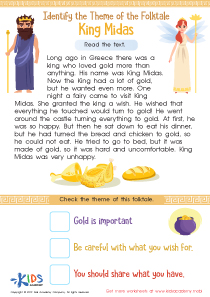
Sound recognition Normal Reading Worksheets for Ages 3-6
3 filtered results
-
From - To
Discover our engaging Sound Recognition Normal Reading Worksheets designed specifically for children aged 3-6! These interactive worksheets help young learners develop essential phonemic awareness by recognizing and distinguishing different sounds. With vibrant illustrations and entertaining activities, your child will enjoy practicing sound identification in a fun and meaningful way. Each worksheet is tailored to promote early literacy skills, making them perfect for preschool and kindergarten settings. Enhance your little one’s reading foundation as they complete matching games, write letters, and explore phonics exercises. Download our worksheets today and inspire a love of reading that will last a lifetime!
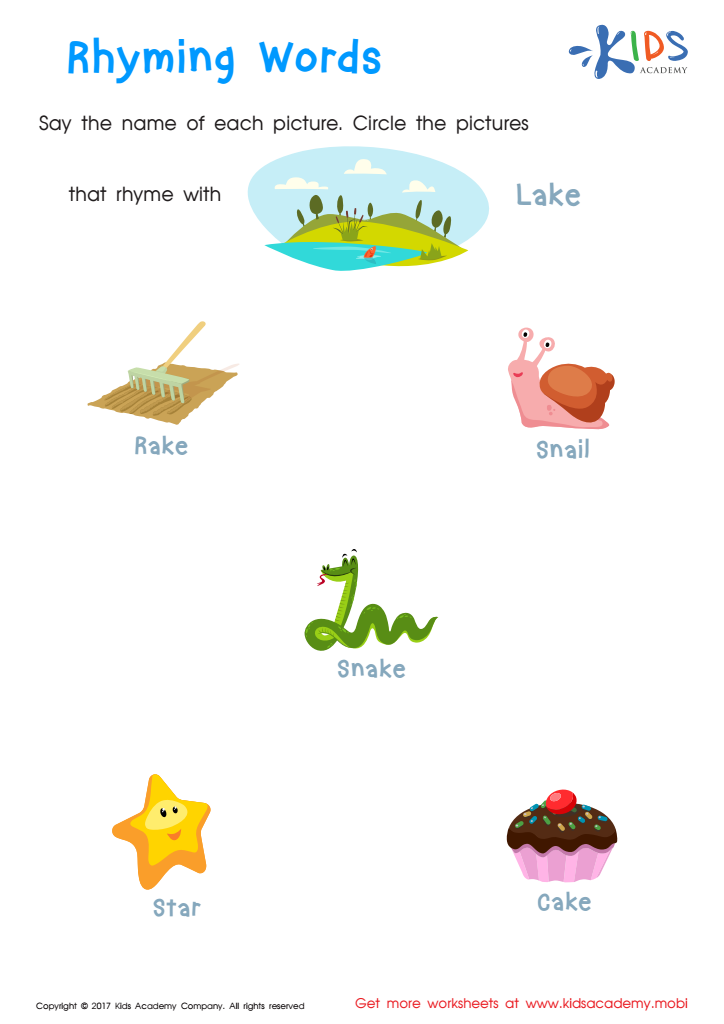
Rhyming Words Rhyming Worksheet
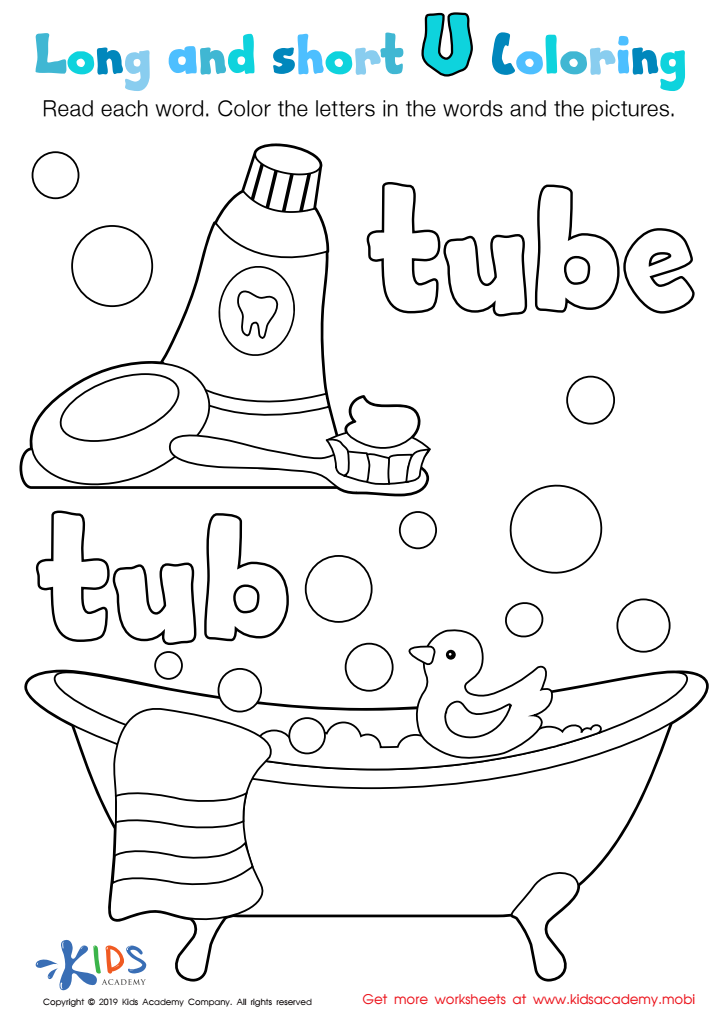
Long and Short U Worksheet
 Assign to My Students
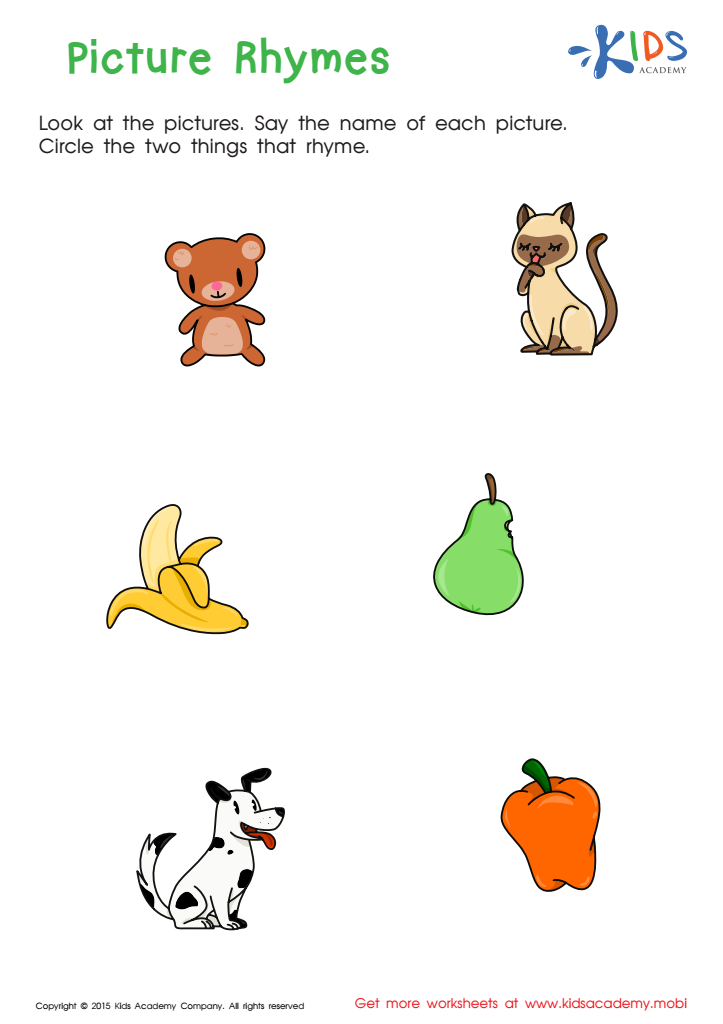
First Words: Picture Rhymes Worksheet







Parents and teachers should prioritize sound recognition and normal reading for children ages 3-6, as these foundational skills are critical for future literacy development. At this early age, children are rapidly developing their cognitive and auditory processing abilities. Sound recognition—identifying and distinguishing between different sounds—plays a crucial role in helping young learners understand language complexities, phonics, and word formation.
Engaging children in sound recognition supports their ability to hear individual sounds in words, which is essential for reading. Activities like rhyming games, read-aloud sessions, and phonetic exercises can improve listening skills, auditory discrimination, and phonological awareness. These skills are predictive of later reading proficiency, making early sound recognition a strong indicator of future academic success.
Moreover, fostering a love for reading during these formative years enhances vocabulary acquisition, comprehension skills, and critical thinking. It instills a sense of curiosity and love for learning, setting the stage for lifelong educational engagement. Involving parents, by providing guidance on interactive reading strategies and sound games, creates a supportive learning environment. This partnership enhances children’s overall development, enabling them to thrive both in school and beyond.