Comprehension skills Normal Reading Comprehension Worksheets for Ages 3-6
5 filtered results
-
From - To
Enhance your child's reading journey with our engaging Normal Reading Comprehension Worksheets, specifically designed for ages 3-6. These worksheets provide a fun and interactive way for young learners to develop essential comprehension skills. By incorporating vibrant illustrations and simple texts, children can practice understanding stories, answering questions, and making predictions. Our thoughtfully crafted activities foster critical thinking and improve vocabulary, ensuring a well-rounded learning experience. Perfect for parents and educators alike, these worksheets make reading an enjoyable and enriching adventure. Explore our collection today to help your little ones build a strong foundation in comprehension skills while sparking their love for reading!
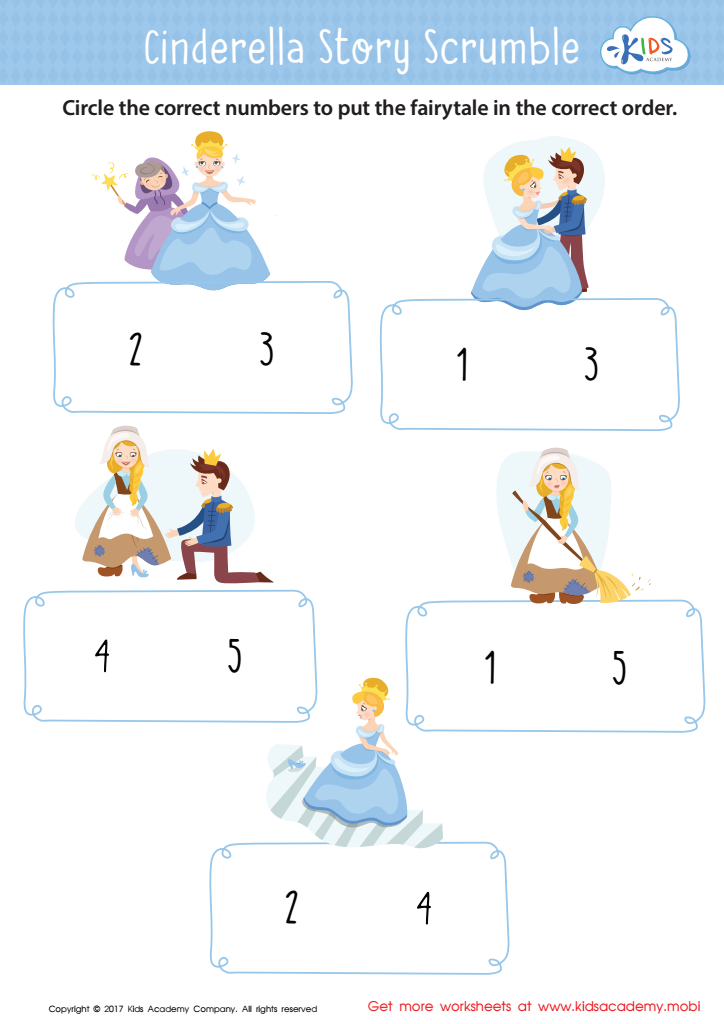
Cinderella Story Sequencing Worksheet
 Assign to My Students
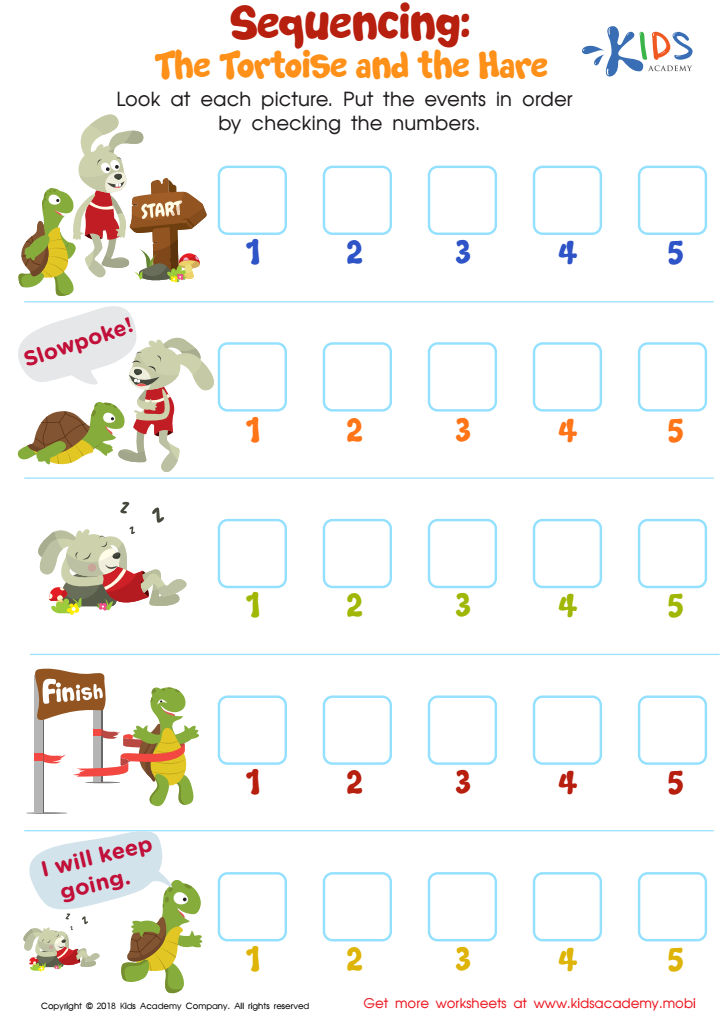
Sequencing: The Tortoise and the Hare Worksheet
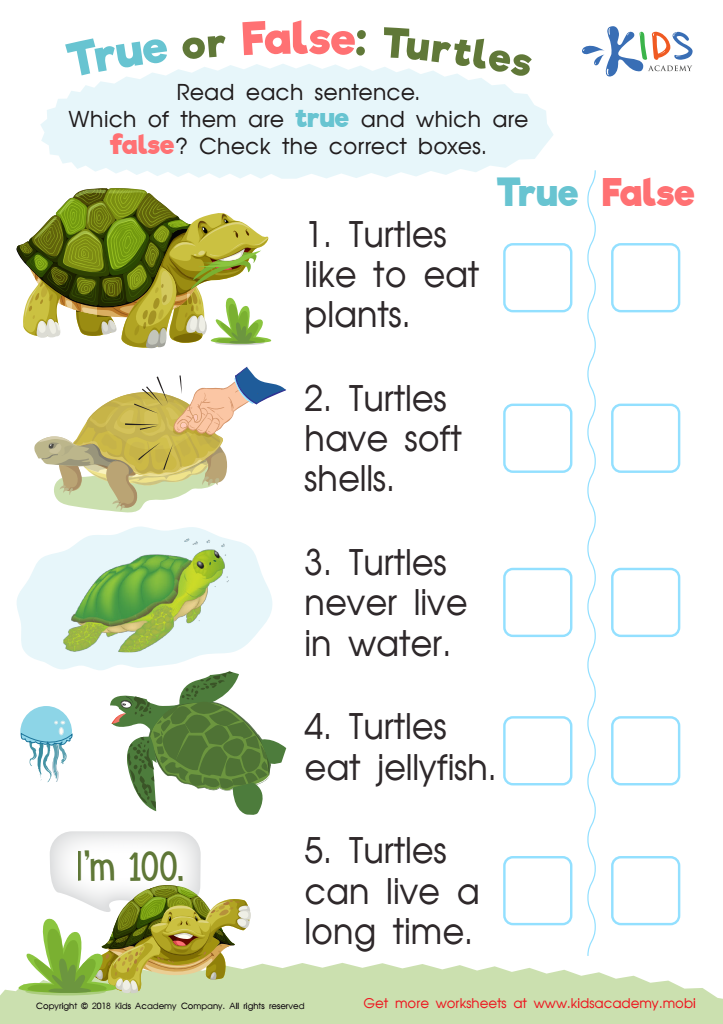
True or False: Turtles Worksheet
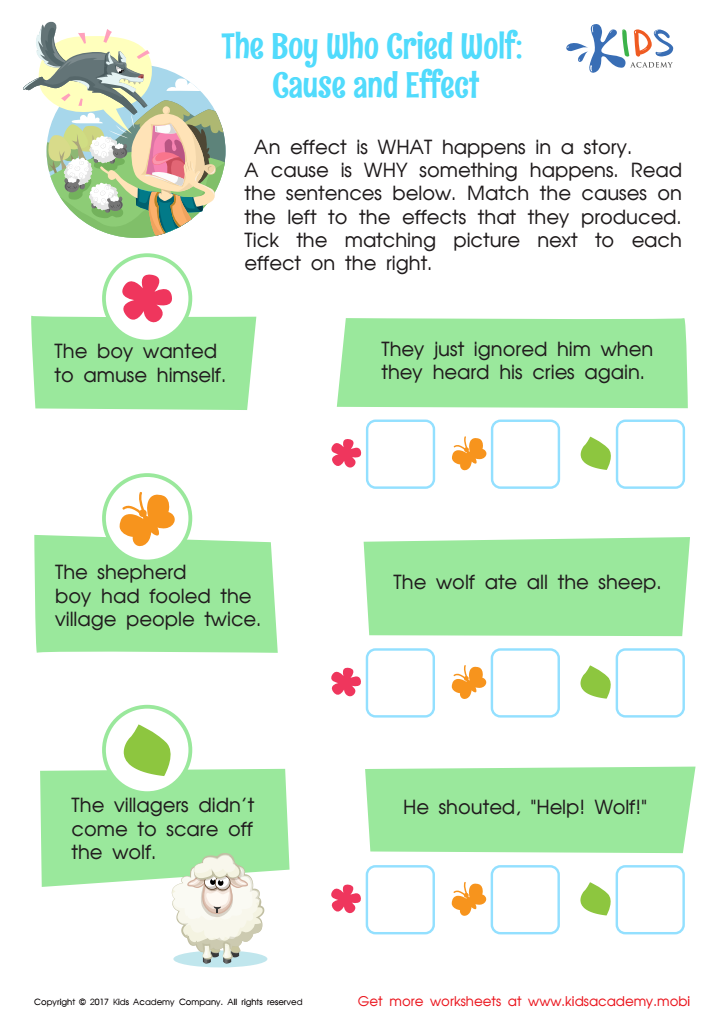
The Boy Who Cried Wolf: Cause and Effect Worksheet
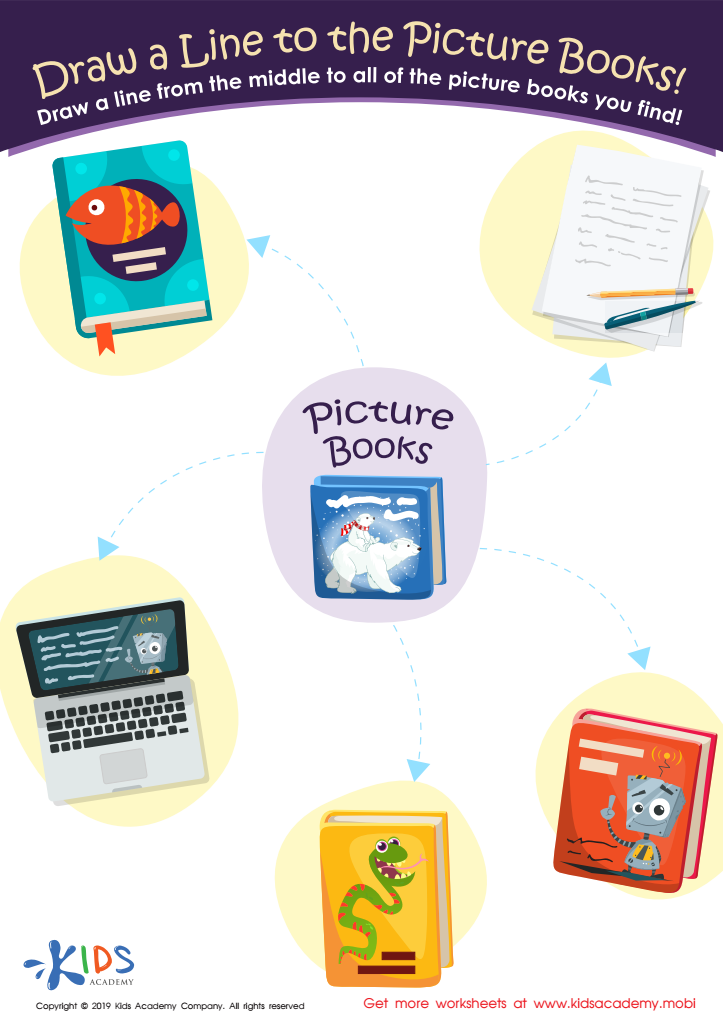
Draw a Line to the Picture Books Worksheet







.jpg)
Comprehension skills in young children, especially those aged 3-6, serve as a foundation for lifelong learning and academic success. At this early developmental stage, children begin to make sense of stories, understand emotions, and connect events, fostering critical cognitive skills that are essential for future academic achievement.
Parents and teachers play a pivotal role in nurturing these skills. Engaging young children in discussions about stories promotes vocabulary development, critical thinking, and the ability to predict outcomes, all of which are vital components of reading comprehension. When children can express what they understand, question characters’ motives, or predict what might happen next, they develop a deeper connection to the material.
Moreover, literacy at this age is intricately linked to social-emotional development. Through stories, children learn empathy and perspective-taking, helping them navigate their social worlds effectively. By prioritizing comprehension skills, parents and teachers empower children to become not only proficient readers but also thoughtful individuals who can engage with texts meaningfully.
Ultimately, strong comprehension skills enhance academic achievement across all subjects, prove beneficial in personal development, and lay the groundwork for lifelong learning and curiosity. Investing time and resources into fostering these skills thus yields significant long-term benefits for children.








