
Following instructions Normal Reading Comprehension Worksheets for Ages 3-6
3 filtered results
Difficulty Level
Grade
Age
-
From - To
Subject
Activity
Standards
Enhance your child's reading comprehension with our "Following Instructions Normal Reading Comprehension Worksheets" designed for ages 3-6. These engaging worksheets help young learners develop crucial skills by emphasizing the importance of following directions. Each activity features simple instructions and age-appropriate content, ensuring that children not only improve their reading abilities but also gain confidence in understanding and executing tasks. Ideal for both classroom and home use, our resources make learning fun and interactive. Foster a love for reading while instilling important skills in your child with our expertly crafted worksheets! Promote effective learning today with our captivating resources.
Favorites
With answer key
Interactive
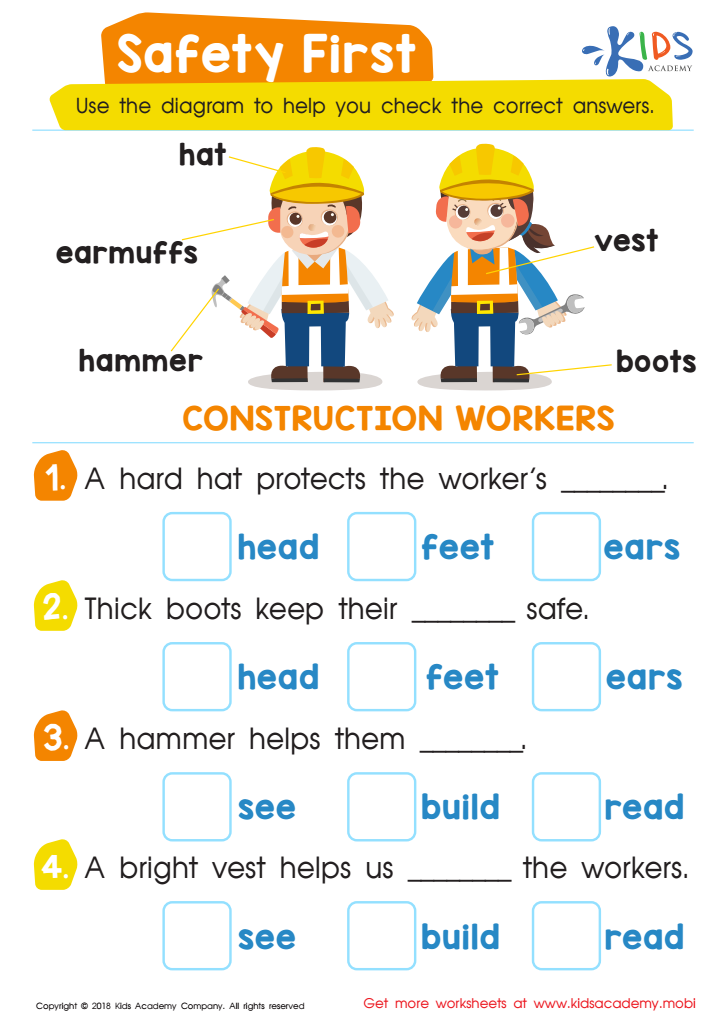
Safety First Worksheet
Diagrams can be informative but inference is key. This worksheet contains diagrams of construction worker equipment. Get your little one to use prior knowledge to work out the uses and protection of each part. Then read the sentences and check the correct answer that fills in the blanks!
Safety First Worksheet
Worksheet
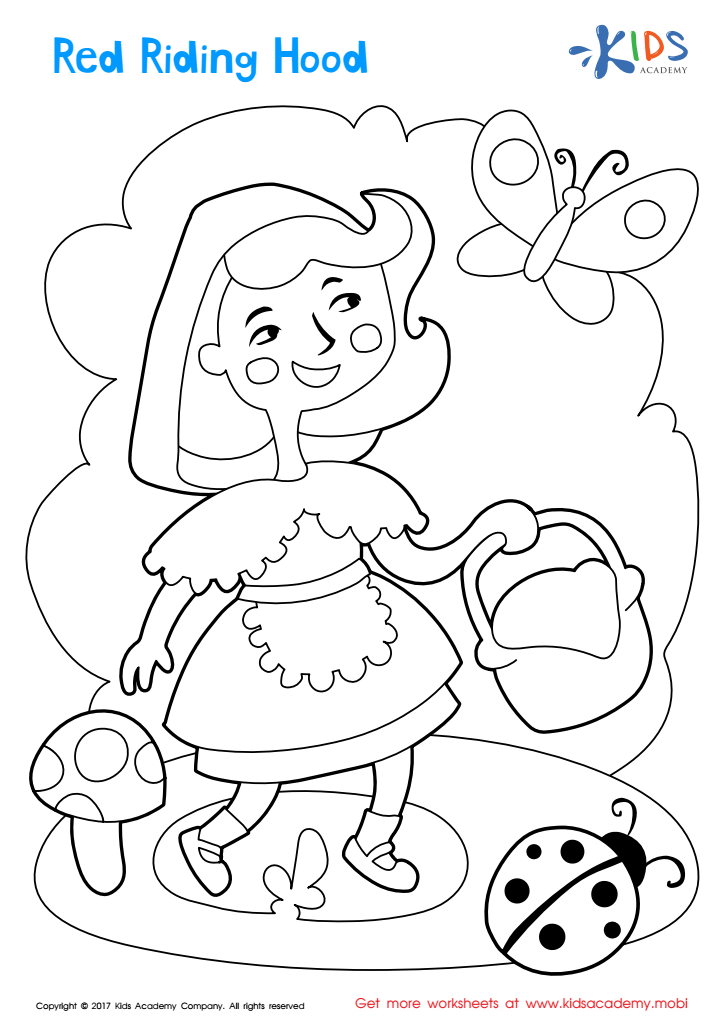
Red Riding Hood Coloring Page
Red Riding Hood awaits in the woods, with a butterfly, mushroom, and ladybug around her. Let your child bring the story to life with this magical printable coloring page. Fairytale fun for all!
Download (PDF)
 Assign to My Students
Assign to My Students
Red Riding Hood Coloring Page
Worksheet
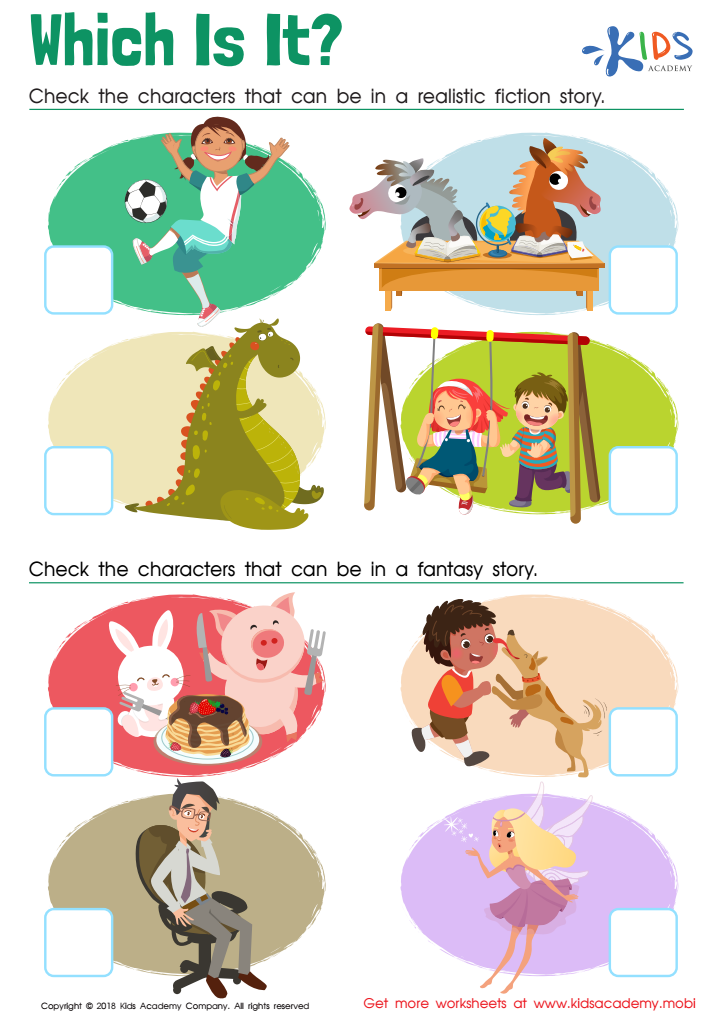
Which Is It? Worksheet
This colorful worksheet helps young readers identify elements of fact and fiction using fun picture clues. They can check off characters who exist in realistic fiction stories, which makes learning the difference between the two genres fun and engaging.
Which Is It? Worksheet
Worksheet
Join Kids Academy for Free
Who is primarily going to use this learning content?





.jpg)


Following instructions is a vital skill for young children, particularly in the context of reading comprehension. For ages 3-6, this ability enhances a child's learning experiences and overall development. When parents or teachers emphasize the importance of adhering to instructions, they are laying the groundwork for effective communication and critical thinking.
Understanding and following instructions helps children navigate both structured activities and everyday tasks, fostering autonomy and confidence. Books often present directions alongside captivating narratives; children learn to process information and respond accordingly. This direct interaction with written language reinforces vocabulary skills and encourages thoughtful listening.
Moreover, comprehension of instructions is essential for school readiness. Children who can follow directions are better equipped to participate in classroom activities, understand rules, and collaborate with peers. This foundational skill also supports literacy development—when kids comprehend what they read, they’re more likely to engage with literature and develop a lifelong love for reading.
Ultimately, nurturing the ability to follow instructions cultivates responsible, capable, and discerning learners. This skill opens doors not just in academics but in all areas of life, creating well-rounded individuals prepared for future challenges. Thus, parents and teachers should prioritize this important aspect of early education.








