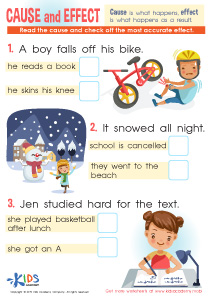
Critical Thinking Normal Reading Non-Fiction Worksheets for Ages 3-6
3 filtered results
-
From - To
Introducing our "Critical Thinking Normal Reading Non-Fiction Worksheets" designed specifically for children ages 3-6! These engaging worksheets promote essential critical thinking skills by encouraging young learners to explore, analyze, and understand non-fiction texts. Tailored for early readers, each worksheet features vibrant illustrations and age-appropriate content that captivates young imaginations. As children interact with real-world topics, they develop the ability to ask questions, make connections, and draw conclusions. Perfect for parents and educators who want to foster a love of learning, these worksheets provide a fun and interactive way to enhance reading comprehension and critical thinking skills in early childhood education.
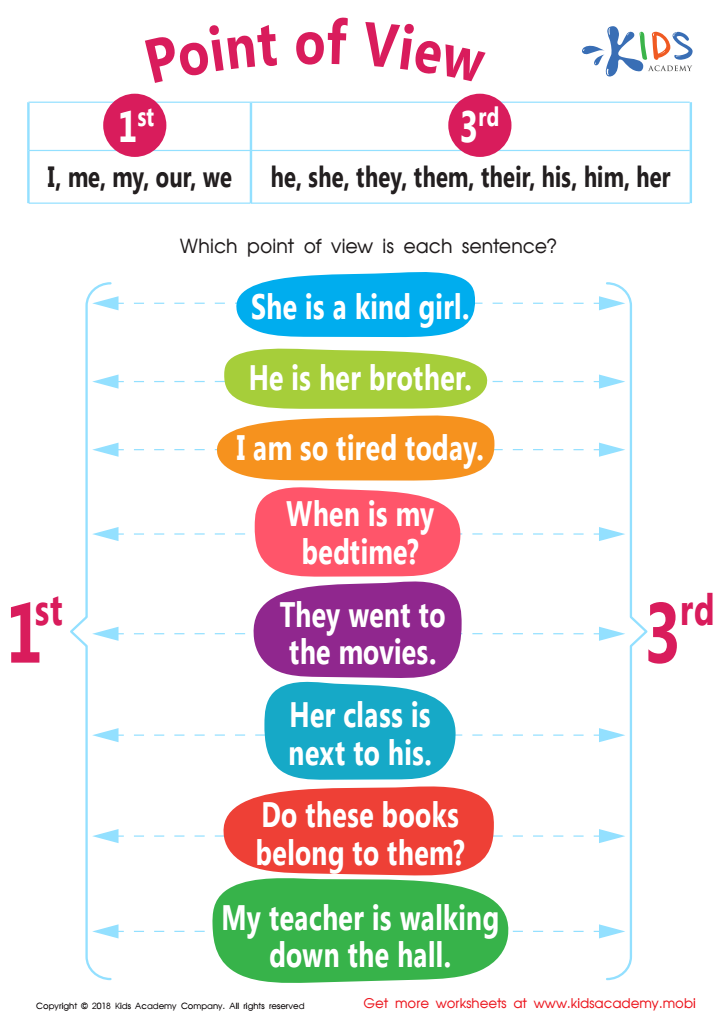
Point of View Worksheet
 Assign to My Students
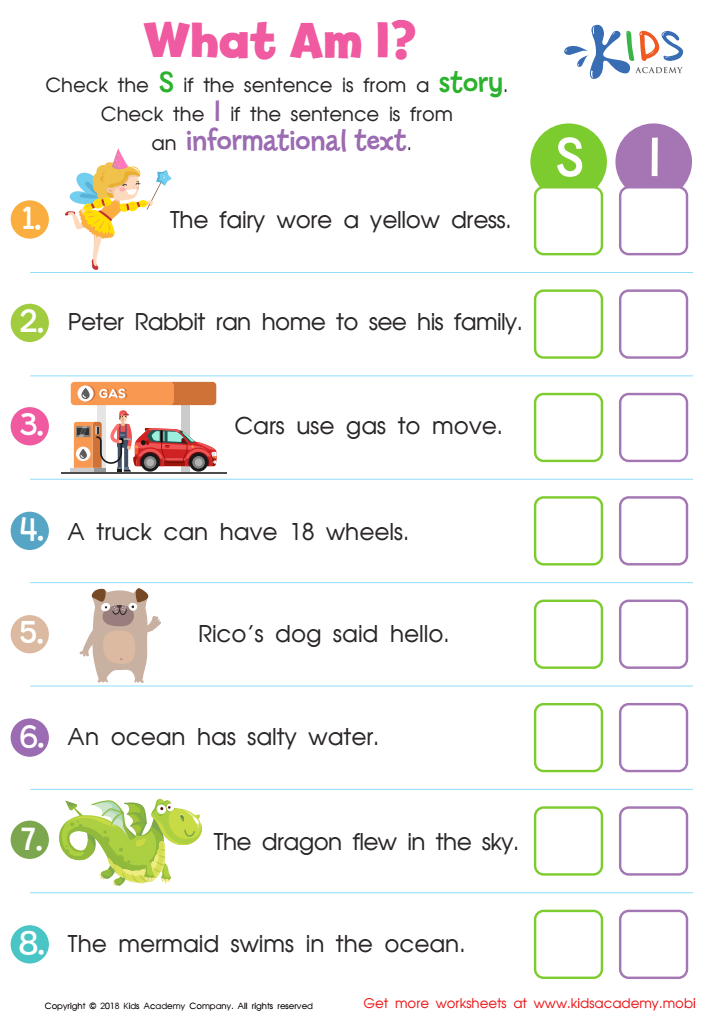
What Am I? Worksheet
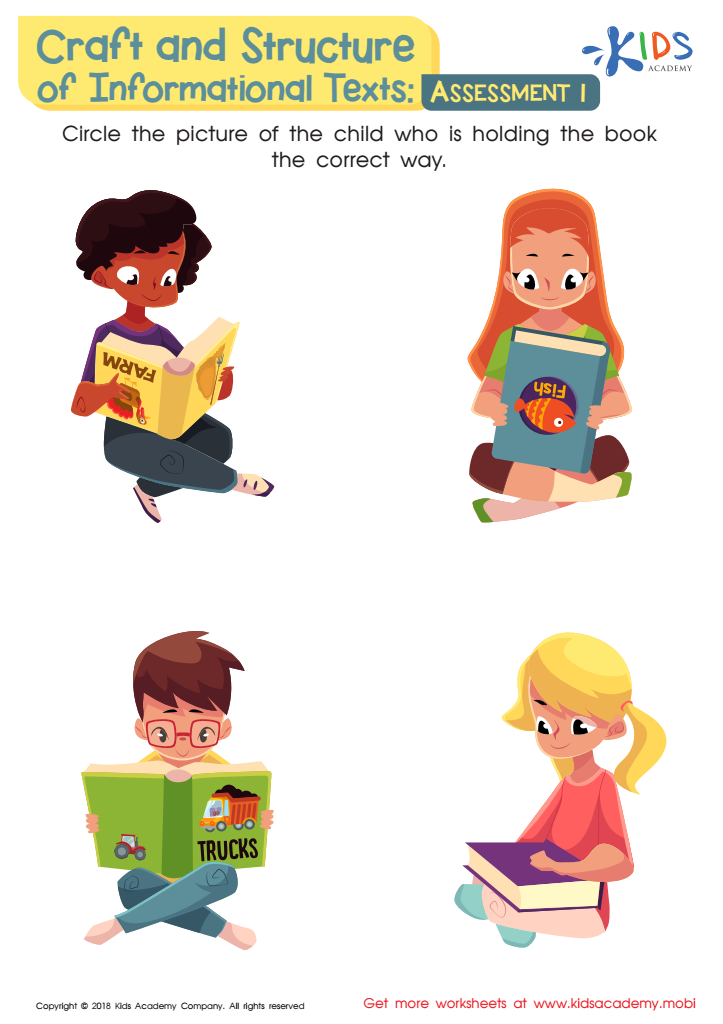
Craft and Structure of Informational Texts: Assessment 1 Worksheet








Critical thinking is an essential skill development area for children aged 3-6, and engaging with non-fiction texts through normal reading plays a pivotal role in nurturing this ability. At this early age, children are naturally curious, constantly asking questions about the world around them. By exposing them to non-fiction, parents and teachers can satisfy their curiosity while fostering critical thinking skills.
Non-fiction reading material introduces children to real-world concepts, facts, and experiences, encouraging them to analyze, question, and draw connections. This type of reading not only improves literacy skills but also enhances comprehension and encourages discussions about various topics. Engaging with non-fiction helps children become adept at evaluating information, distinguishing between fact and opinion, and recognizing credible sources.
Moreover, developing critical thinking through reading helps prepare young learners for complex challenges in school and life. It cultivates problem-solving skills, decision-making capabilities, and the ability to articulate thoughts clearly—skills they will rely on throughout their education and beyond. In summary, prioritizing critical thinking through non-fiction reading for children ages 3-6 lays a strong foundation for lifelong learning and informed citizenship, making it essential for parents and educators alike to embrace this approach.