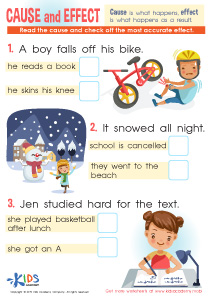
Improve reading comprehension Normal Reading Non-Fiction Worksheets for Ages 3-6
3 filtered results
-
From - To
Unlock your child's potential with our "Improve Reading Comprehension Normal Reading Non-Fiction Worksheets" designed for ages 3-6. These engaging worksheets foster essential reading skills through fun, age-appropriate tasks centered around non-fiction themes. Your little ones will explore real-world topics, enhancing their understanding and ability to recount fascinating information. Each worksheet promotes critical thinking, vocabulary development, and comprehension skills, ensuring a well-rounded educational experience. With colorful illustrations and interactive exercises, learning becomes an adventure! Perfect for both classroom and home settings, our resources will ignite a lifelong passion for reading and learning. Start your journey to better comprehension today!
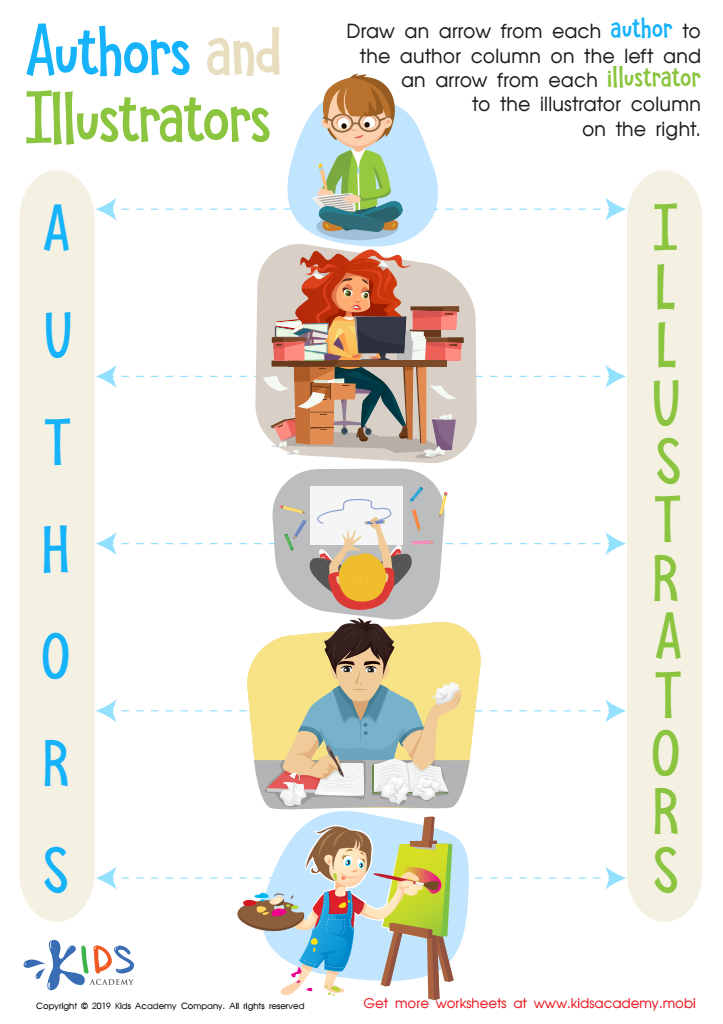
Authors and Illustrators Worksheet
 Assign to My Students
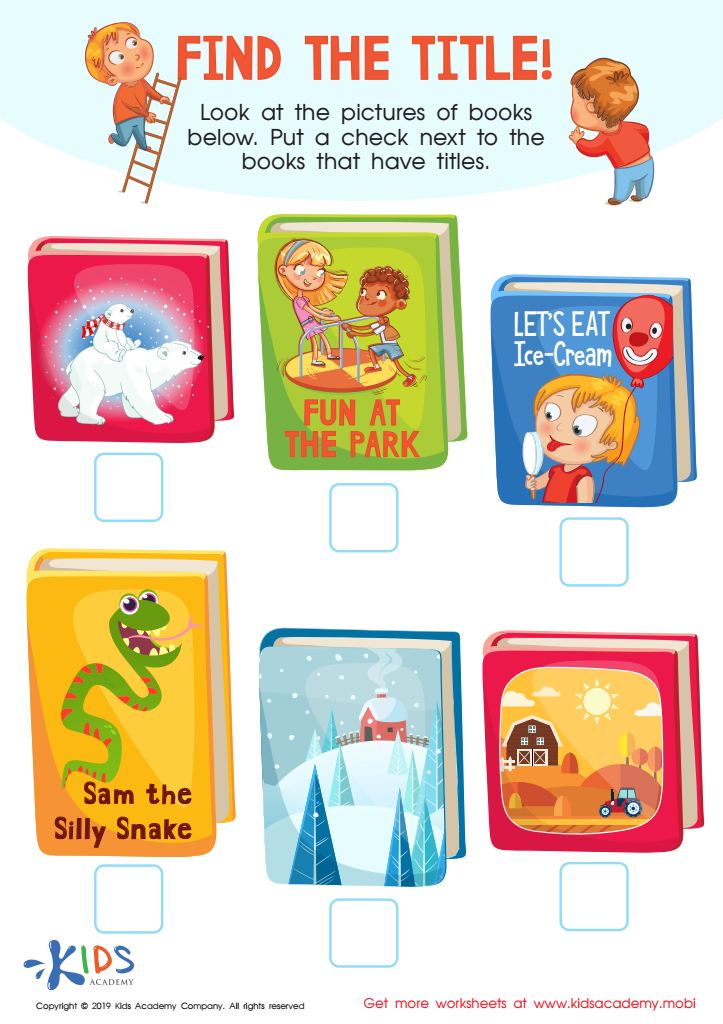
Find the Title Worksheet
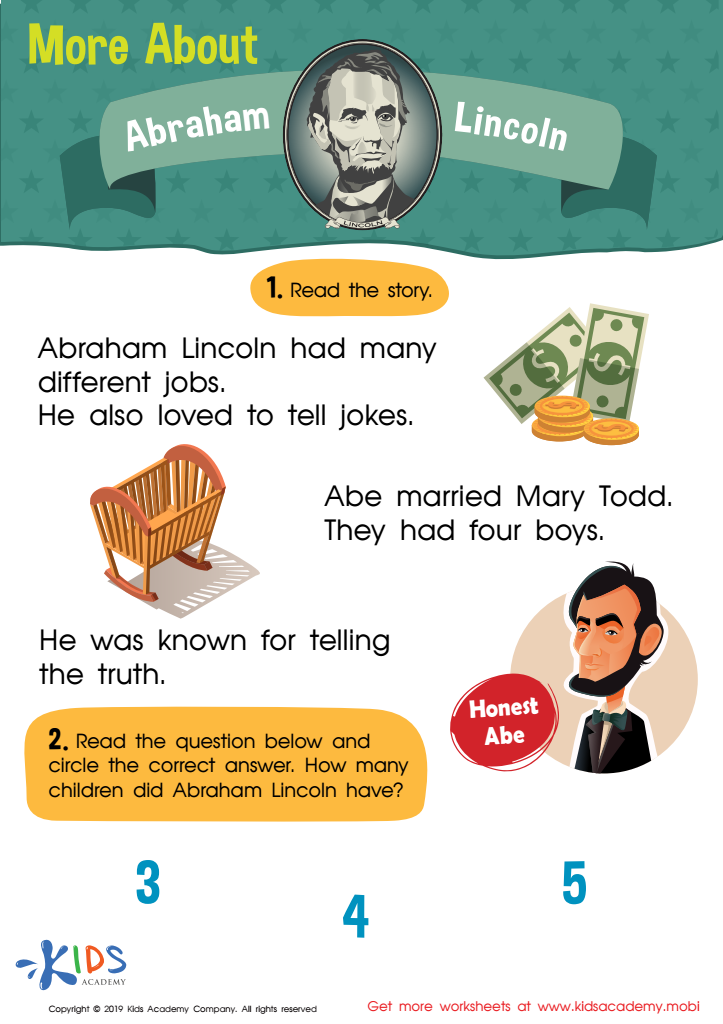
More About Abraham Lincoln Worksheet








Parents and teachers should prioritize improving reading comprehension of non-fiction texts for children ages 3-6 because this foundational skill lays the groundwork for lifelong learning. At this developmental stage, children are naturally curious about the world around them. Non-fiction books offer rich opportunities for exploration, helping them learn about various topics, from animals to space, which can spark their interest and foster a love for learning.
Improving reading comprehension during these early years also cultivates critical thinking skills, as children learn to ask questions and make connections between what they read and their own experiences. Engaging with non-fiction texts promotes vocabulary enrichment and enhances language skills, giving young readers the tools they need to express ideas clearly and confidently.
Additionally, nurturing comprehension skills early on helps bridge knowledge gaps, preparing children for future academic challenges. When children understand how to interpret facts and grasp the main ideas of non-fiction narratives, they develop a strong basis for more complex texts in later grades. In summary, fostering reading comprehension in non-fiction texts during ages 3-6 supports essential cognitive, linguistic, and emotional development, ultimately shaping confident and informed learners.