Vocabulary development Normal Reading Non-Fiction Worksheets for Ages 3-6
3 filtered results
-
From - To
Discover engaging Vocabulary Development worksheets designed for children ages 3-6, featuring non-fiction reading themes. Our thoughtfully crafted resources support early literacy by introducing young learners to essential vocabulary through captivating content. Each worksheet encourages comprehension and language skills, fostering a strong foundation for academic success. With vibrant images and age-appropriate language, children can explore diverse topics while enhancing their vocabulary in an enjoyable way. Perfect for both classroom and home use, these printable worksheets ignite curiosity and make learning fun. Give your child the tools they need to thrive in reading and comprehension with our exciting non-fiction reading resources today!
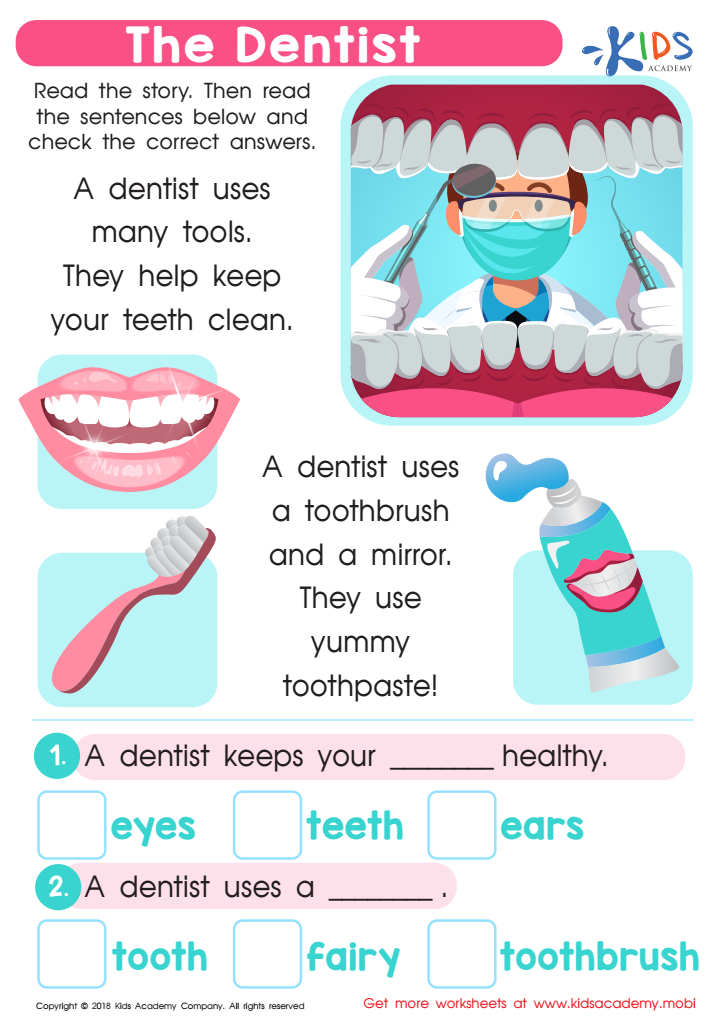
The Dentist Worksheet
 Assign to My Students
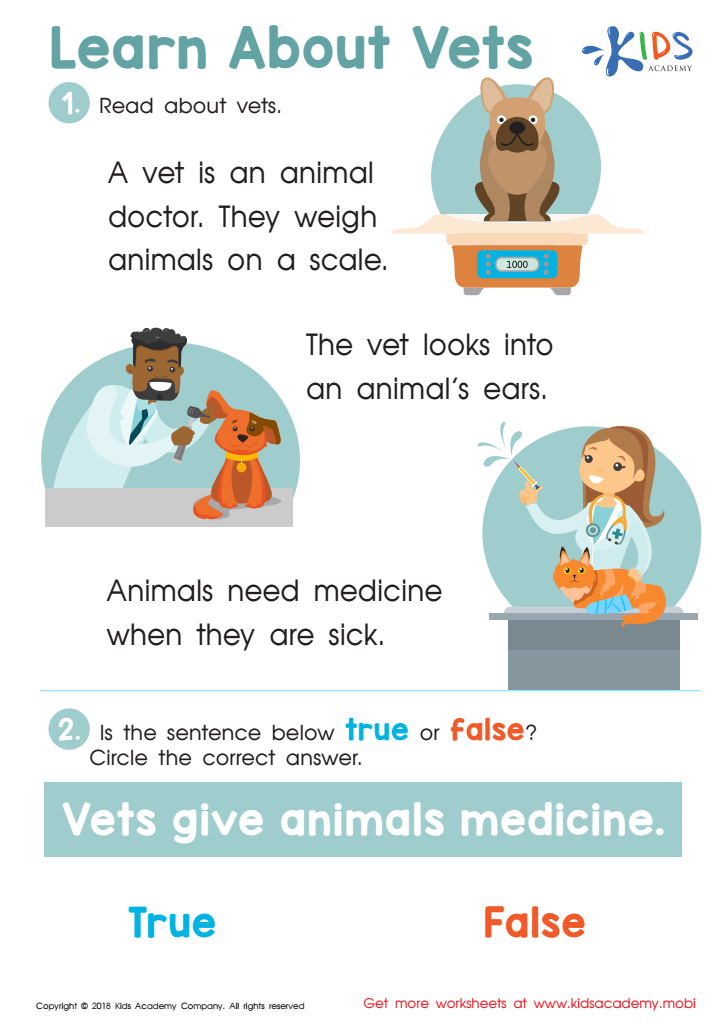
Learn About Vets Worksheet
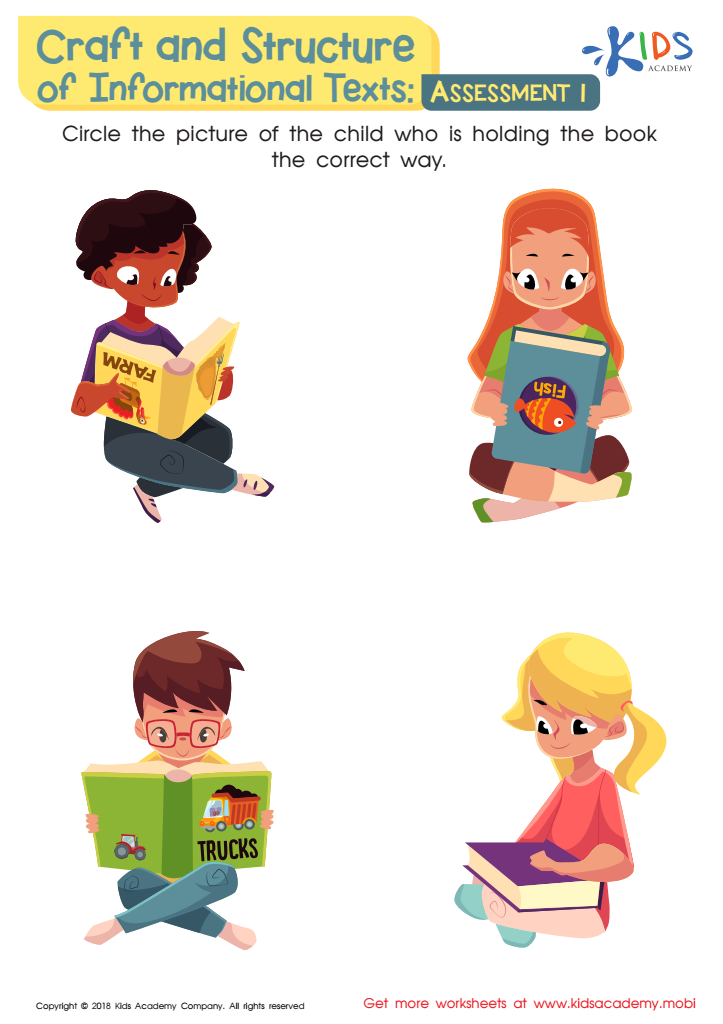
Craft and Structure of Informational Texts: Assessment 1 Worksheet








Vocabulary development during the early years, particularly through non-fiction reading, is critically important for children aged 3-6. This essential stage lays the foundation for literacy, comprehension, and overall cognitive growth. Engaging with factual texts provides children with exposure to a wider range of vocabulary that is often more complex and specialized than that found in fiction.
When parents and teachers encourage the reading of non-fiction, they introduce children to diverse topics, promoting curiosity and a love of learning. This exposure helps children build background knowledge, which is crucial for understanding the world around them and enhances their ability to connect ideas. Rich vocabulary acquisition during these years is linked to future academic success, allowing children to express their thoughts clearly and effectively.
Moreover, non-fiction books often stimulate discussions that enhance language skills. Parents and teachers can model the use of new words, provide context, and engage in meaningful conversations, which solidifies understanding. Supporting vocabulary development not only enhances reading and listening comprehension but also boosts critical thinking skills. Ultimately, investing time and resources in vocabulary enrichment through non-fiction can lead to empowered learners who are well-equipped for future academic challenges and everyday interactions.