Enhancing observation skills Normal Science Worksheets for Ages 3-6
7 filtered results
-
From - To
Unlock your child's potential with our "Enhancing Observation Skills Normal Science Worksheets" designed for ages 3-6. These tailored activities foster curiosity and sharpness in young minds, guiding them through stimulating exercises that improve their ability to notice and interpret details in their environment. Each worksheet incorporates colorful illustrations and engaging tasks, making learning fun and interactive. From identifying patterns to exploring nature, children will develop crucial observational skills foundational for scientific thinking. Ensure your little learner embarks on an exciting educational journey with our expertly crafted resources, perfect for home or classroom use.
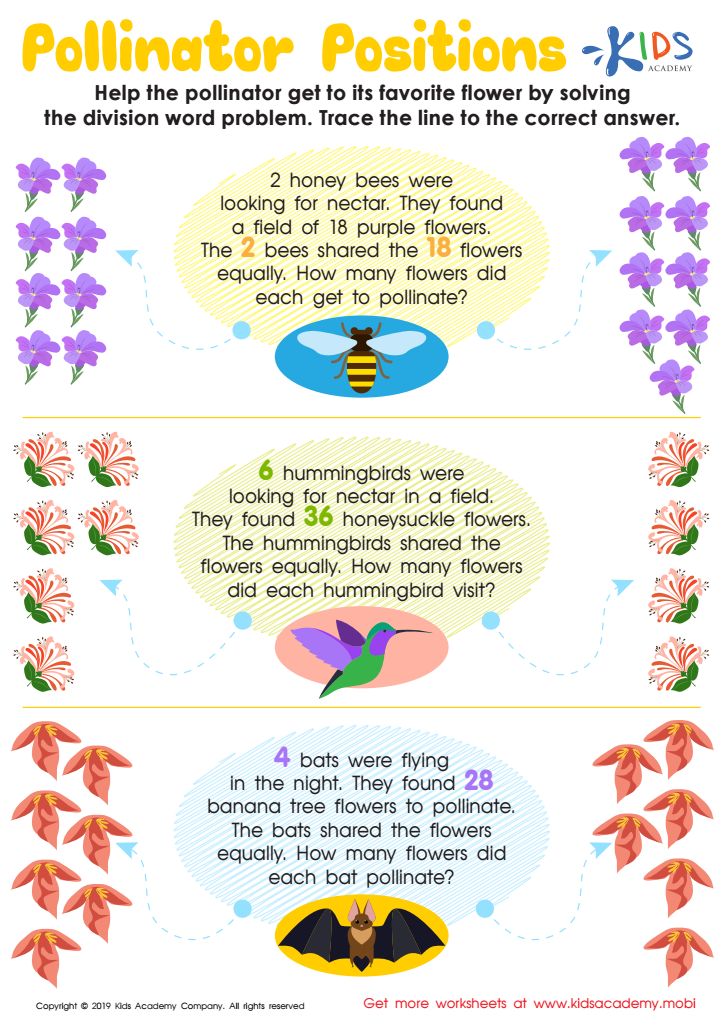
Pollinator Positions Worksheet
 Assign to My Students
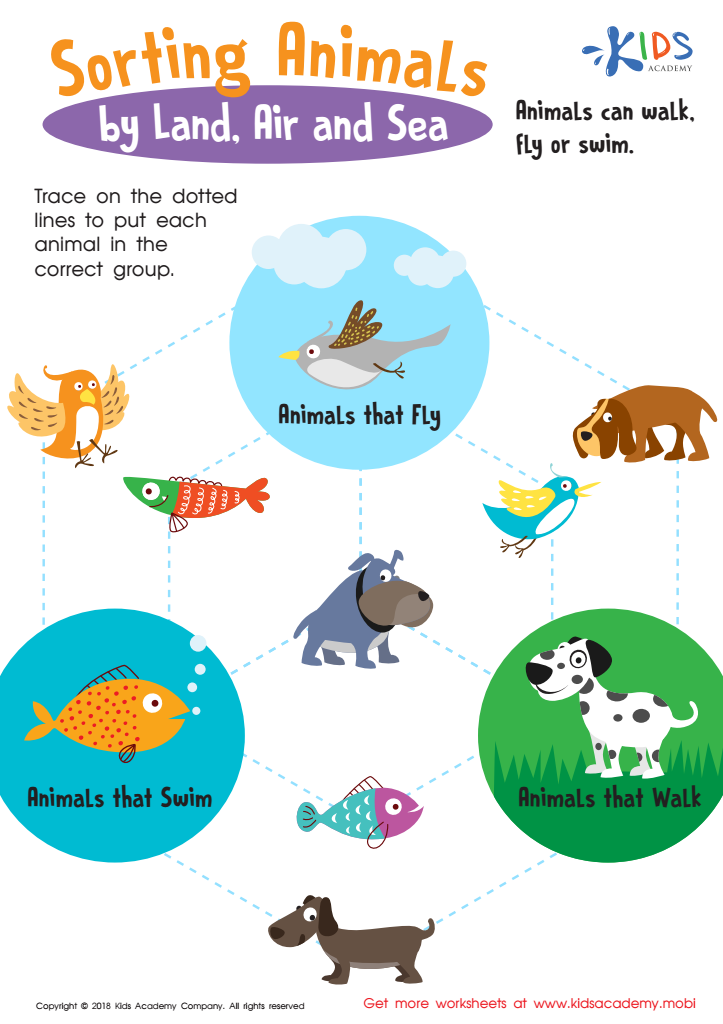
Sorting Animals by Land, Air and Sea Worksheet
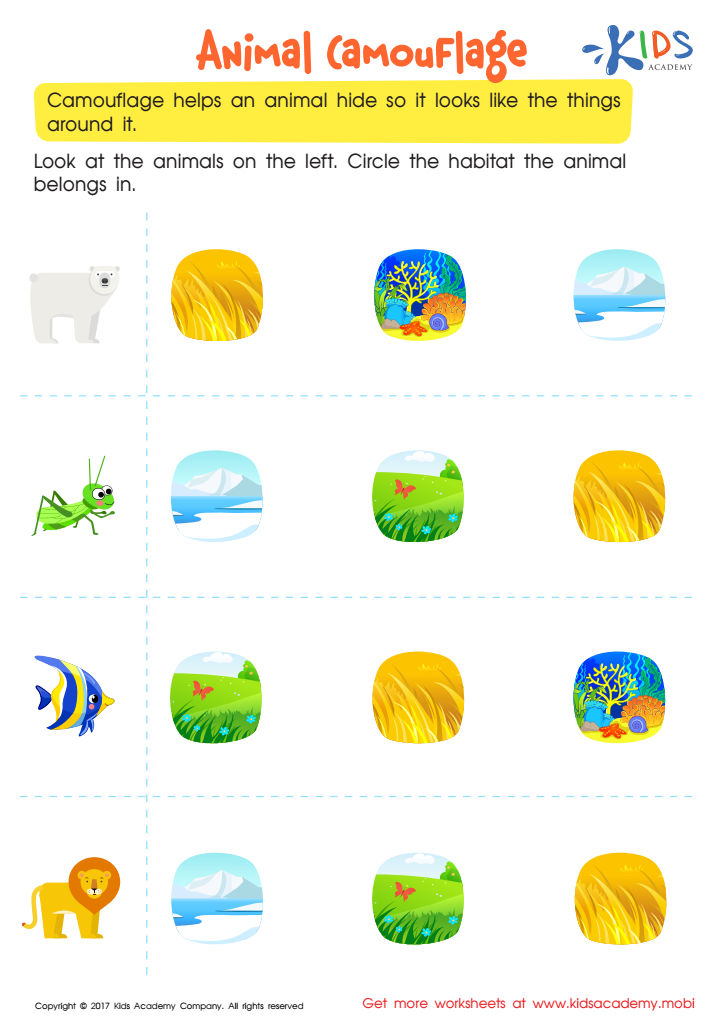
Animal Camouflage Worksheet
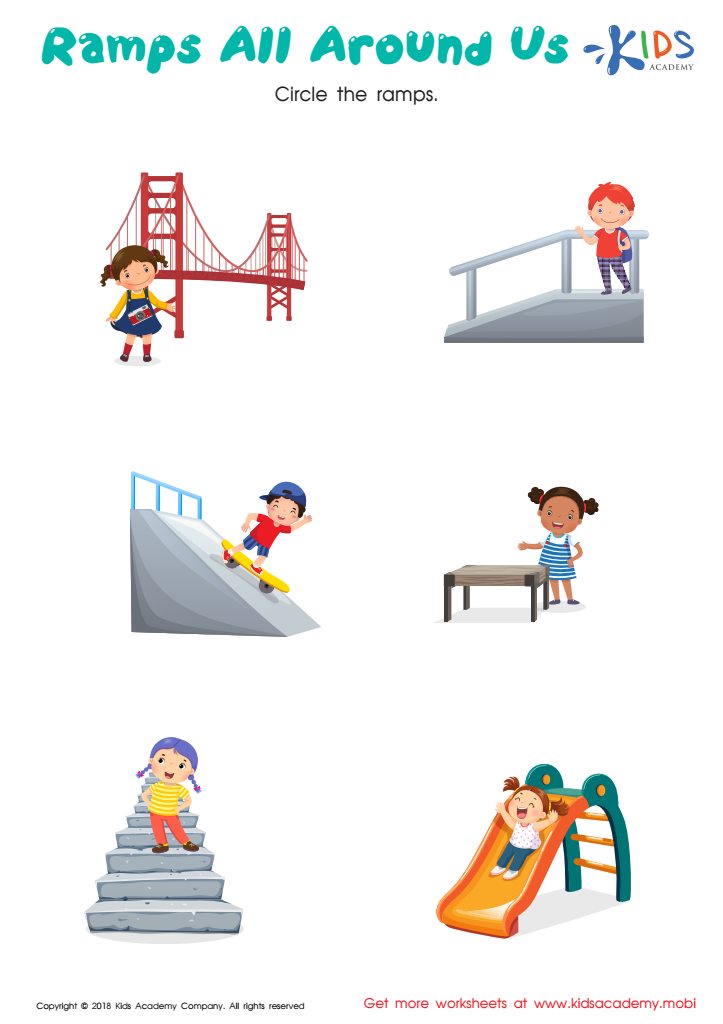
Ramps All Around us Worksheet
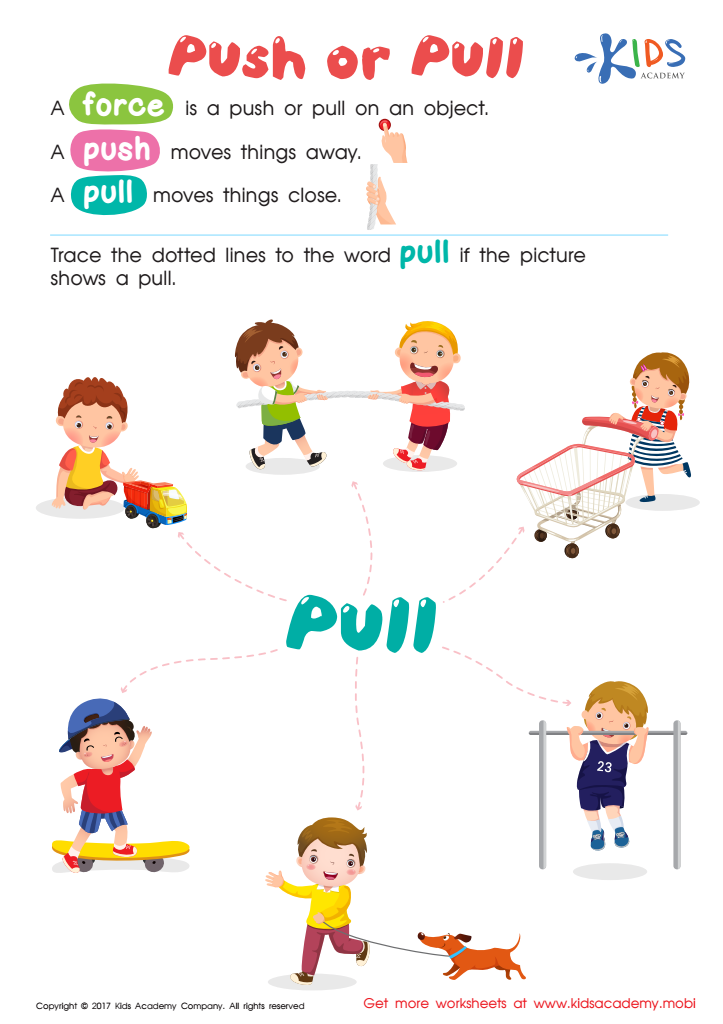
Pull or Push Worksheet
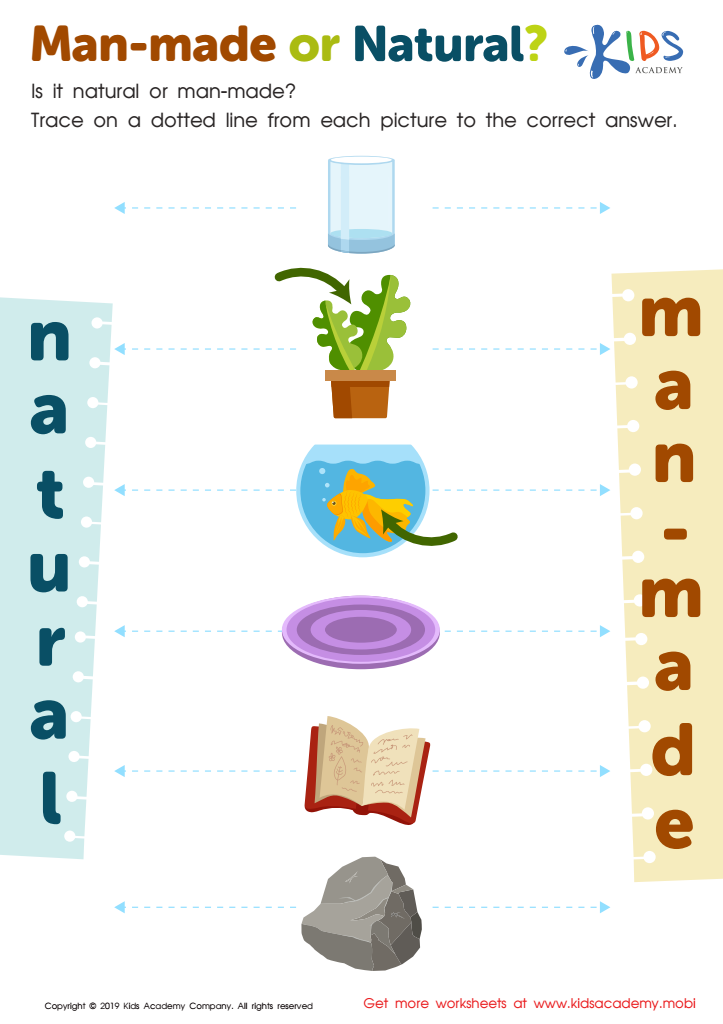
Man-Made or Natural? Worksheet
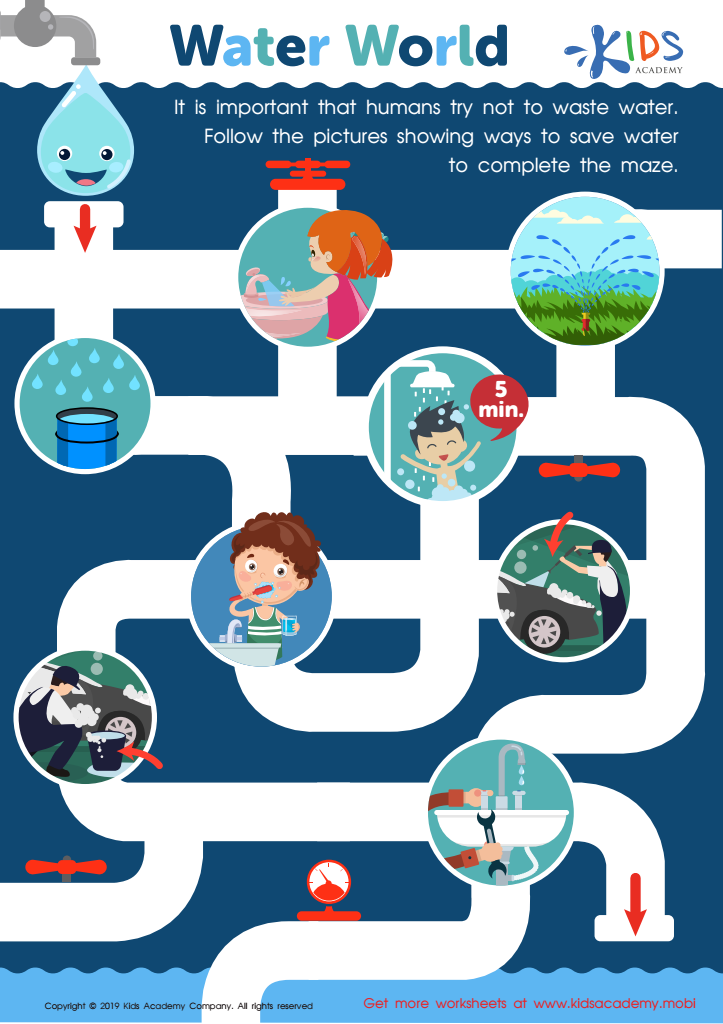
Water World Worksheet








Enhancing observation skills in children aged 3-6 forms the bedrock of scientific learning and overall cognitive development. At this tender age, kids are naturally curious and receptive, making it an ideal period for fostering these skills. When parents or teachers encourage observation, they help children pay attention to details, notice patterns, and make connections—key components in problem-solving and critical thinking.
In normal science, enhanced observation skills translate to a better understanding of the environment and natural phenomena. By closely observing everyday objects, seasonal changes, or the behavior of animals, children begin to practice early science skills. For instance, watching a plant grow from a seed can teach concepts like growth phases and the necessity of water and sunlight.
Promoting meticulous observation equips children with the ability to describe their surroundings more accurately, bolstering both language development and vocabulary. This lays a strong foundation for future learning, making them more adept at assimilating more complex scientific concepts later.
Moreover, these skills promote patience, concentration, and mindfulness. In our fast-paced world, the ability to focus and think deeply about what they see sets children up for academic and life-long success. Thus, nurturing observation skills isn’t just crucial for science learning but is vital in shaping attentive, curious, and thoughtful individuals.







