
Knowledge application Normal Science Worksheets for Ages 3-6
3 filtered results
Difficulty Level
Grade
Age
-
From - To
Subject
Activity
Standards
Introducing Knowledge Application Normal Science Worksheets for Ages 3-6! These engaging and interactive worksheets from Kids Academy are designed to foster curiosity and enhance critical thinking in young minds. Perfect for early learners, our worksheets cover essential scientific concepts through fun activities that spark imagination and encourage experimentation. Each worksheet is thoughtfully created to boost knowledge retention while making science enjoyable and accessible. Ideal for both classroom and home use, they provide a comprehensive foundation in science learning skills. Shape tomorrow's scientific thinkers today with Knowledge Application Normal Science Worksheets! Visit us to download and start exploring.
Favorites
With answer key
Interactive
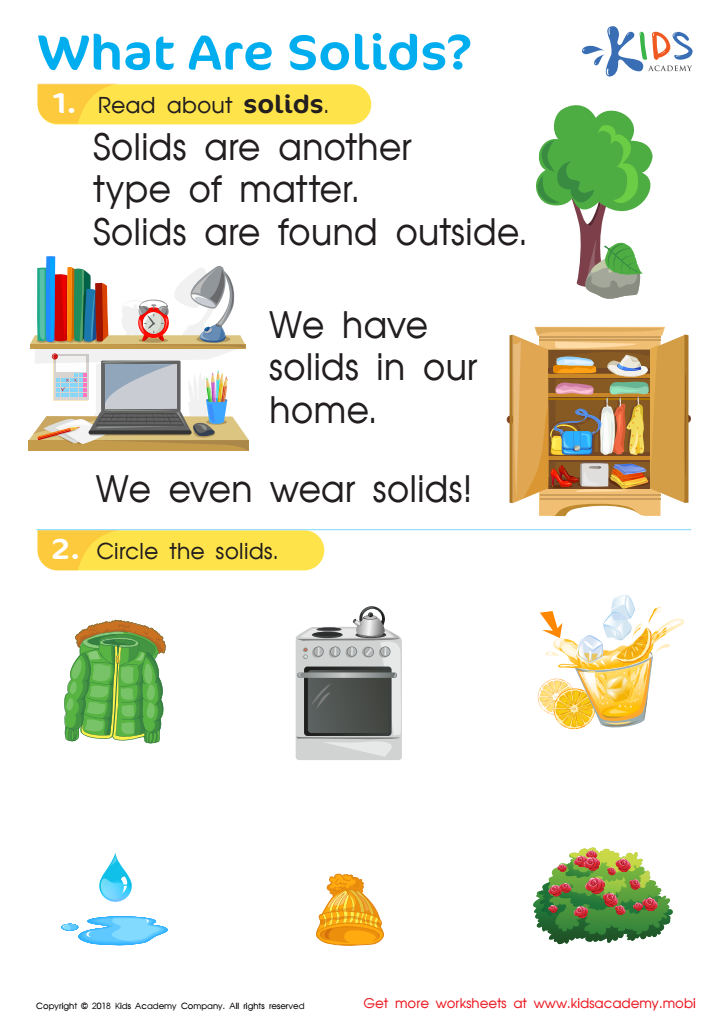
What Are Solids? Worksheet
Help your kids understand matter's three forms - solid, liquid, and gas - with examples. Ask them to give their own and where to find them. Then, read and discuss the worksheet's facts about solids. Afterward, have them circle the solids among the provided objects.
 Assign to My Students
What Are Solids? Worksheet
Worksheet
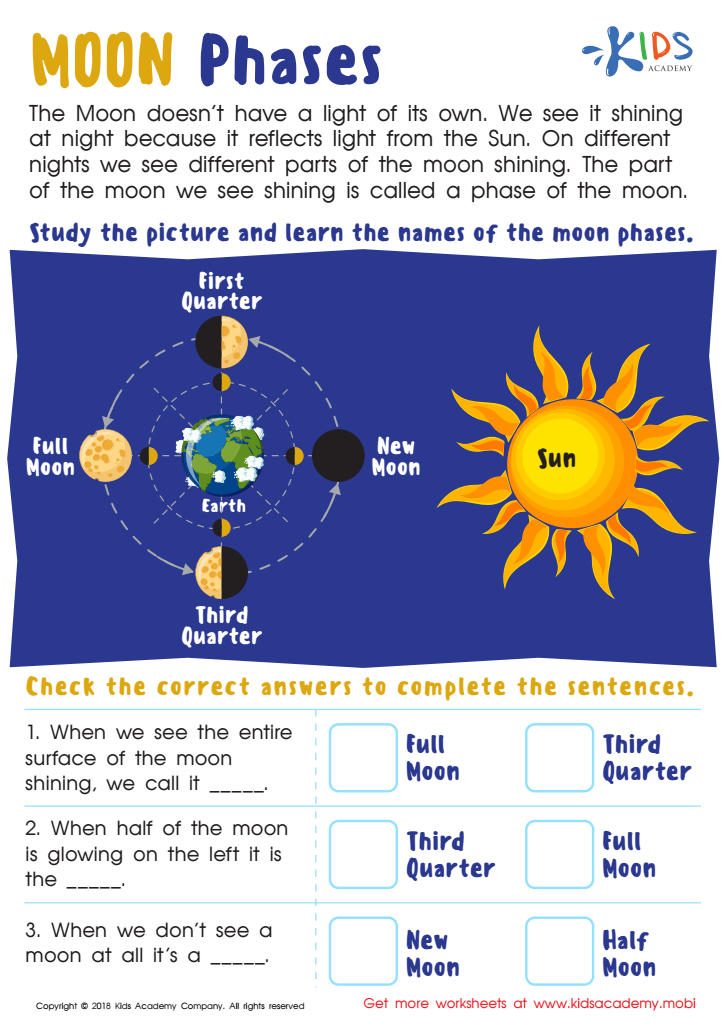
Moon Phases Worksheet
Gaze up at the night sky and the moon's appearance may change from night to night. Encourage your child to learn more about the sun, the moon, and space with this science worksheet. Have them read the text then study the picture. Finally, read the sentences and check the answers to identify the moon's phases.
Moon Phases Worksheet
Worksheet
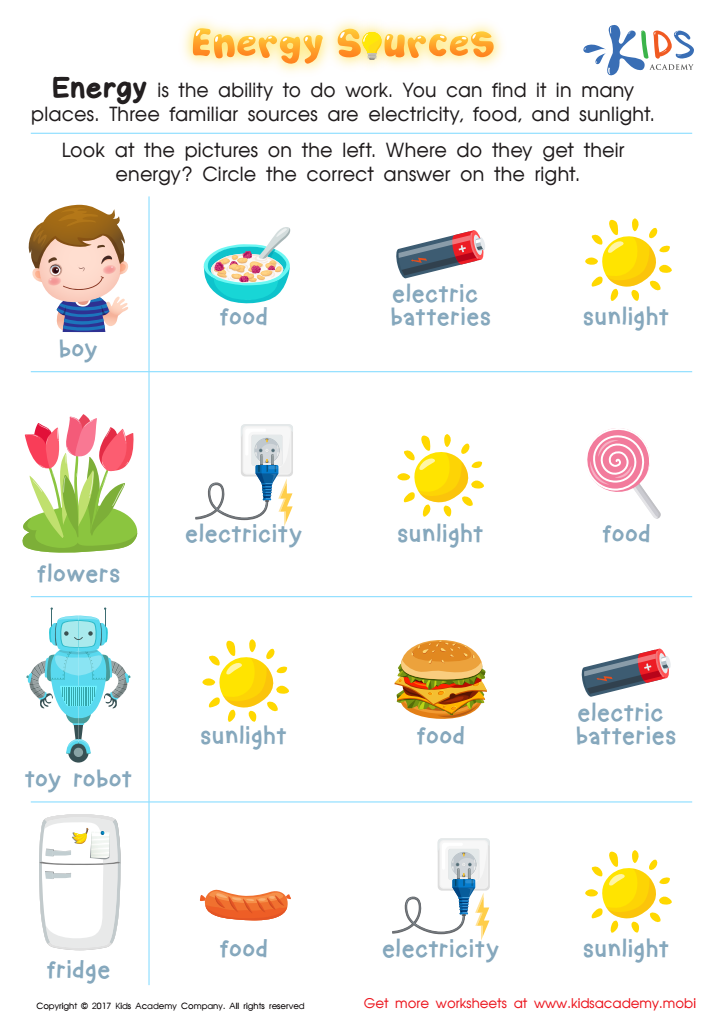
Energy Sources Printable
Introduce energy sources with this worksheet PDF — explore the sun, batteries, and more! Get your mini scientist excited about energy and power up their learning.
Energy Sources Printable
Worksheet
Join Kids Academy for Free
Who is primarily going to use this learning content?






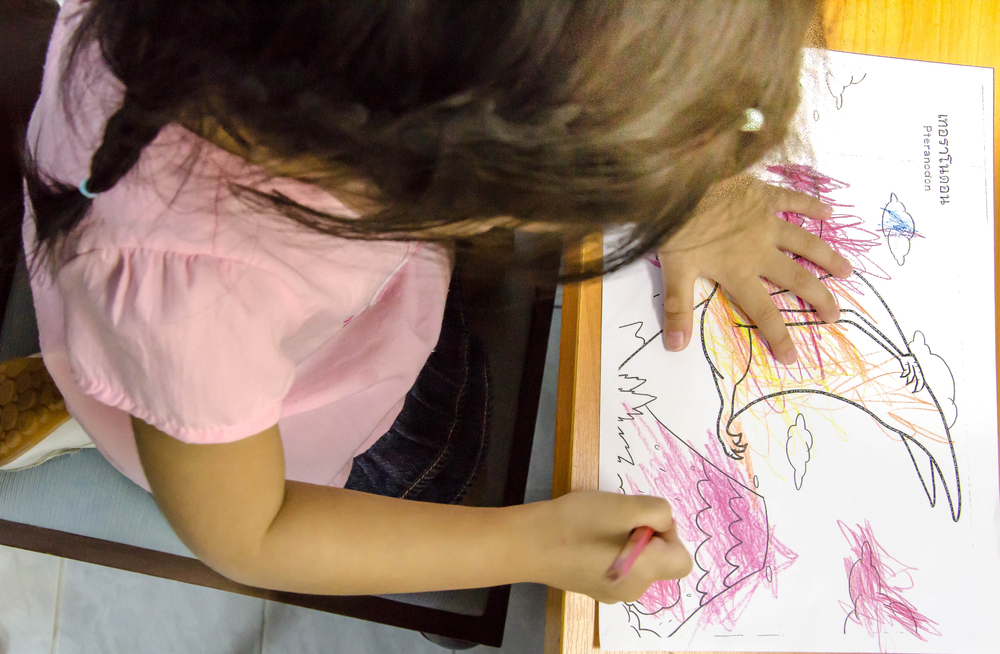

Parents and teachers should care about the application of knowledge in normal science for children aged 3-6 as it plays a crucial role in early development. During these formative years, children are exceptionally curious and their brains are highly receptive to new information. Introducing scientific concepts in a playful, hands-on manner helps nurture their natural inquisitiveness. Engaging with basic science encourages critical thinking, problem-solving, and observational skills, laying a foundation for lifelong learning.
Moreover, early exposure to science fosters creativity and can instill a sense of wonder about the world. Activities like exploring nature, simple experiments with water, or observing the weather allow children to apply concepts like cause and effect or the properties of materials in a tangible way. Such experiences make abstract scientific ideas more concrete and understandable for young minds.
From a developmental perspective, science education at this stage also supports language acquisition, as children learn new vocabulary and ways to describe their observations. Social skills are enhanced through collaborative exploration and experimentation.
Consequently, prioritizing knowledge application in normal science for young children ensures a holistic approach to early childhood education, nurturing well-rounded, curious, and capable learners who are well-prepared for future academic challenges.







