Understanding directions Normal Science Worksheets for Ages 3-6
4 filtered results
-
From - To
Unlock your child's potential with our "Understanding Directions Normal Science Worksheets" designed for ages 3-6. These fun, interactive worksheets help young learners grasp essential directional concepts through engaging activities tailored to their developmental stage. Kids will enjoy navigating various scientific themes while enhancing their comprehension of terms like "left," "right," "up," and "down." Perfect for parents and teachers alike, these resources promote critical thinking and spatial awareness, setting the foundation for future learning. Explore an exciting world of discovery and help your child build confidence in understanding directions. Download today and make learning an adventure!
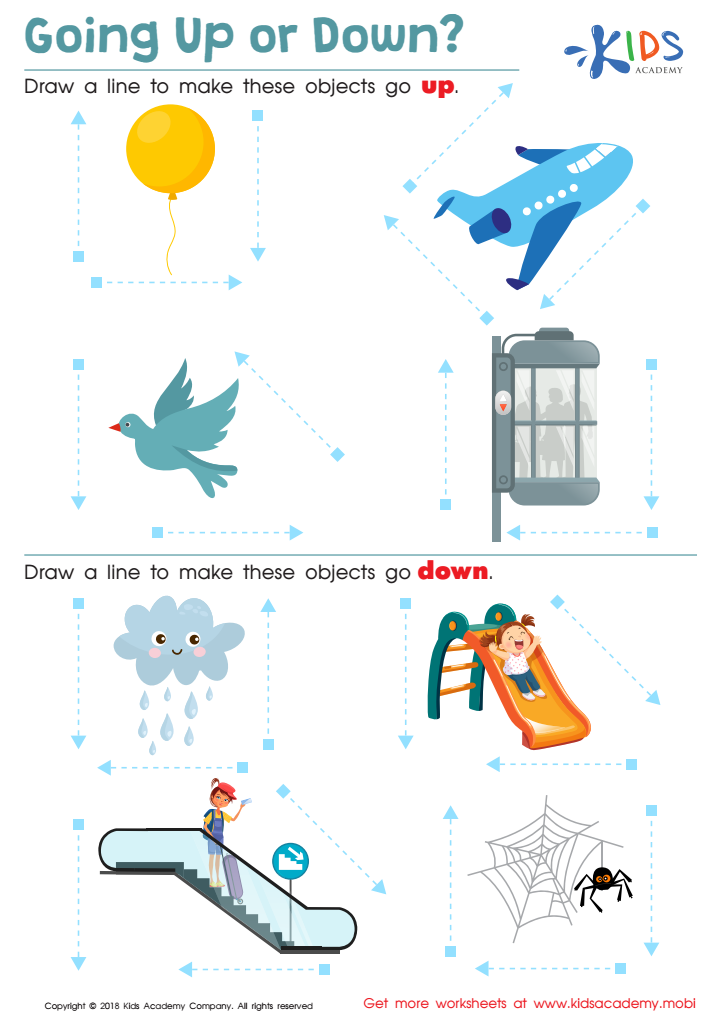
Going up or Down? Worksheet
 Assign to My Students
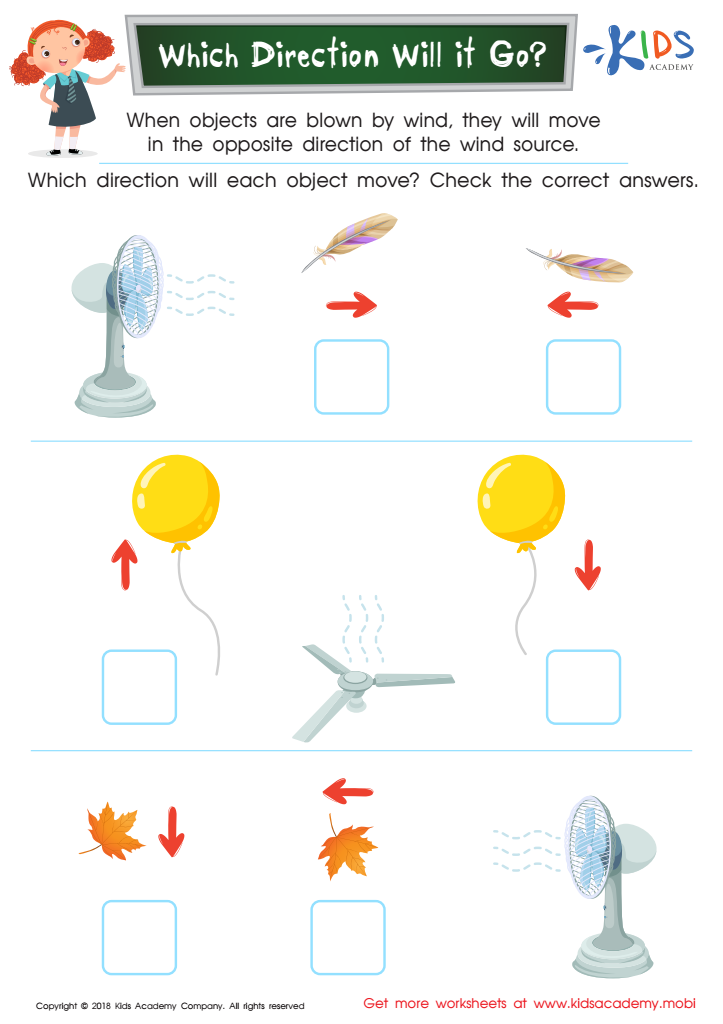
Which Direction Will it Go? Worksheet
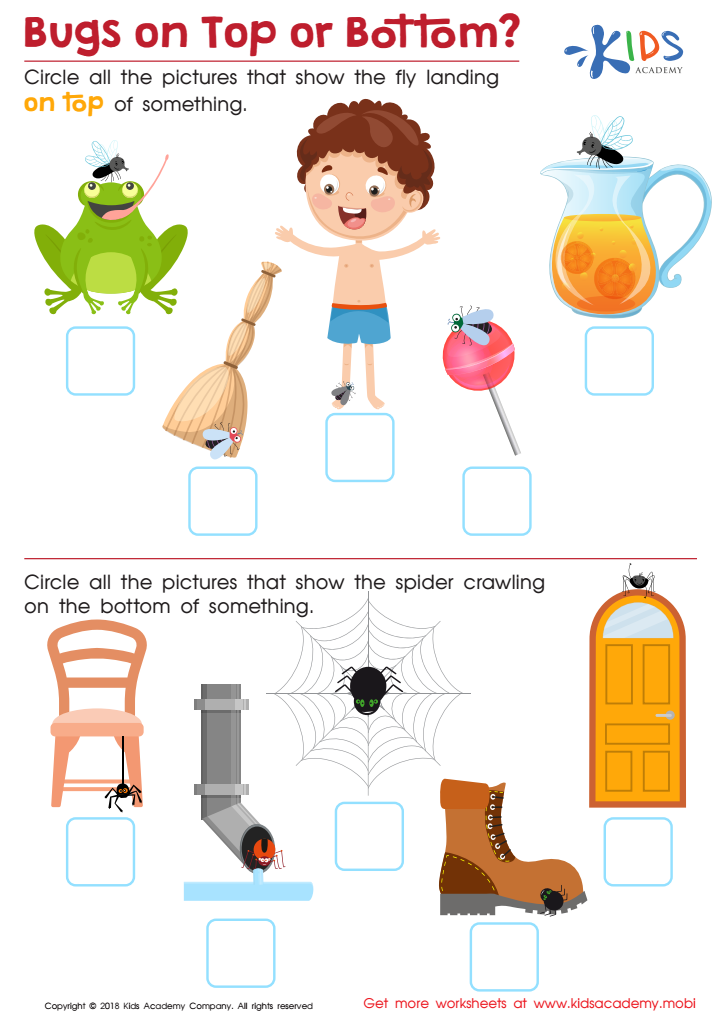
Bugs on Top or Bottom? Worksheet
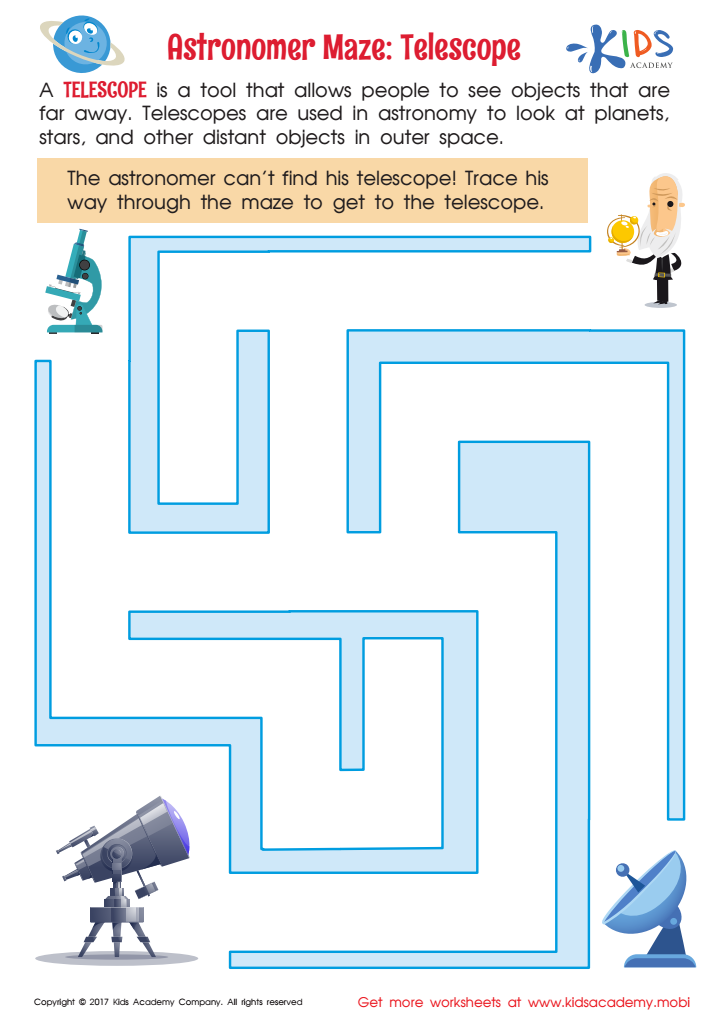
Astronomer Maze: Telescope Worksheet


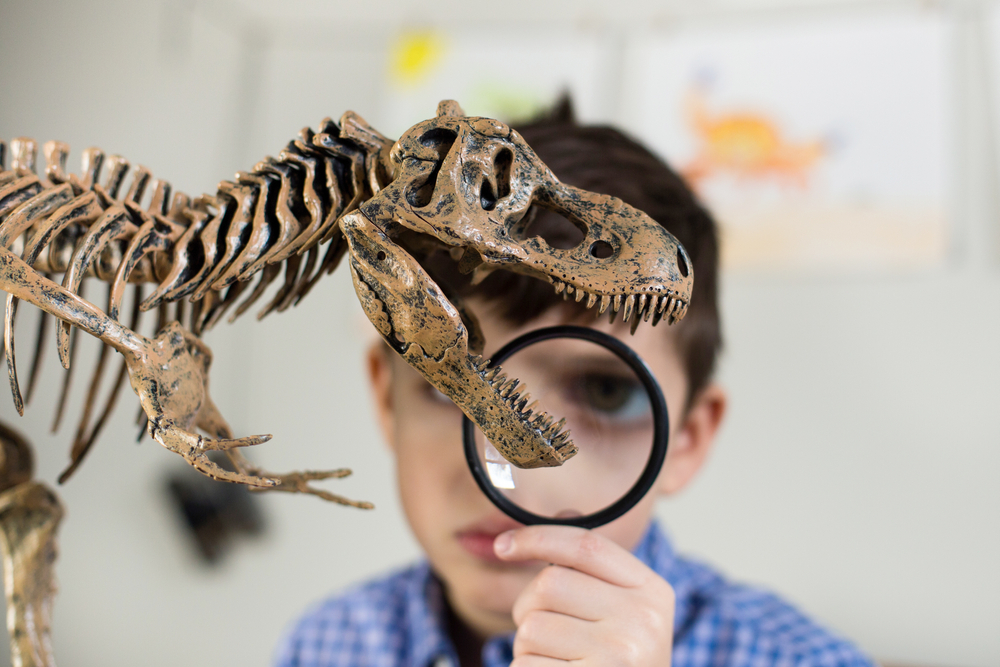



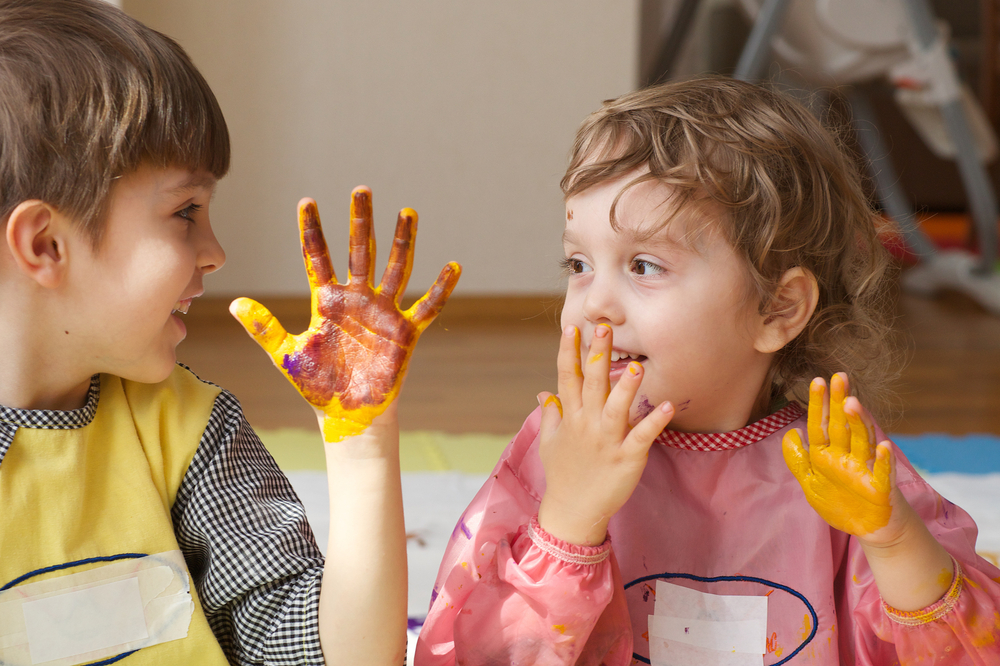

Understanding directions, especially in the context of Normal Science for ages 3-6, is crucial for both parents and teachers because it lays the foundation for critical thinking and problem-solving skills. At this age, children are developing their cognitive abilities, and comprehending directions helps them make sense of the world around them. It promotes adventure, exploration, and curiosity—key components of early learning.
When children grasp the concept of following directions, they enhance their language skills, as they learn new vocabulary when interacting with science-related terms. Furthermore, processing these directions fosters social skills, as children often work in groups, share, and communicate effectively with their peers.
For parents and teachers, caring about this aspect means creating an environment where exploration is encouraged, and children feel safe experimenting and asking questions. Engaging children in Normal Science activities demonstrates the joy of discovery while ensuring they understand and follow directions properly. This is a crucial pathway to nurturing a lifelong love of learning, independence, and confidence in their abilities. Ultimately, fostering these skills now empowers children to face future educational challenges with resilience and enthusiasm.







