
Vocabulary enhancement Normal Life Science Worksheets for Ages 3-6
4 filtered results
Difficulty Level
Grade
Age
-
From - To
Subject
Activity
Standards
Boost your child's vocabulary with our Life Science Worksheets, tailored for ages 3 to 6. These engaging activities make learning fun while exploring the wonders of the natural world. Designed to enhance language skills, our worksheets introduce young learners to essential life science concepts and vocabulary. From plants and animals to habitats and life cycles, each worksheet provides a hands-on learning experience that fosters curiosity and understanding. Ideal for parents, teachers, and caregivers, these resources are perfect for building a strong foundation in science and language during the critical early years of development.
Favorites
With answer key
Interactive
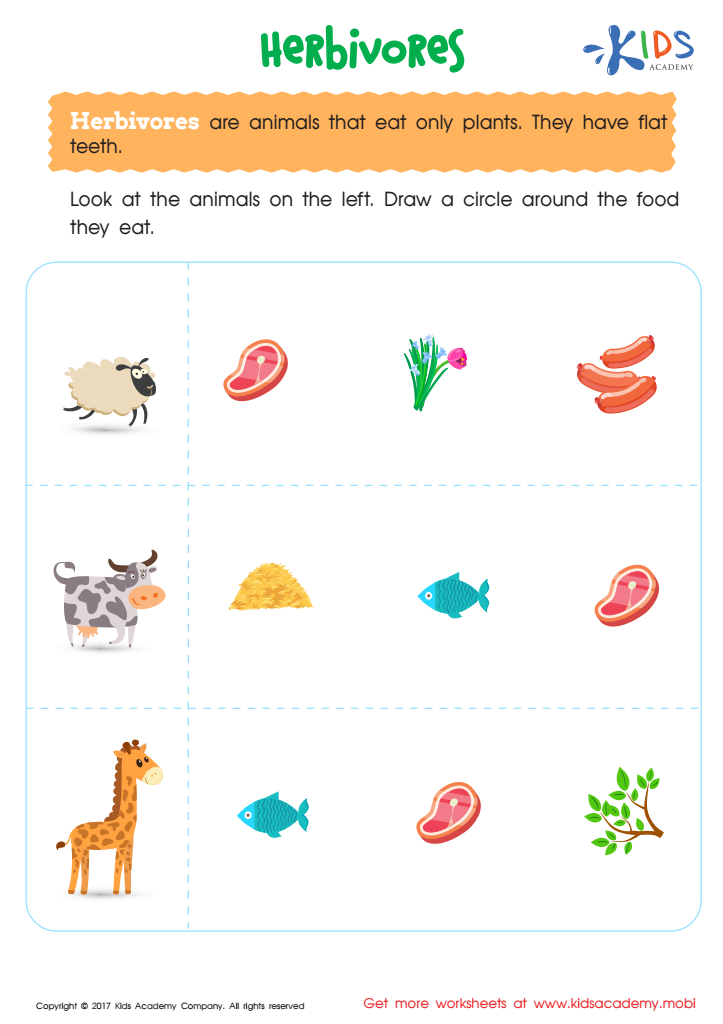
Herbivores Printable
Strengthen their vocab with these fascinating creatures, as they explore an intriguing aspect of beloved animals.
 Assign to My Students
Herbivores Printable
Worksheet
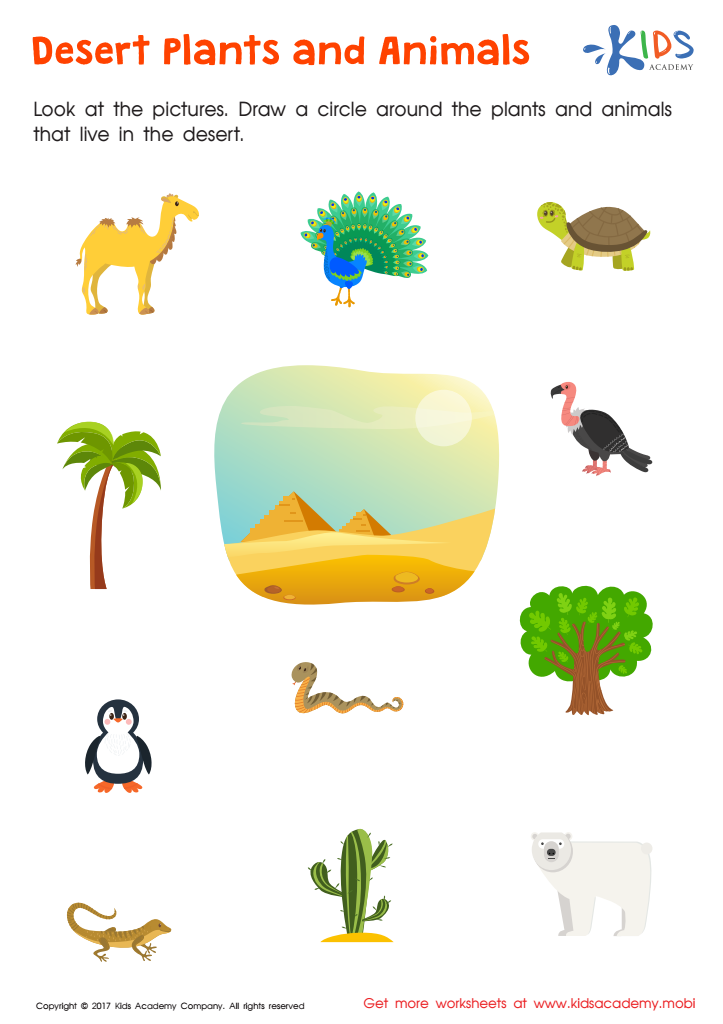
Desert Plants Animals Printable
Discover the wonders of the desert with this worksheet, featuring vivid colors and unique plants and animals adapted to its tough, dry conditions. Explore the special wildlife and flora of the desert!
Desert Plants Animals Printable
Worksheet
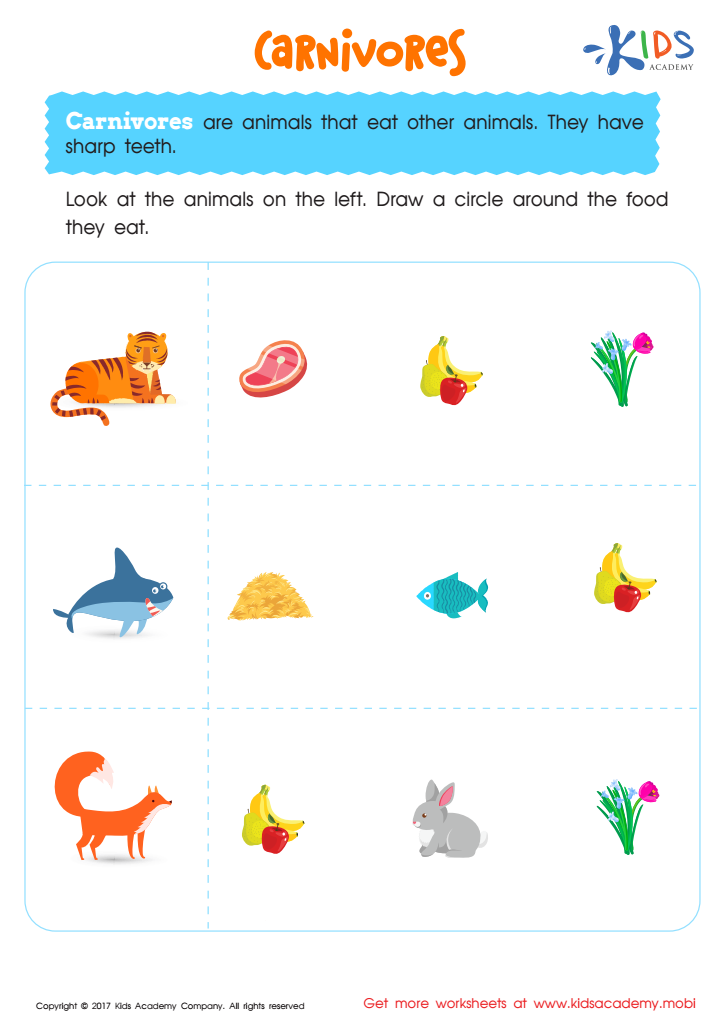
Carnivores Worksheet
Boost their vocabulary and help them explore the incredible world of carnivores.
Carnivores Worksheet
Worksheet
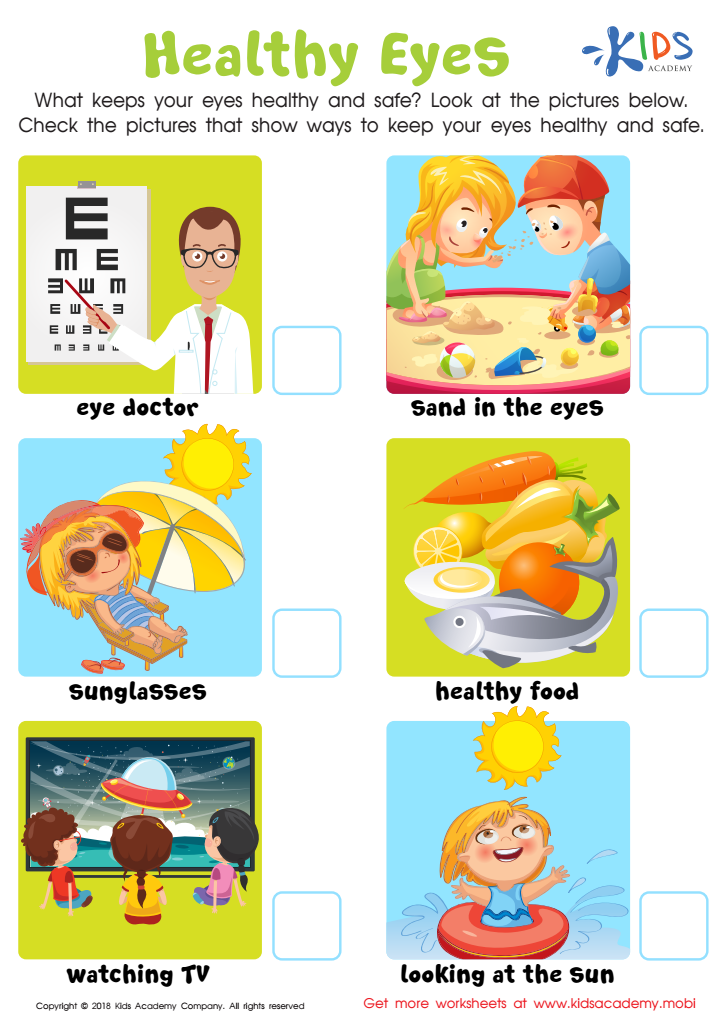
Healthy Eyes Worksheet
Does your child know how to care for their eyes? Help them understand with this worksheet. Look through the pictures together and discuss the different ways to keep the eyes healthy and safe. These include visits to the doctor, wearing sunglasses, and eating healthy food.
Healthy Eyes Worksheet
Worksheet
Join Kids Academy for Free
Who is primarily going to use this learning content?



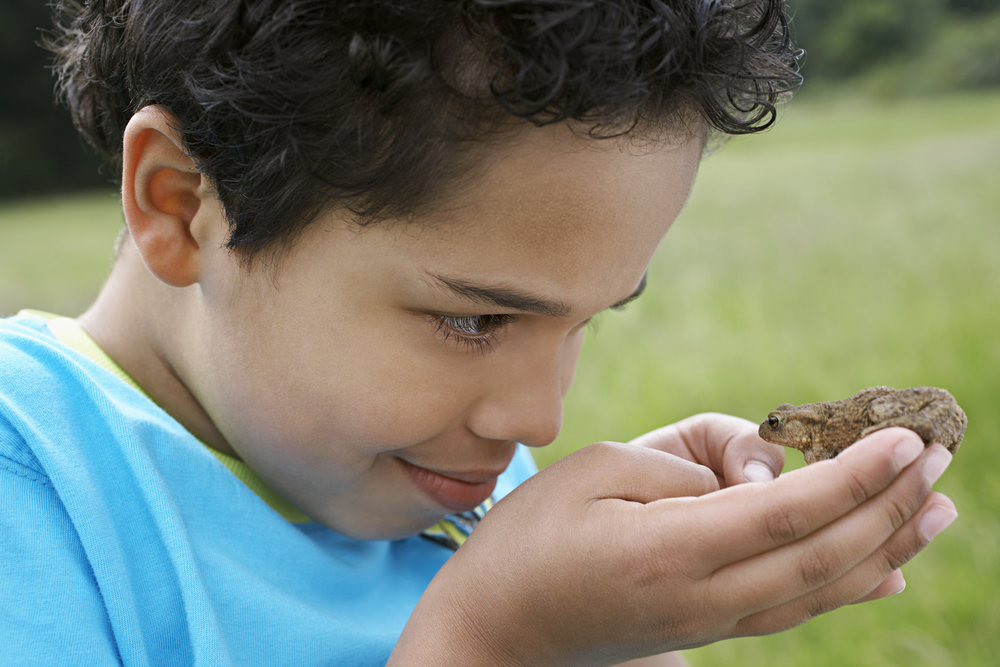




Vocabulary enhancement in young children, especially within the area of life science, is crucial for several reasons. First and foremost, a rich vocabulary supports overall language development, which is fundamental for effective communication and academic success. Introducing life science terminology helps children articulate their observations and questions about the natural world, fostering curiosity and engagement.
Moreover, at ages 3-6, children are in a critical period of cognitive development, where they can absorb and retain new information rapidly. Introducing them to life science vocabulary not only enriches their language but also steers them toward scientific thinking. When children understand words like “plant,” “animal,” “habitat,” or “growth,” they can more easily grasp basic life science concepts, aiding in their cognitive development.
Additionally, vocabulary enhancement promotes better reading comprehension. When children eventually begin to read life science books or nature-related stories, familiarity with pertinent vocabulary will facilitate understanding and enjoyment.
Parents and teachers who prioritize vocabulary development in young children equip them with the tools to succeed academically and enjoy lifelong learning. Engaging children with life science vocabulary also builds a foundation for environmental awareness, encouraging an appreciation for and stewardship of the natural world. Overall, this essential skill fosters intellectual and emotional growth, paving the way for a well-rounded education.








