Cognitive Development Normal Plants and Animals Worksheets for Ages 3-6
6 filtered results
-
From - To
Unlock your child’s potential with our "Cognitive Development Normal Plants and Animals Worksheets" designed for ages 3-6! These engaging, age-appropriate worksheets promote essential cognitive skills through fun and interactive activities centered around the fascinating world of plants and animals. Each worksheet encourages critical thinking, problem-solving, and observation, helping young learners connect with nature while enhancing their understanding of living things. Perfect for home or classroom use, our resources foster curiosity and creativity in young minds, making learning an enjoyable adventure. Explore this wonderful collection and support your little one’s cognitive growth as they explore their natural surroundings!
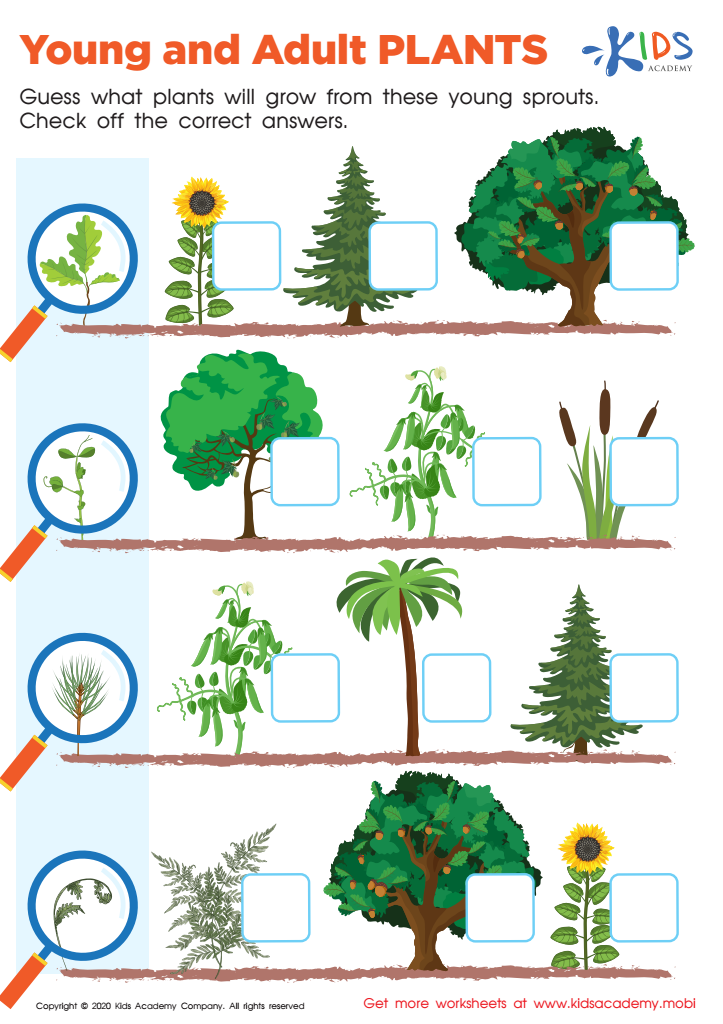
Young and Adult Plants Worksheet
 Assign to My Students
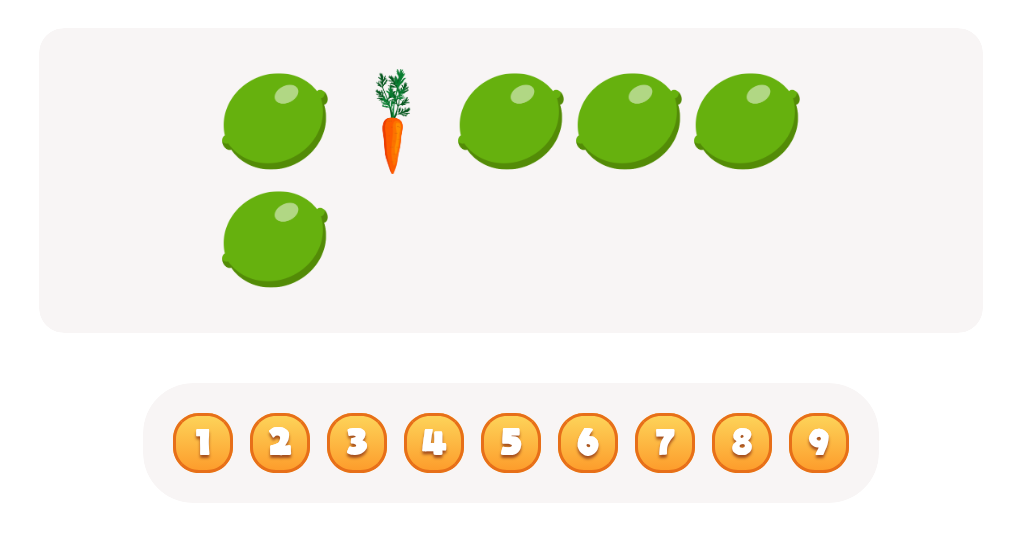


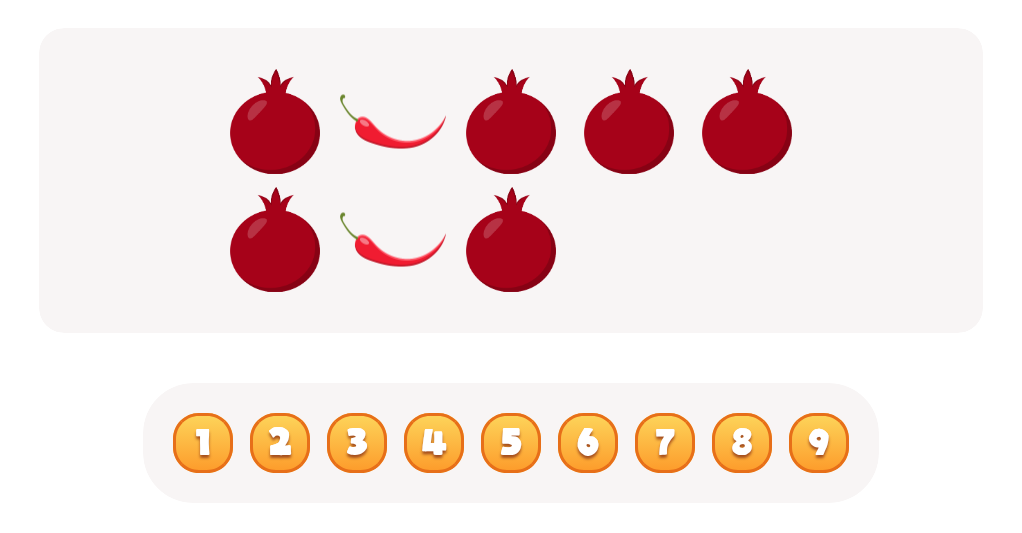
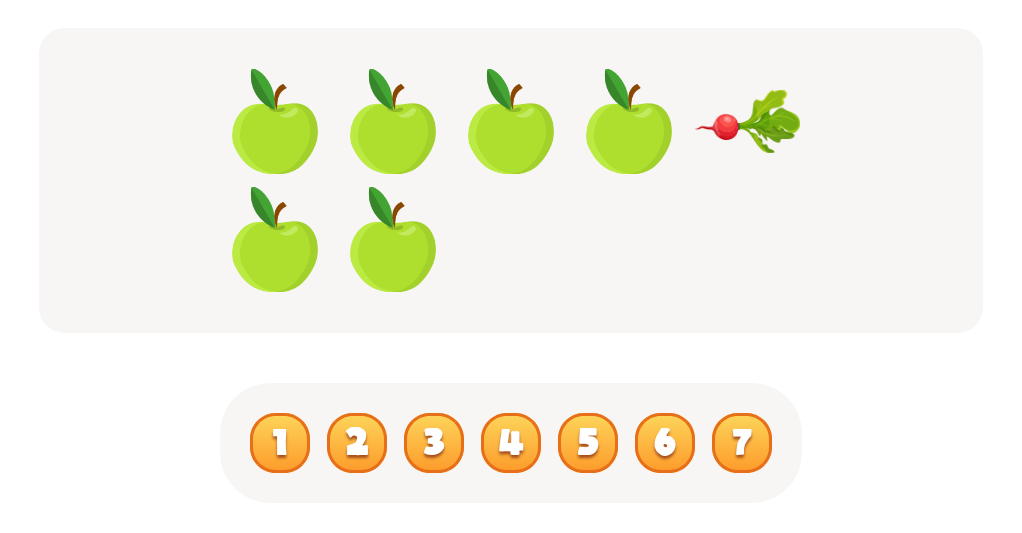



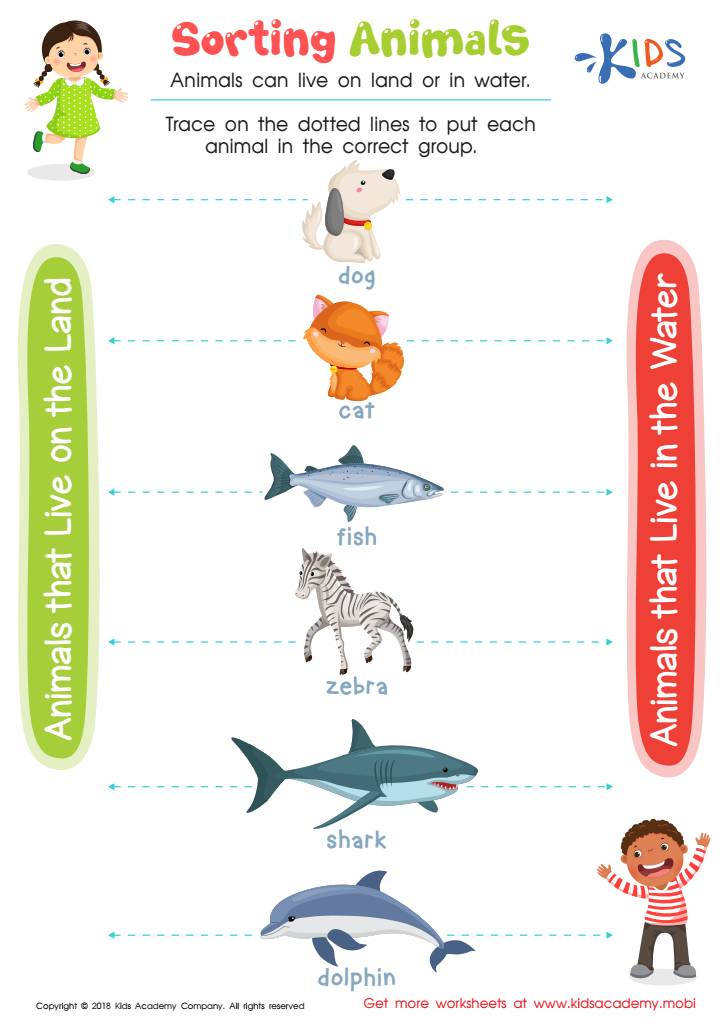
Sorting Animals Worksheet
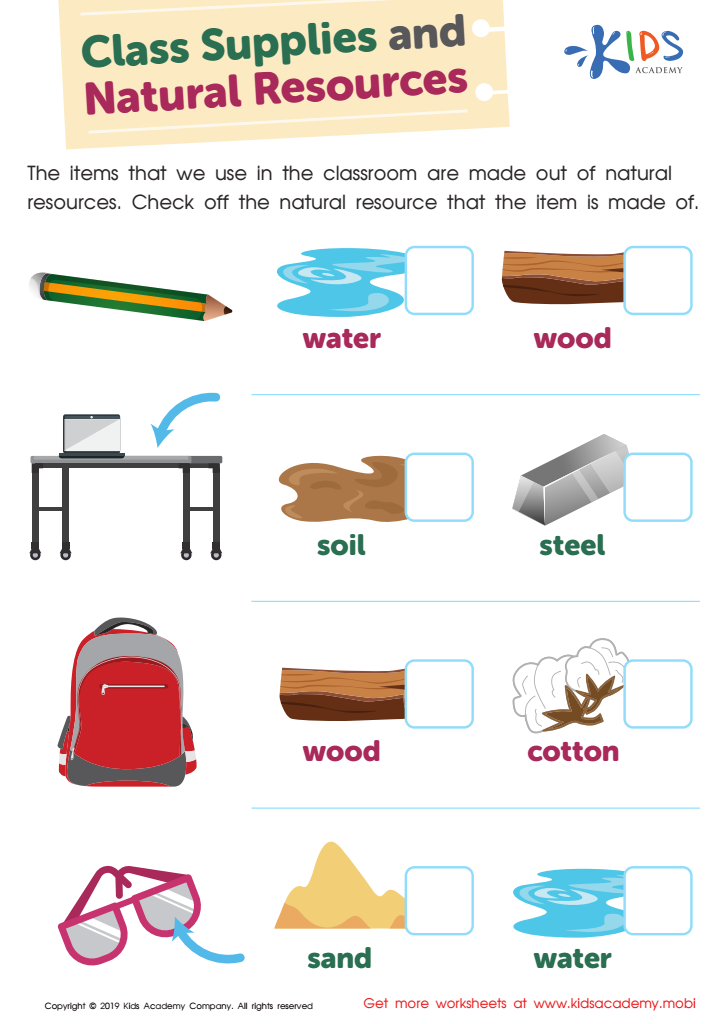
Class Supplies and Natural Resources Worksheet
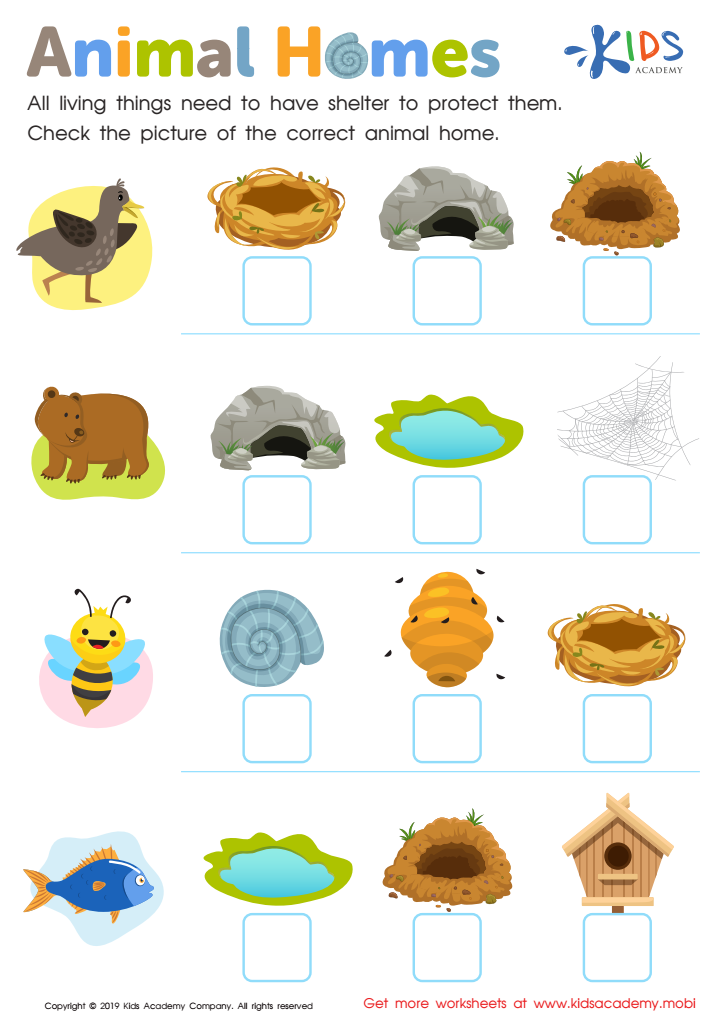
Animal Homes Worksheet
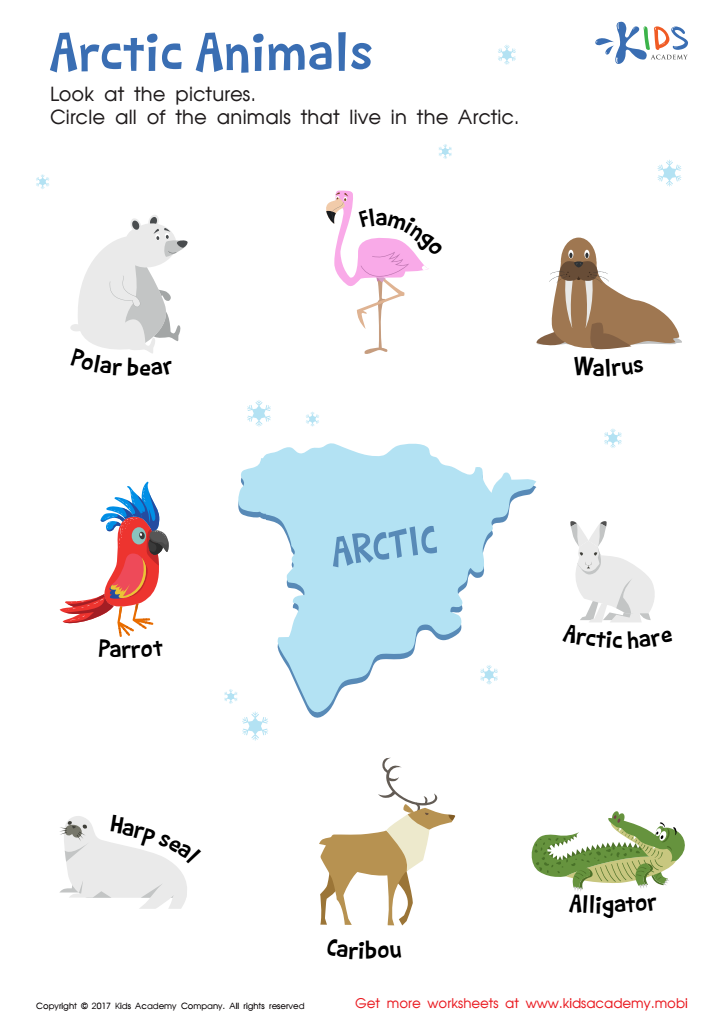
Arctic Animals Worksheet
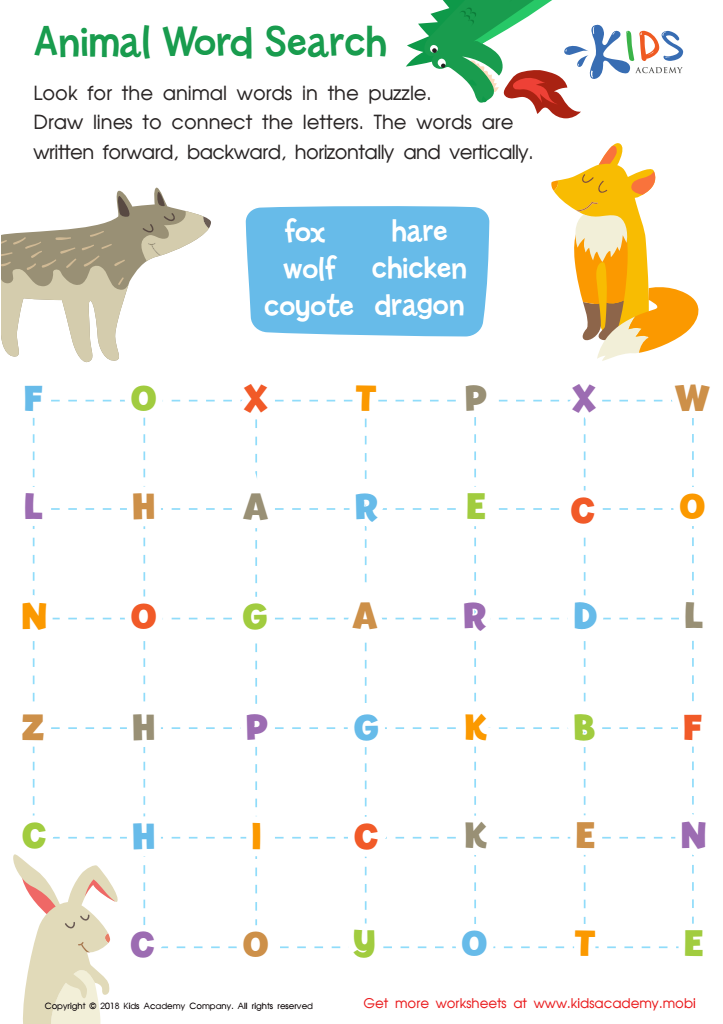
Animal Word Search Worksheet







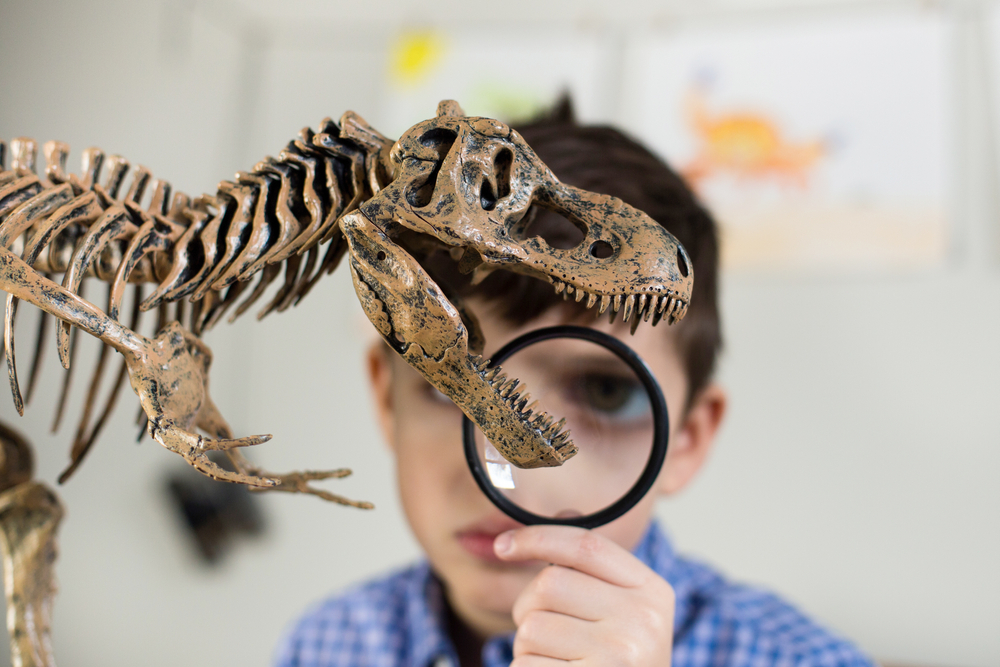
Cognitive development plays a crucial role in how children understand the world around them, particularly regarding their knowledge of plants and animals. For children aged 3-6, this stage is characterized by rapid neural growth and heightened curiosity. By introducing concepts related to plants and animals, parents and teachers can foster critical thinking skills, creativity, and problem-solving abilities.
Learning about plants helps children grasp essential concepts like life cycles, ecosystems, and the importance of nature. They begin to understand where food comes from and the basics of plant care, which kick-starts their interest in science and the environment. Similarly, delving into the animal kingdom encourages children to observe, classify, and compare different species, enhancing their observational skills and nurturing empathy towards living creatures.
Moreover, exploring these topics can boost language skills as children learn to articulate their thoughts and ideas about nature. Engaging with plants and animals often involves hands-on activities that promote social skills and teamwork. Ultimately, parental and educational involvement in cognitive development in these areas not only enriches children's learning experiences but lays the foundation for a lifelong appreciation of nature and science, setting the stage for future academic pursuits.







