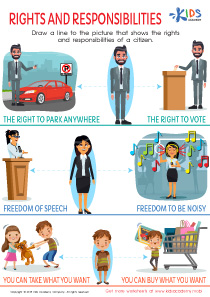
Map reading skills Normal Geography Worksheets for Ages 3-6
5 filtered results
-
From - To
Enhance your child's understanding of the world with our engaging "Map Reading Skills Normal Geography Worksheets" designed for ages 3-6. These expertly crafted worksheets introduce young learners to essential map concepts, such as symbols, directions, and scales, fostering early geography skills. Activities are tailored to boost critical thinking and spatial awareness, making learning fun and interactive. Each worksheet aims to stimulate curiosity, help children navigate their surroundings, and build a foundational understanding of geography. Perfect for use in classrooms or at home, our resources support educators and parents in encouraging exploration and discovery at an early age. Start your adventure today!
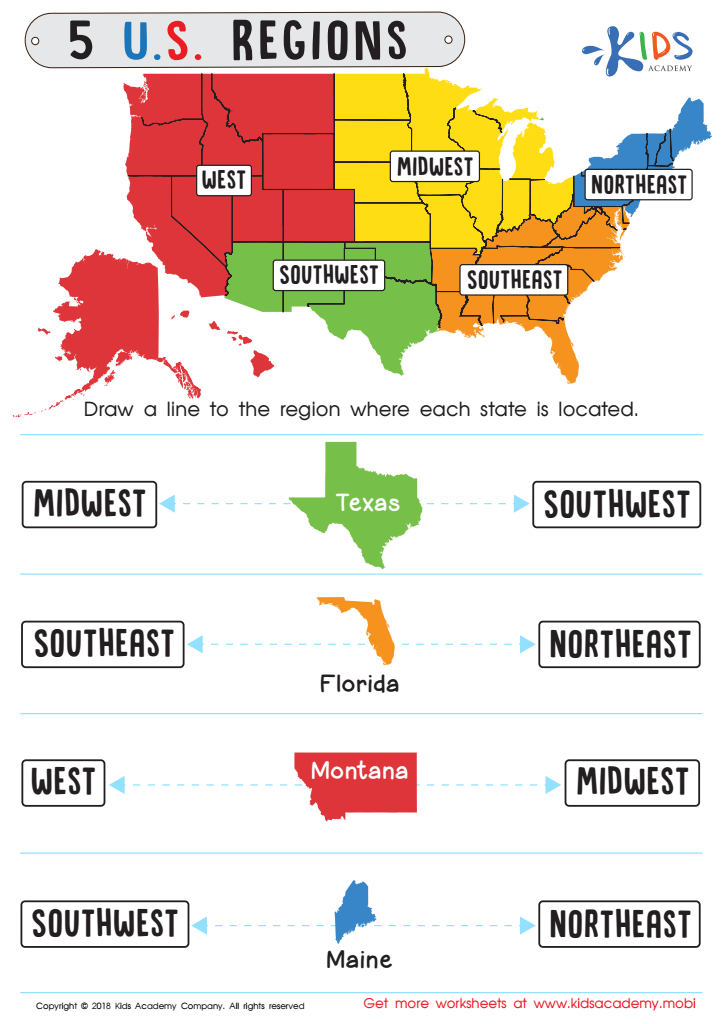
5 U.S. Regions Worksheet
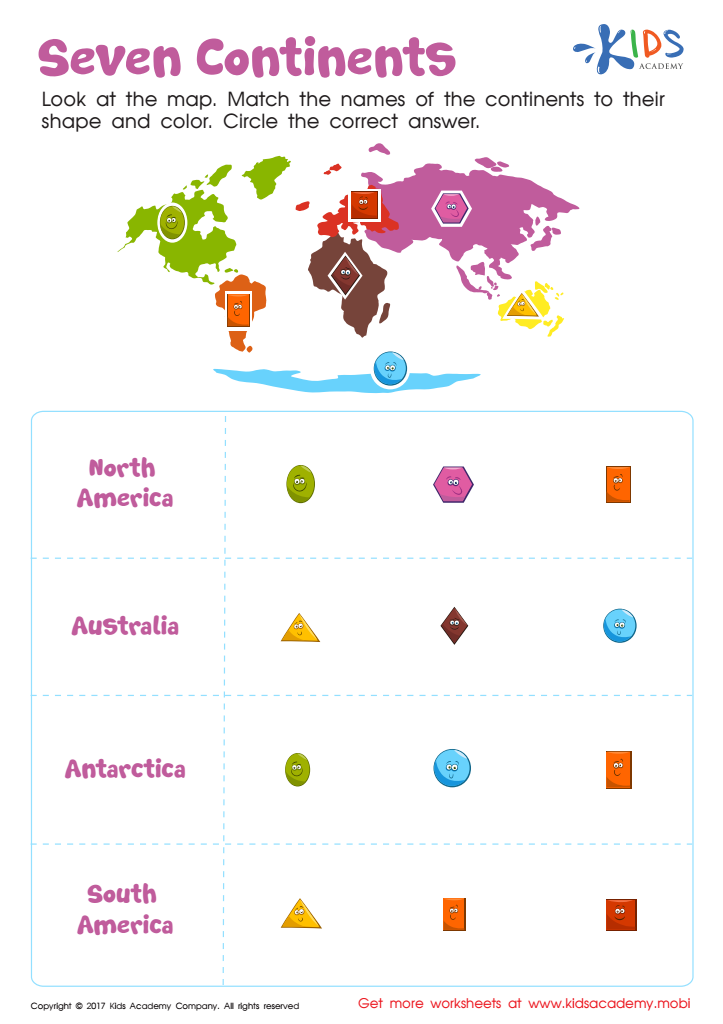
Seven Continents Worksheet
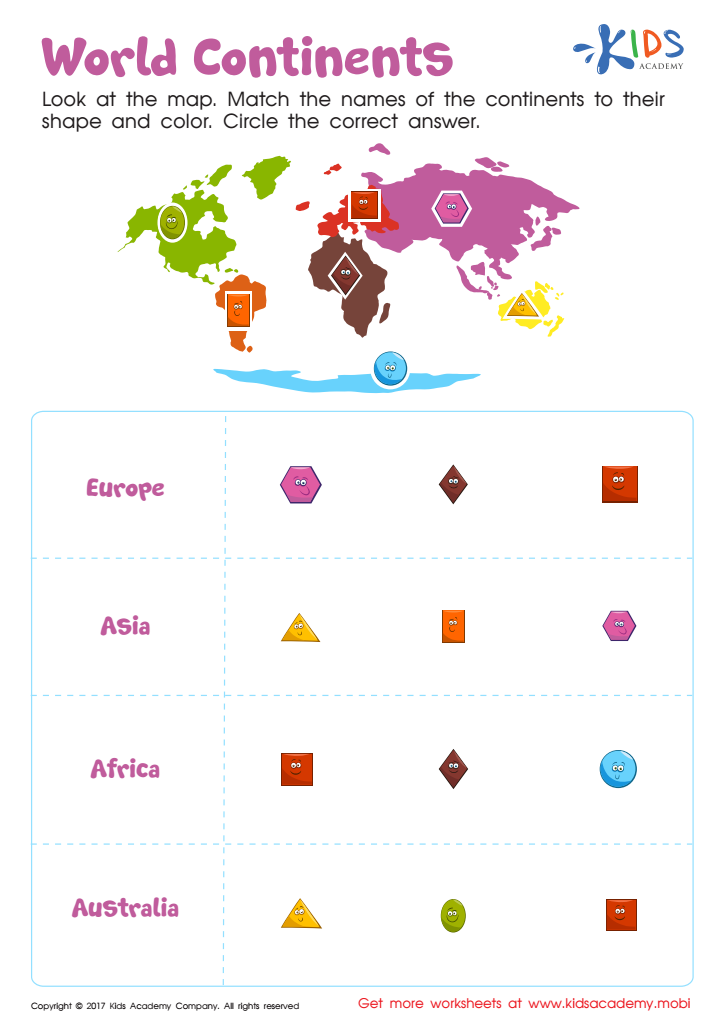
World Continents Worksheet
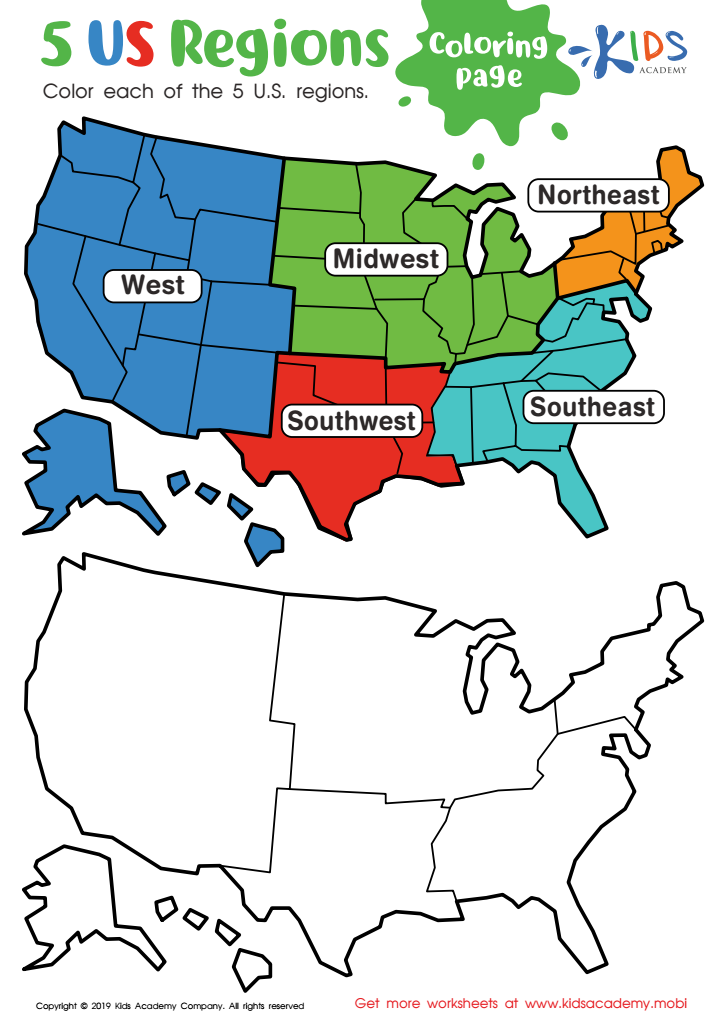
US Regions Coloring Page Worksheet
 Assign to My Students
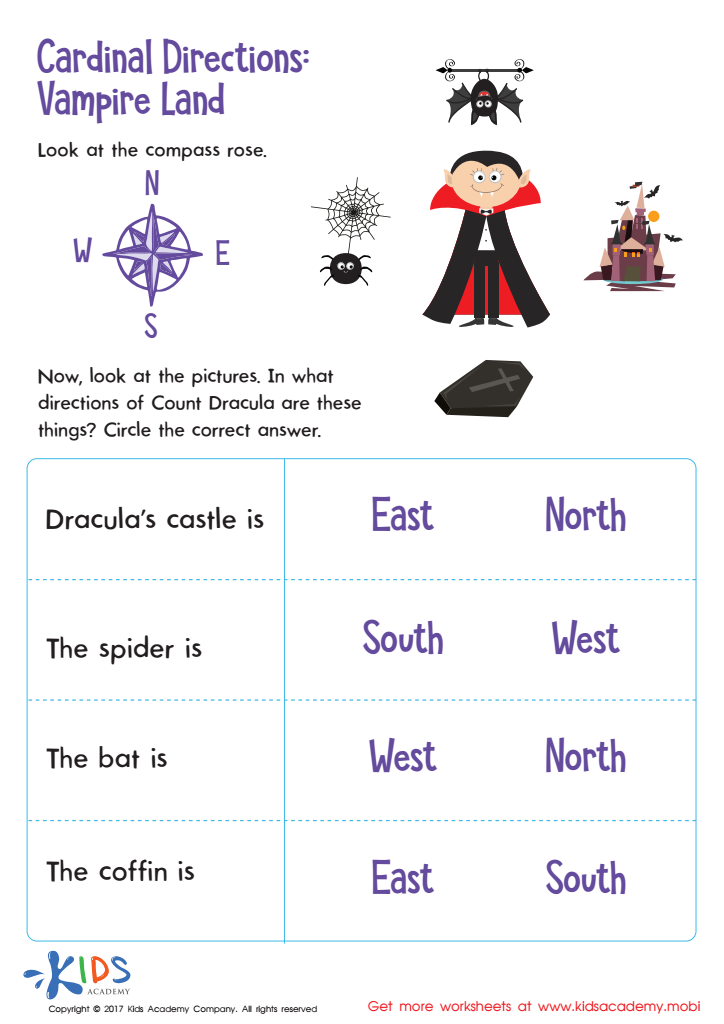
Cardinal Directions Printable


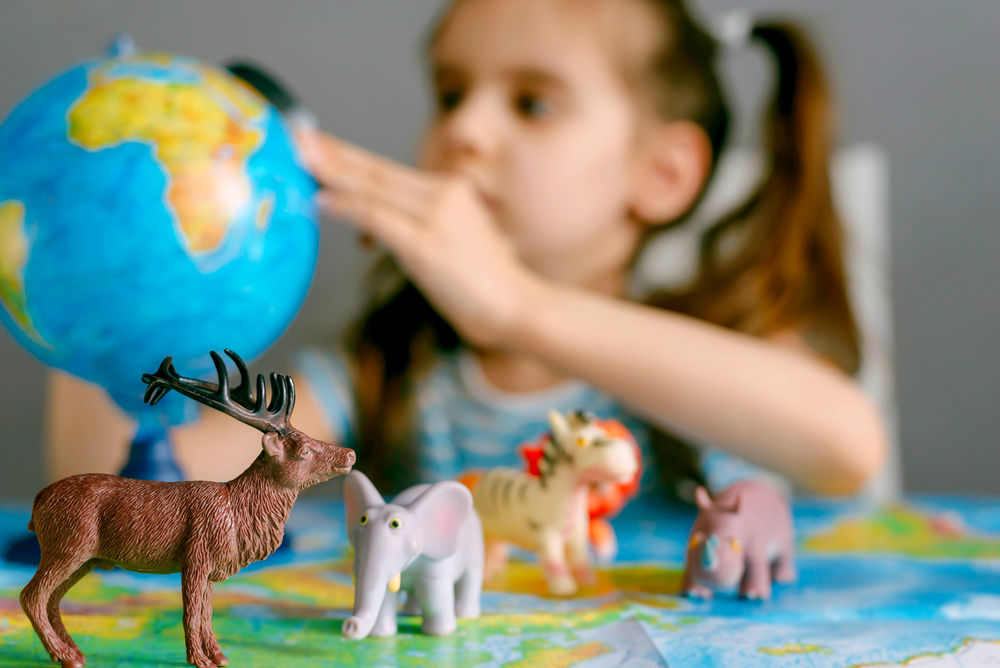




Map reading skills are vital for children aged 3-6 as they lay the foundation for spatial awareness, critical thinking, and real-world navigation. At this early stage, children are naturally curious about their environment, and introducing them to basic geography concepts can significantly enhance their cognitive development. Understanding maps helps young learners visualize relationships between different places and comprehend directions, fostering executive functioning skills like problem-solving and decision-making.
Parents and teachers should encourage map reading to cultivate a sense of place and confidence in young children. Engaging them in activities such as treasure hunts or exploring local parks using simple maps stimulates their imaginations while providing practical experiences in navigating spaces. This not only makes learning fun but also reinforces language development as children learn to discuss locations, distances, and routes.
Moreover, developing map reading skills promotes social interaction as children work together in groups to interpret maps, share ideas, and achieve common goals. In a world increasingly interconnected through technology, foundational geography skills serve to empower young learners, making them more observant, adaptable, and capable of understanding their surroundings now and in the future. Ensuring children grasp these skills early on equips them for success in an increasingly complex world.