Motor skills development Normal ABC Letters Worksheets for Ages 3-7
3 filtered results
-
From - To
Enhance your child's early learning with our Motor Skills Development Normal ABC Letters Worksheets designed for ages 3-7. These engaging and educational worksheets merge the joy of learning the alphabet with activities aimed at developing fine motor skills. Each sheet encourages tracing, coloring, and writing, which are essential for hand-eye coordination and dexterity. Perfect for preschool to early elementary-aged children, our resources are designed to make learning fun, interactive, and effective. Help your child master the ABCs and build a solid foundation for future academic success with our expertly crafted worksheets. Discover more at Kids Academy!

Letter H Tracing Page










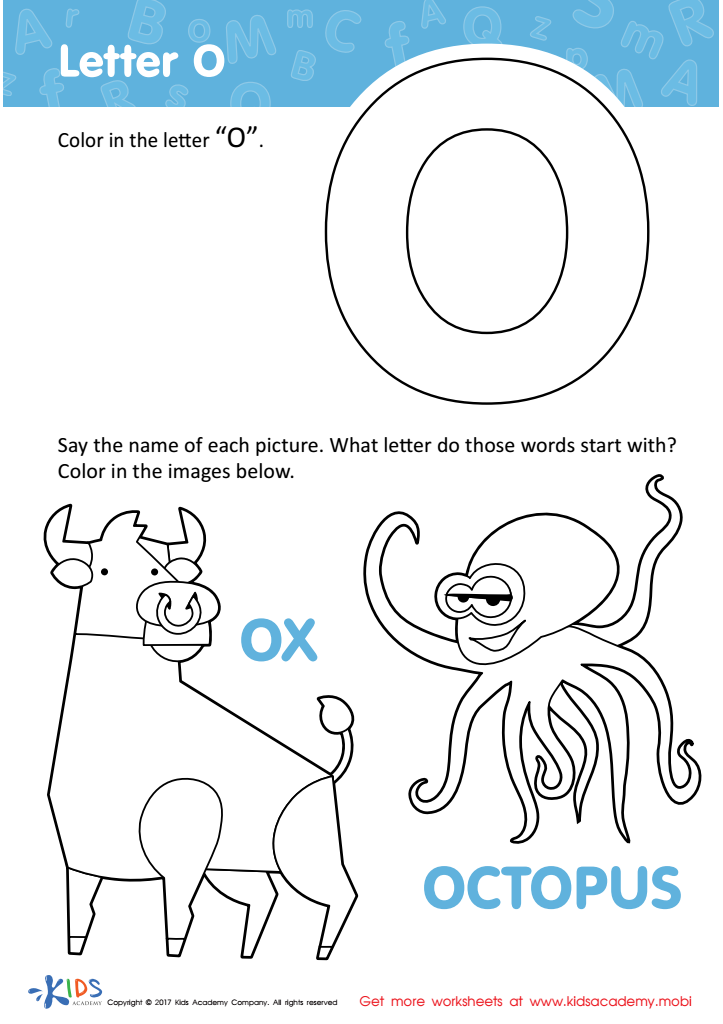
Letter O Coloring Sheet
 Assign to My Students
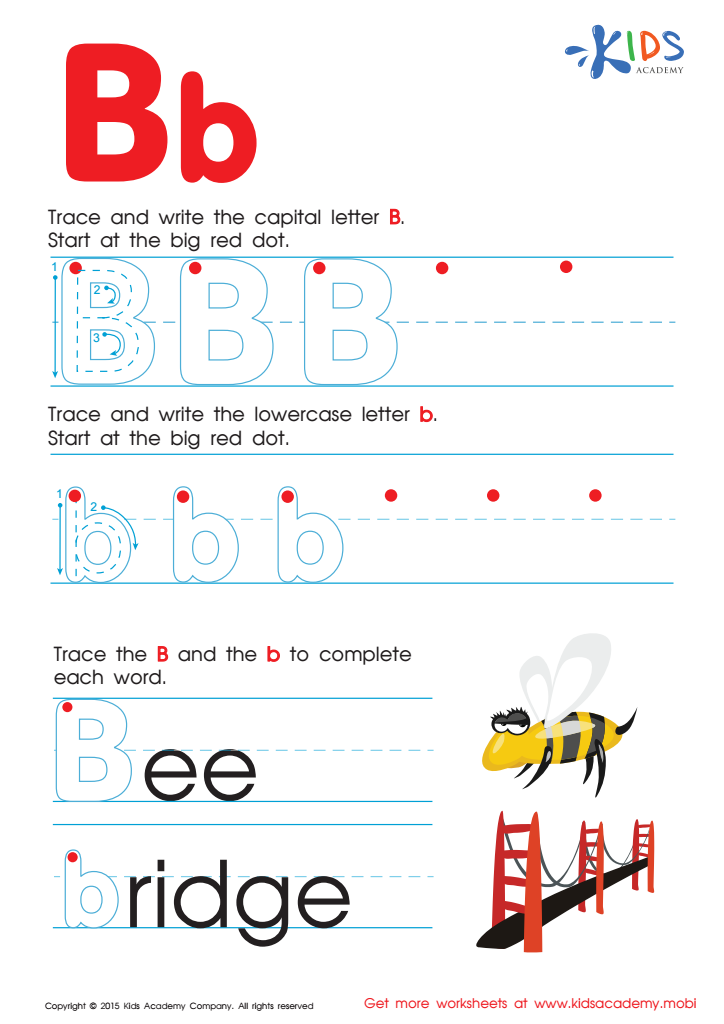
Letter B Tracing Page








Parents and teachers should care deeply about motor skills development in young children because it serves as the foundation for various essential functions that kids need for their overall development. At ages 3-7, children experience rapid growth in both fine and gross motor abilities. Fine motor skills involve smaller movements such as picking up small objects and writing, while gross motor skills involve larger movements like running or jumping.
Developing these skills is critical for success in school and everyday life. For instance, fine motor skills are crucial for learning to write, enabling children to hold a pencil correctly and form letters as they practice normal ABC letters. Proper development of these abilities can improve a child's hand-eye coordination, concentration, and task persistence.
Gross motor skills are equally vital. They help children gain confidence in their physical abilities, enhancing their ability to engage in play and recreational activities. Skills like balance and coordination gained from activities such as climbing or hopping contribute to overall physical health and well-being.
Additionally, motor skills are intertwined with cognitive and emotional development. Mastering these skills can boost a child's self-esteem and social interactions, as they are better equipped to join in on activities with peers. Prioritizing motor skills development ultimately lays a solid foundation for lifelong learning, physical fitness, and social competence.







