Motor skills development Normal Alphabet Worksheets for Ages 3-7
3 filtered results
-
From - To
Discover our "Motor Skills Development Normal Alphabet Worksheets" designed for children aged 3-7. These engaging worksheets promote essential fine motor skills through fun activities that combine letter learning with hands-on practice. As kids trace, cut, and draw, they not only enhance their dexterity but also familiarize themselves with the alphabet. Suitable for home and classroom use, these worksheets offer a playful approach to early literacy, encouraging young learners to explore letters creatively. Ideal for developing coordination and boosting confidence in writing, our resources help lay a strong foundation for academic success. Start your child's learning journey today!

Letter H Tracing Page
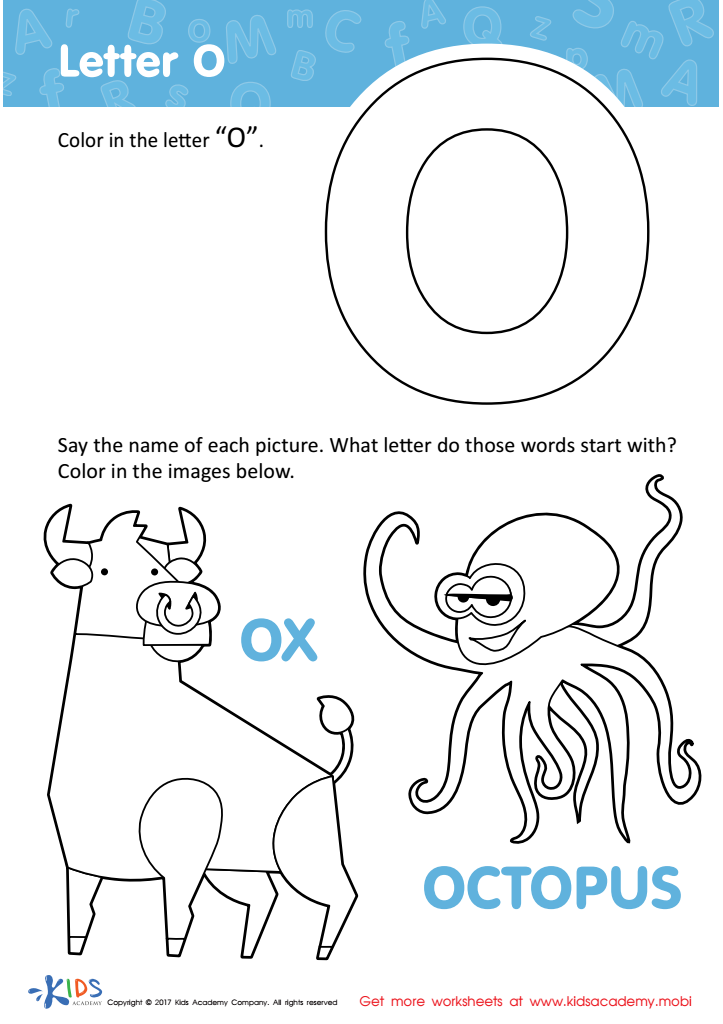
Letter O Coloring Sheet
 Assign to My Students
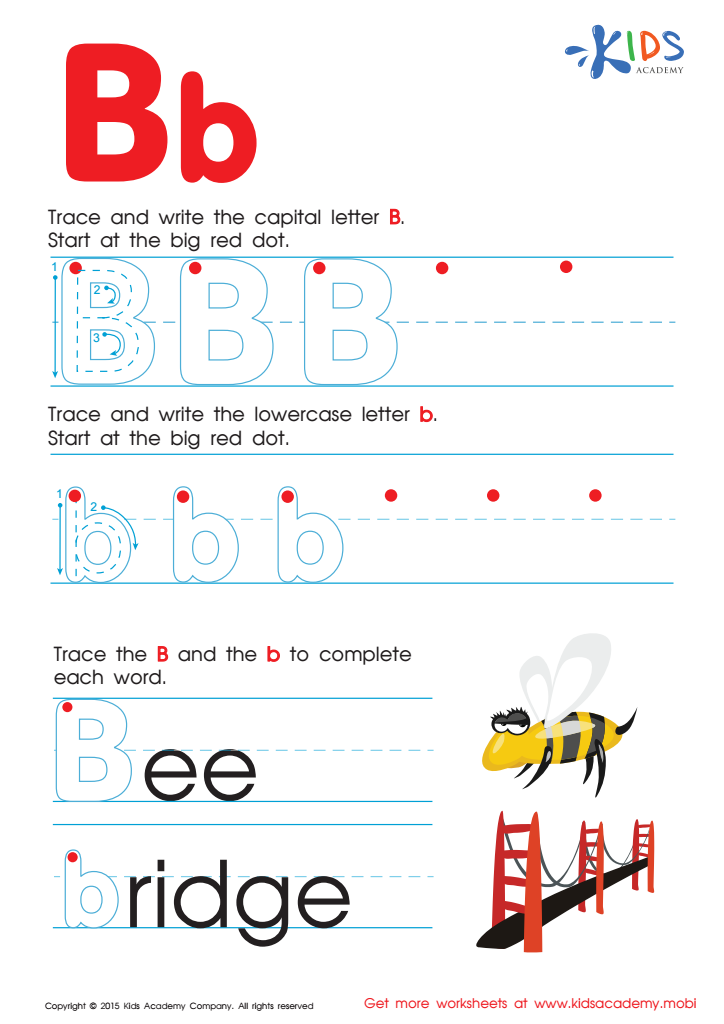
Letter B Tracing Page







Motor skills development is crucial for children aged 3-7 as it sets the foundation for their overall physical, cognitive, and social growth. During these formative years, children transition from basic movements to more coordinated actions, impacting their ability to explore the world and participate in everyday activities.
Parents and teachers should care about this development because fine and gross motor skills are essential for tasks like writing, tying shoelaces, and participating in sports. Mastery of these skills fosters independence and boosts a child’s self-esteem, making them more confident in their abilities.
Moreover, motor skills development promotes cognitive skills as children learn to problem-solve and navigate obstacles. Activities that enhance motor skills often involve play, which is integral to learning at this age. By encouraging activities like drawing, running, or playing with building blocks, adults can support not only physical capabilities but also creativity and social interaction among peers.
Additionally, early intervention is vital. If a child struggles with motor skills, prompt attention from parents or teachers can provide the necessary support to help them catch up. Overall, advocating for motor skills development creates a positive environment for learning and growth, impacting a child’s holistic development.







