Phonics improvement Normal Alphabet Worksheets for Ages 3-7
3 filtered results
-
From - To
Welcome to our "Phonics Improvement Normal Alphabet Worksheets for Ages 3-7" portal! Designed to enhance early literacy skills, our engaging worksheets focus on phonics fundamentals, helping young learners recognize letter sounds and build a strong alphabetical foundation. Ideal for children aged 3-7, these resources not only reinforce letter recognition but also promote sound blending and decoding abilities. Interactive activities make learning fun and effective, ensuring that children develop confidence in their reading skills. Browse our collection of vibrant and age-appropriate worksheets, perfect for home or classroom use. Let’s make phonics learning an enjoyable journey—download now and spark your child’s love for reading!
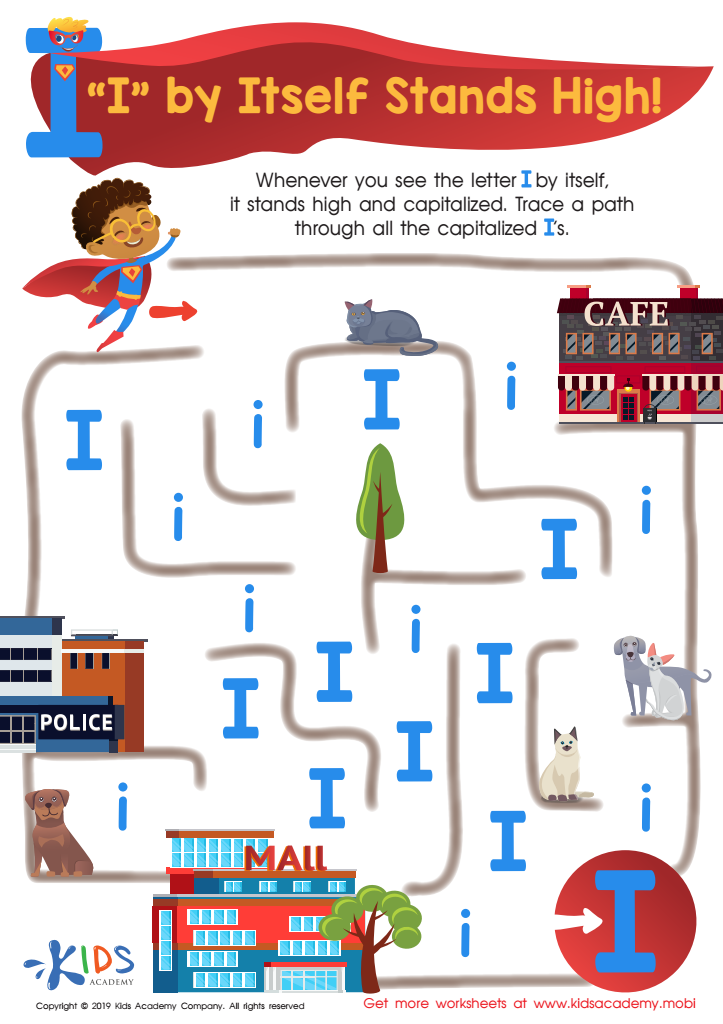
I Stands High Worksheet
 Assign to My Students
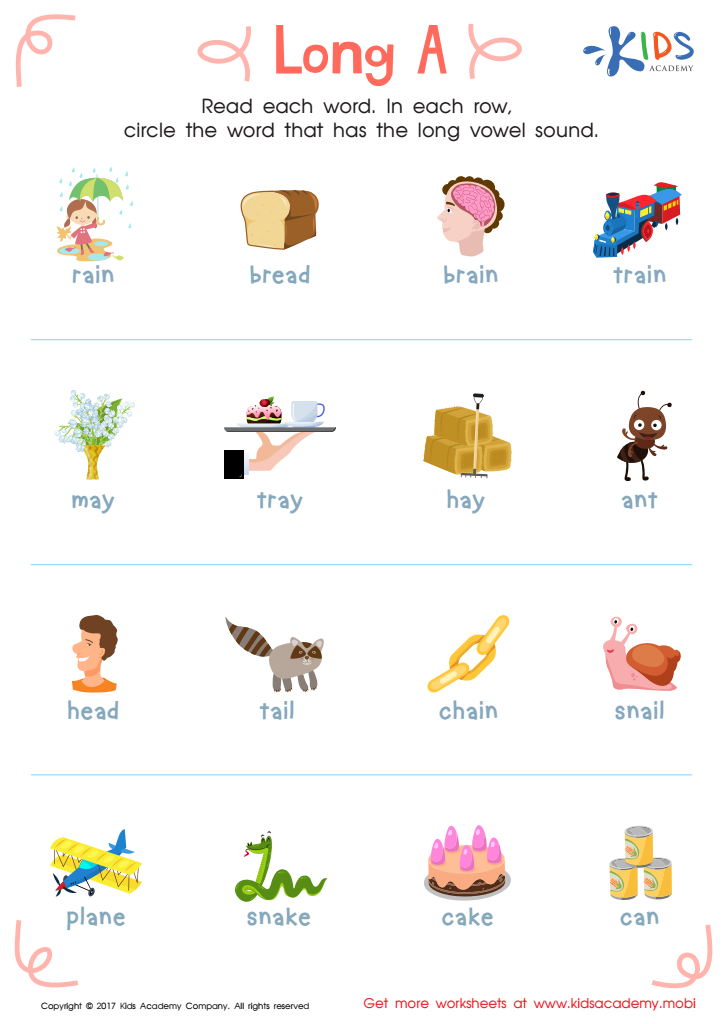
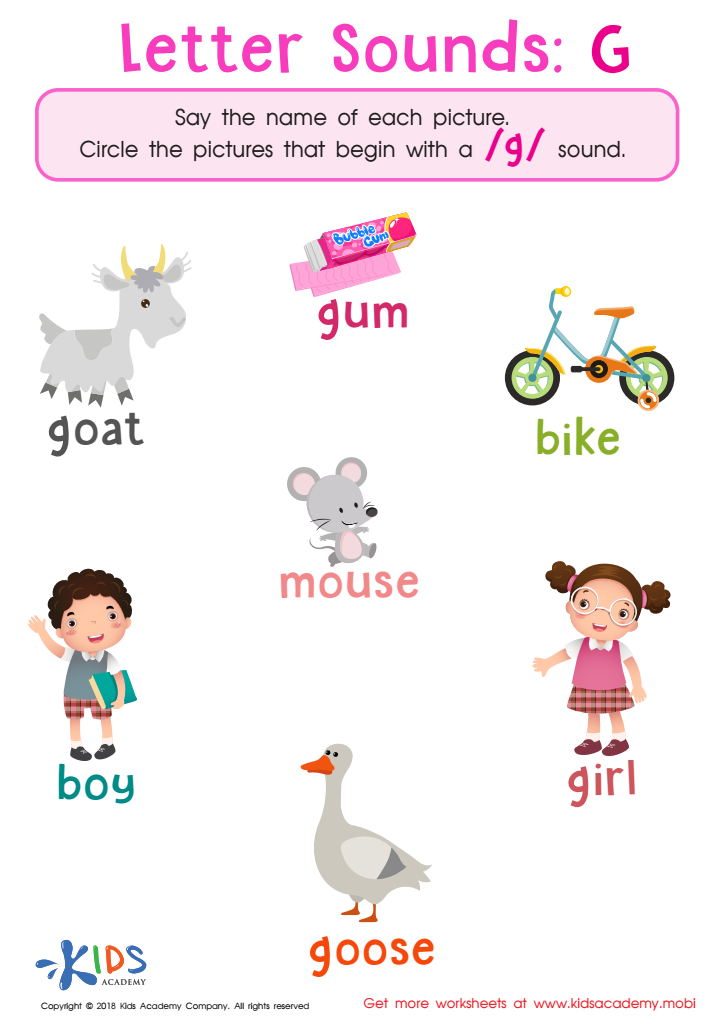
Letter G Sounds Worksheet








Phonics is a foundational skill essential for reading and literacy development in young children, particularly ages 3 to 7. It involves the understanding of how letters and sounds work together, enabling children to decode unfamiliar words and read independently. For parents and teachers, fostering phonics improvement during these formative years is crucial for several reasons.
First, a strong grounding in phonics directly contributes to children's reading proficiency. Early readers who grasp phonics concepts early will have a greater ability to engage with texts, enjoy reading, and develop comprehension skills, making literacy a positive experience.
Second, phonics instruction empowers children, giving them confidence to explore and discover language. Good reading skills lead to greater academic success in other subjects since reading is integral across the curriculum.
Additionally, many children struggle with literacy, and early intervention through phonics can make a significant difference in their learning trajectory. Fostered support from parents and teachers can lead to enhanced literacy skills, paving the way for lifelong learning and personal growth.
Ultimately, investing time and effort into phonics improvement not only supports language development but also fosters essential cognitive skills that benefit children throughout their education and beyond.







