Writing practice Normal Letter Recognition Worksheets for Ages 3-7
6 filtered results
-
From - To
"Writing Practice Normal Letter Recognition Worksheets for Ages 3-7" are designed to engage young minds in the fun-filled journey of alphabet mastery. These worksheets assist little learners in recognizing and writing upper and lower case letters through exciting activities. Each printable worksheet encourages the development of essential motor skills and pencil control while fostering a child's ability to distinguish and form letters accurately. Kids will find joy in learning as they trace, connect, and color their way through the alphabet. Ideal for home or classroom use, these resources make letter recognition a delightful and effective practice for early learners.
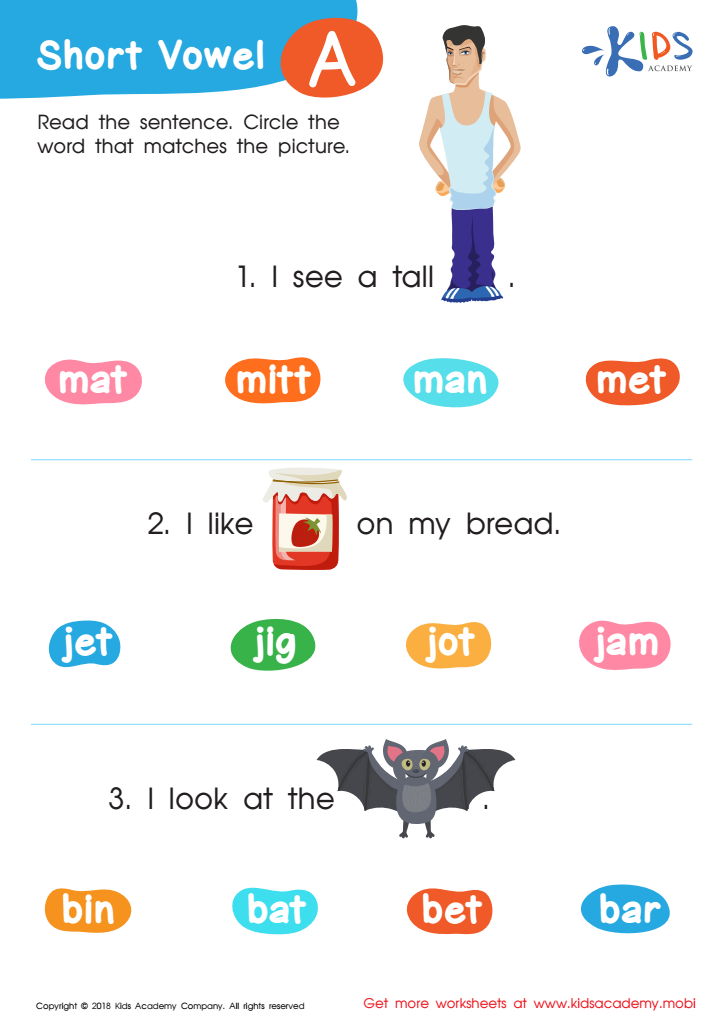
Short Vowel /a/ Worksheet
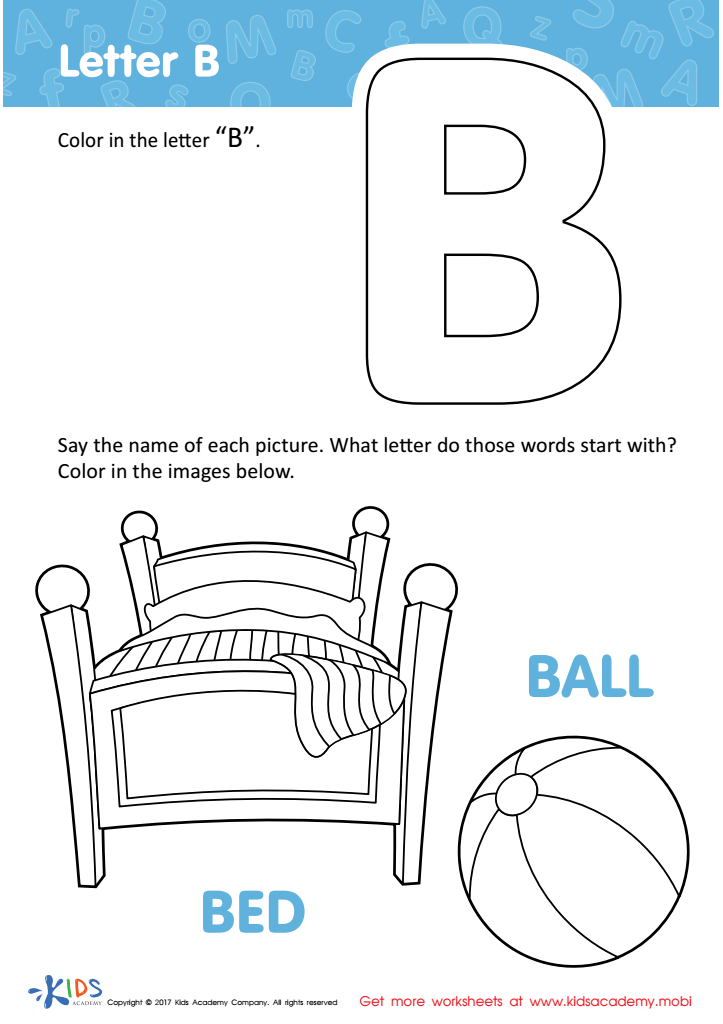
Letter B Coloring Sheet
 Assign to My Students
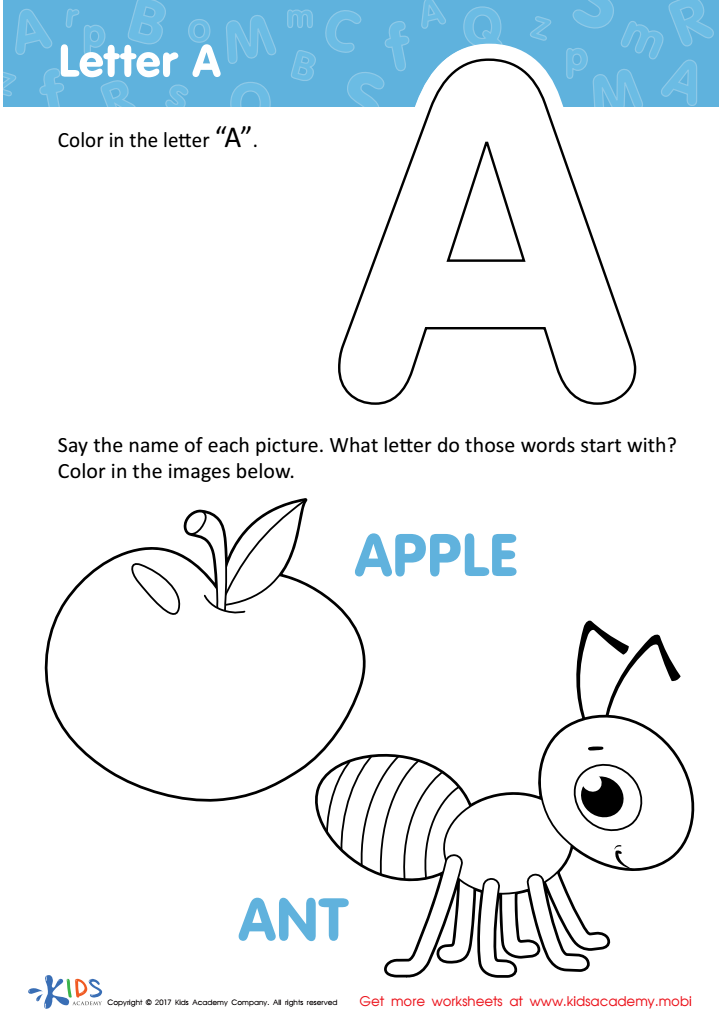
Letter A Coloring Sheet
Assign to My Students

Letter H Tracing Page
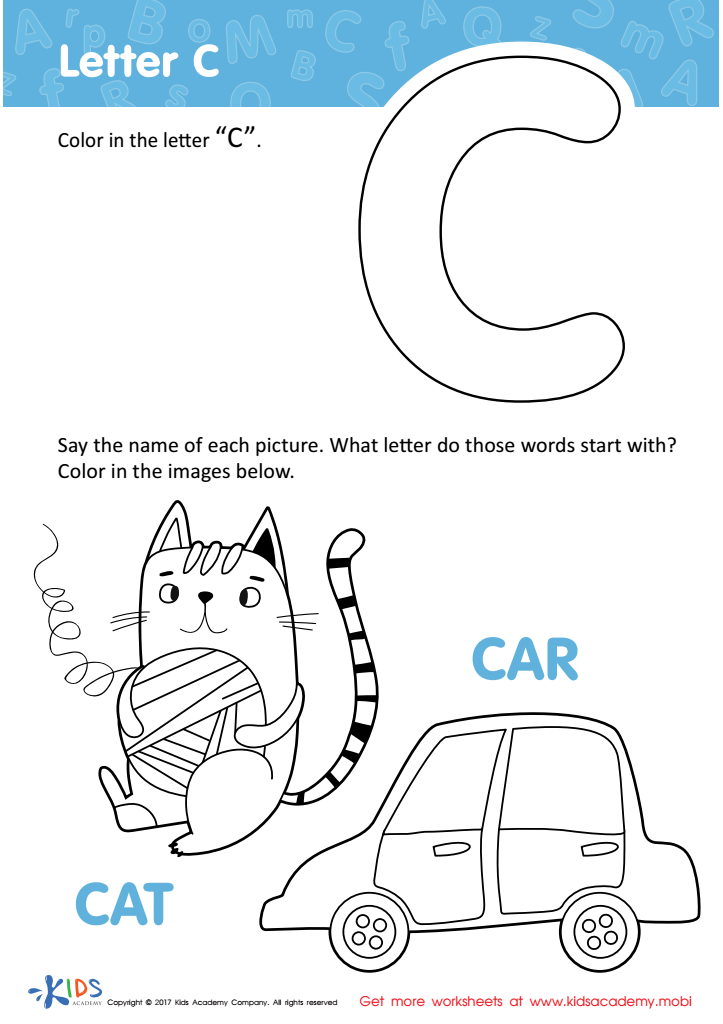
Letter C Coloring Sheet
Assign to My Students
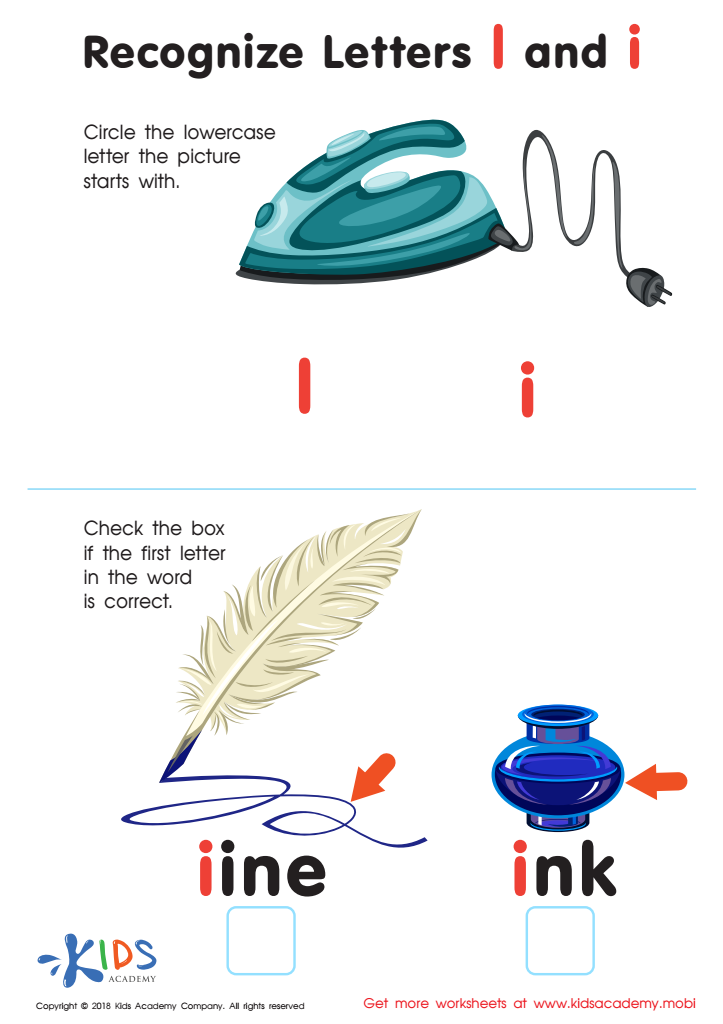
Recognize Letters l and i Worksheet








Parents and teachers should prioritize writing practice and normal letter recognition for children ages 3-7 because these foundational skills are crucial for cognitive and educational development. During these early years, children's brains are highly receptive to learning new concepts, and acquiring good handwriting and letter recognition forms the bedrock for future academic success.
Firstly, practicing writing improves fine motor skills. Young children develop better hand-eye coordination, dexterity, and muscle control, which are essential for other activities, from tying shoes to future tech usage that demands manual precision.
Secondly, early familiarity with letters through writing enhances literacy skills. When children learn to form letters correctly, they also begin to connect sounds with symbols, aiding in early reading development. This familiarity makes the transition to reading books smoother, fostering a love for reading and writing.
Moreover, writing practice reinforces learning through multisensory engagement. It combines visual (seeing the letter), auditory (saying the letter), and kinesthetic (writing the letter) learning, which can help solidify knowledge more robustly than by visual recognition alone.
Lastly, consistent practice builds confidence. As children master letter recognition and improve their writing, they feel a sense of accomplishment that boosts their self-esteem and encourages a positive attitude towards learning.
In essence, investing time in writing practice and letter recognition at an early age sets the stage for lasting educational benefits and personal growth.








