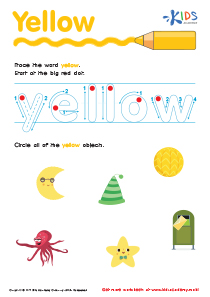
Alphabet Learning Normal English for Beginners Worksheets for Ages 3-7
3 filtered results
-
From - To
Welcome to our Alphabet Learning Worksheets designed specifically for beginner learners aged 3-7! These engaging resources introduce children to the foundational concepts of the English alphabet in a fun and interactive way. Our worksheets feature vibrant illustrations and exciting activities that help young learners recognize letters and enhance their vocabulary. Perfect for ESL learners, each worksheet aims to build essential literacy skills while promoting confidence in language acquisition. Encourage your child's early language development with our thoughtfully crafted worksheets, making learning a joyful adventure. Download them today and watch your little one's love for letters blossom!
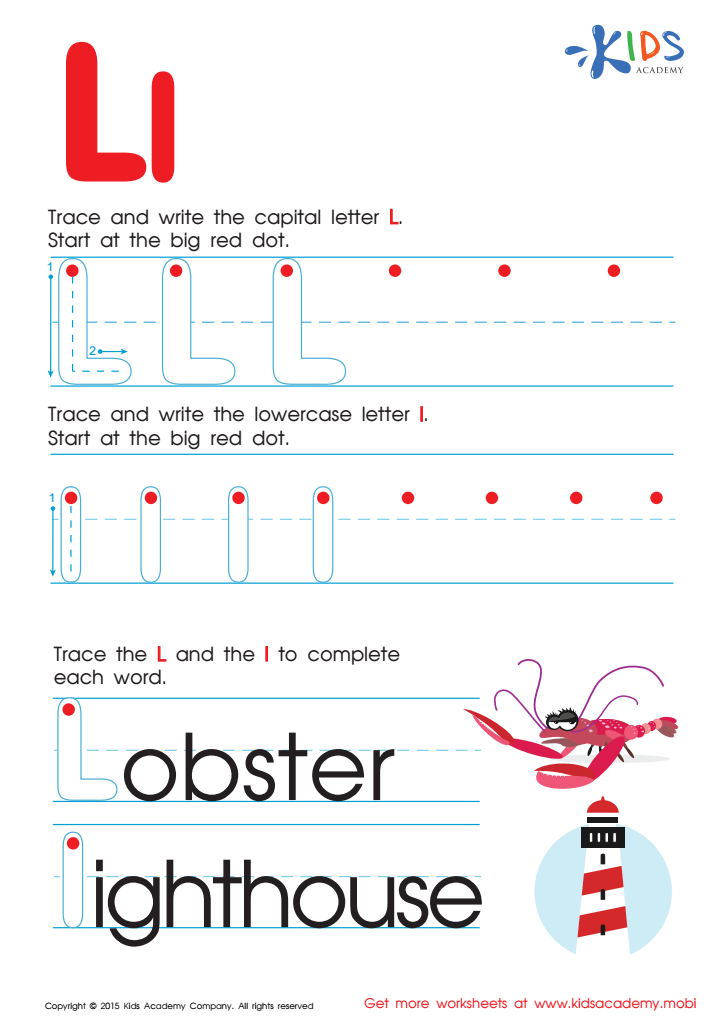
Letter L Tracing Page
 Assign to My Students
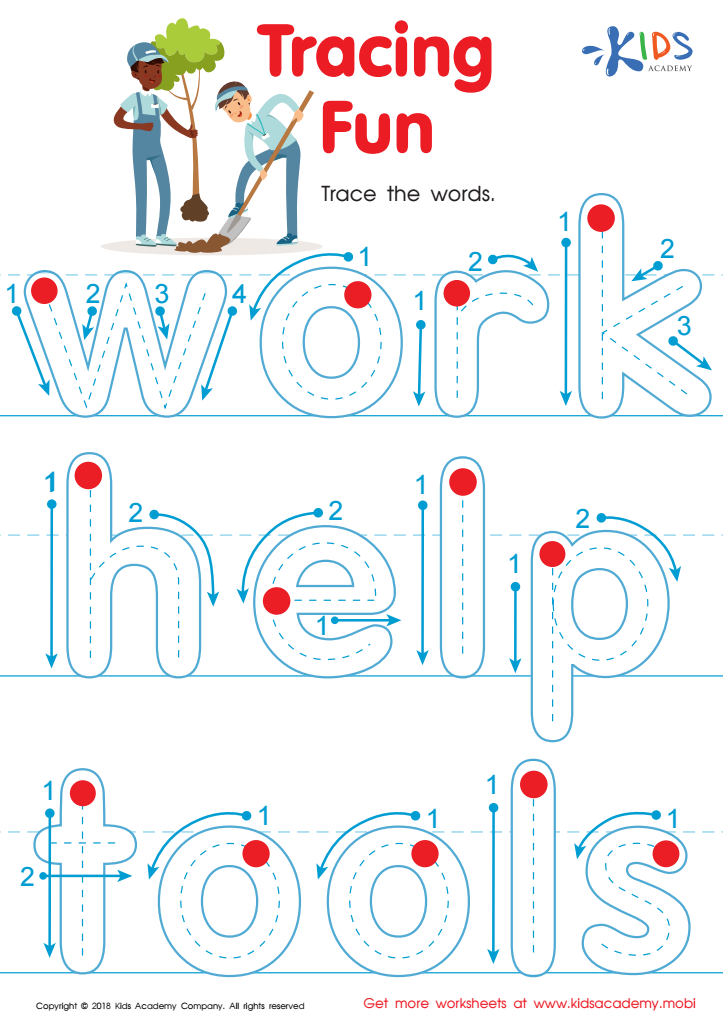
Tracing Fun Worksheet
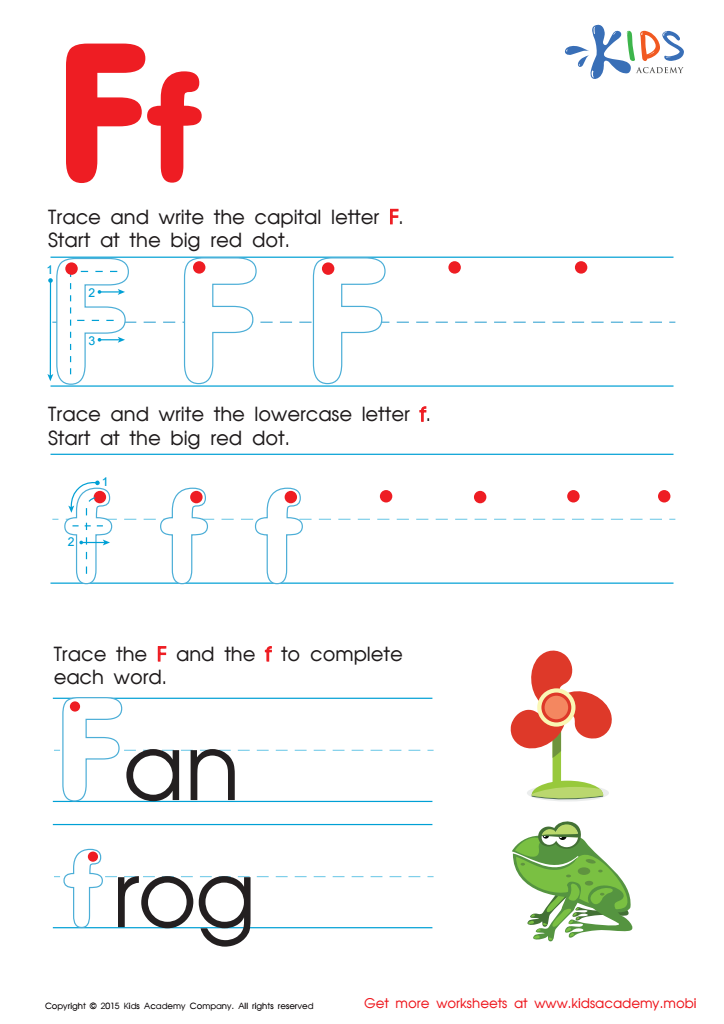
Letter F Tracing Page





Parents and teachers should prioritize Alphabet Learning in Normal English for beginners aged 3-7 because the early years are crucial for literacy development. Children who master the alphabet are better equipped to recognize letters, sounds, and words, laying a strong foundation for reading and writing skills. Engaging with the alphabet not only promotes language proficiency but also enhances cognitive development, improving memory, attention span, and critical thinking abilities.
Additionally, this phase is vital for building confidence in young learners. When children grasp letter recognition and phonics, they feel more empowered to explore reading, fostering a lifelong love for books. This engagement is especially important in our technology-driven world, where heavy screen time often replaces traditional reading activities.
Furthermore, tailored programs for beginners can accommodate different learning styles and promote interactive and playful learning environments. By using songs, games, and storytelling, both parents and teachers can create fun experiences that make learning enjoyable and effective.
In summary, prioritizing Alphabet Learning in Normal English for ages 3-7 positions children for academic success, nurtures their creativity and curiosity, and builds essential communication skills for their future. Through open conversations, caregivers can reinforce literacy as a priority in a child's educational journey.