Alphabet Recognition Normal English for Beginners Worksheets for Ages 3-7
19 filtered results
-
From - To
Explore our engaging "Alphabet Recognition Normal English for Beginners Worksheets" designed specifically for children ages 3-7. These printable resources will help young learners develop essential letter recognition skills while having fun. Each worksheet combines captivating visuals, interactive activities, and easy-to-follow instructions that guide children through the foundational elements of the English alphabet. Ideal for ESL learners, our worksheets promote early literacy, reinforce vocabulary, and build confidence in reading. With a variety of exercises that cater to different learning styles, these materials ensure every child can succeed. Start your child's alphabet journey today and watch their skills flourish!
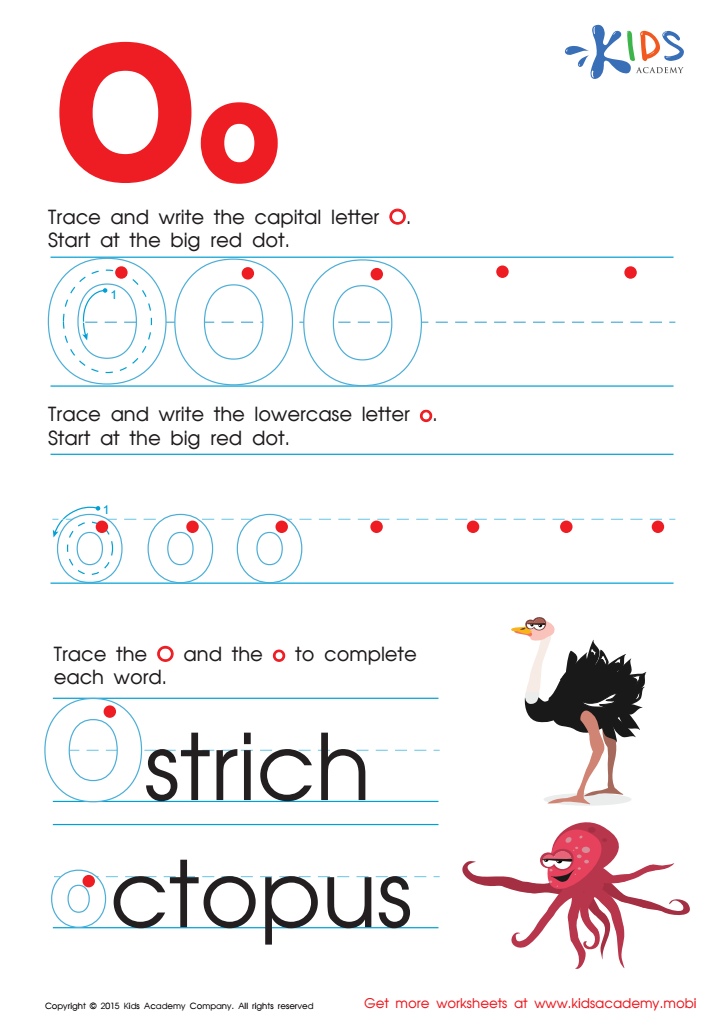
Letter O Tracing Page
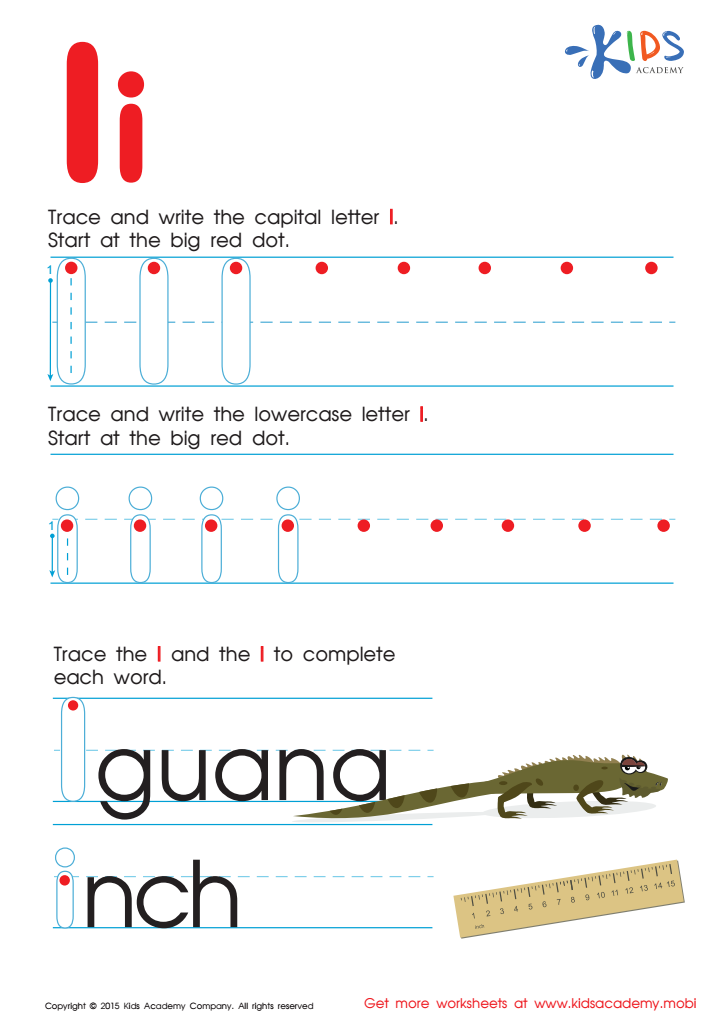
Letter I Tracing Page
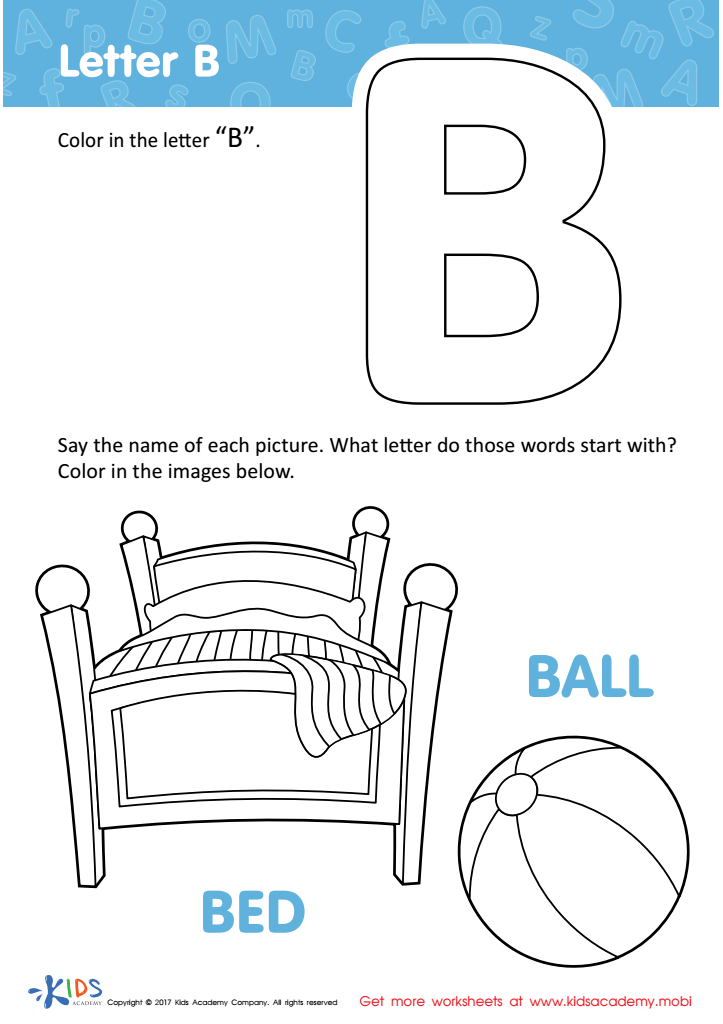
Letter B Coloring Sheet
 Assign to My Students
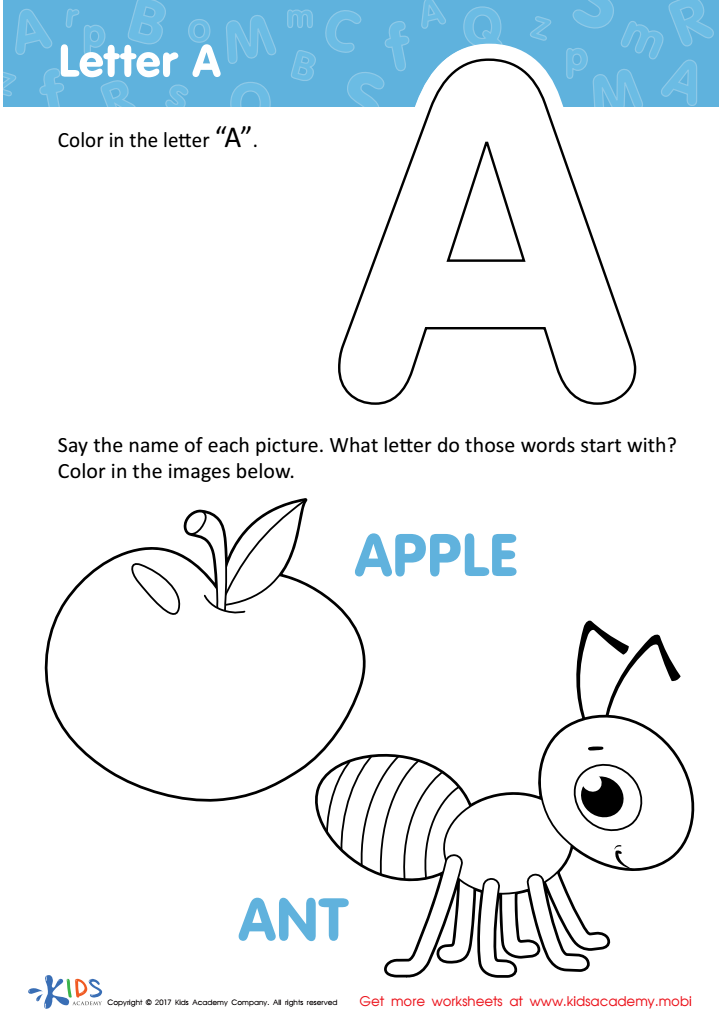
Letter A Coloring Sheet
Assign to My Students
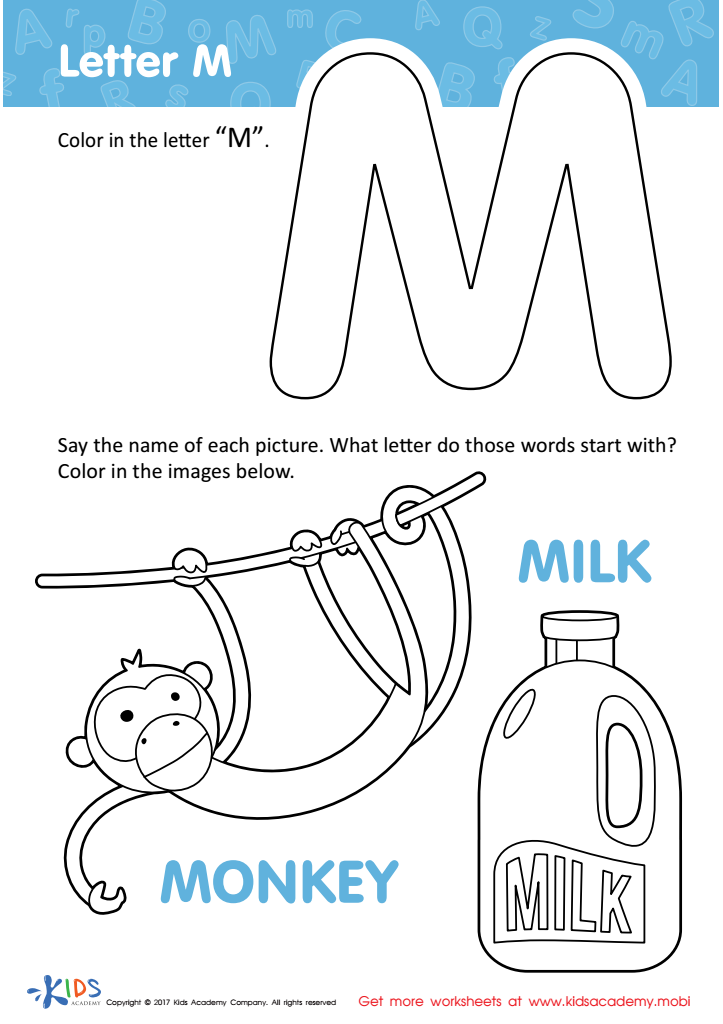
Letter M Coloring Sheet
Assign to My Students
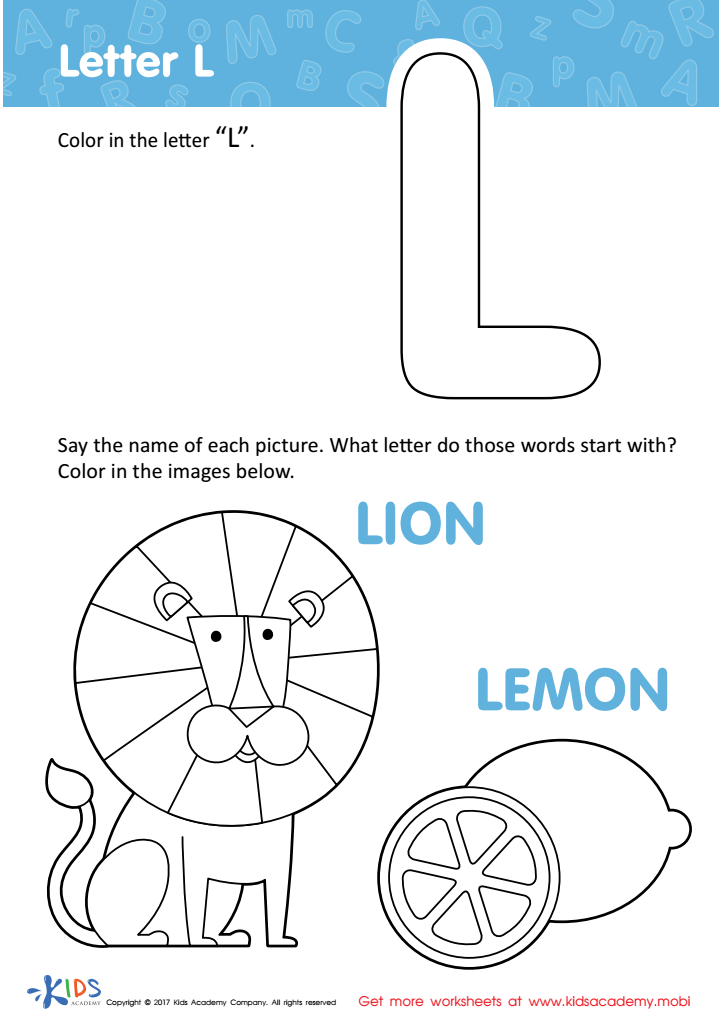
Letter L Coloring Sheet
Assign to My Students

Letter C Tracing Page
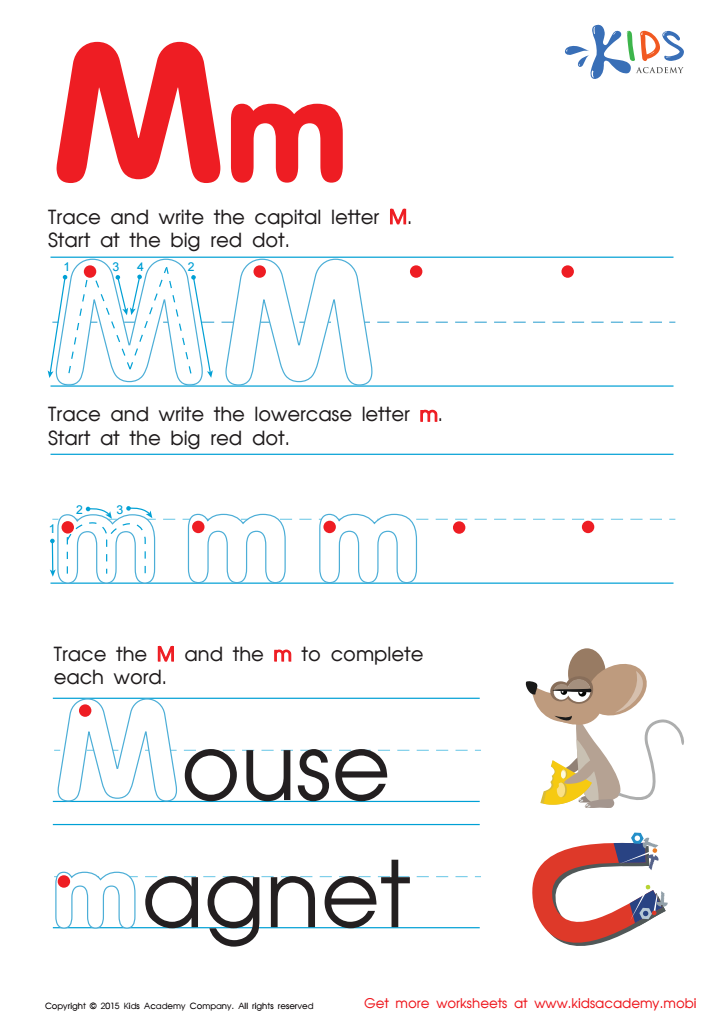
Letter M Tracing Page
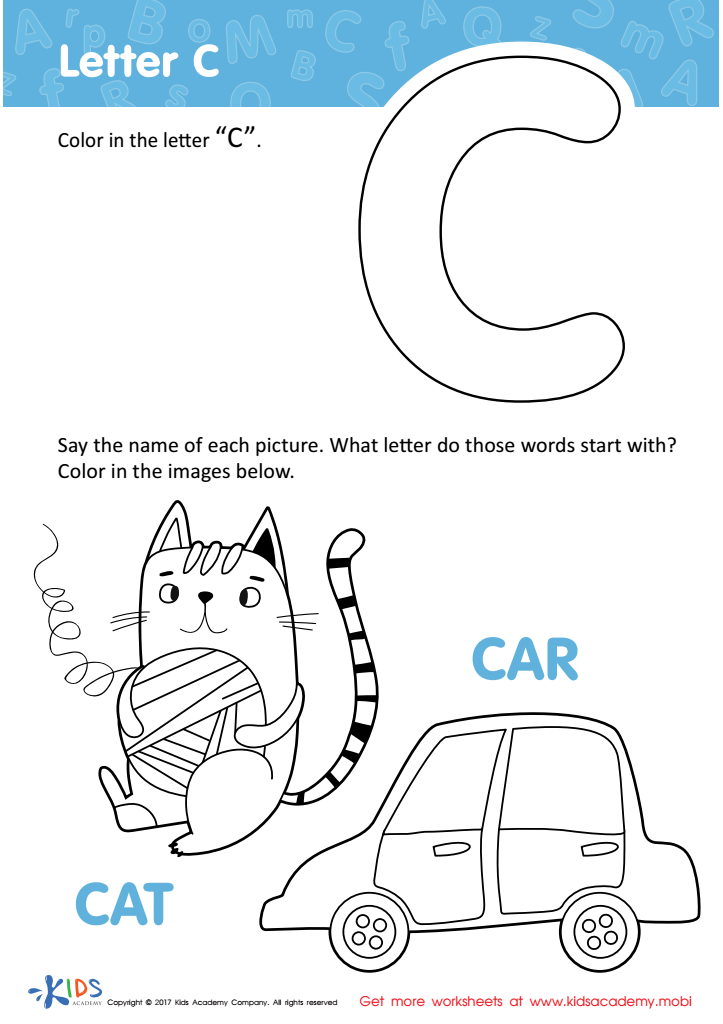
Letter C Coloring Sheet
Assign to My Students
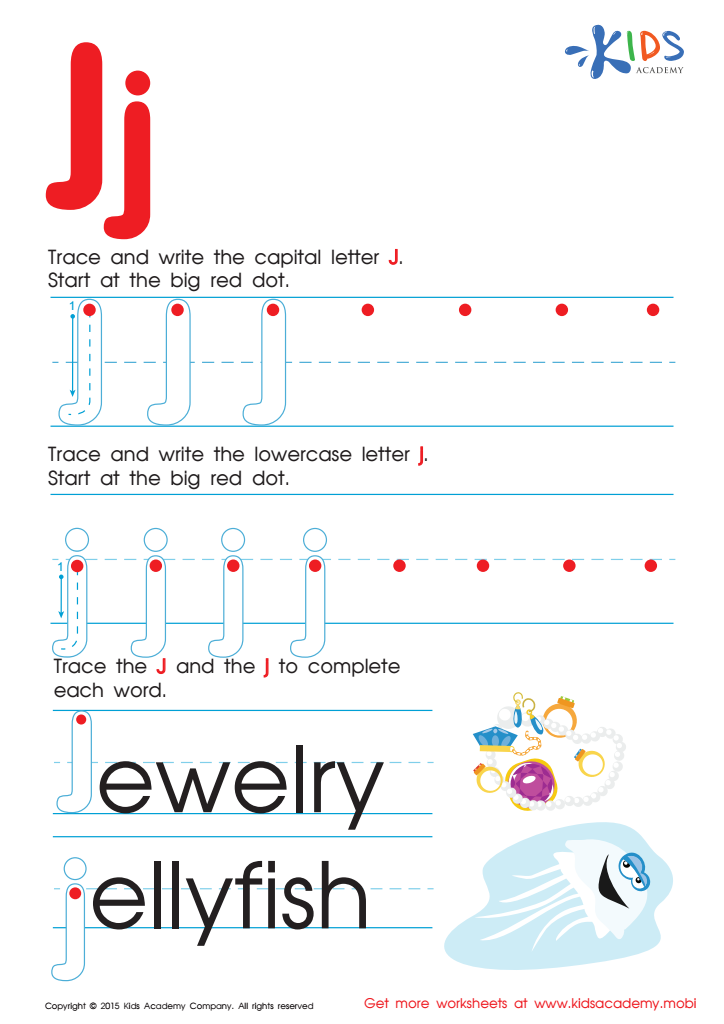
Letter J Tracing Page
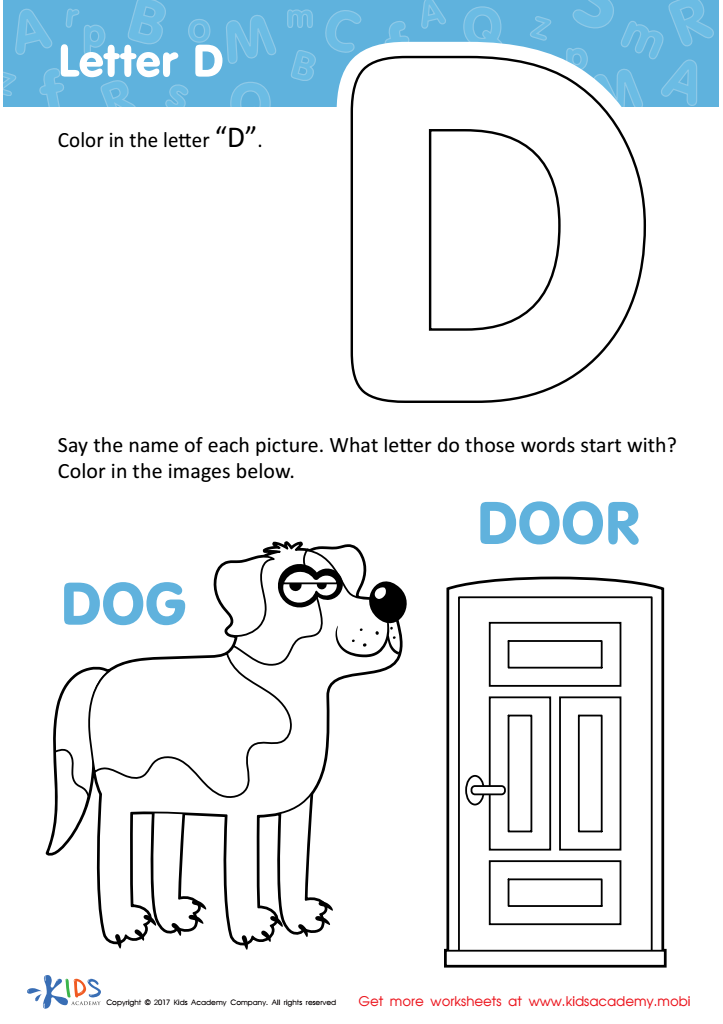
Letter D Coloring Sheet
Assign to My Students
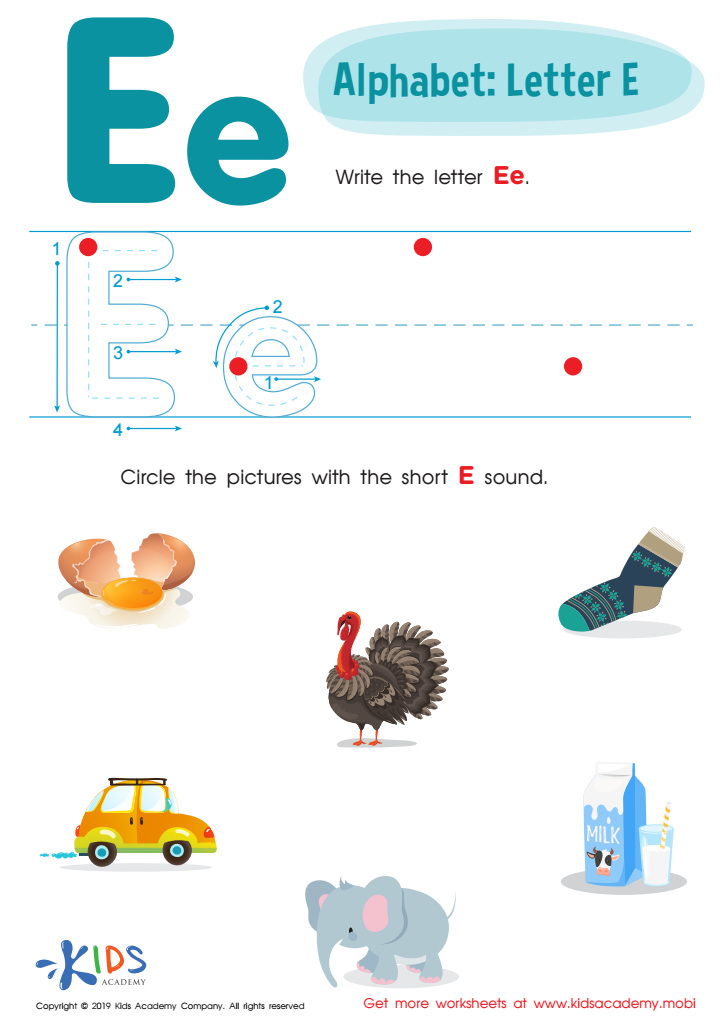
Letter E Tracing Worksheet
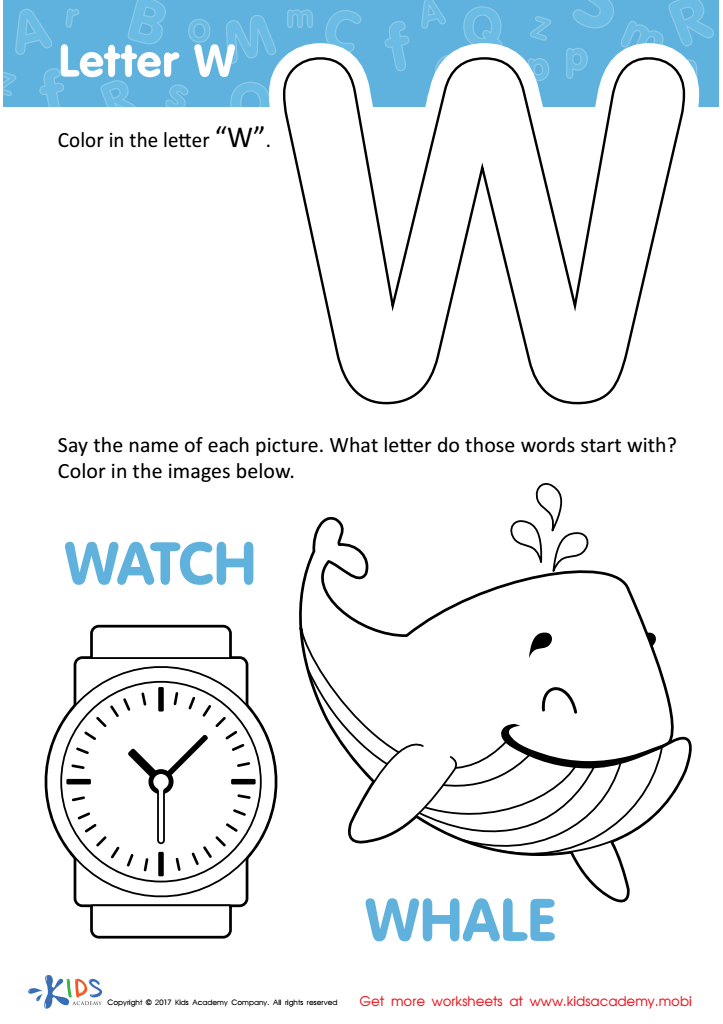
Letter W Coloring Sheet
Assign to My Students
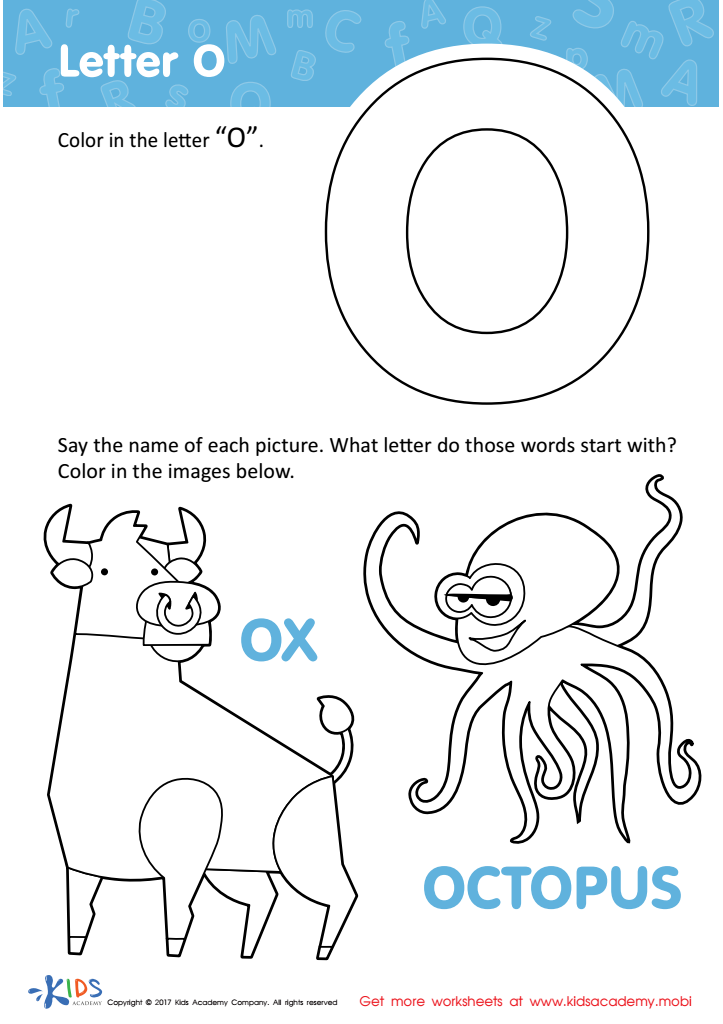
Letter O Coloring Sheet
Assign to My Students

Letter B Tracing Page
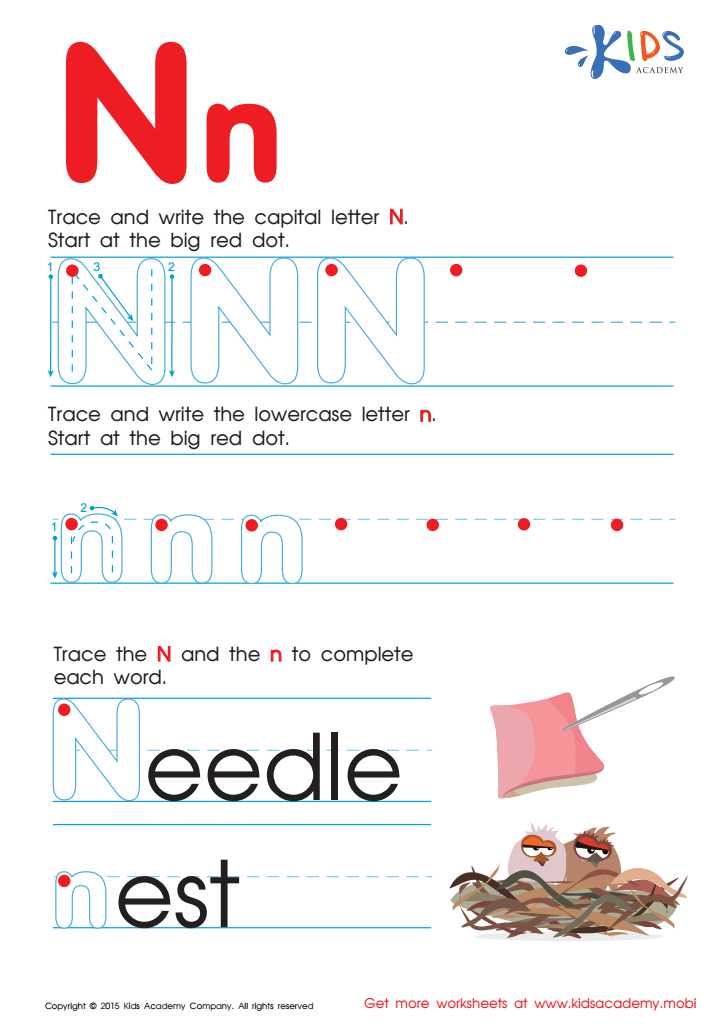
Letter N Tracing Page

Letter E Tracing Page
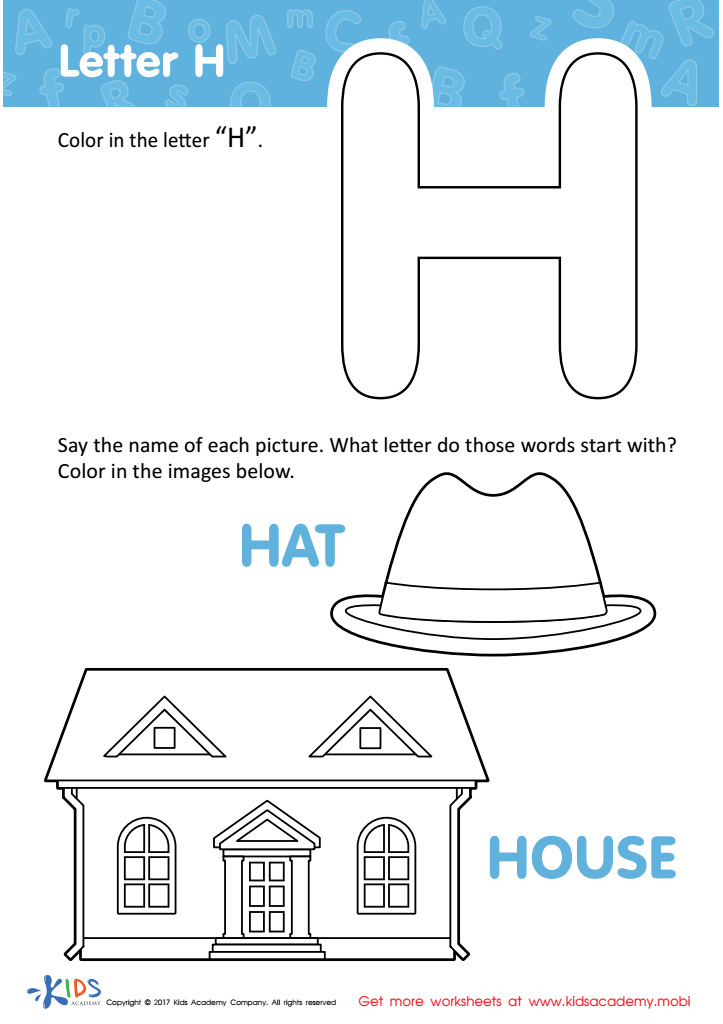
Letter H Coloring Sheet
Assign to My Students
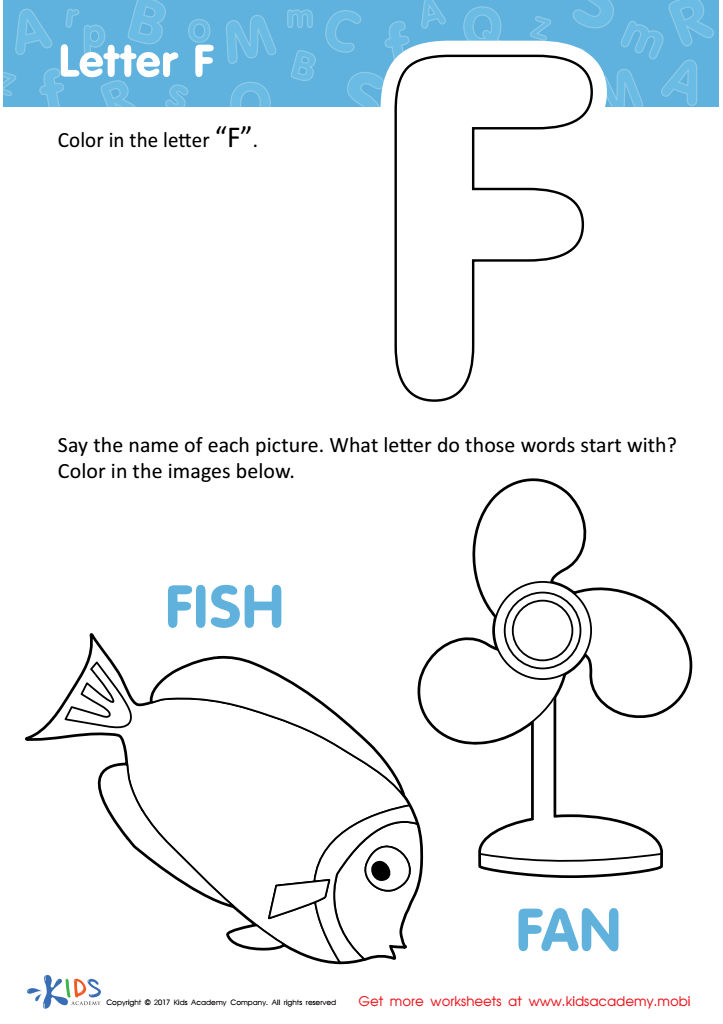
Letter F Coloring Sheet
Assign to My Students





Alphabet recognition is a fundamental skill that lays the groundwork for reading and writing, making it crucial for children ages 3-7. This early grasp of letters enables kids to decode words, which is essential for their literacy development. Parents and teachers should care about this skill because it significantly impacts language acquisition and cognitive growth.
Learning the alphabet not only aids in phonemic awareness but also enhances vocabulary development. Children start to associate letters with sounds, thereby improving their language skills and communication abilities. Furthermore, early alphabet recognition fosters confidence and independence in students, as they can begin to identify and spell their names, recognize common signs, and engage more deeply with age-appropriate books.
Moreover, in today's increasingly literate society, the ability to read is linked to future academic success and opportunities. Early intervention in teaching alphabet recognition can help close the achievement gap for children who may be at risk of falling behind.
By prioritizing alphabet recognition, parents and teachers can cultivate a strong foundation for lifelong learning, encouraging a love for books and reading that will benefit children far beyond their early years. Thus, investing in this vital skill is a pathway to ensuring children’s academic and personal success.