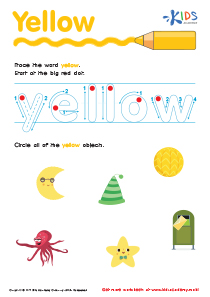
Letter Tracing Normal English for Beginners Worksheets for Ages 3-7
4 filtered results
-
From - To
Enhance your child’s early writing and language skills with our "Letter Tracing Normal English for Beginners Worksheets" designed for ages 3-7. These engaging, printable worksheets provide a perfect platform for young learners to practice tracing uppercase and lowercase letters, ensuring a strong foundation in handwriting. Ideal for beginners, each worksheet offers step-by-step guidance, making learning easy and enjoyable. By steadily practicing, children not only improve their fine motor skills but also build confidence in their ability to read and write. Perfect for home or classroom use. Start your child’s educational journey with fun, effective tracing exercises today!
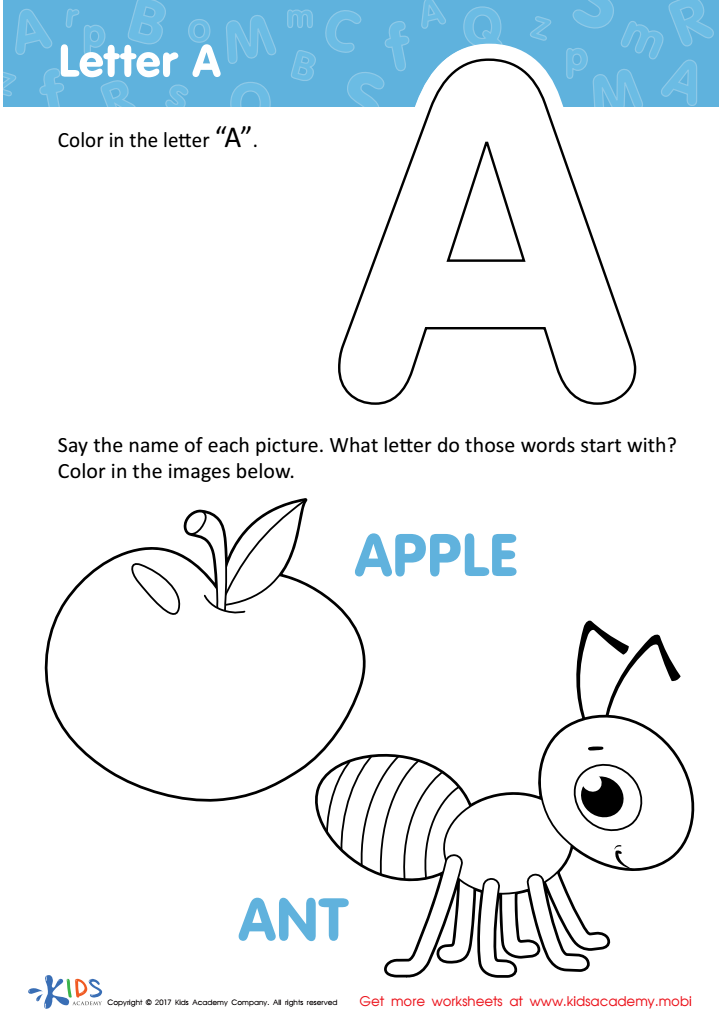
Letter A Coloring Sheet
 Assign to My Students
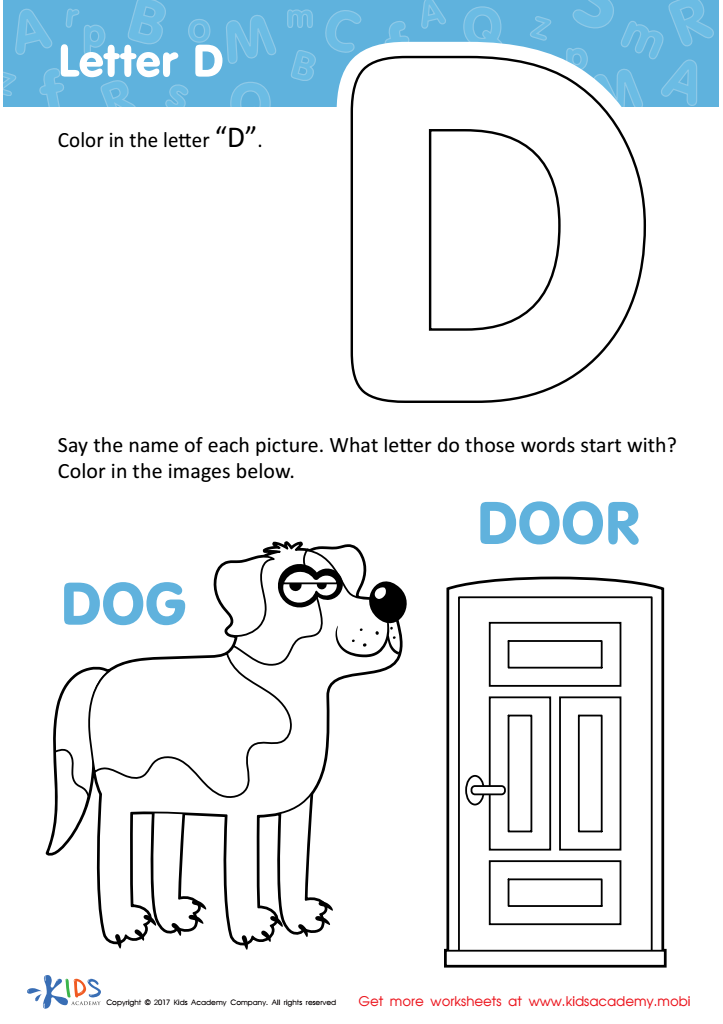
Letter D Coloring Sheet
Assign to My Students

Letter O Coloring Sheet
Assign to My Students
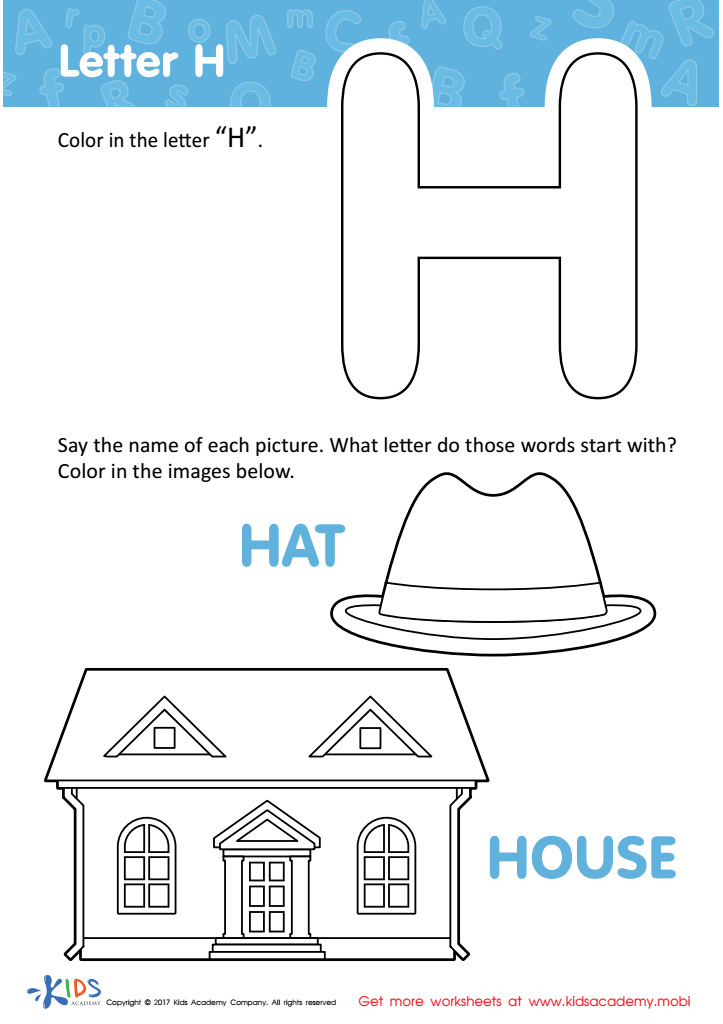
Letter H Coloring Sheet
Assign to My Students





Letter tracing offers a fun and engaging way to introduce young children to writing and literacy skills, essential for their academic growth and future success. For ages 3-7, parents and teachers should care about letter tracing because it helps develop fine motor skills, which are crucial for holding a pencil and forming letters correctly. By tracing letters, children improve hand-eye coordination, pencil grip, and muscle memory.
Moreover, letter tracing reinforces letter recognition and phonetic understanding, foundational elements of reading and writing. Familiarity with letter shapes and sounds through repeated practice aids in cognitive development and language skills. It allows children to establish a connection between written and spoken words, making the process of learning to read smoother and more intuitive.
Early exposure to these skills can build confidence and foster a love for learning. Children who find joy and success in early literacy activities like letter tracing are more likely to develop positive attitudes towards school and reading.
By supporting and encouraging letter tracing at home or in the classroom, parents and teachers contribute to a child's overall educational journey, leading to better performance in various subjects and a lifelong proficiency in communication skills.