Language skills development Normal Building Vocabulary Worksheets for Ages 3-7
3 filtered results
-
From - To
Enhance your child's language skills with our Building Vocabulary Worksheets, designed specifically for ages 3-7. These engaging printables help young learners expand their vocabulary through fun and interactive activities. Each worksheet supports essential language development, allowing children to explore words through matching, visual prompts, and simple exercises. As they work through these worksheets, children will improve their understanding of language while building confidence in their communication abilities. Our resources are aligned with early literacy standards, making it easier for parents and educators to promote language skills in a supportive environment. Start your child's vocabulary journey today!
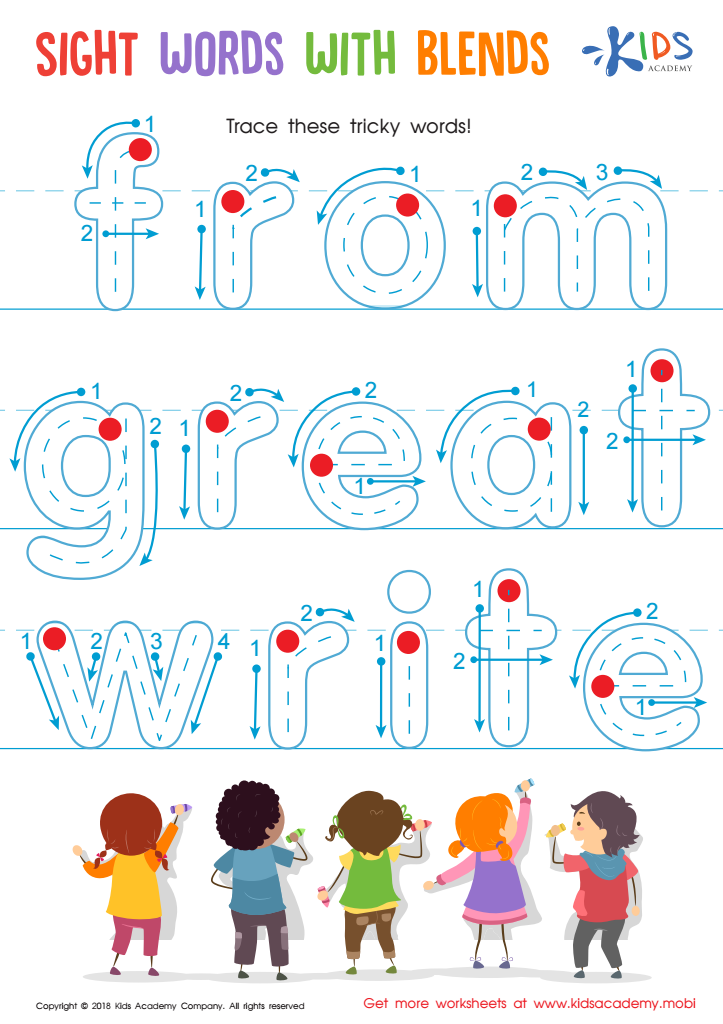
Sight Words with Blends Worksheet
 Assign to My Students











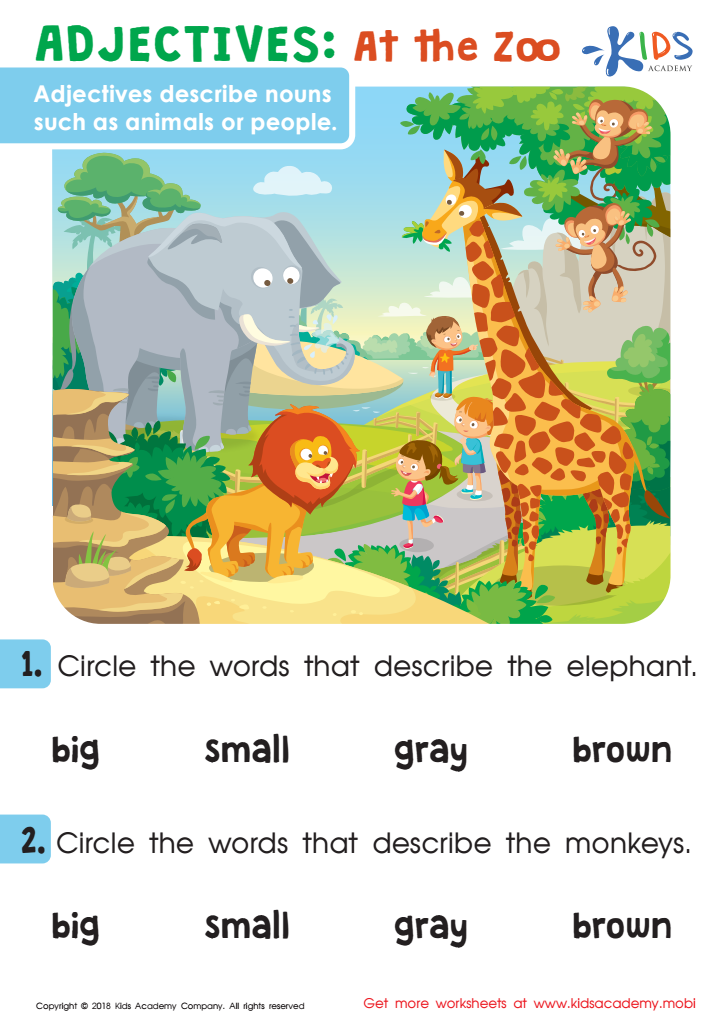
Adjectives: At The Zoo Worksheet
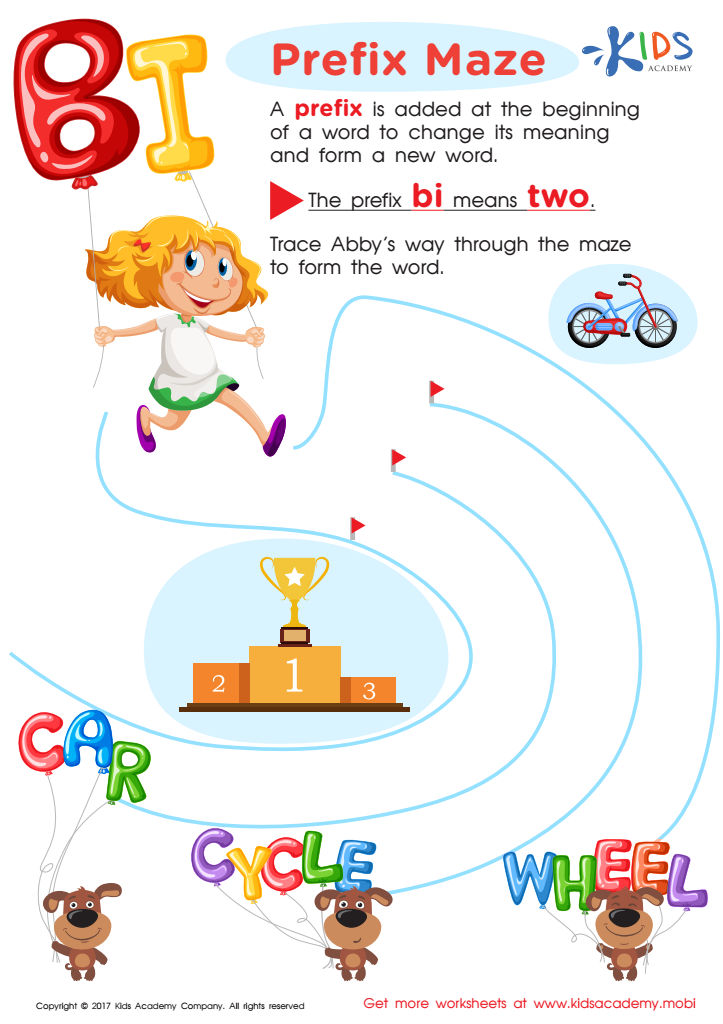
Prefix Bi Words Worksheet








Parents and teachers play a crucial role in the language development of children aged 3-7, as this period is a pivotal time for vocabulary acquisition. During these formative years, children are incredibly receptive to language, and a robust vocabulary enhances overall cognitive development. Language skills are fundamental for effective communication, enabling children to express their thoughts and feelings, ask questions, and engage with others.
By nurturing vocabulary through reading, conversation, and interactive play, adults can foster critical thinking, imaginative play, and social skills. A rich vocabulary also enhances literacy, laying the groundwork for future reading comprehension and academic achievement. Children with a well-developed vocabulary tend to have better academic outcomes, as they can articulate their understanding and engage more deeply in learning experiences.
Moreover, strong language skills can positively impact emotional development, helping children navigate their feelings and interactions with peers. It encourages inclusivity and empathy, as children learn to understand different perspectives. Parents and teachers should prioritize this aspect of child development, creating a language-rich environment that promotes curiosity, exploration, and effective communication, shaping well-rounded individuals ready to take on life's challenges. Investing in language development now will yield benefits that last a lifetime.








