Reading Skills Normal Building Vocabulary Worksheets for Ages 3-7
4 filtered results
-
From - To
Enhance your child's reading skills with our "Normal Building Vocabulary Worksheets" designed for ages 3-7. These engaging worksheets encourage young learners to explore new words, improve comprehension, and boost their expressive vocabulary. Through fun activities and interactive exercises, children will develop essential literacy skills at their own pace. Our resources are ideal for both home and classroom use, promoting a love for reading while helping to reinforce learning objectives. Perfect for educators and parents, these worksheets provide a comprehensive approach to vocabulary building, ensuring that your child gains confidence in their reading abilities. Start fostering a lifelong passion for reading today!
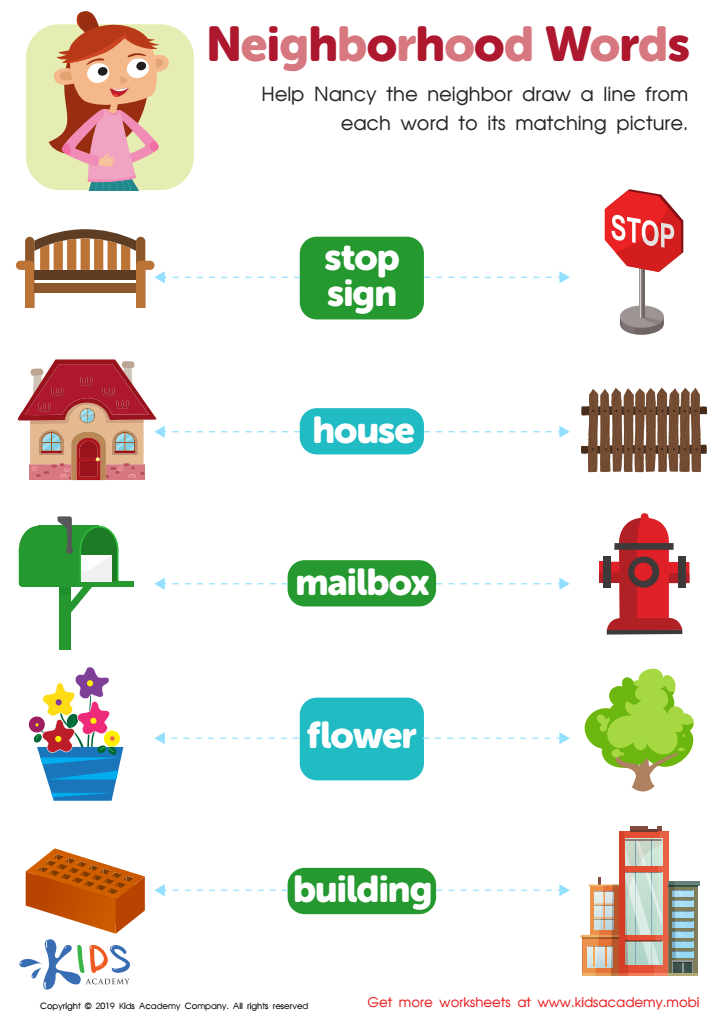
Neighborhood Words Worksheet
 Assign to My Students











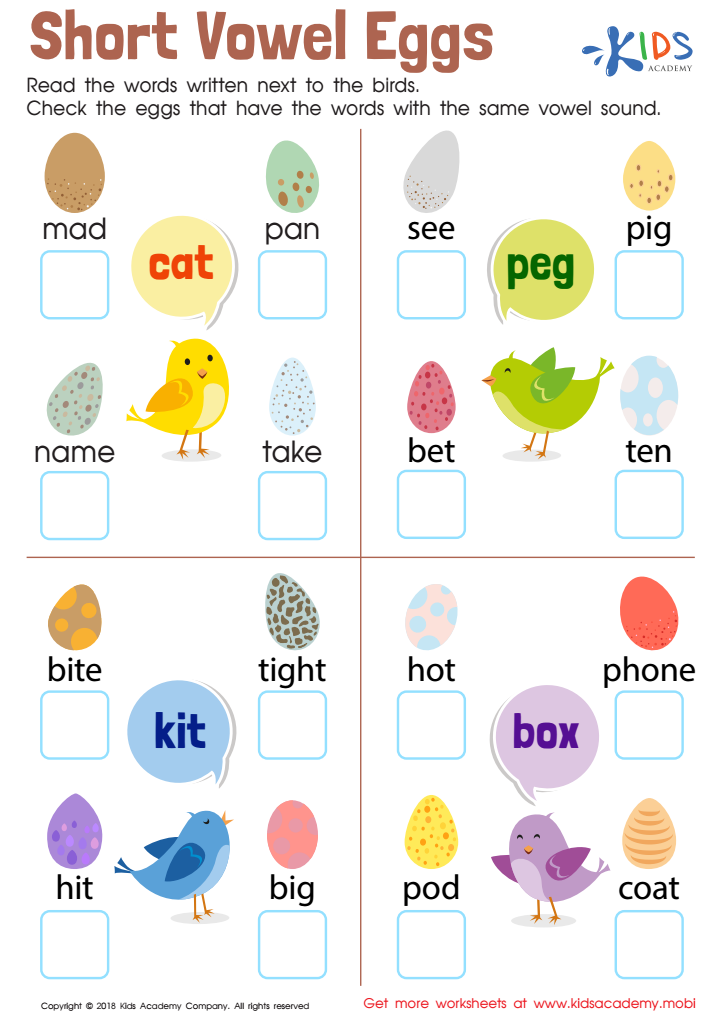
Short Vowel Eggs Worksheet
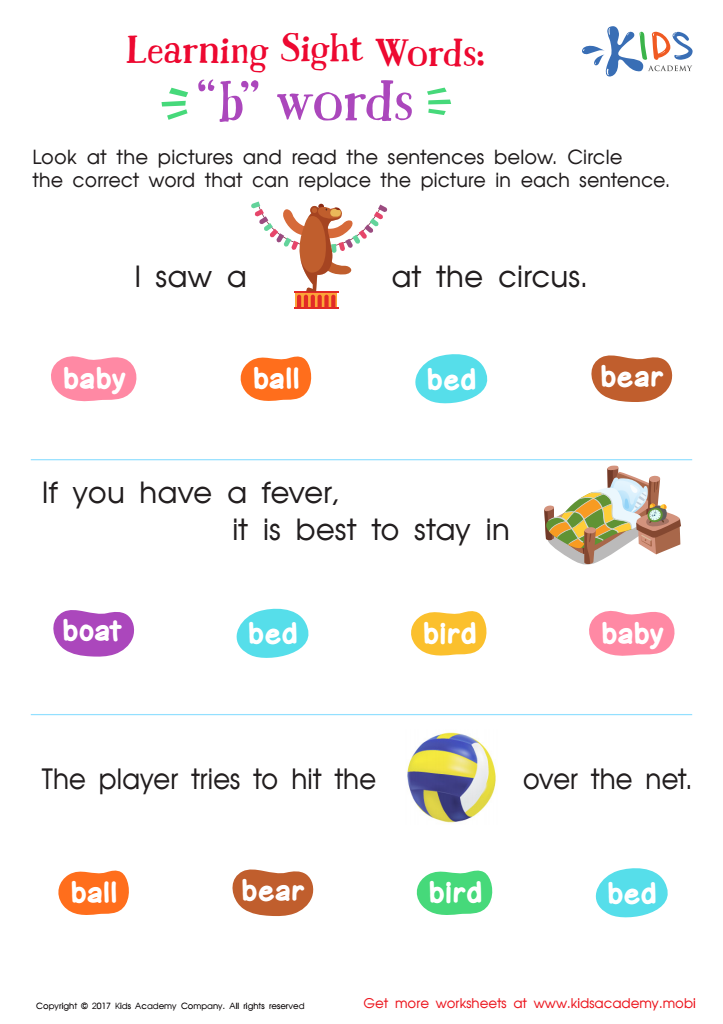
"B" Words Printable Sight Words Worksheet
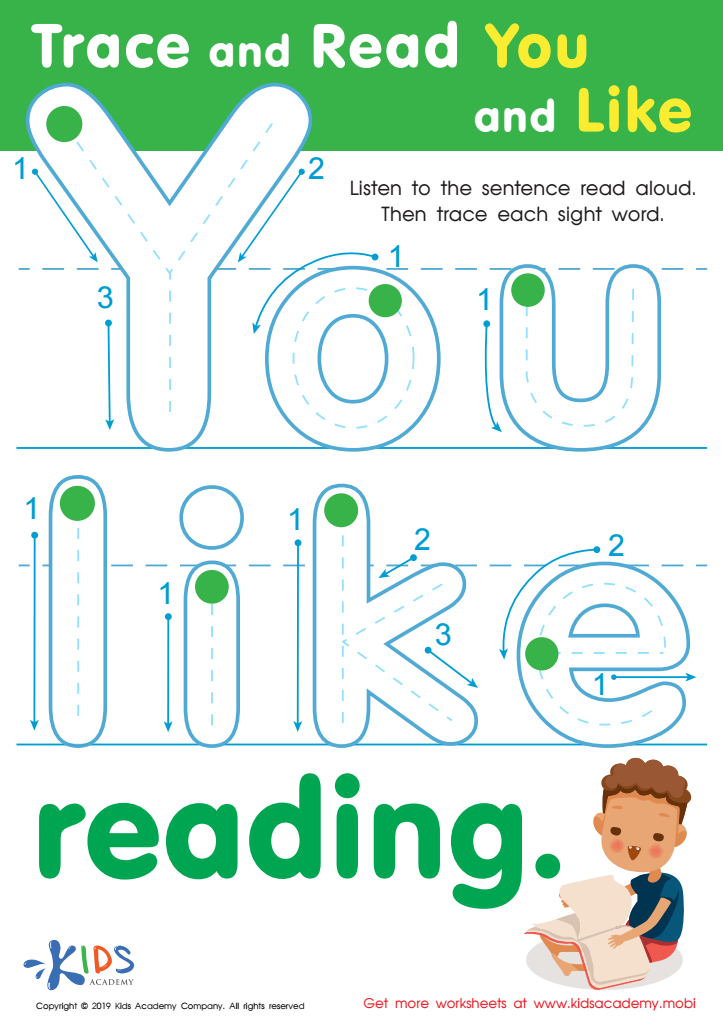
Trace Read You Like Worksheet




.jpg)



Parents and teachers should prioritize developing reading skills and building vocabulary for children ages 3-7 because these foundational abilities are critical for lifelong learning and academic success. During these formative years, children experience rapid brain development, with vocabulary acquisition playing a significant role in cognitive growth. A strong vocabulary enhances their ability to understand and express complex ideas, which, in turn, boosts comprehension skills when they begin reading independently.
Moreover, children with a rich vocabulary are better equipped to engage with diverse texts, fostering a love for reading and lifelong learning. Early exposure to a variety of words through storytelling, conversations, and reading activities enriches their language experience, allowing them to communicate effectively and interact socially.
Additionally, strong reading skills correlate with improved literacy outcomes, reduced dropout rates, and increased chances of academic achievement later in life. By investing time in activities that develop these skills, such as shared reading, word games, and language-rich conversations, parents and teachers lay the groundwork for their children’s educational journey. In nurturing reading skills and vocabulary, they not only enhance children’s current capabilities but also empower them for future opportunities, making it vital for adults in their lives to take action during these critical years.








