
Hand-eye Coordination Normal Reading Worksheets for Ages 3-7
5 filtered results
Difficulty Level
Grade
Age
-
From - To
Subject
Activity
Standards
Enhance your child's hand-eye coordination and reading skills with our engaging Normal Reading Worksheets designed for ages 3-7! These interactive worksheets offer a fun and effective way for young learners to develop essential coordination abilities while engaging in early literacy activities. Each worksheet is thoughtfully crafted to combine reading exercises with fine motor skill tasks, making learning both enjoyable and educational. Perfect for at-home practice or classroom integration, our resources support cognitive development and boost confidence in young readers. Explore a variety of fun themes and activities that foster a love for reading while honing coordination skills. Visit us to start learning today!
Favorites
With answer key
Interactive
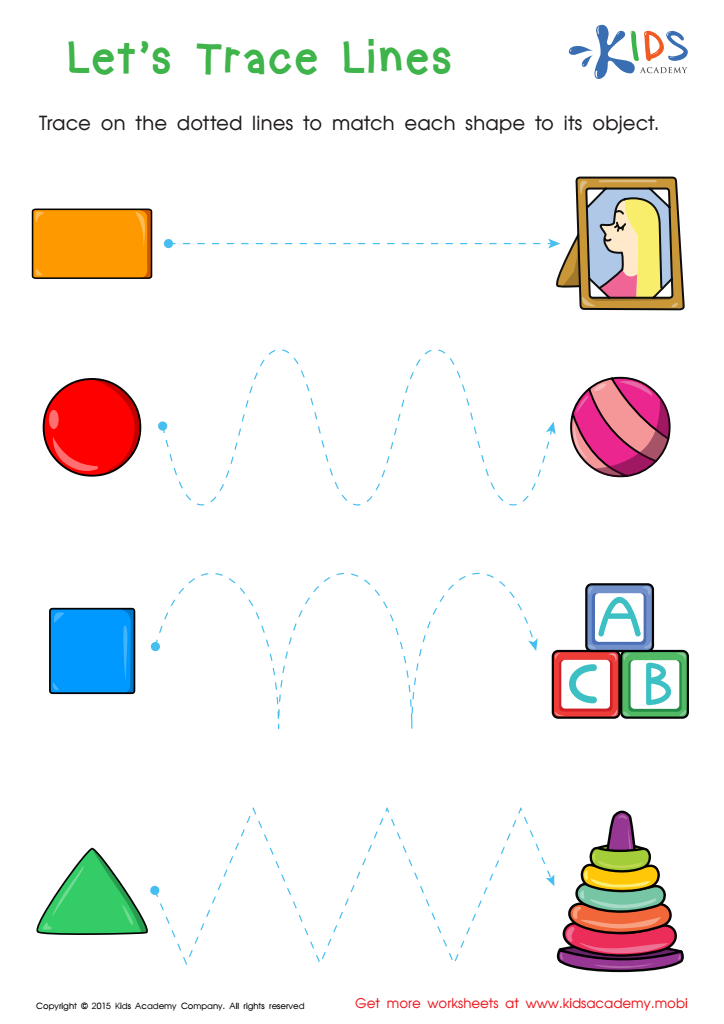
First Words: Let's Trace Lines Worksheet
Printable tracing lines for toddlers will provide your little one with the skills needed for future handwriting success. Proper grip, fine motor skills, and hand-to-eye coordination are key. Let's get their writing journey off to a great start!
First Words: Let's Trace Lines Worksheet
Worksheet
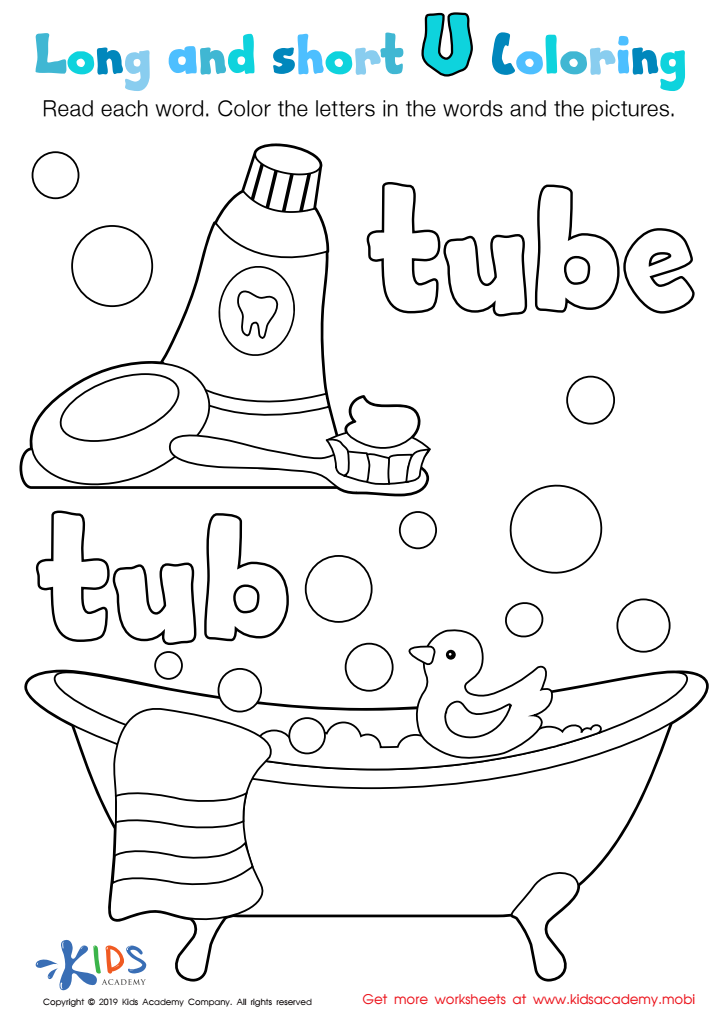
Long and Short U Worksheet
Revised: Spice up your lesson on long and short vowels with this fun printout! Kids read the words "tube" and "tub," then reinforce the sound by coloring in the words and pictures. It's a great way to make phonics class enjoyable!
Download (PDF)
 Assign to My Students
Assign to My Students
Long and Short U Worksheet
Worksheet
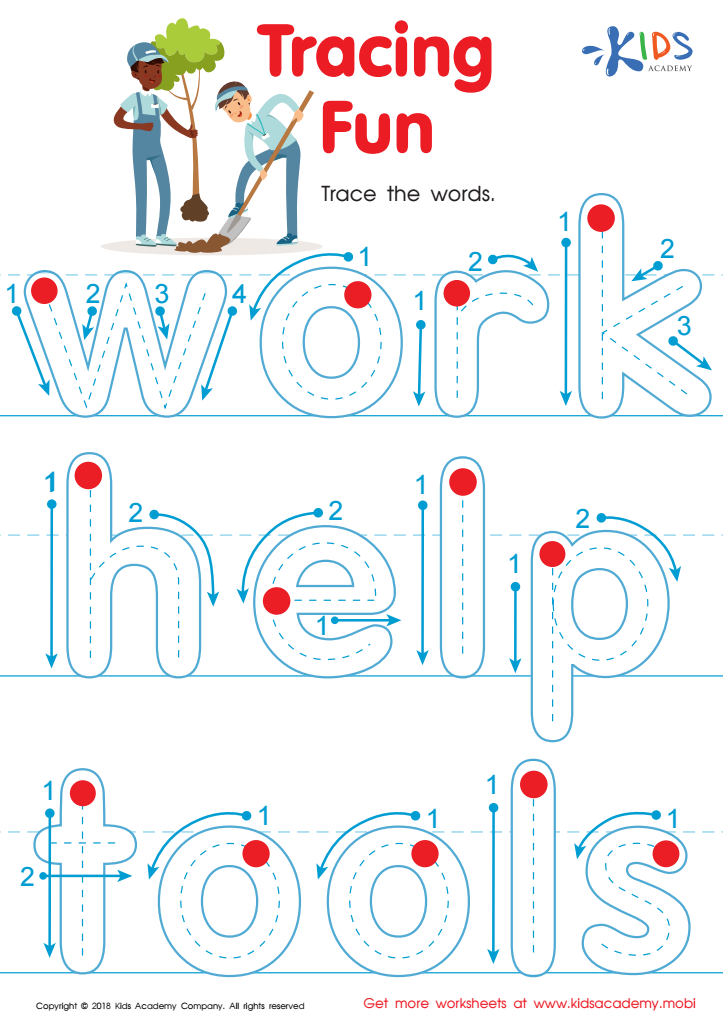
Tracing Fun Worksheet
Believe it or not, good handwriting helps with reading! Starting at the top left and writing legibly builds reading skills. This free worksheet helps little learners practice basic sight words. Red dots show them where to start and the words provide reinforcement without them realising. An enjoyable way to boost their reading and writing.
Tracing Fun Worksheet
Worksheet
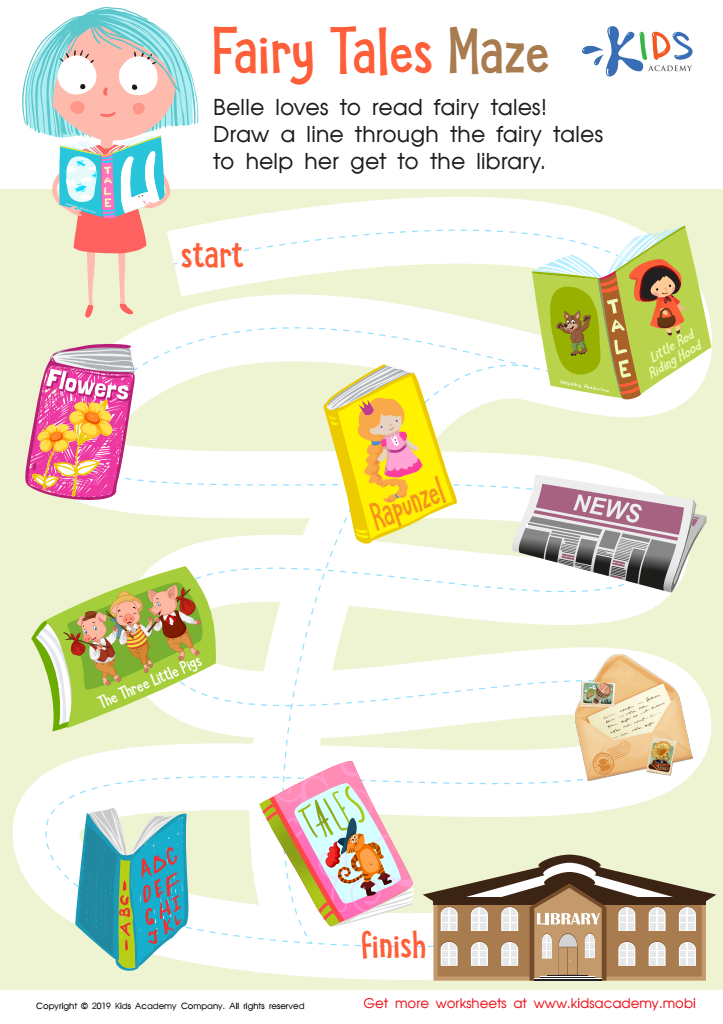
Fairy Tales Maze Worksheet
Kids love mazes and fairy tales, so this free worksheet is a great way to help teach young readers about familiar topics. They'll join Bella and use the traceable lines to travel through different reading genres, and find their way to the library for a nice reward!
Fairy Tales Maze Worksheet
Worksheet

Long and Short E Worksheet
This fun printout makes learning phonics enjoyable for Grade 3 students. Get them to read the words “tree” and “bed” to recognize the different sounds of the letter “E”. After hearing the words they can color the words and the pictures to understand differences between long and short vowels.
Download (PDF)
Assign to My Students
Assign to My Students
Long and Short E Worksheet
Worksheet
Join Kids Academy for Free
Who is primarily going to use this learning content?




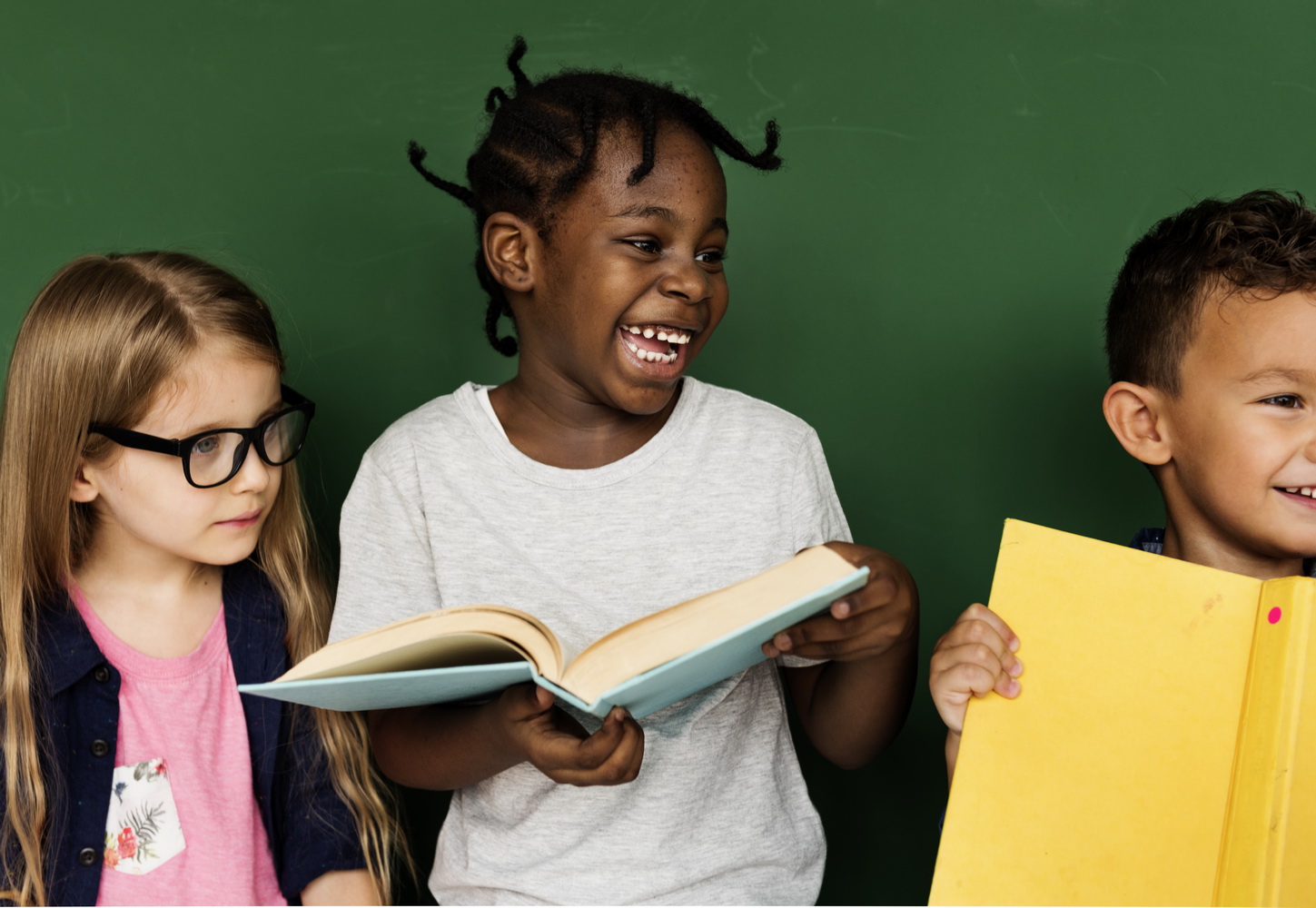


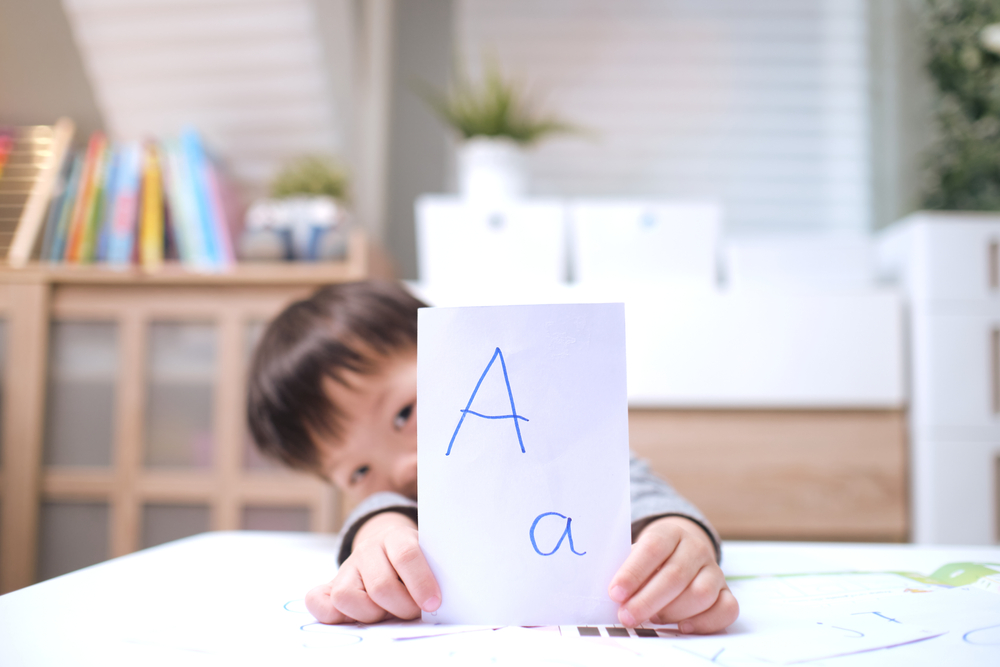
Hand-eye coordination is a fundamental skill that significantly impacts a child’s development, particularly in reading and overall learning. For children aged 3-7, this coordination helps them bridge visual perception with physical action, an essential precursor to recognizing letters, writing, and eventually reading fluently.
When parents and teachers nurture hand-eye coordination, they foster essential skills such as concentration, fine motor skills, and spatial awareness. Activities like drawing, puzzles, and simple sports not only strengthen these abilities but also make learning fun, creating positive associations with educational tasks.
Furthermore, a solid foundation in hand-eye coordination can lead to increased confidence in school-related activities. Children who struggle with coordination may find reading and writing challenging, potentially leading to frustration and avoidance of educational activities.
By prioritizing this skill in early childhood education, parents and teachers can help prevent learning delays, promote school readiness, and support valuable social skills during collaborative play and group activities. Ultimately, encouraging hand-eye coordination benefits children's overall cognitive development and sets the stage for lifelong learning success, ensuring they approach reading and other academic challenges with enthusiasm and positivity.








