Developing critical thinking Normal Science Worksheets for Ages 3-7
3 filtered results
-
From - To
Discover engaging "Developing Critical Thinking" Normal Science Worksheets designed specifically for children aged 3-7. These worksheets focus on nurturing young minds through fun and interactive activities that encourage exploration and inquiry. Ideal for early education, our resources promote problem-solving skills, creativity, and logical reasoning while introducing foundational science concepts. Dive into a world of discovery with age-appropriate tasks that inspire curiosity about the natural world. Each worksheet is crafted to foster critical thinking and help children develop essential skills. Join us in making learning exciting and meaningful as your child embarks on their scientific journey! Perfect for home or classroom use.
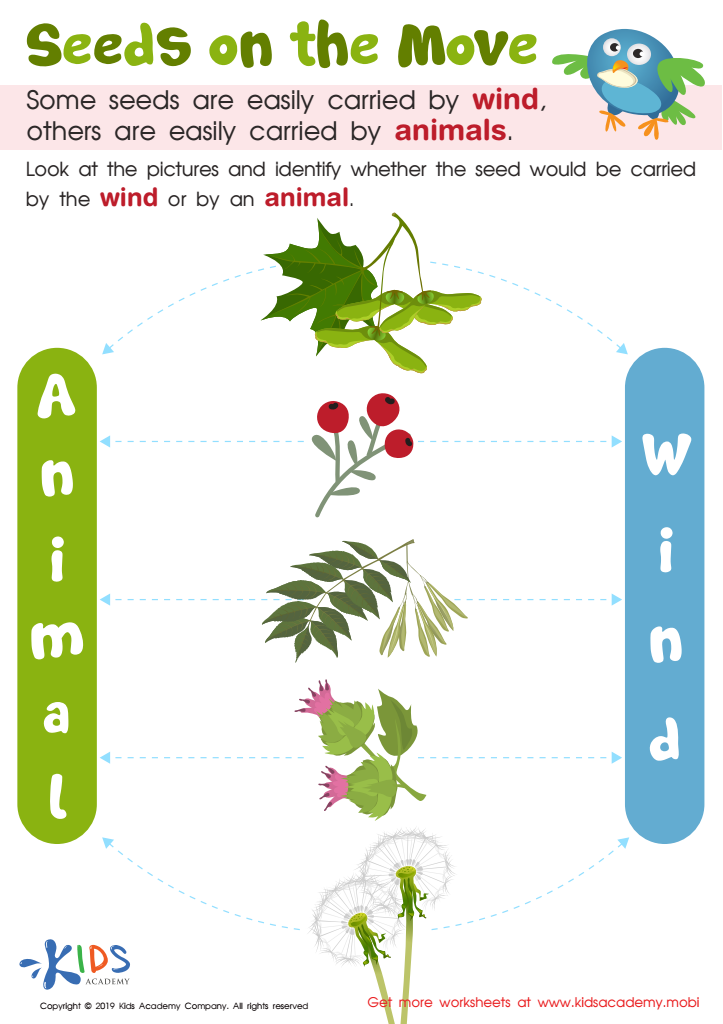
Seeds on the Move Worksheet
 Assign to My Students
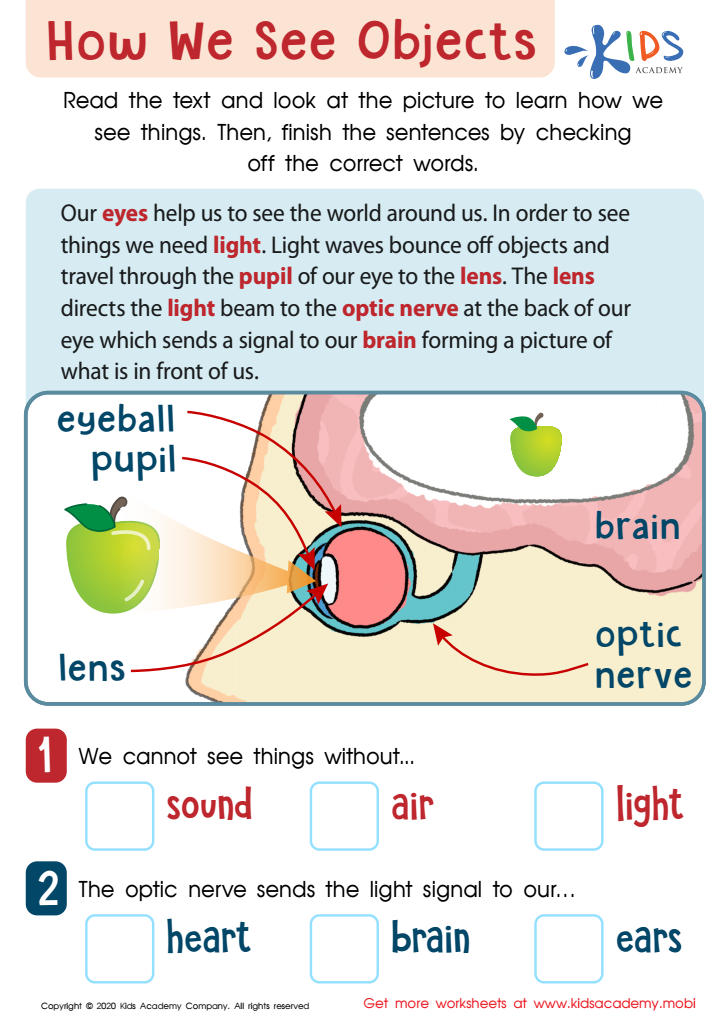
How We See Objects Worksheet
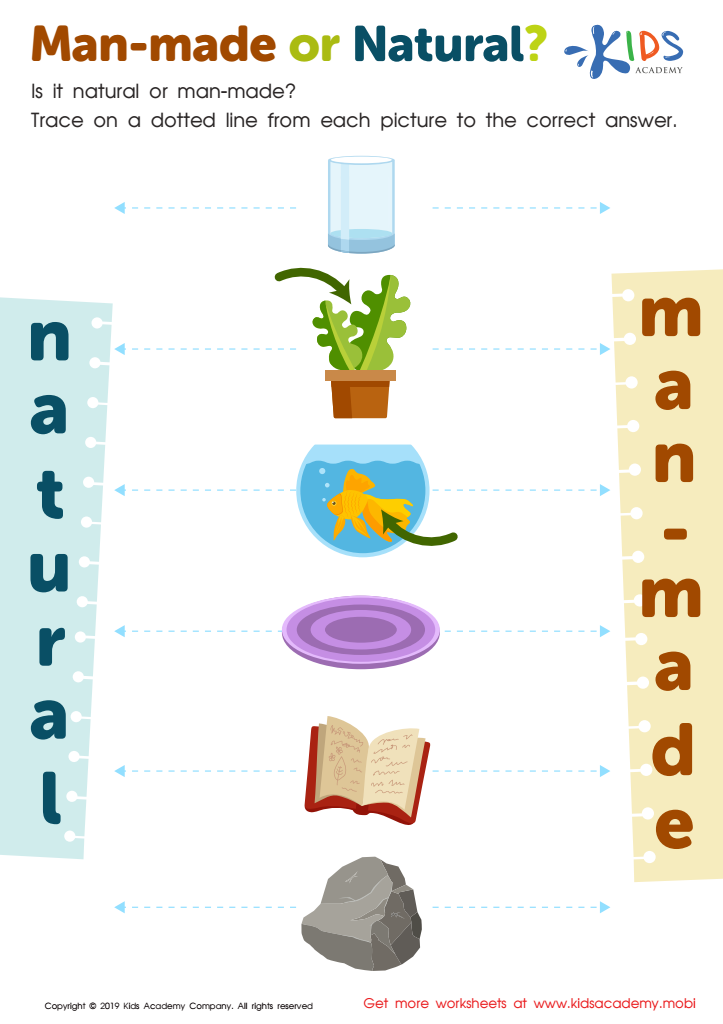
Man-Made or Natural? Worksheet





.jpg)

Developing critical thinking skills through the lens of science is essential for children aged 3-7, as it lays the foundation for lifelong learning and problem-solving abilities. At this age, children are naturally curious and eager to explore their environment. Engaging them in normal science encourages inquiry, observation, and experimentation, fostering their ability to ask questions, make predictions, and interpret results.
For parents and teachers, supporting critical thinking in early childhood enhances cognitive development and boosts creativity. It helps children understand the scientific method—a vital framework for rational thinking. By encouraging young learners to investigate, hypothesize, and reflect on their findings, caregivers can cultivate a growth mindset that embraces challenges and views failures as learning opportunities.
Furthermore, critical thinking in science promotes not only academic skills but also social-emotional development. Children learn to communicate their thoughts, collaborate with peers, and respect diverse perspectives. This social interaction builds confidence and empathy, key components for thriving in our increasingly complex world.
Incorporating critical thinking through normal science creates a stimulating environment where children feel empowered to explore, question, and understand the world around them, ultimately preparing them for future educational and life challenges.







