Enhancing observation skills Normal Plants and Animals Worksheets for Ages 3-7
4 filtered results
-
From - To
Explore the fascinating world of plants and animals with our "Enhancing Observation Skills Normal Plants and Animals Worksheets" designed specifically for children aged 3-7. These engaging worksheets are crafted to spark curiosity and encourage exploration in young learners. By honing their observation skills, children will learn to identify and describe various plants and animals in their environment. The fun activities promote critical thinking while fostering a love for nature. Ideal for early education, these resources enrich science learning and help kids connect with the natural world around them. Perfect for teachers and parents aiming to make learning enjoyable and interactive!
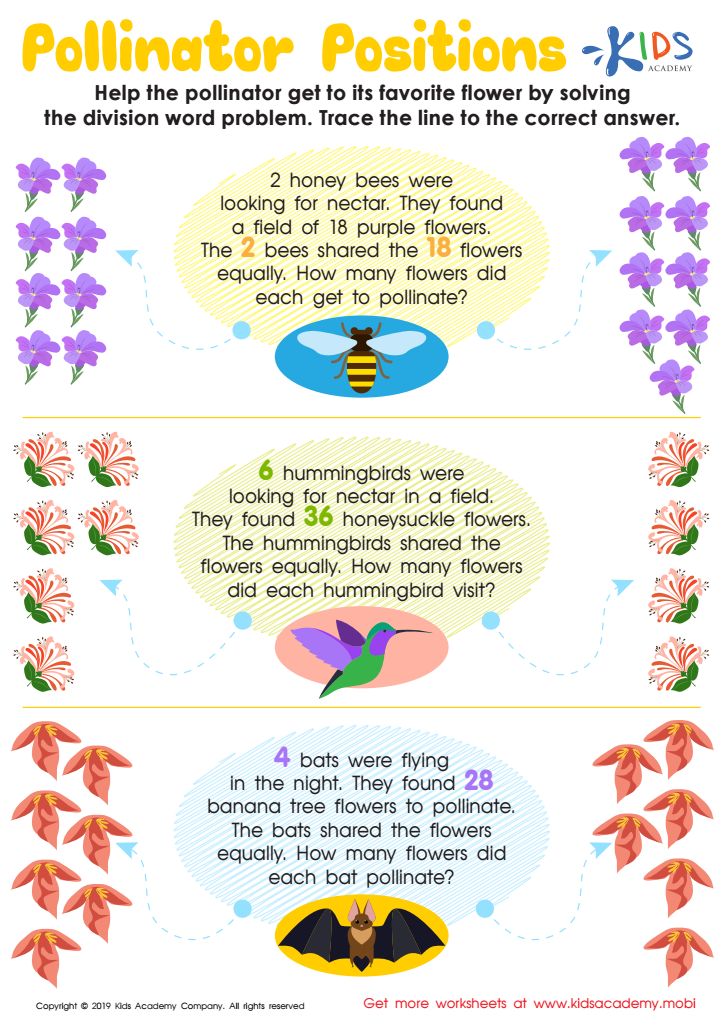
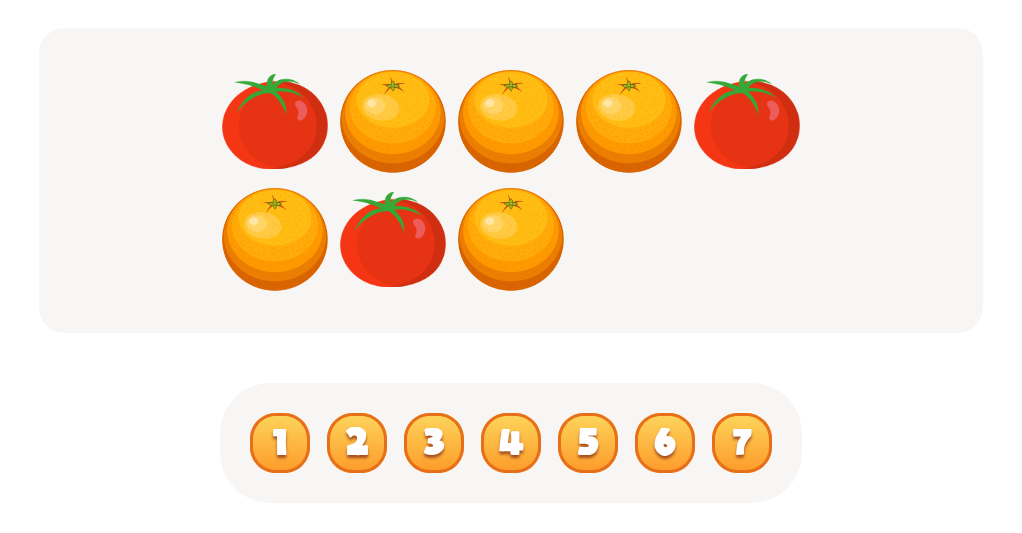
Pollinator Positions Worksheet
 Assign to My Students
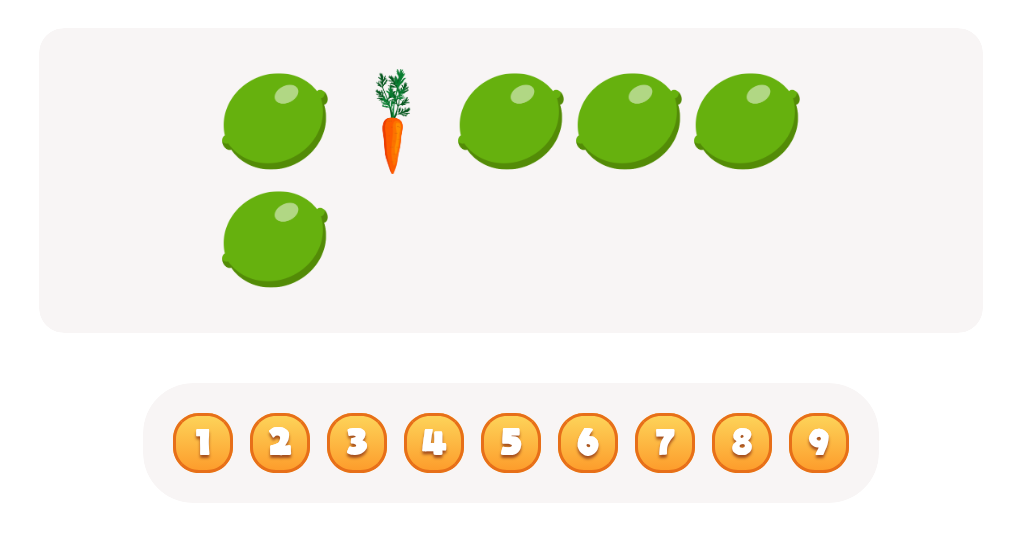


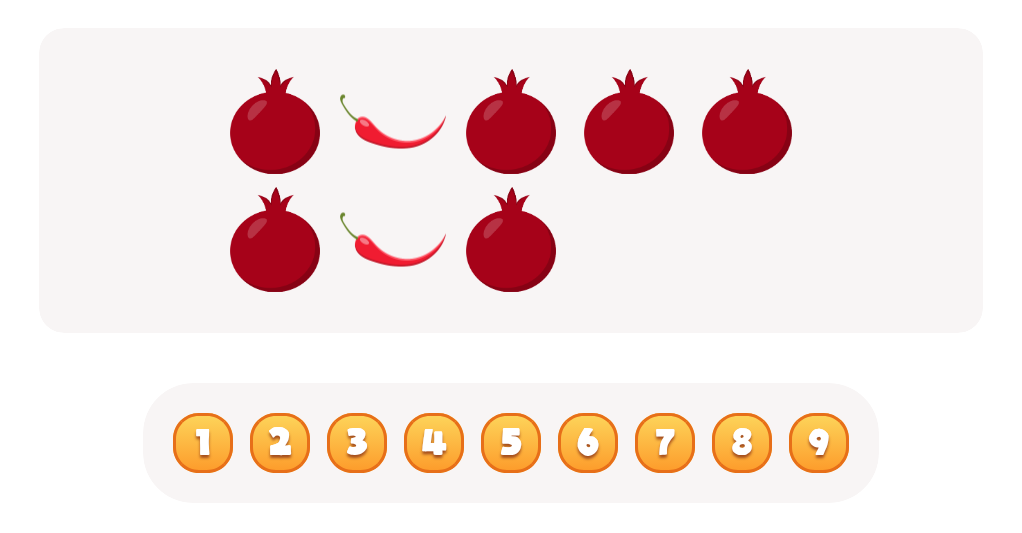
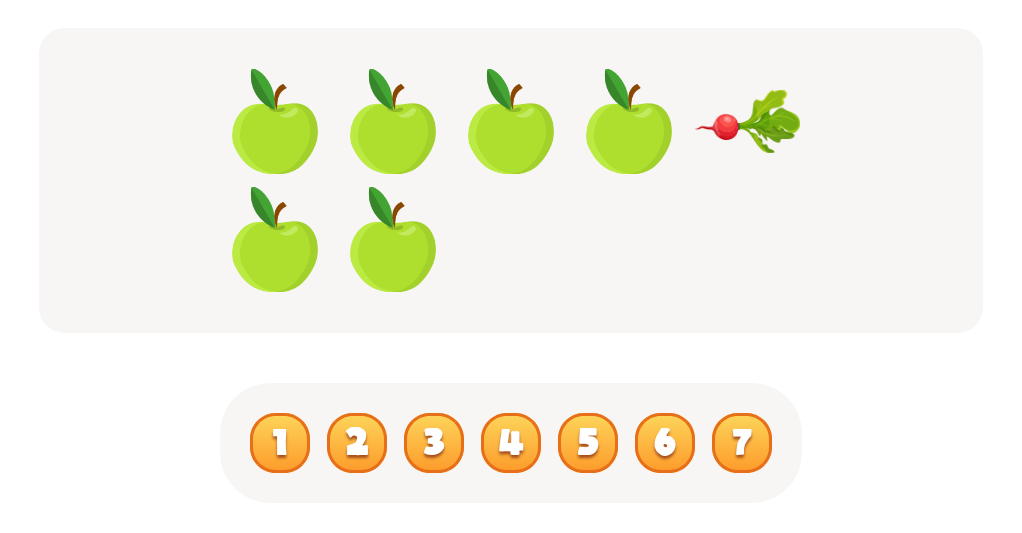

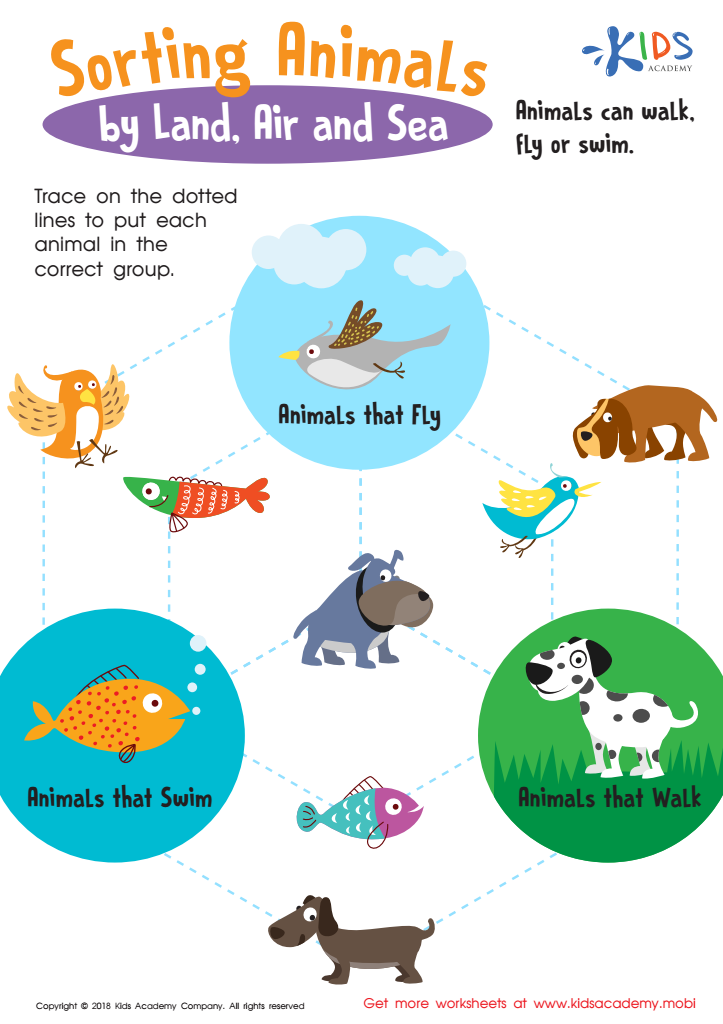
Sorting Animals by Land, Air and Sea Worksheet
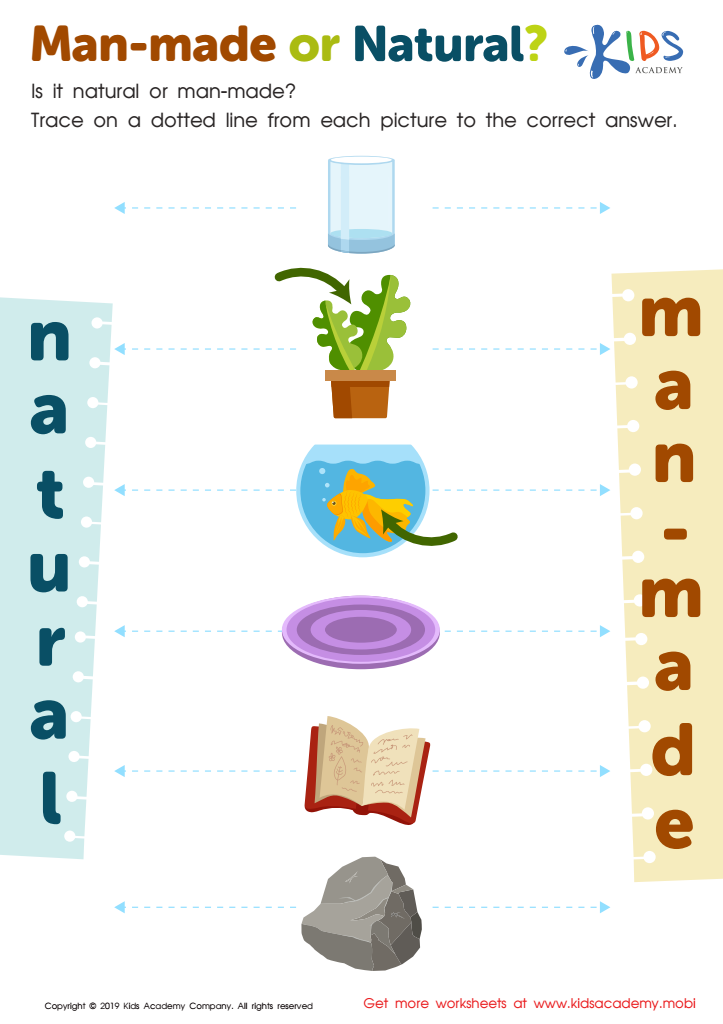
Man-Made or Natural? Worksheet
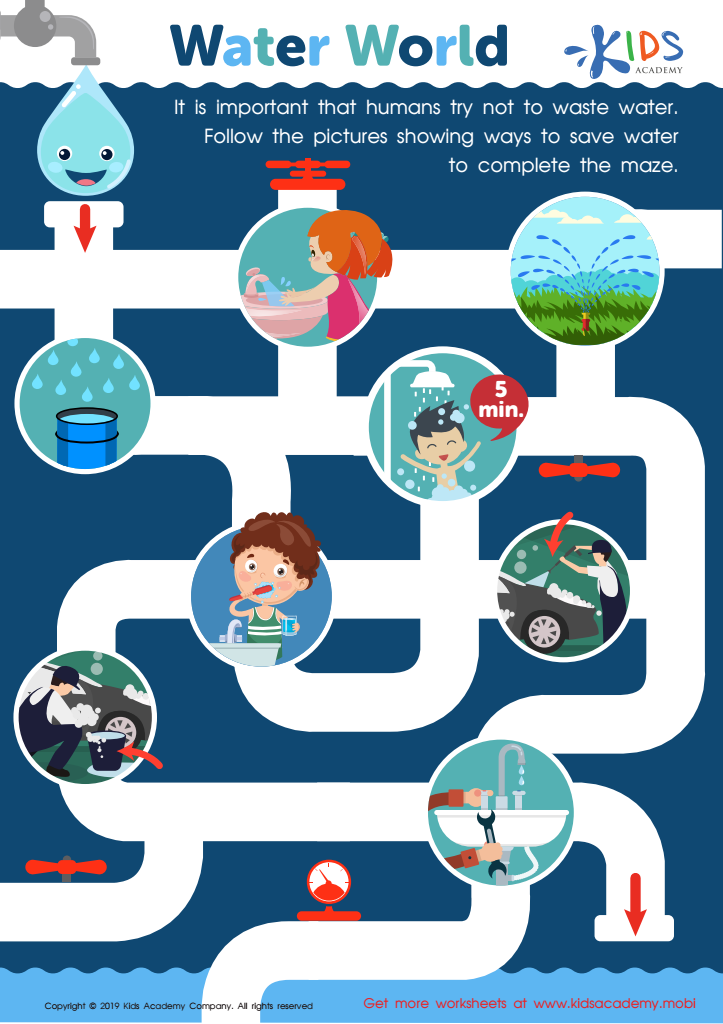
Water World Worksheet








Enhancing observation skills in young children, specifically regarding normal plants and animals, is vital for several reasons. First, it fosters a child's natural curiosity and promotes a love for the environment. By encouraging children to observe and appreciate the intricacies of life around them, parents and teachers cultivate a sense of wonder and stewardship towards nature.
Secondly, developing observation skills enhances critical thinking and scientific reasoning. When kids learn to notice details about plants and animals—such as changes in leaves, the behavior of animals, or seasonal changes—they engage in active inquiry. This hands-on learning approach builds foundational skills in inquiry, analysis, and problem-solving that are applicable across various subjects beyond science.
Moreover, these skills promote language development. As children articulate their observations, they expand their vocabulary and improve their communication skills. Sharing their findings, whether through drawing, speaking, or storytelling, further reinforces their understanding and confidence.
Finally, observing nature can have therapeutic benefits, reducing stress and promoting mindfulness. By nurturing a strong connection to the natural world, parents and teachers not only enhance educational outcomes but also support holistic development in young learners. Investing in these observation skills equips children with the tools needed for lifelong learning and environmental stewardship.







