
Vocabulary Building Normal Plants and Animals Worksheets for Ages 3-7
3 filtered results
Difficulty Level
Grade
Age
-
From - To
Subject
Activity
Standards
Introducing our "Vocabulary Building: Normal Plants and Animals Worksheets" designed specifically for children aged 3-7! These engaging activities help young learners enhance their vocabulary while exploring the fascinating world of plants and animals. Each worksheet features colorful graphics and age-appropriate content, making learning fun and interactive. Kids will develop essential language skills as they identify, sort, and match various plant and animal terms. Perfect for homeschooling, classroom settings, or extra learning at home, our worksheets support early literacy and encourage a love for nature. Start your child’s vocabulary journey today with these educational resources that spark curiosity!
Favorites
With answer key
Interactive
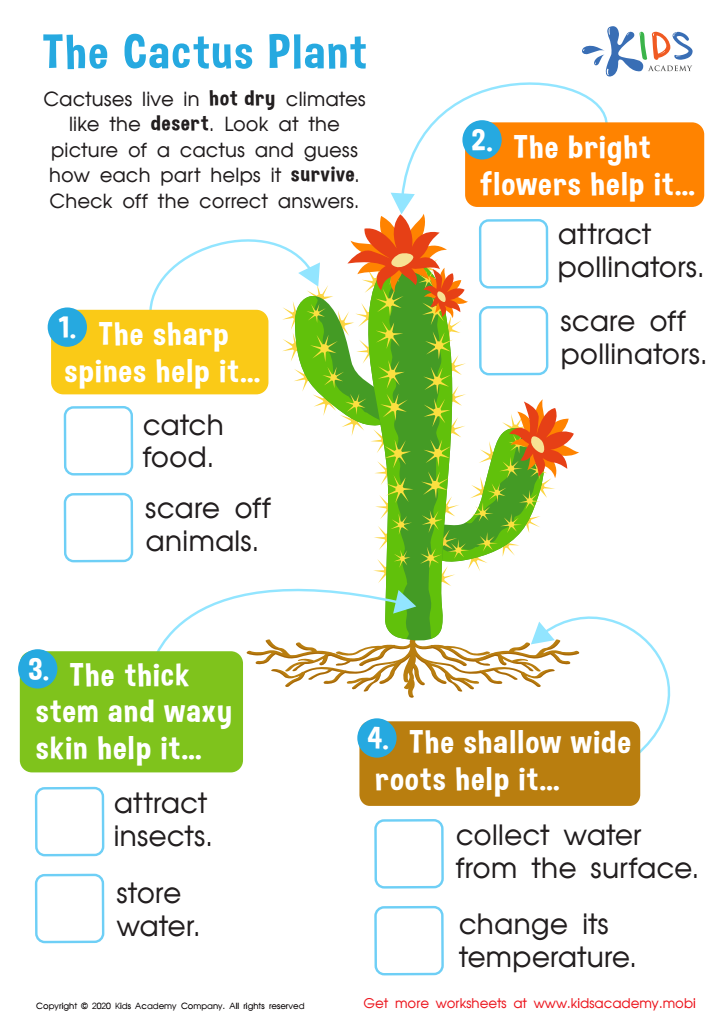
The Cactus Plant Worksheet
Encourage your little scientist to review cacti with this free biology worksheet. Check off the correct answer to show how the cactus survives its harsh desert environment! With sharp spikes and the ability to store water like a camel, the cactus is a remarkable plant that has adapted to its climate.
 Assign to My Students
The Cactus Plant Worksheet
Worksheet

Arctic Animals Worksheet
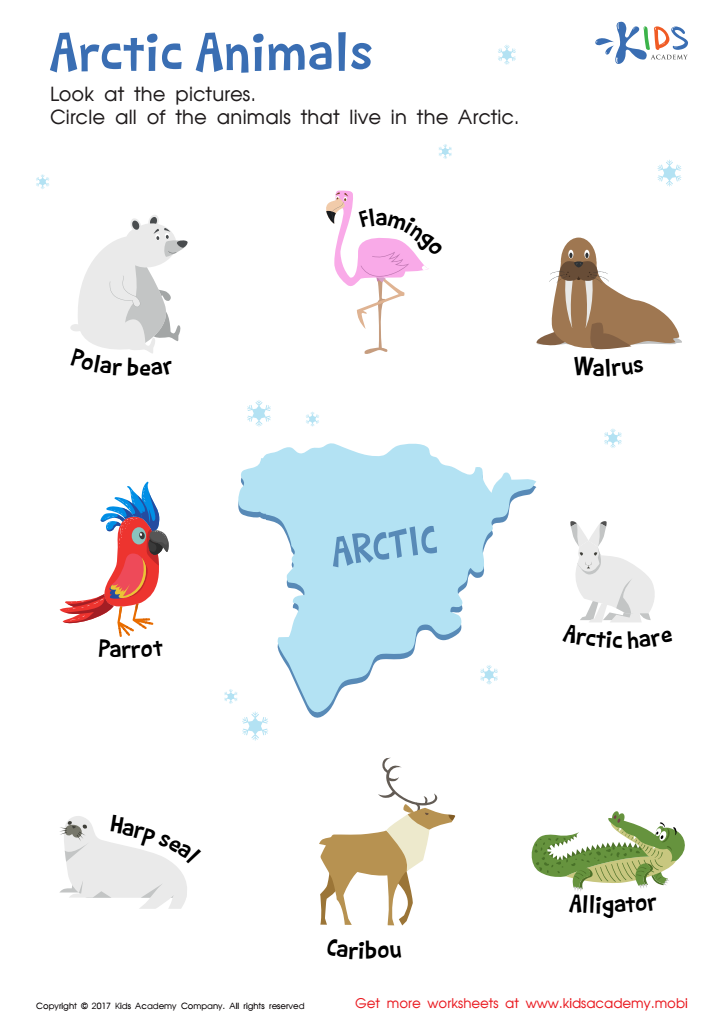
Kids love animals and this worksheet is a great way to teach them where they live. It reinforces classification skills and introduces new animals, like the Arctic hare. Use it to discuss the Arctic climate and how these animals live, then ask your child where other animals live to keep the conversation going.
Arctic Animals Worksheet
Worksheet
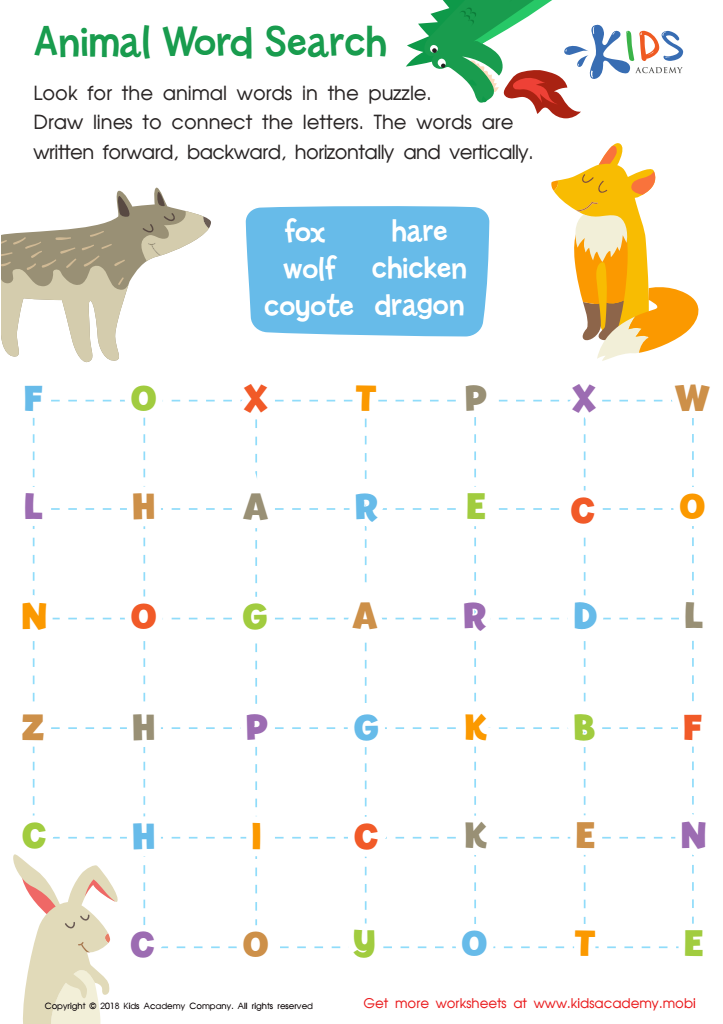
Animal Word Search Worksheet
Students can have fun and strengthen spelling and vocabulary skills with this word search worksheet. Search for animal words and circle the letters in the puzzle. Words can be found forwards, backwards, horizontally or vertically, providing a great challenge to foster critical thinking skills. An enriching activity for all ages!
Animal Word Search Worksheet
Worksheet
Join Kids Academy for Free
Who is primarily going to use this learning content?





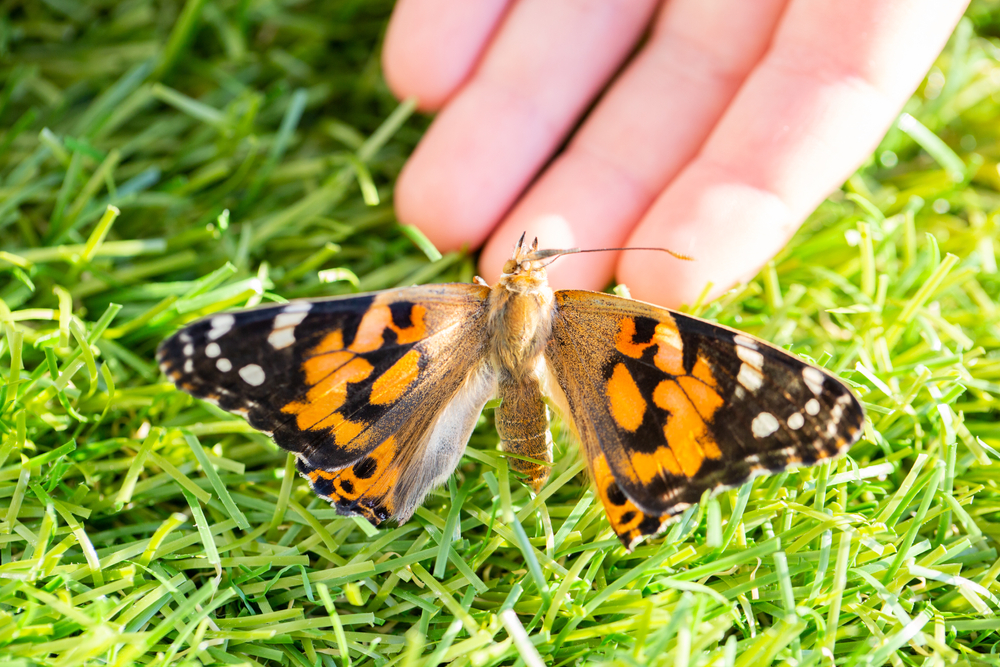


Vocabulary building in the context of normal plants and animals is crucial for children aged 3-7 as it lays the foundation for their future literacy and cognitive development. At this young age, children are naturally curious and eager to explore the world around them. By introducing them to the vocabulary associated with plants and animals, parents and teachers can enhance their understanding of biodiversity and ecosystems. This knowledge not only fosters curiosity about nature but also cultivates a sense of responsibility towards the environment.
Moreover, learning specific terms related to flora and fauna expands children's language skills, improving their ability to express thoughts and communicate effectively. Enhanced vocabulary aids in better comprehension of texts and fosters critical thinking, as children learn to categorize, compare, and contrast different species.
In addition, this thematic vocabulary can create engaging learning experiences—from storytelling to hands-on activities—that stimulate imaginations and make learning fun. Ultimately, building a strong vocabulary about normal plants and animals equips children with the language tools they need to articulate their experiences and observations, supporting their overall intellectual and emotional growth during these formative years. Thus, parental and teacher involvement in these early educational activities is essential for holistic development.







