Vocabulary expansion Normal Consonants Worksheets for Ages 3-8
5 filtered results
-
From - To
Unlock the potential of young learners with our Vocabulary Expansion Normal Consonants Worksheets, designed specifically for children ages 3 to 8! These engaging worksheets focus on enhancing vocabulary through fun and interactive activities that feature normal consonants. By providing a variety of exercises, such as matching, fill-in-the-blanks, and visual aids, children will develop a strong understanding of phonetics and word formation. Ideal for classroom use or at-home learning, our resources foster language acquisition and boost confidence. Explore this essential tool to enrich your child’s language skills today and set the foundation for reading success!
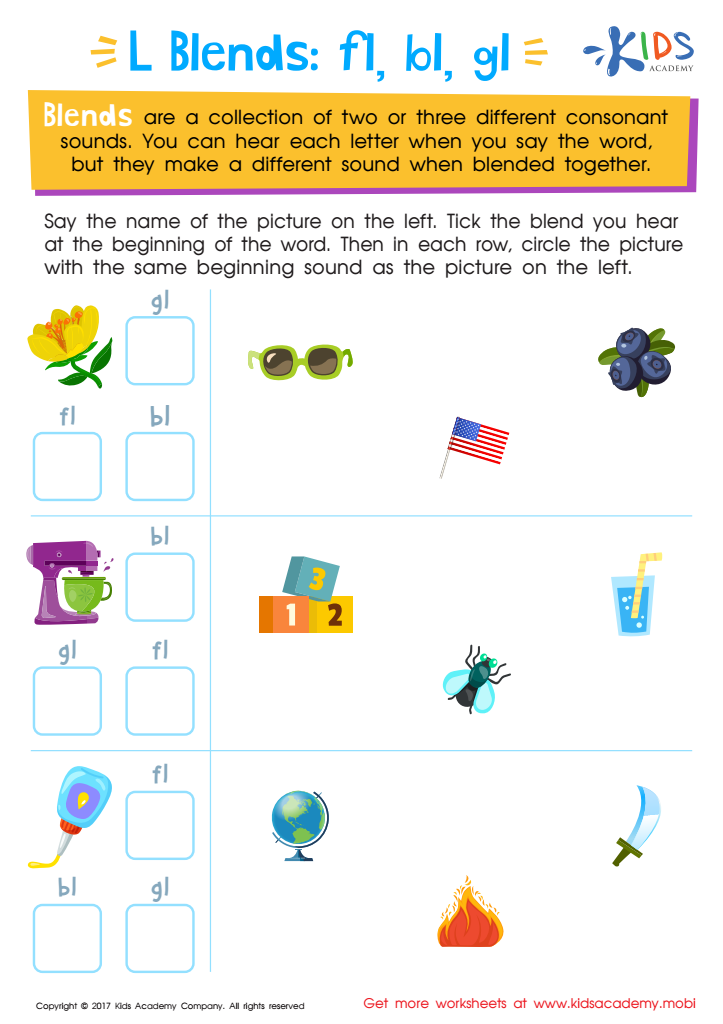
Blending Consonants: "Fl", "Bl" and "Gl" Printable
 Assign to My Students
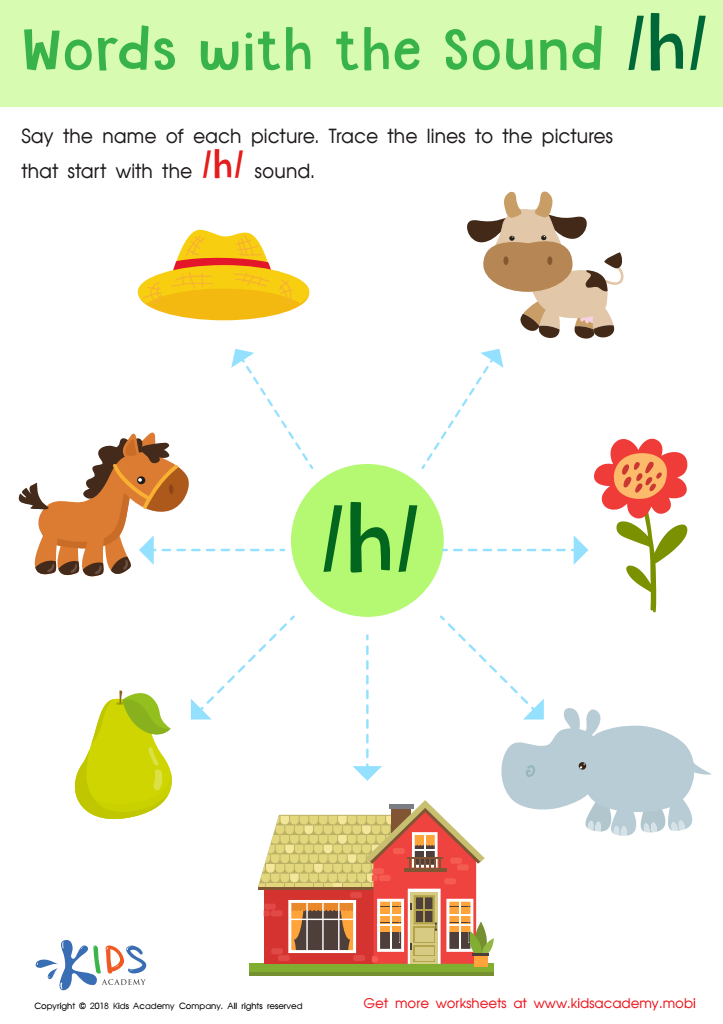
Words with sound h Reading Worksheet
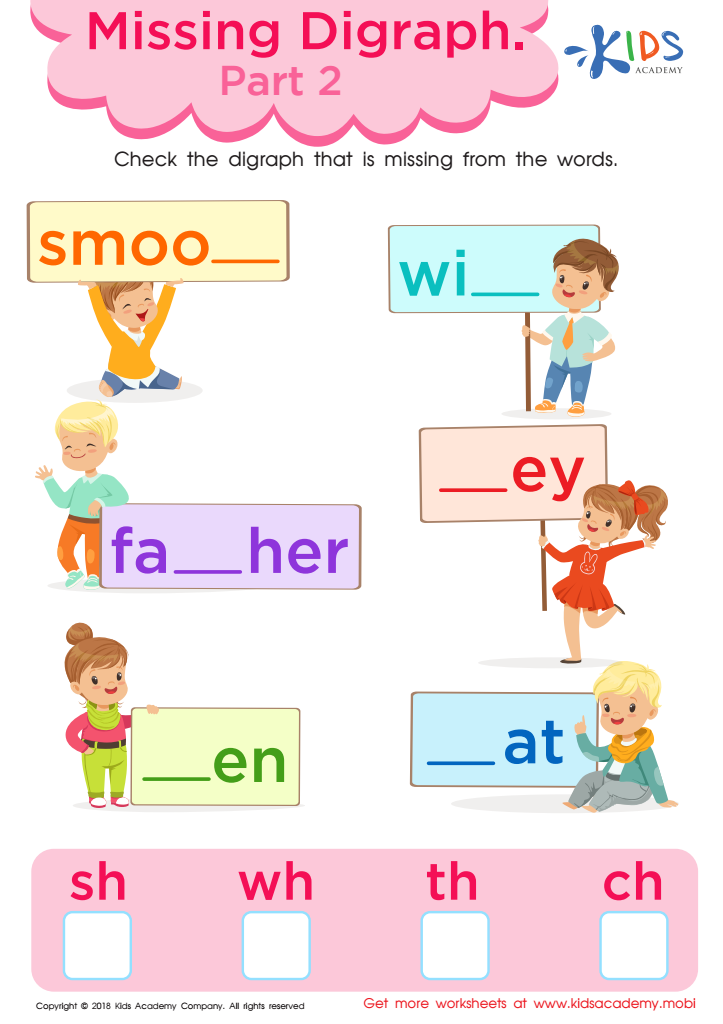
Missing Digraph: Part 2 Worksheet
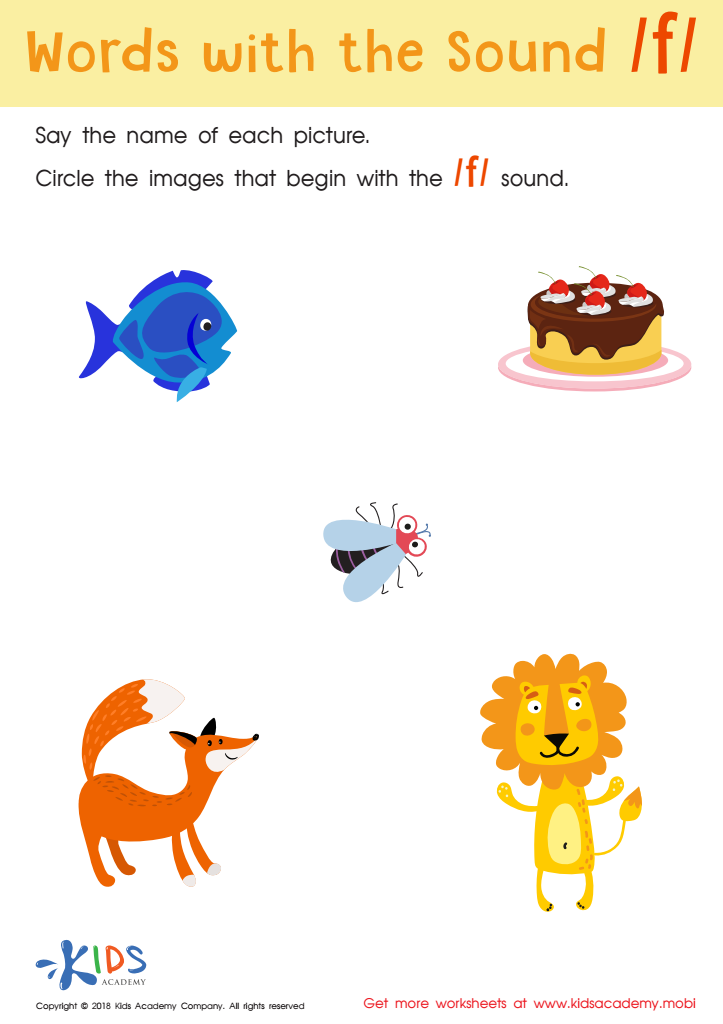
Words with sound f Reading Worksheet
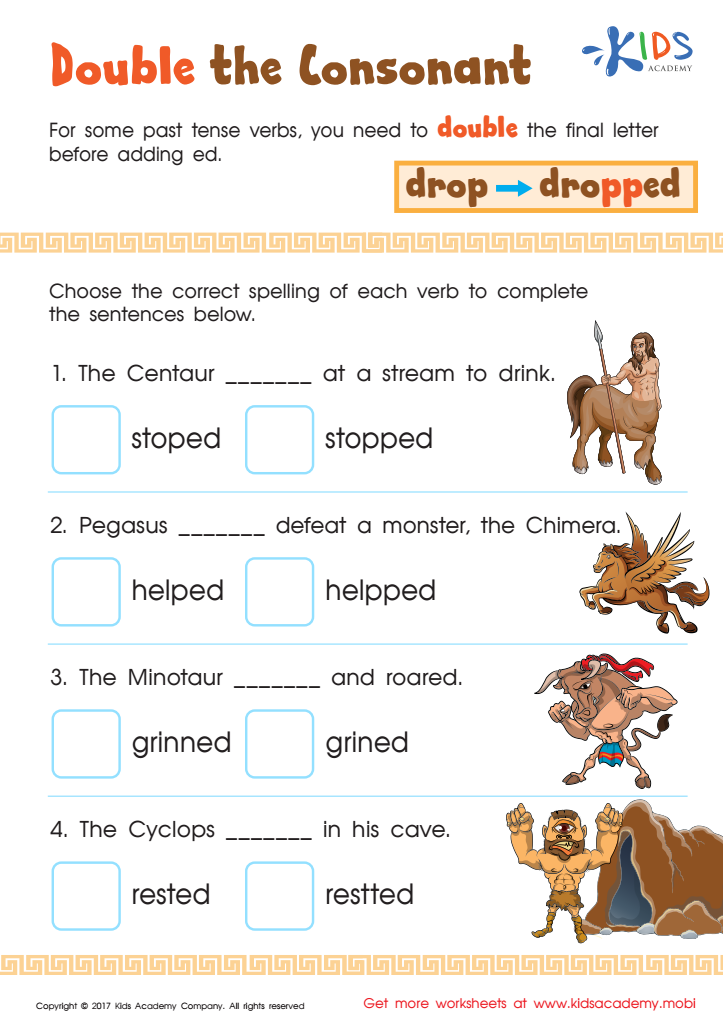
Double Consonant Spelling Worksheet



Parents and teachers should prioritize vocabulary expansion, particularly focusing on normal consonants, for children aged 3-8 as it lays the foundation for effective communication and literacy development. During this critical period, children are in a rapid phase of language acquisition, and exposure to diverse vocabulary helps enhance their expressive and receptive language skills. Mastery of consonants is essential, as they form the building blocks of words. When children learn to pronounce normal consonants correctly, it aids in clearer speech, boosts their confidence in verbal interactions, and encourages them to express their thoughts and emotions more freely.
Moreover, a rich vocabulary is closely linked to early reading success. As children encounter diverse words, they develop better comprehension skills and are more likely to engage with and understand texts as they progress to reading independently. By expanding vocabulary through fun and meaningful activities, such as storytelling, games, and interactive exercises, caregivers and educators can create a stimulating environment that fosters a love for language.
Ultimately, a strong vocabulary not only supports academic achievements but also enhances social interactions, allowing children to express themselves adequately and navigate their surroundings more effectively. Hence, focusing on vocabulary expansion in early years is invaluable for lifelong communication skills.






