Letter Tracing Normal Alphabet Worksheets for Ages 3-8
6 filtered results
-
From - To
Explore our engaging Letter Tracing Normal Alphabet Worksheets, designed for children aged 3-8. These interactive worksheets provide a fun and effective way for young learners to develop their writing skills, improve fine motor abilities, and enhance letter recognition. With traceable letters in both upper and lower case, children will gain confidence as they practice correct letter formation. Our resources cater to various learning styles, making it easy to personalize lessons. Ideal for home or classroom use, these worksheets are perfect for giving children the foundational skills they need to excel in their reading and writing journey. Start tracing today and watch them shine!
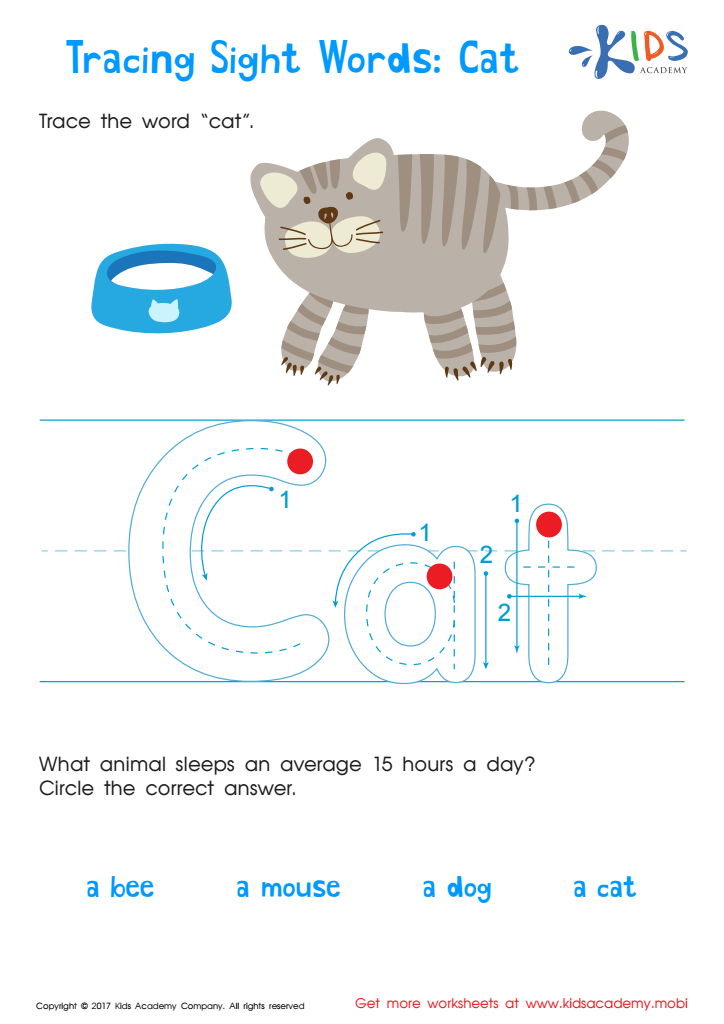
Cat Printable Sight Words Worksheet
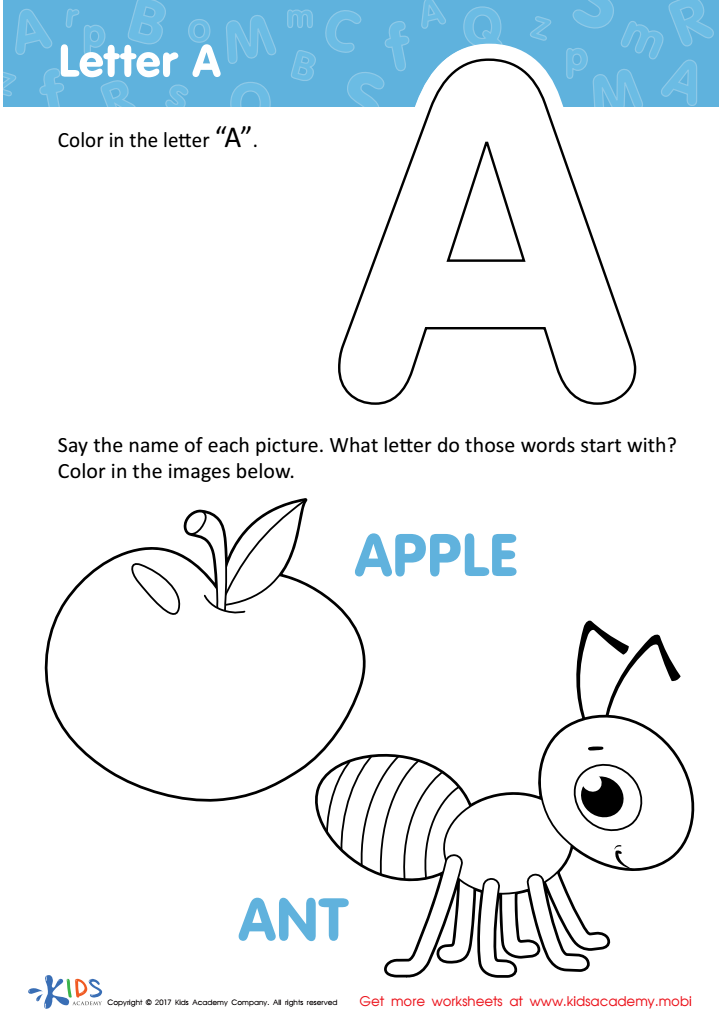
Letter A Coloring Sheet
 Assign to My Students
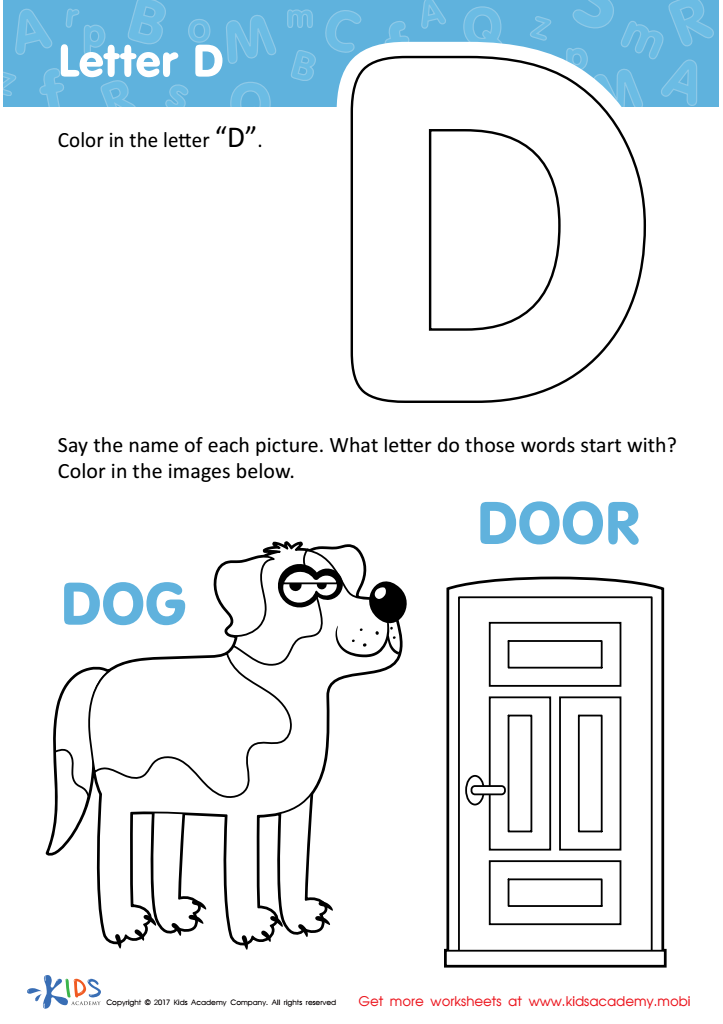
Letter D Coloring Sheet
Assign to My Students
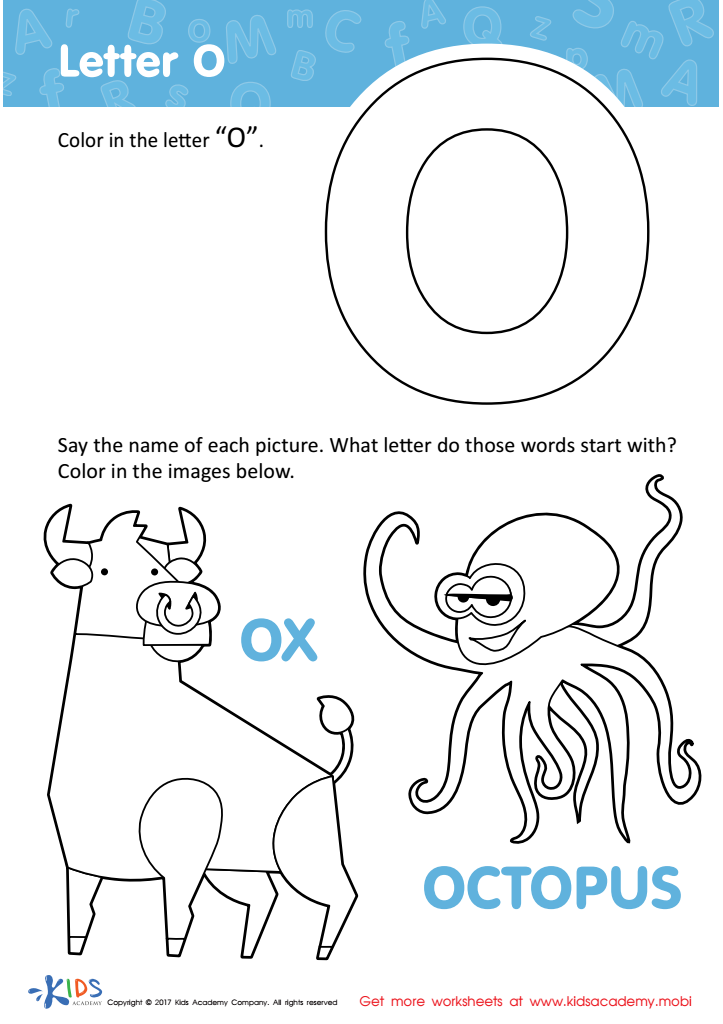
Letter O Coloring Sheet
Assign to My Students
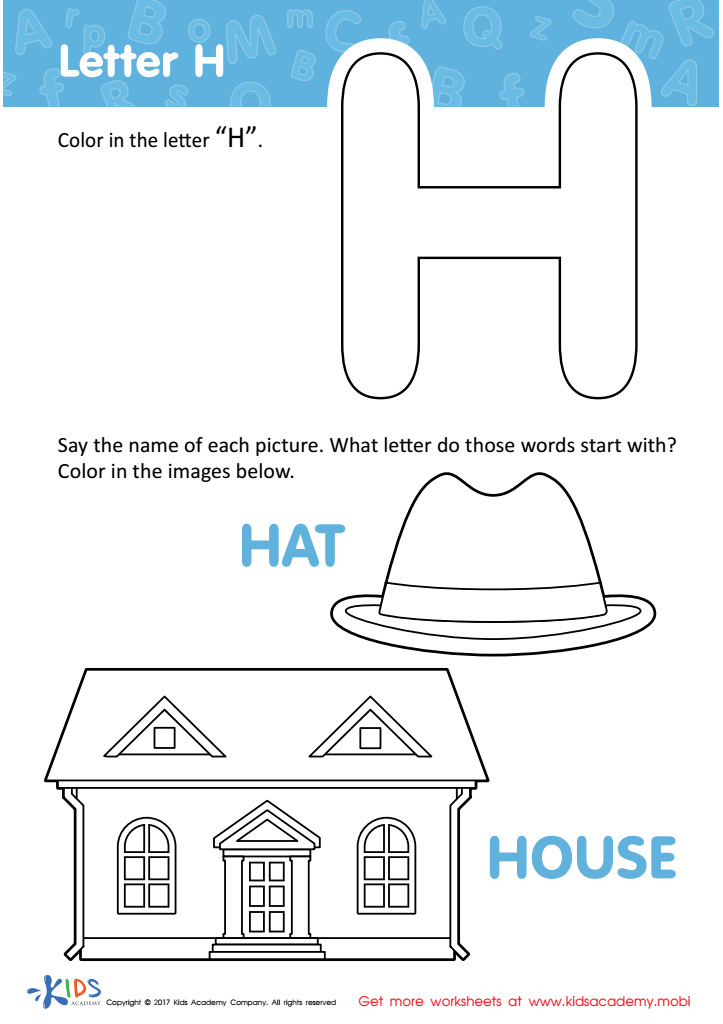
Letter H Coloring Sheet
Assign to My Students
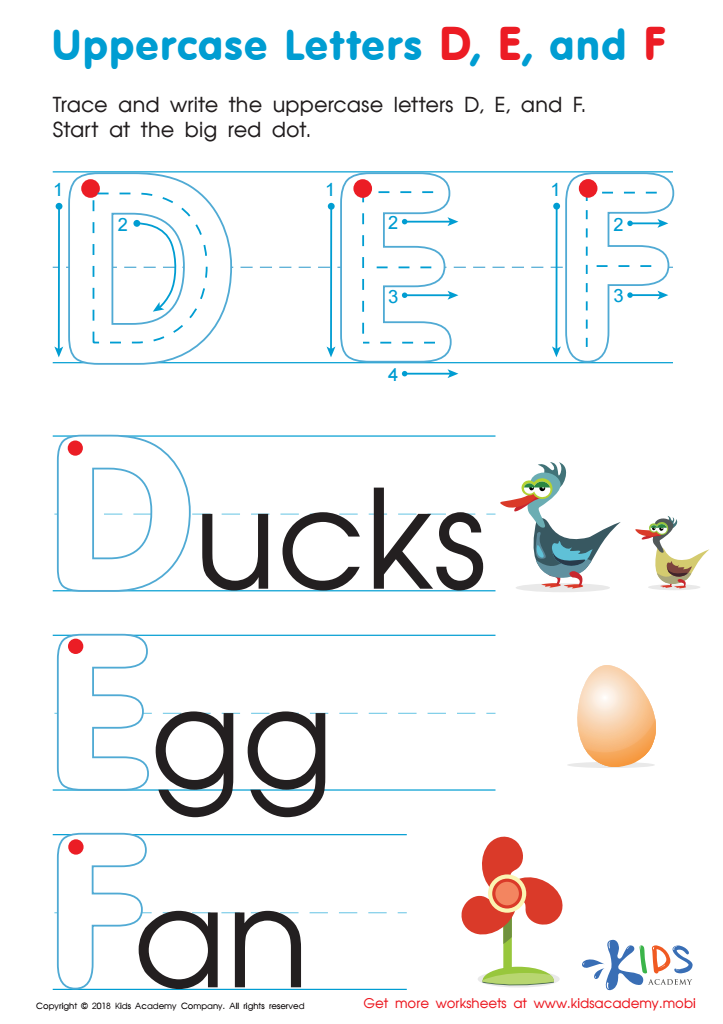
Uppercase Letters D, E, and F Worksheet




.jpg)


Letter tracing is a vital activity for children aged 3-8, as it significantly contributes to their literacy development. This age group is critical for foundational skills in writing and language, and letter tracing offers numerous benefits. Firstly, tracing helps children familiarize themselves with the letters of the alphabet, enhancing their recognition and fine motor skills. As they trace, they learn the proper formation of letters, which lays the groundwork for proficient handwriting.
Moreover, this practice aids in developing hand-eye coordination, essential for other academic skills and daily tasks. Tracing letters also engages multiple senses—visual, tactile, and kinesthetic—resulting in a more holistic learning experience. Recognizing and properly writing letters boosts a child's confidence, encouraging them to experiment with reading and writing.
For parents and teachers, fostering these skills is crucial because literacy is a gateway to all subjects in school and future academic success. Moreover, by incorporating engaging and playful methods, like tracing letters, children are more likely to stay interested in learning. Ultimately, emphasizing letter tracing provides a structured yet fun approach to writing, equipping young learners with the essential building blocks for effective communication and learning well beyond early education.







