Phonics development Normal Alphabet Worksheets for Ages 3-8
3 filtered results
-
From - To
Discover engaging phonics development worksheets designed specifically for children ages 3-8! These normal alphabet worksheets enhance early reading skills through fun and interactive activities that support phonemic awareness. Designed to foster a love for learning, our resources help young learners master letter sounds, blend words, and improve vocabulary. Whether in the classroom or at home, these printable worksheets provide children with essential tools for building a strong literacy foundation. Start your child’s journey to reading success with our carefully crafted phonics worksheets that make learning both enjoyable and effective. Perfect for parents and teachers alike, spark creativity and curiosity today!
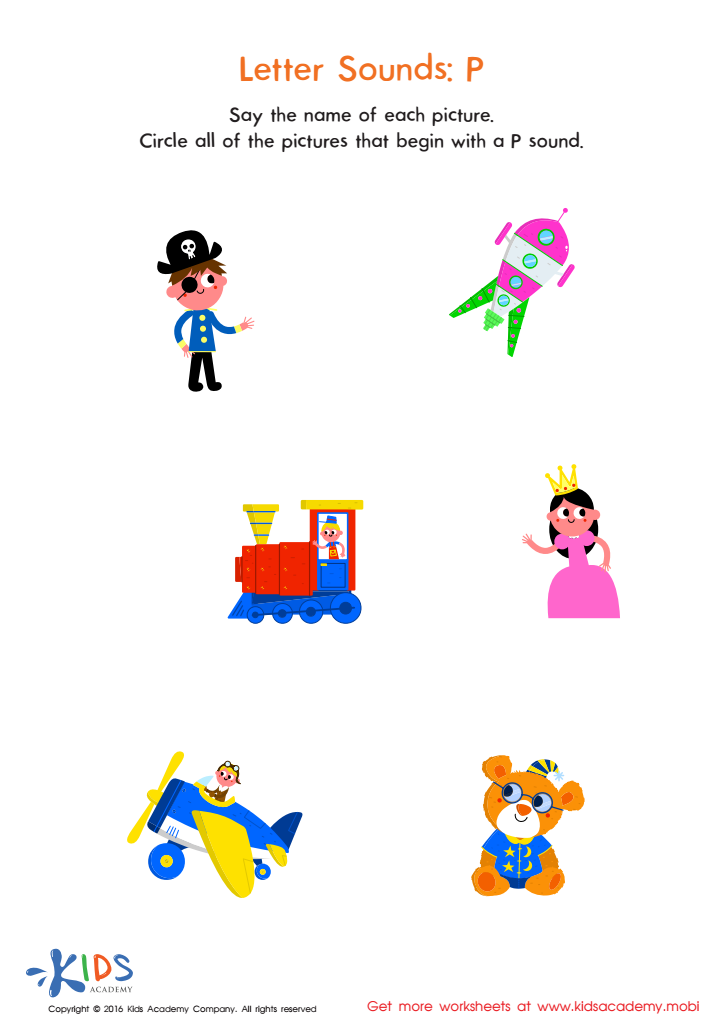
Letter P Sound Worksheet
 Assign to My Students
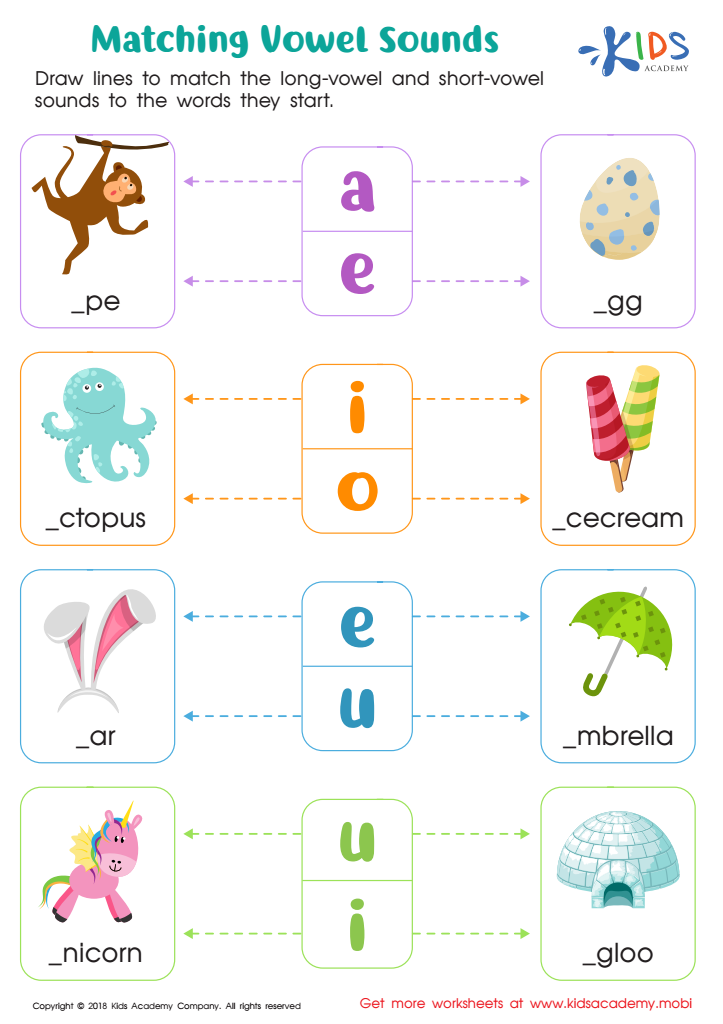
Matching Vowel Sounds Worksheet
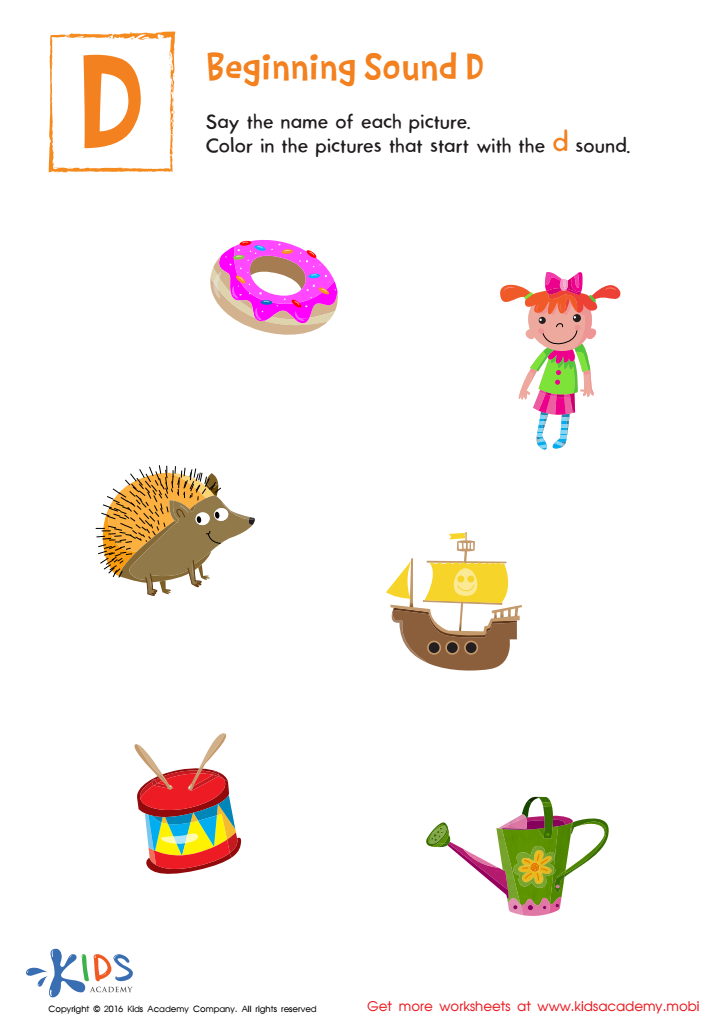
Beginning Sound D Worksheet







Phonics development is crucial for children aged 3 to 8 as it lays the foundation for reading and writing skills. During these formative years, children learn to connect sounds with letters, which is essential for deciphering words. Understanding phonics helps children develop strong decoding skills, enabling them to read independently and fluently.
Parents and teachers should care about phonics because early literacy skills are directly linked to a child’s academic success. Research shows that children with a solid grasp of phonics are better prepared to tackle more complex reading material as they progress in school. This leads not only to improved literacy rates but also enhances overall confidence and motivation to learn.
Moreover, phonics instruction can often help struggling readers. Recognizing and articulating sounds makes it easier for children to sound out unfamiliar words, thus fostering a love for reading.
Additionally, phonics promotes cognitive development, as children learn to listen, analyze sounds, and utilize language effectively. Engaged parents and skilled teachers can provide targeted support and interactive learning experiences that make phonics enjoyable, ultimately benefiting a child's long-term educational journey. By prioritizing phonics development, we equip children with the necessary tools for lifelong learning and communication.







