Fine Motor Skills Normal Letter E Worksheets for Ages 3-8
3 filtered results
-
From - To
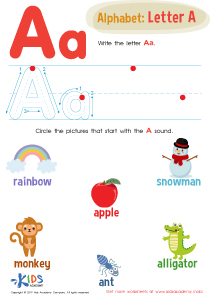
Welcome to our "Fine Motor Skills Normal Letter E Worksheets" for children ages 3-8! These engaging and interactive worksheets are specifically designed to enhance fine motor skills while introducing young learners to the letter E. Nuturing the development of dexterity and hand-eye coordination, our activities include tracing, coloring, and creative exercises that encourage kids to explore the shape and sound of the letter E. Ideal for preschool and early elementary settings, these worksheets provide a fun and educational experience, allowing children to build confidence in their writing abilities. Download now to inspire and support your child's early literacy journey!
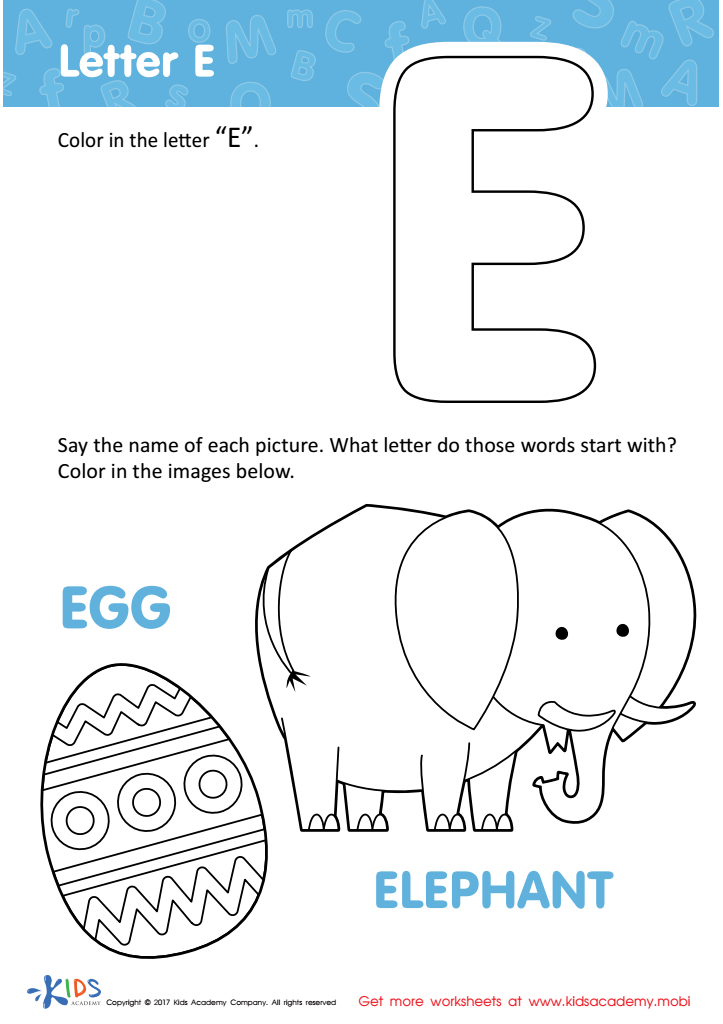
Letter E Coloring Sheet
 Assign to My Students
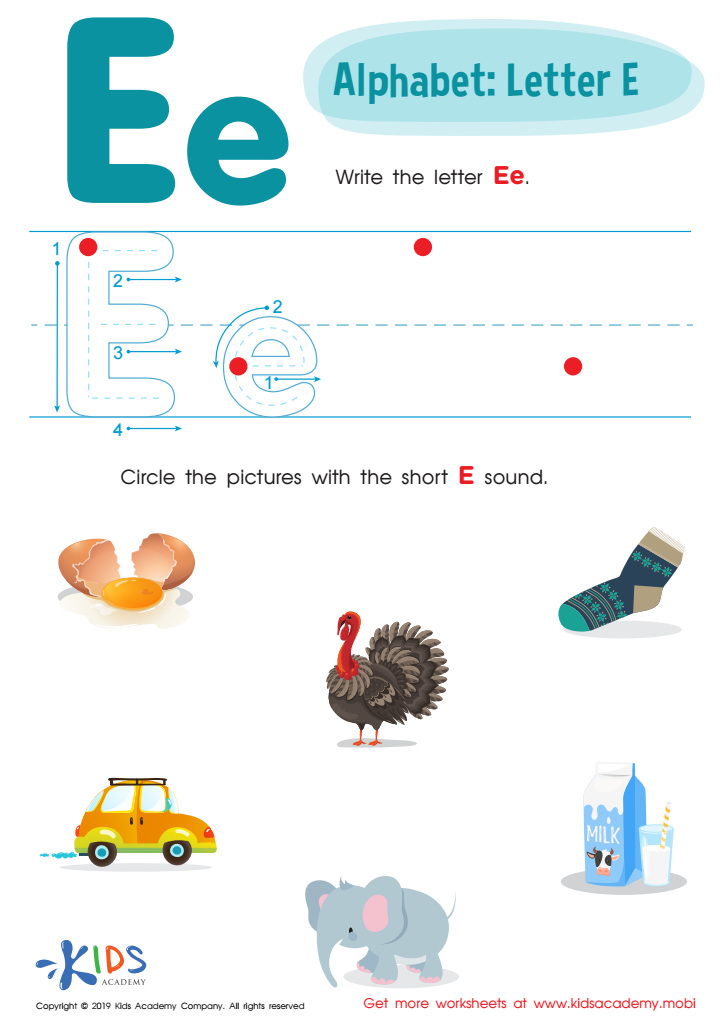
Letter E Tracing Worksheet
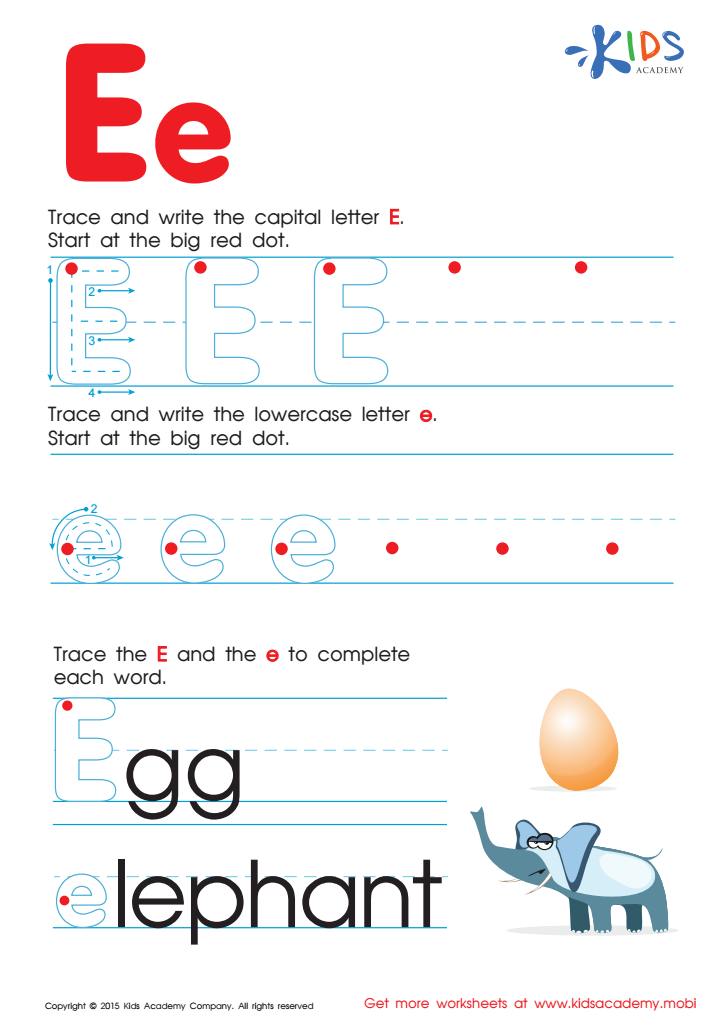
Letter E Tracing Page







Fine motor skills are crucial for young children's overall development, especially for those aged 3-8 years. These skills involve the coordination of small muscles, particularly in the hands and fingers, which are essential for everyday tasks and academic success. Teaching children how to correctly form letters, such as the letter E, strengthens these muscles and enhances their hand-eye coordination.
When children develop fine motor skills, they gain confidence in their ability to write, draw, and perform other tasks requiring precision. This is particularly important as they transition to more complex activities in school, like writing complete sentences or learning to use various tools. A focus on proper letter formation also aids in developing literacy skills, as clear handwriting is fundamental for effective communication.
Additionally, engaging in fine motor activities can bolster cognitive development, as children learn to focus, follow instructions, and problem-solve. Parents and teachers should care about nurturing fine motor skills not just for handwriting, but as a foundational element for social skills, academic achievement, and self-esteem. By providing opportunities for practice and support, they can help children thrive both inside and outside the classroom.