Fine Motor Skills Normal Tracing Words Worksheets for Ages 3-8
6 filtered results
-
From - To
Enhance your child's fine motor skills with our engaging Normal Tracing Words Worksheets, specifically designed for children ages 3-8. These worksheets offer a dynamic way for young learners to practice their handwriting while developing essential fine motor control. Each worksheet features vibrant, child-friendly layouts that encourage exploration and repetition. As kids trace letters and words, they’ll improve their hand-eye coordination and boost their confidence in writing. Perfect for at-home learning or classroom activities, these worksheets align with early childhood education goals, making learning fun and interactive. Download now to support your child's developmental journey while fueling their creativity!
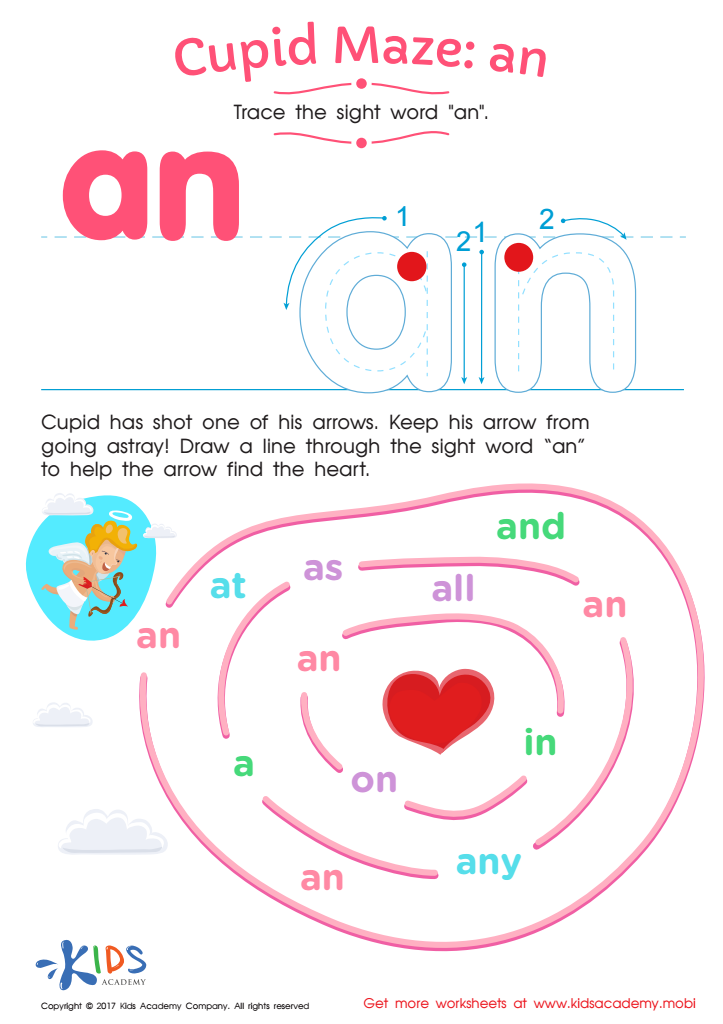
Cupid Maze: An Printable
 Assign to My Students
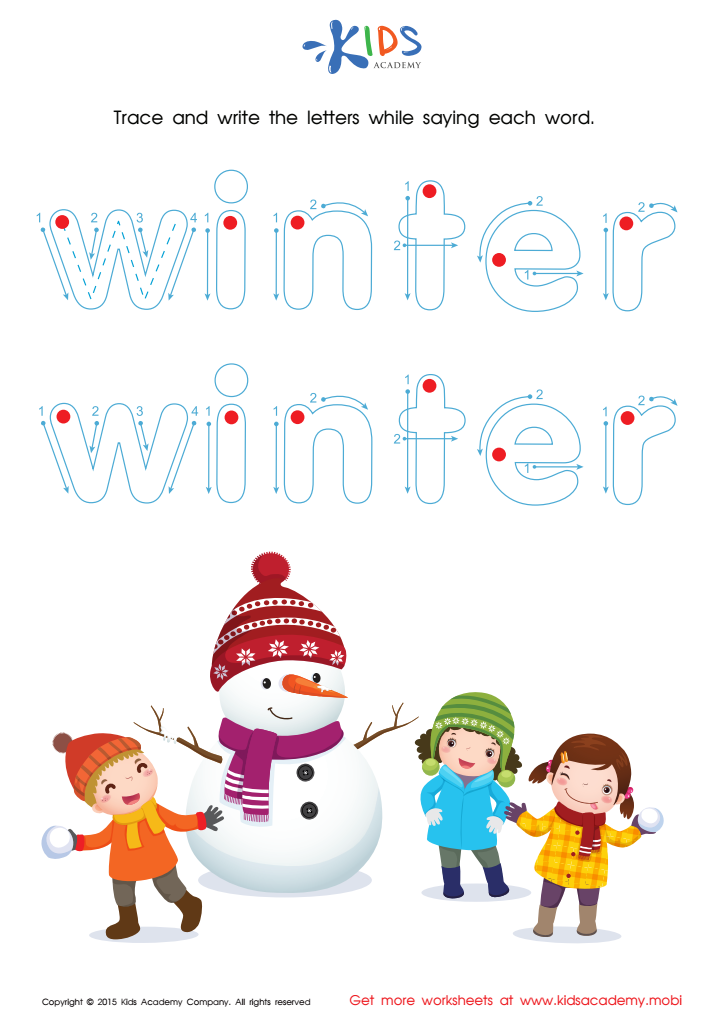
Snowman Tracing Winter Words Worksheet
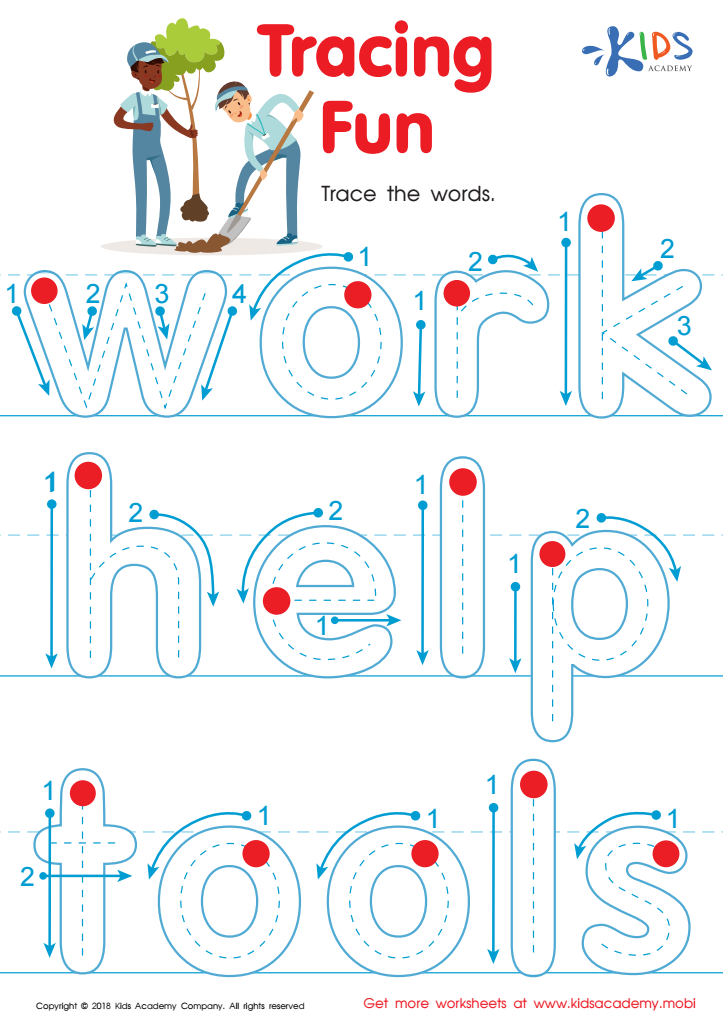
Tracing Fun Worksheet
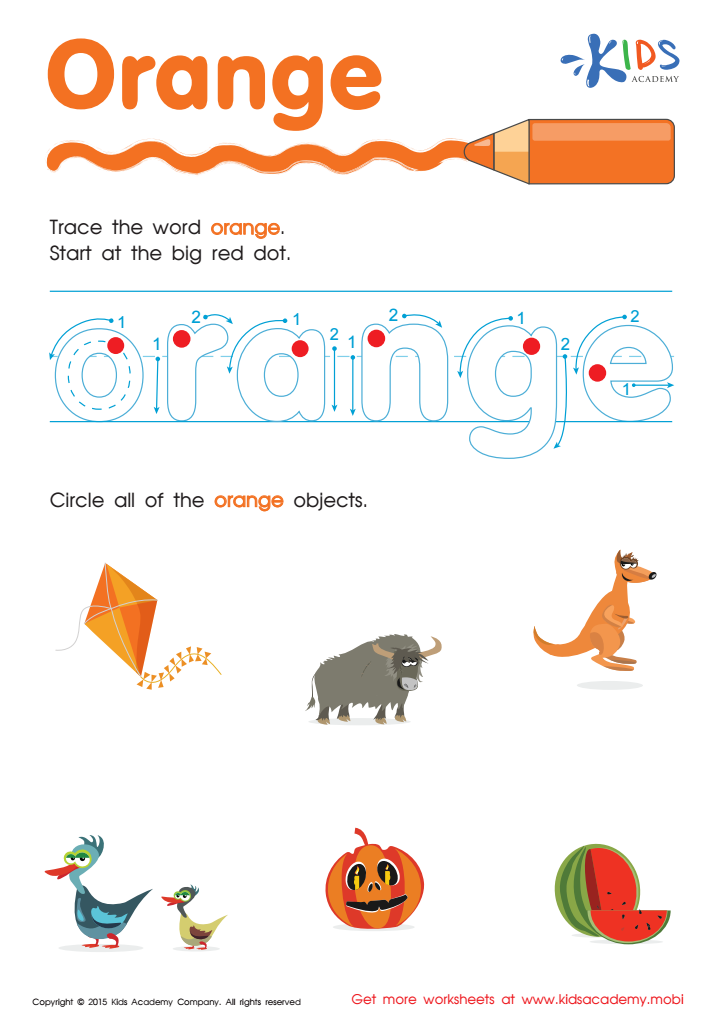
Orange Tracing Color Words Worksheet
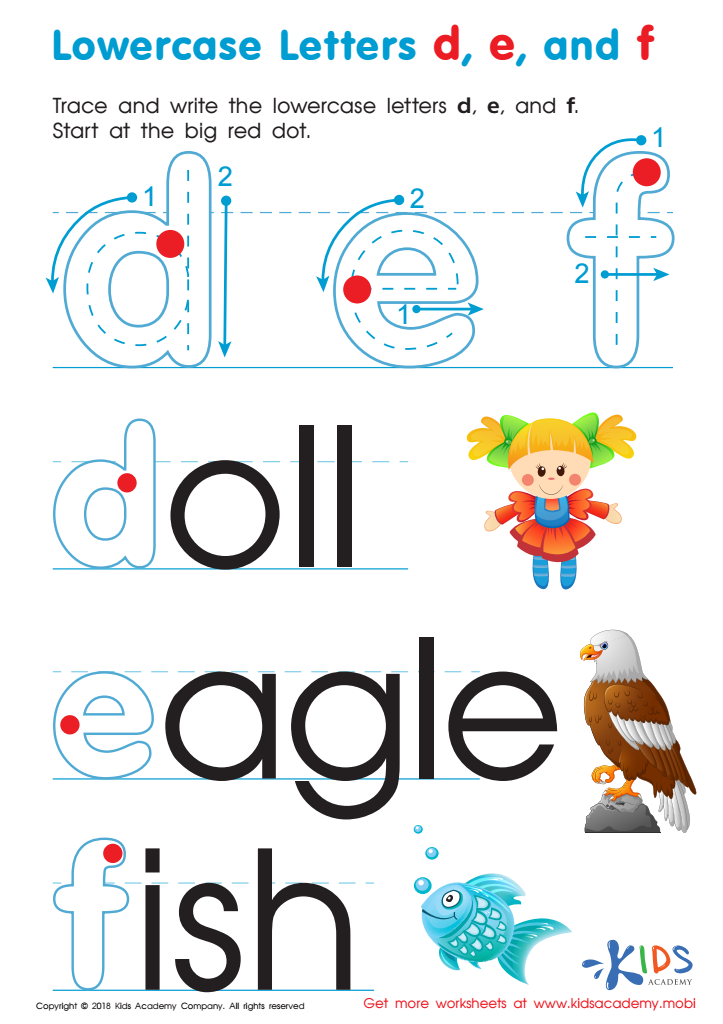
Lowercase Letters d e f Worksheet
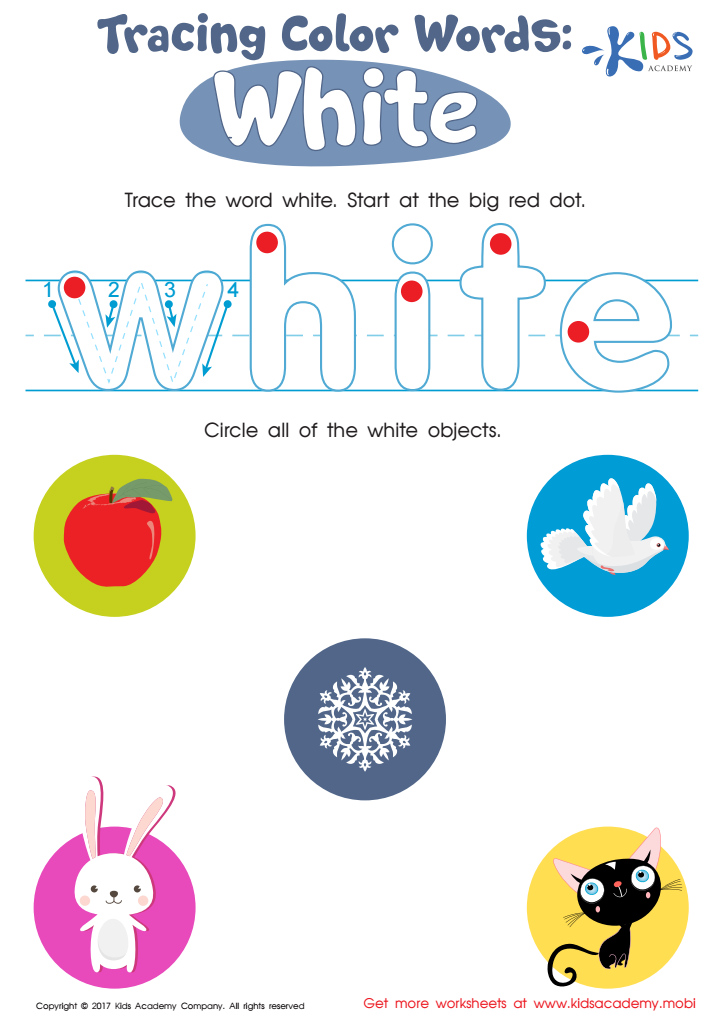
White Tracing Color Words Worksheet








Fine motor skills are crucial for young children's overall development, particularly between the ages of 3-8. These skills involve the coordination of small muscles in the hands and fingers, which are essential for tasks such as writing, drawing, and self-care activities like buttoning shirts or tying shoelaces. Normal tracing of words is an effective way for children to develop these skills.
For parents and teachers, focusing on tracing words helps build the foundation for literacy and numeracy skills. It encourages hand-eye coordination, spatial awareness, and control over writing instruments, all vital for successful handwriting. Fine motor activities also stimulate cognitive development, as children learn to recognize letters, understand sequencing, and enhance their memory through repeat practices.
Moreover, engaging in these activities fosters self-confidence. Mastery of writing skills boosts a child’s self-esteem, making them feel capable and independent. Additionally, the structured practice of tracing can be a calming and enjoyable shared activity, reinforcing the parent-child or teacher-student bond. In essence, nurturing fine motor skills through tracing is not only about developing handwriting; it serves as a gateway to achieving broader academic and personal successes, making it a vital focus for those involved in early childhood education.