Alphabet tracing Normal Letter Recognition Worksheets for Ages 3-8
5 filtered results
-
From - To
Discover our engaging Alphabet Tracing and Normal Letter Recognition Worksheets, designed exclusively for children ages 3-8. These worksheets offer a fun and interactive way for young learners to practice tracing and identifying letters, enhancing their handwriting and literacy skills. Featuring beautifully crafted, age-appropriate activities, each worksheet is geared towards promoting fine motor skills, letter formation, and early reading abilities. Ideal for both parents and teachers, our comprehensive collection ensures children develop a strong foundation in recognizing and writing the alphabet, setting the stage for future academic success. Download now and watch your little one thrive!

Letter P Tracing Page
 Assign to My Students
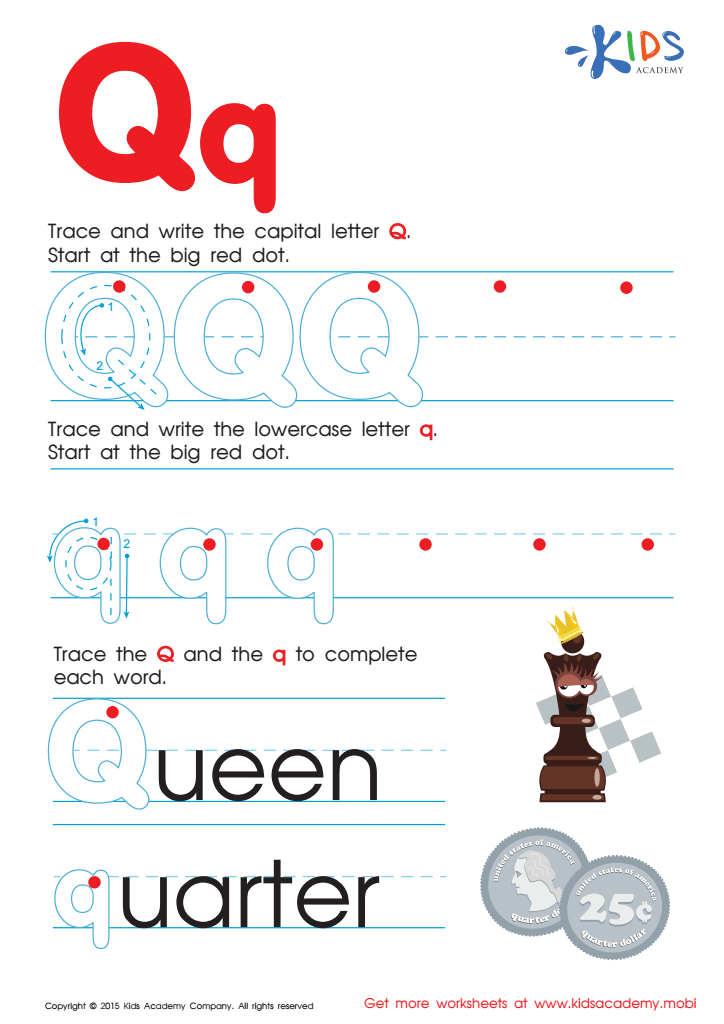
Letter Q Tracing Page

Letter H Tracing Page
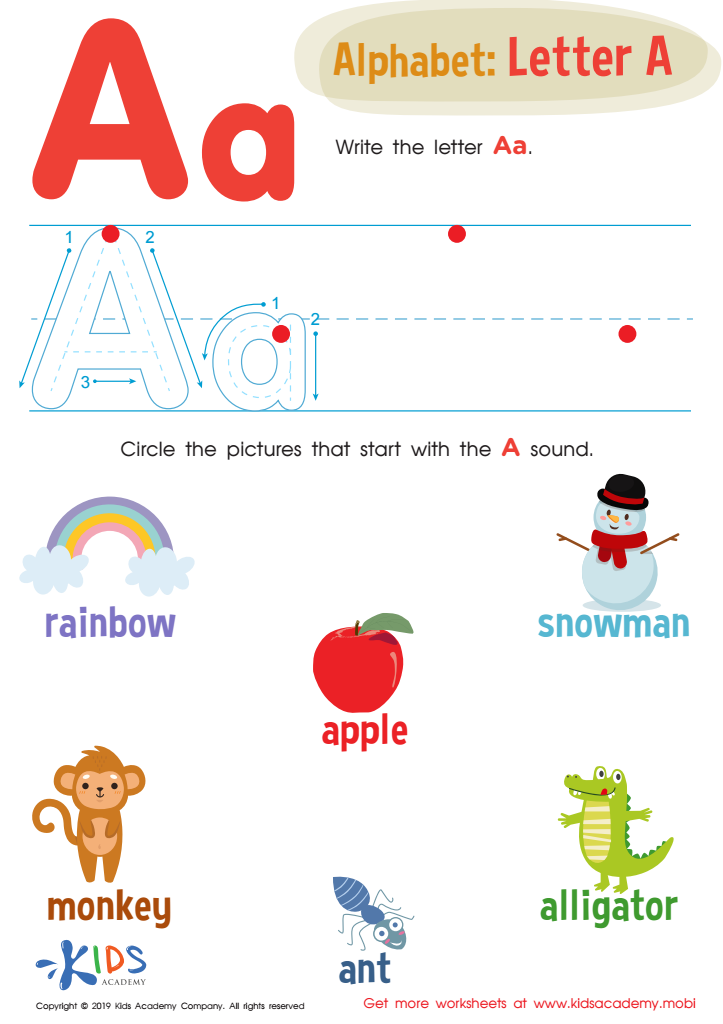
Letter A Tracing Worksheet

Letter D Tracing Page








Alphabet tracing and normal letter recognition is fundamental for children aged 3-8 since it forms the cornerstone of their literacy development. During these formative years, engaging kids in alphabet tracing activities helps them familiarize themselves with letter shapes and sound associations. This practice is crucial for developing fine motor skills and proper pencil grip, both essential for writing proficiency.
From a cognitive standpoint, recognizing and tracing letters helps children improve their memory and concentration. As they repeatedly practice writing letters, they reinforce their understanding and recall of each letter's shape and sound, laying the groundwork for reading and writing skills.
For teachers and parents, investing time in these activities ensures that children build a solid literacy foundation, setting them up for future success in school. Early competence in letter recognition has been linked to better reading and academic performance, enhancing their confidence and love for learning. Interactive tracing activities also provide opportunities for children to enjoy a sense of accomplishment and engage in playful learning.
By prioritizing alphabet tracing and letter recognition, educators and caregivers foster a supportive and enriching learning environment that nurtures children’s cognitive, motor, and academic growth, thus preparing them for more advanced language skills, critical thinking, and overall academic achievement.








