Vocabulary enhancement Normal Letter Recognition Worksheets for Ages 3-8
3 filtered results
-
From - To
Enhance your child's vocabulary and letter recognition skills with our engaging Normal Letter Recognition Worksheets, specifically designed for ages 3-8. These worksheets provide fun and interactive activities that encourage kids to identify letters while also expanding their word knowledge. By associating letters with commonly used vocabulary, children will not only learn to recognize letters but also develop essential language skills. Ideal for early learners, parents, and educators, these worksheets foster a love for learning through play. Visit us today to discover a treasure trove of printable resources and help your child build a strong foundation in literacy!
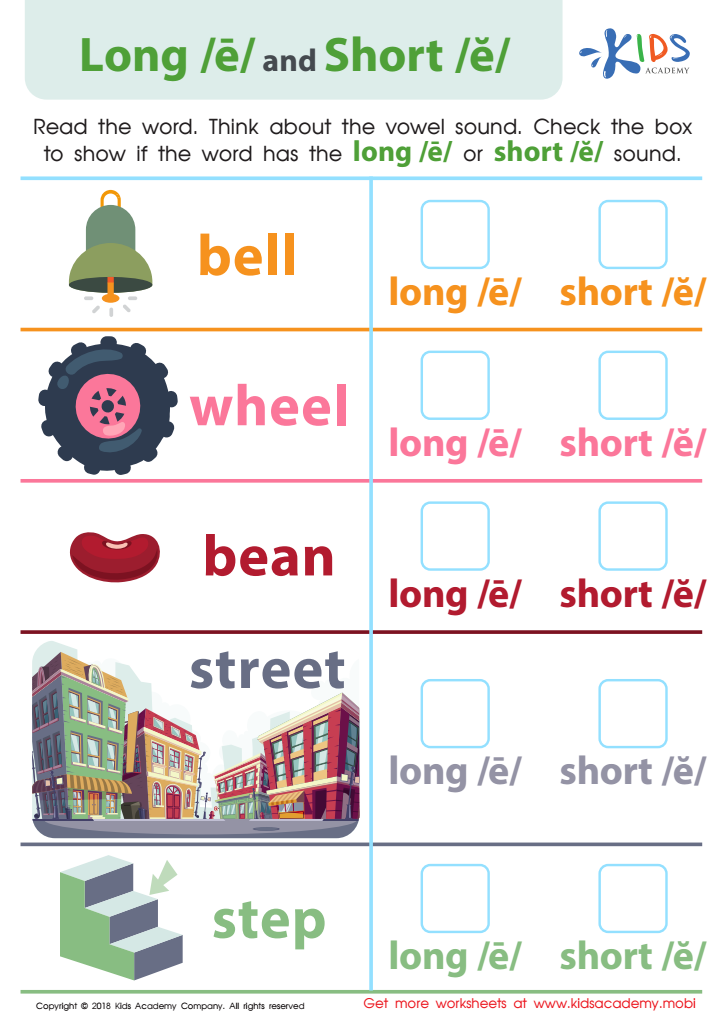
Reading: Long E and Short E Worksheet
 Assign to My Students
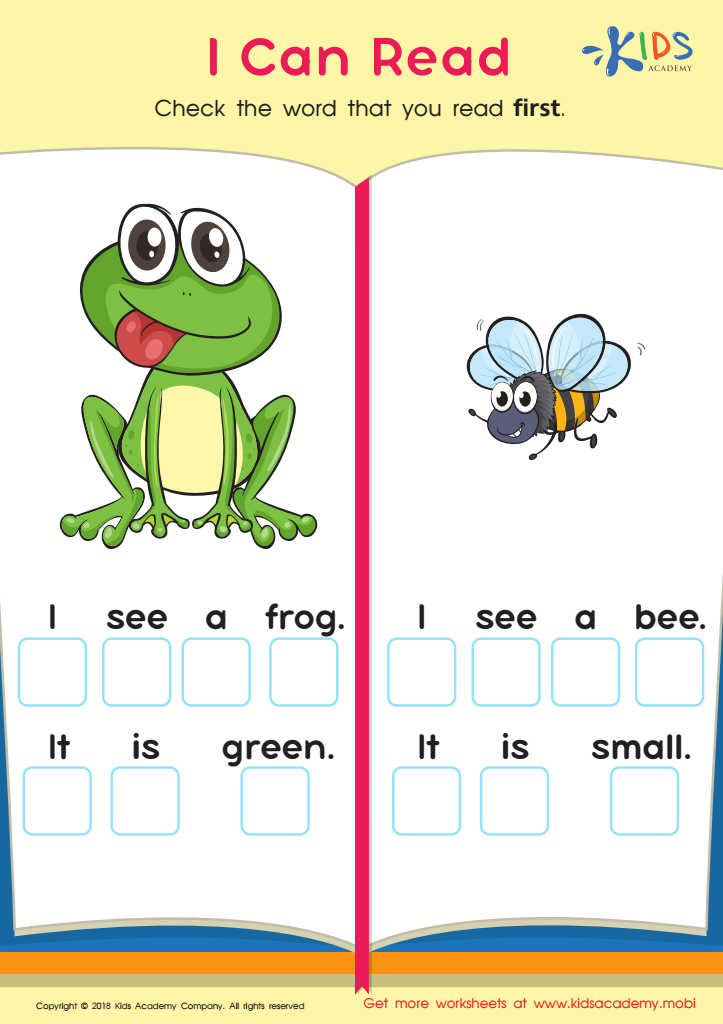
I Can Read Worksheet
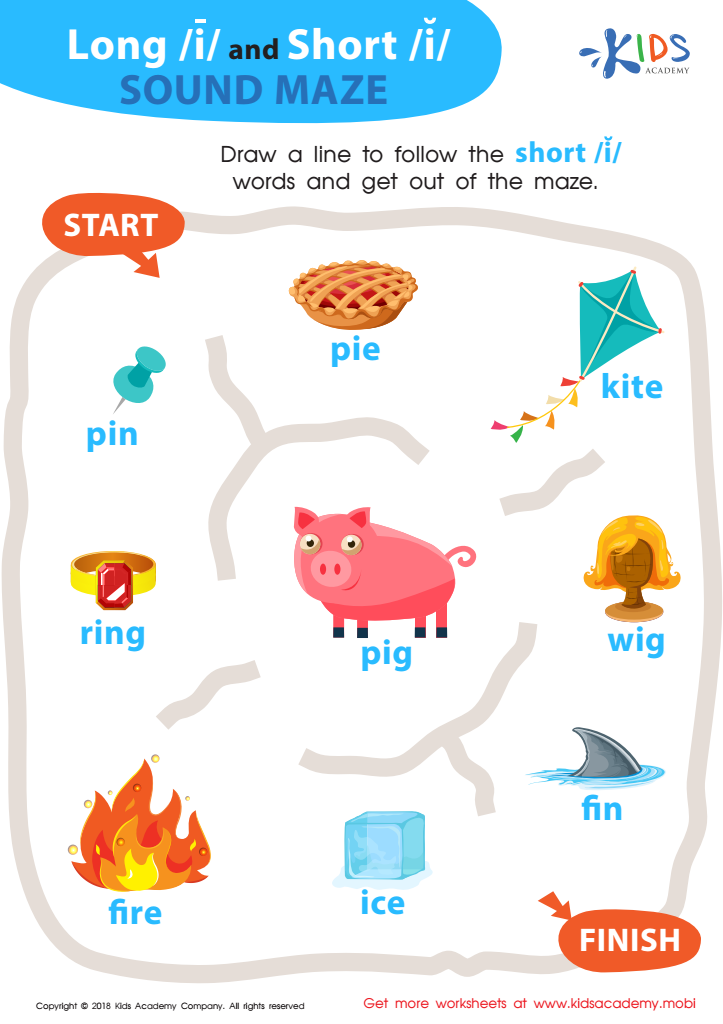
Reading: Long I and Short I Sound Maze Worksheet








Vocabulary enhancement and normal letter recognition are crucial for children aged 3-8 as they lay the foundation for literacy and effective communication. During these formative years, children are rapidly developing cognitive and language skills, and educators and parents play a significant role in this process.
A rich vocabulary not only aids in reading comprehension but also helps in verbal expression. When children are exposed to varied words and phrases, they become better communicators, enabling them to articulate their thoughts and feelings with clarity. This sets the stage for success in both academic and social interactions.
Normal letter recognition, on the other hand, is essential for developing foundational reading and writing skills. Recognizing letters and understanding their sounds helps children decode words, which is fundamental to learning to read. Mastery of these skills fosters a love of reading, which can translate to improved academic performance across subjects.
By prioritizing vocabulary enrichment and letter recognition, parents and teachers are investing in a child’s future. An early emphasis on these skills not only enhances literacy but also builds confidence and encourages a lifelong love for learning. Ultimately, fostering these abilities supports children's success in school and beyond, making it vital for both educators and parents to engage actively in this process.








