Vocabulary expansion Normal Long And Short Vowel Worksheets for Ages 3-8
5 filtered results
-
From - To
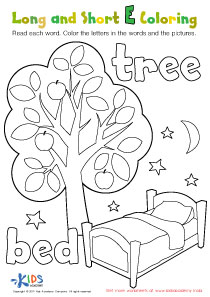
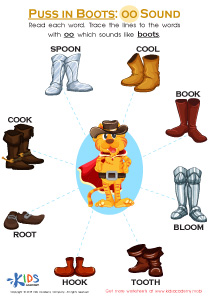
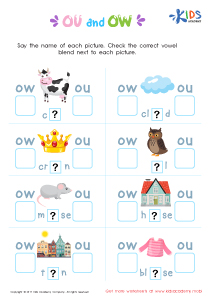
Enhance your child’s language skills with our "Vocabulary Expansion: Normal Long and Short Vowel Worksheets" designed for ages 3-8. These interactive activities focus on identifying and understanding long and short vowel sounds, boosting vocabulary and reading proficiency. Featuring colorful images and engaging tasks, our worksheets cater to young learners, making phonics fun and effective. Perfect for both classroom use and homeschooling, these resources help children distinguish vowel sounds, reinforcing word recognition and spelling patterns. Invest in your child’s linguistic foundation today with our expert-crafted vowel worksheets from Kids Academy.
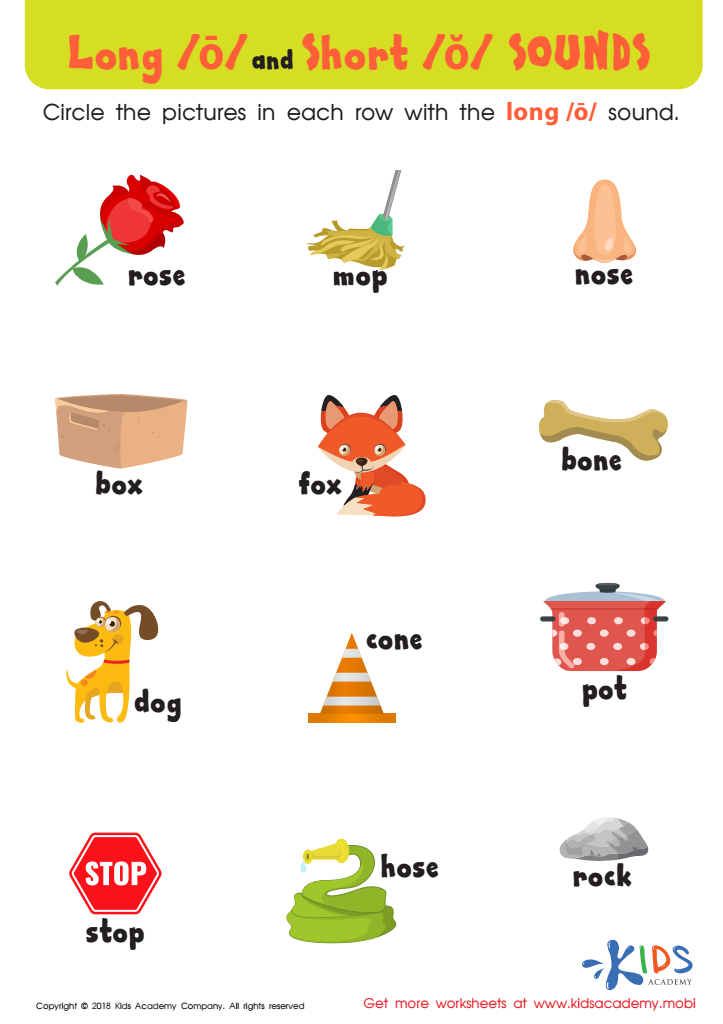
Reading: Long O and Short O Sounds Worksheet
 Assign to My Students
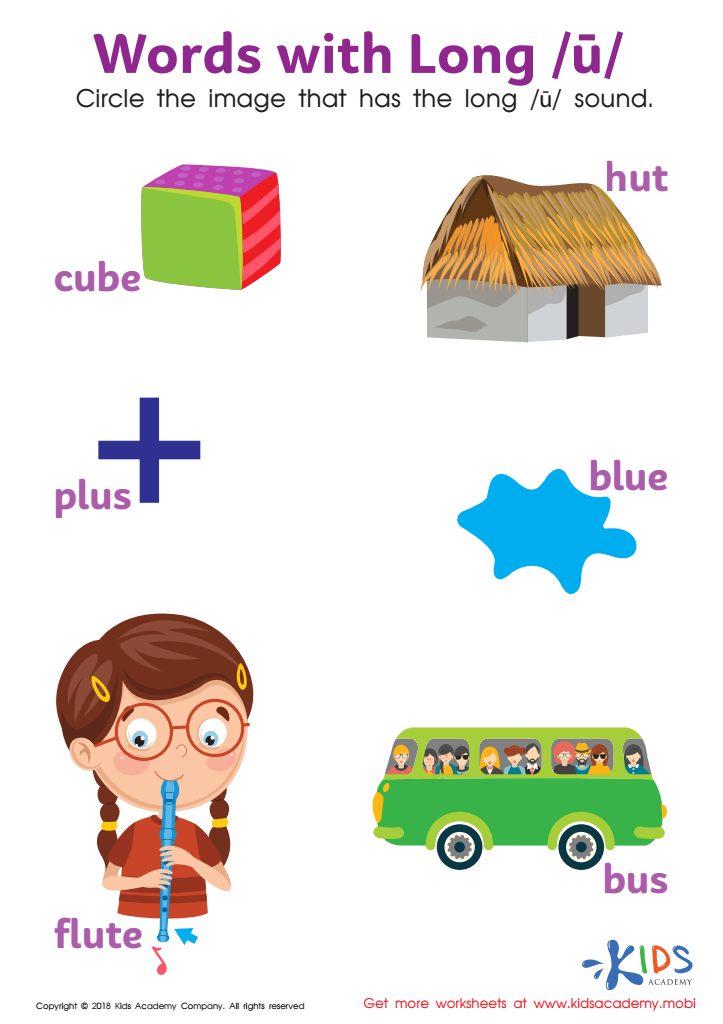
Words with Long U Reading Worksheet
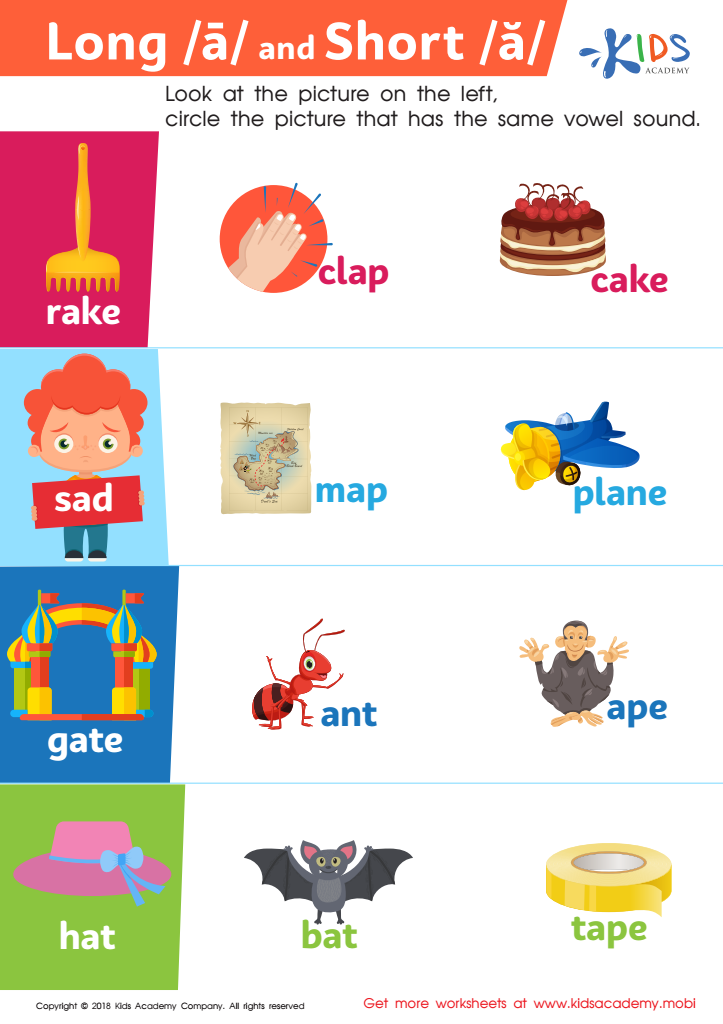
Reading: Long a and Short a Worksheet
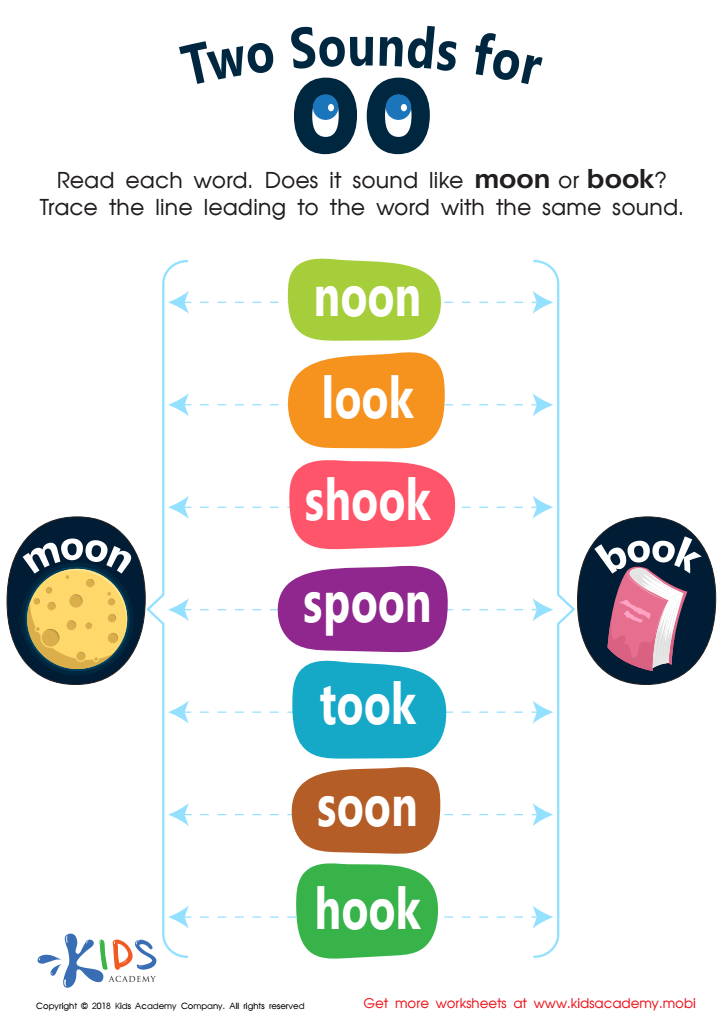
Two Sounds for OO Worksheet
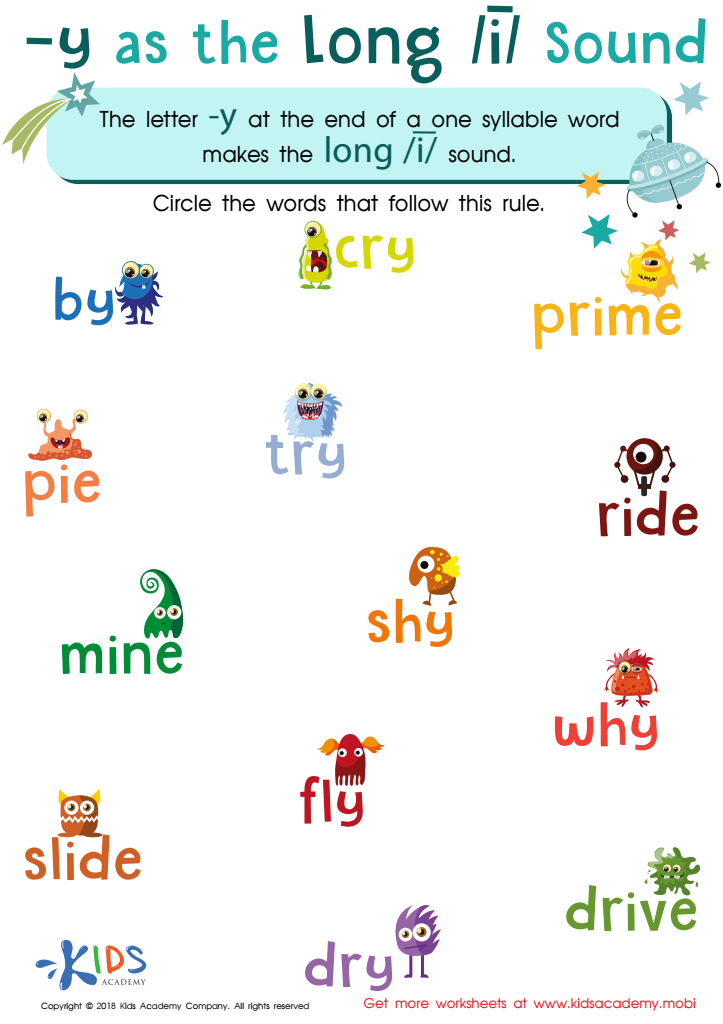
Reading: Y as Long I Worksheet




Vocabulary expansion, including a solid grasp of normal, long, and short vowels, is crucial for children aged 3-8. At this formative stage in their development, children are highly receptive to learning new words and sounds. A robust vocabulary is critical for effective communication, reading comprehension, and overall academic achievement.
Understanding vowel sounds early on lays the groundwork for proficient reading and writing skills. Long and short vowels impact word pronunciation, spelling, and meaning. For instance, knowing the difference between "cap" and "cape" helps children accurately decode and encode words.
Engaging children in vocabulary-building activities also enhances cognitive skills, such as memory and problem-solving. When children can label and articulate their thoughts and emotions effectively, they tend to navigate social interactions more successfully, fostering better relationships with peers and adults.
Teachers and parents play a pivotal role in this developmental stage by creating rich, language-filled environments—reading aloud, playing word games, and encouraging conversation. This proactive approach ensures that children do not just learn words, but understand their usage in context, setting a strong foundation for future learning and intellectual growth. Investing time in vocabulary expansion during these early years is integral to a child's lifelong educational trajectory.