Hand-eye Coordination Normal Phonics Worksheets for Ages 3-8
5 filtered results
-
From - To
Our Hand-eye Coordination Normal Phonics Worksheets for Ages 3-8 are thoughtfully designed to create an engaging learning experience for young children. These worksheets help develop early reading skills by combining phonics with fun, interactive activities that enhance hand-eye coordination. Ideal for preschool through early elementary, they focus on recognizing letters, sounds, and simple words while promoting fine motor skills. Whether tracing, matching, or completing patterns, each exercise offers colorful visuals and challenges that kids adore. Perfect for classroom or home use, our worksheets nurture foundational skills critical for literacy and learning success, making early education enjoyable and effective.
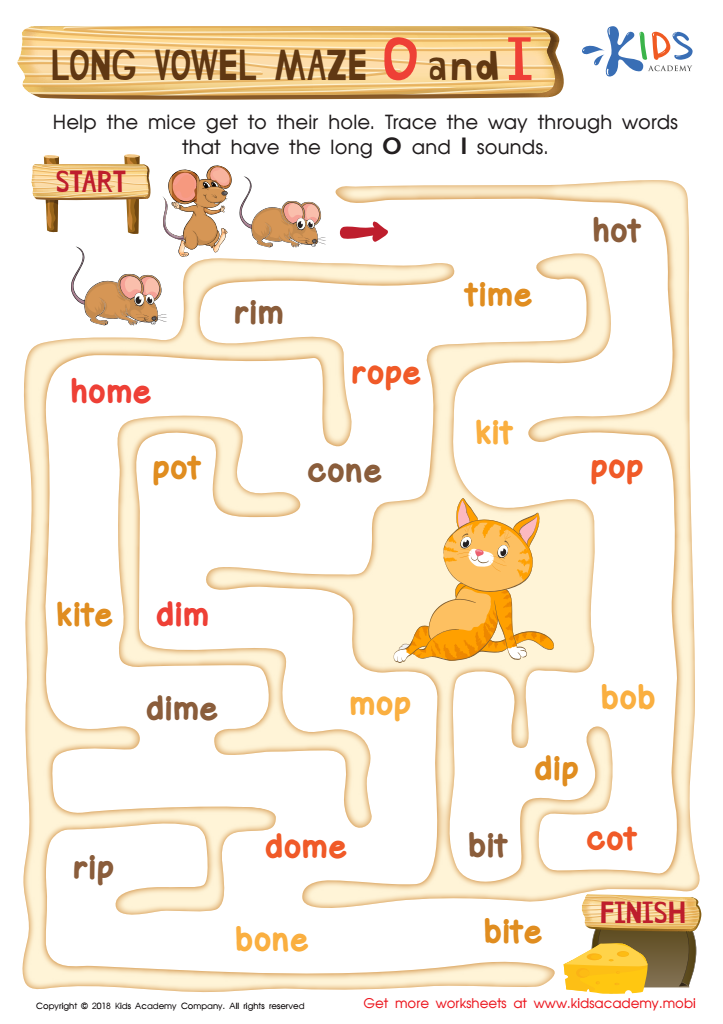
Long Vowel Maze /o/ and /i/ Worksheet
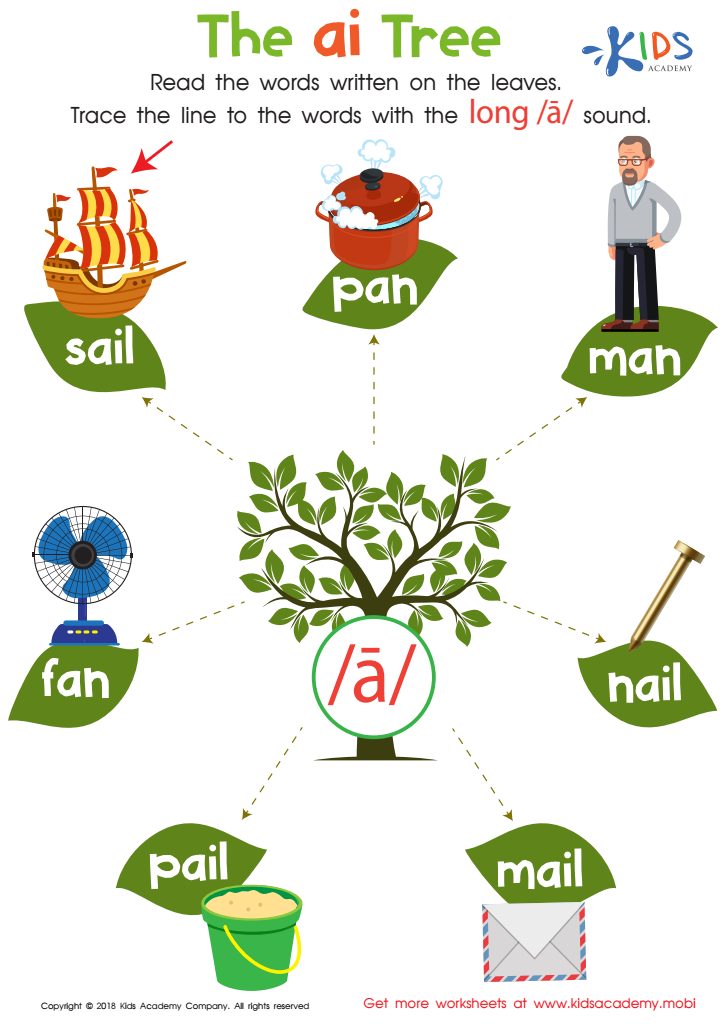
The AI Tree Worksheet

Long and Short U Worksheet
 Assign to My Students
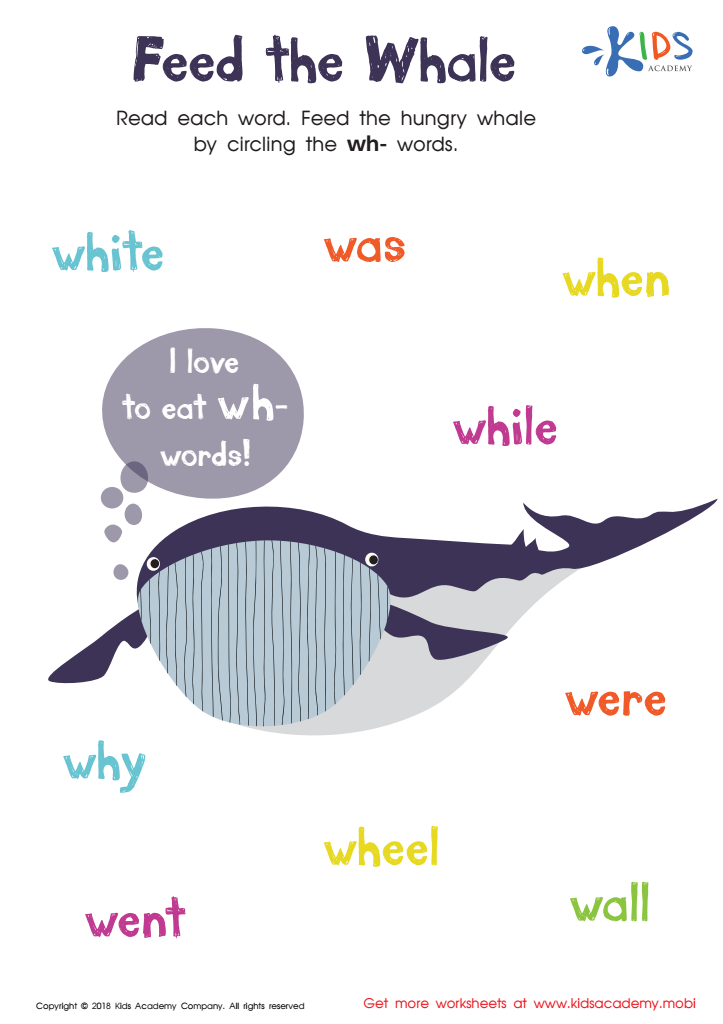
Feed the Whale Worksheet
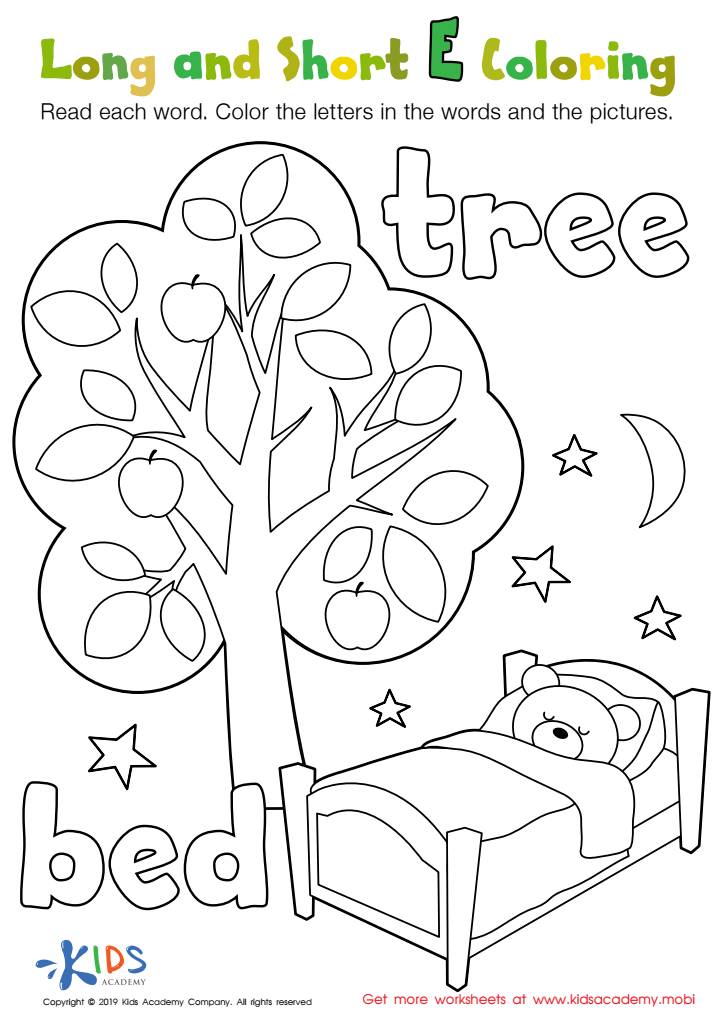
Long and Short E Worksheet
Assign to My Students








Hand-eye coordination and phonics are foundational skills that deeply influence a child's development, particularly for ages 3-8. Firstly, hand-eye coordination, which is the synchronized control of eye movement with hand movement, is crucial in everyday tasks such as writing, catching a ball, or tying shoelaces. Well-developed hand-eye coordination enhances a child's ability to participate in and enjoy academic and recreational activities, thereby boosting their confidence and social interactions.
Phonics, on the other hand, aids in developing reading and writing proficiency. Phonics teaches children how letters are linked to sounds, forming the basis of word recognition and spelling. A strong grasp of phonics enables children to decode new words, significantly improving their reading fluency and comprehension. These skills are imperative for academic achievement because reading is the cornerstone of learning across all subjects.
It's essential for parents and teachers to support hand-eye coordination and phonics because they are interconnected in promoting motor and cognitive development. Interactive activities such as drawing, playing with blocks, or reading alphabet books can enhance both of these skills. Ensuring these abilities are nurtured in early childhood sets the foundation for lifelong learning and development, positioning children for success in more complex tasks as they grow.







