Handwriting practice Normal Phonics Worksheets for Ages 3-8
4 filtered results
-
From - To
Enhance your child's early literacy with our Handwriting Practice Normal Phonics Worksheets, designed for ages 3-8. These engaging resources focus on developing fine motor skills and proper letter formation. By integrating phonics principles, each worksheet supports the connection between sounds and letter shapes, cultivating essential reading and writing foundations. Perfect for young learners, these sheets encourage consistent practice in a fun and educational way. Ideal for parents and educators alike, our printable worksheets turn handwriting practice into an enjoyable daily activity, fostering early language skills that will benefit your child throughout their academic journey. Download and start today!
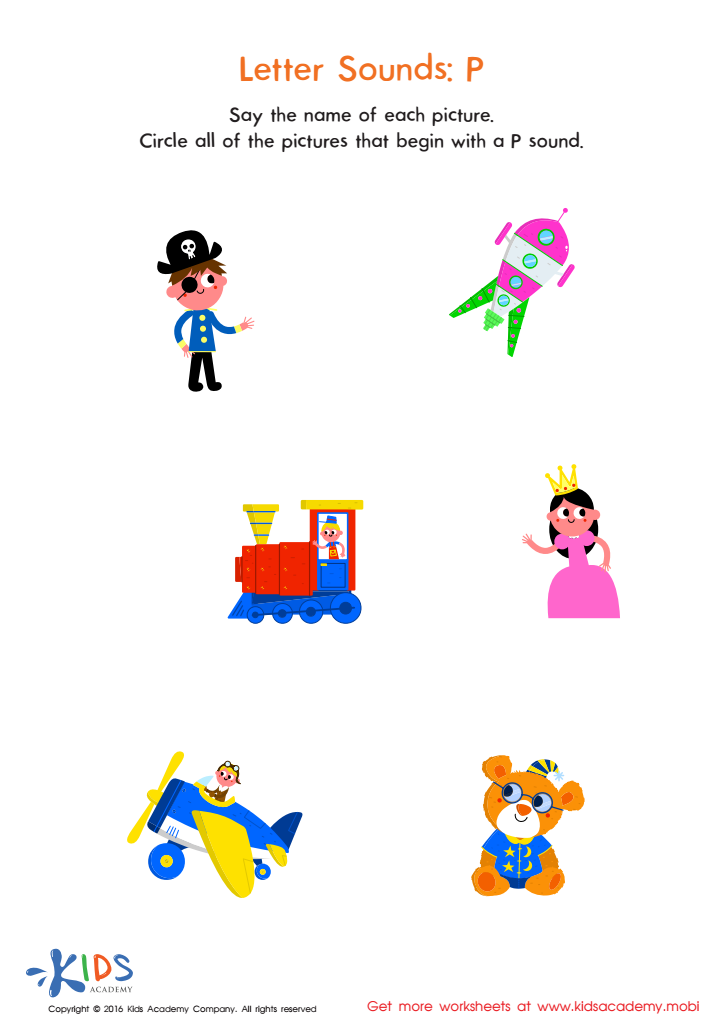
Letter P Sound Worksheet
 Assign to My Students
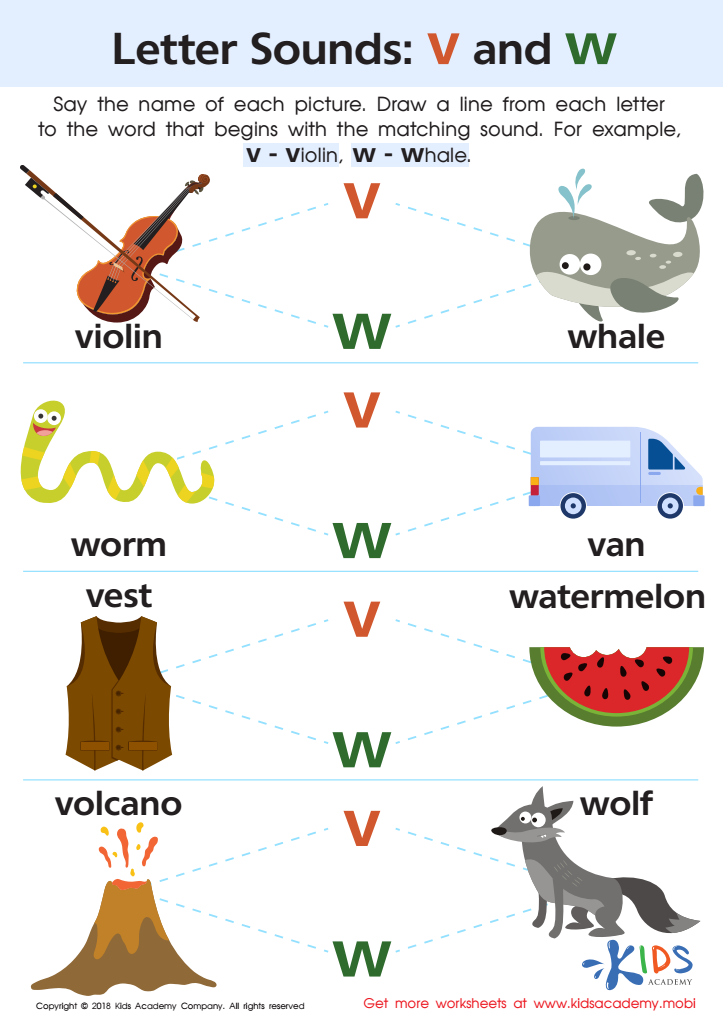
Letter V and W Sounds Worksheet
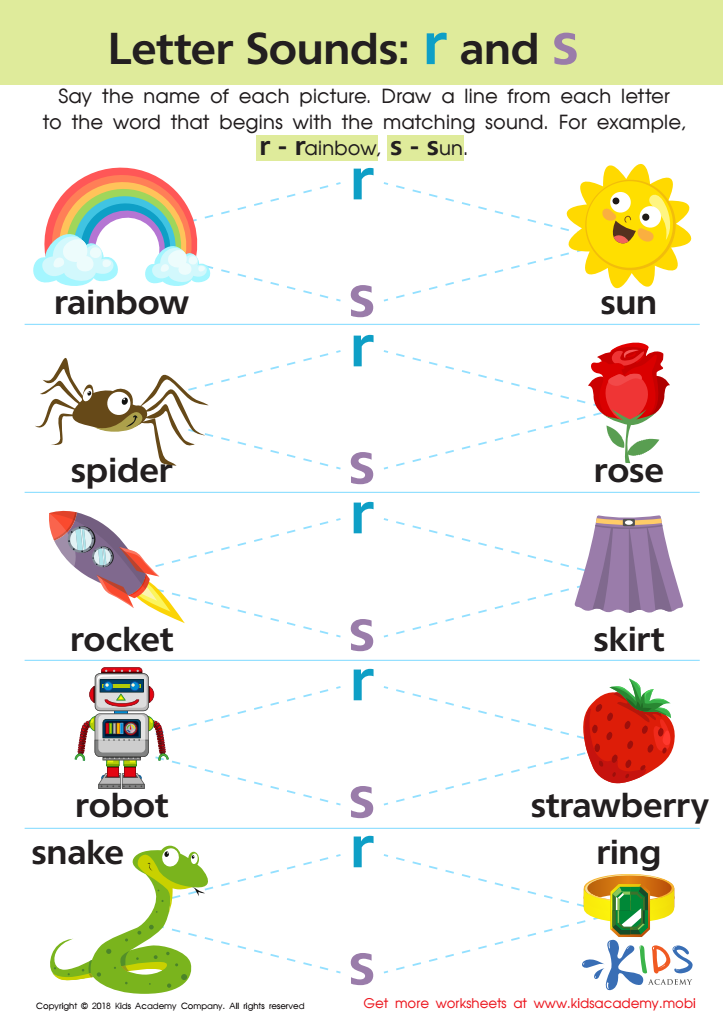
Letter R and S Sounds Worksheet
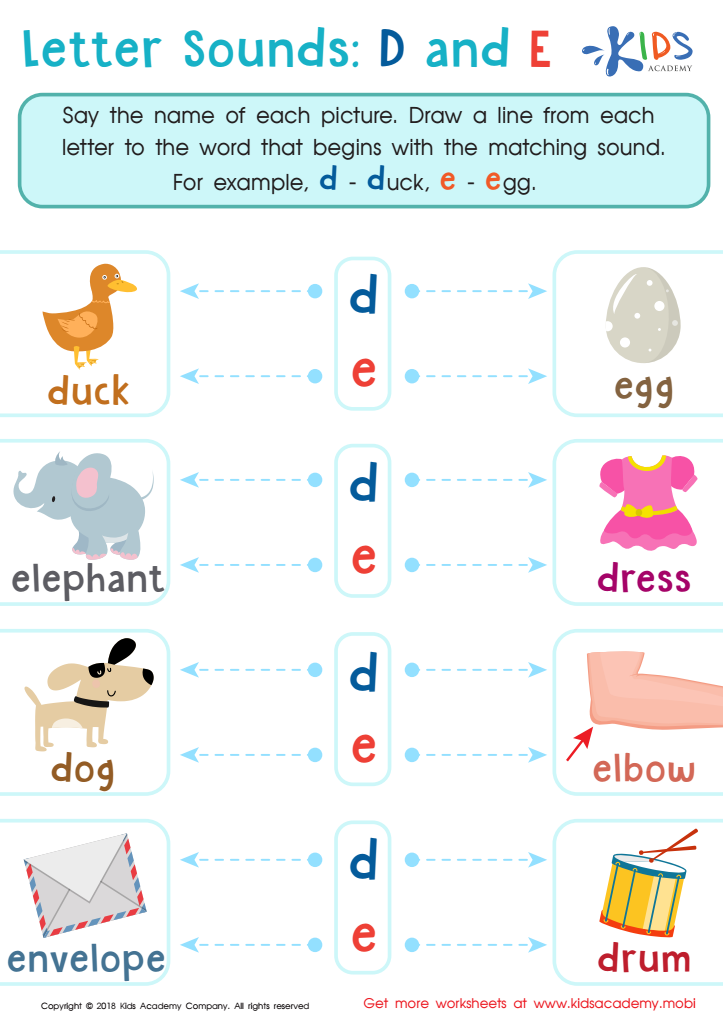
Letter D and E Sounds Worksheet








Parents and teachers should prioritize handwriting practice and phonics instruction for children aged 3-8 because these foundational skills are essential for academic success. Handwriting practice enhances fine motor skills, which are crucial for daily activities like buttoning clothes and cutting with scissors, alongside writing clarity and speed. Legible handwriting enables children to better express their thoughts and ideas, enhancing their confidence and communication skills.
Phonics, the relationship between sounds and letters, is fundamental in reading development. By understanding phonics, children learn to decode new words, leading to improved reading fluency and comprehension. This decoding skill empowers them to tackle more complex texts as they progress in their education.
Handwriting and phonics are interconnected. Clear handwriting reinforces muscle memory for letter shapes, enabling easier recognition and reproduction of letters during reading and writing. Early comprehension of phonemic principles helps children to better understand spelling patterns and word construction, which boosts their vocabulary.
Caring about these practices during the early years ensures that children develop strong foundational literacy skills. This early investment pays off with improved academic performance, a positive attitude towards learning, and increased confidence in life-long communication and literacy tasks. For these reasons, integrating handwriting and phonics practice in early education is vital for a child's holistic development.







