Phonics development Normal Phonics Worksheets for Ages 3-8
3 filtered results
-
From - To
Discover the joy of phonics development with our engaging Normal Phonics Worksheets designed for children aged 3-8. These printable resources enhance early literacy skills in a fun and interactive way. Our worksheets focus on essential phonics concepts, helping young learners recognize sounds, blend letters, and improve reading readiness. With colorful illustrations and playful activities, these worksheets cater to various learning styles and keep children motivated. Perfect for classrooms or home schooling, our phonics resources support parents and educators in nurturing confident readers. Explore our collection and watch as your child's phonics skills flourish, setting a strong foundation for future learning success!
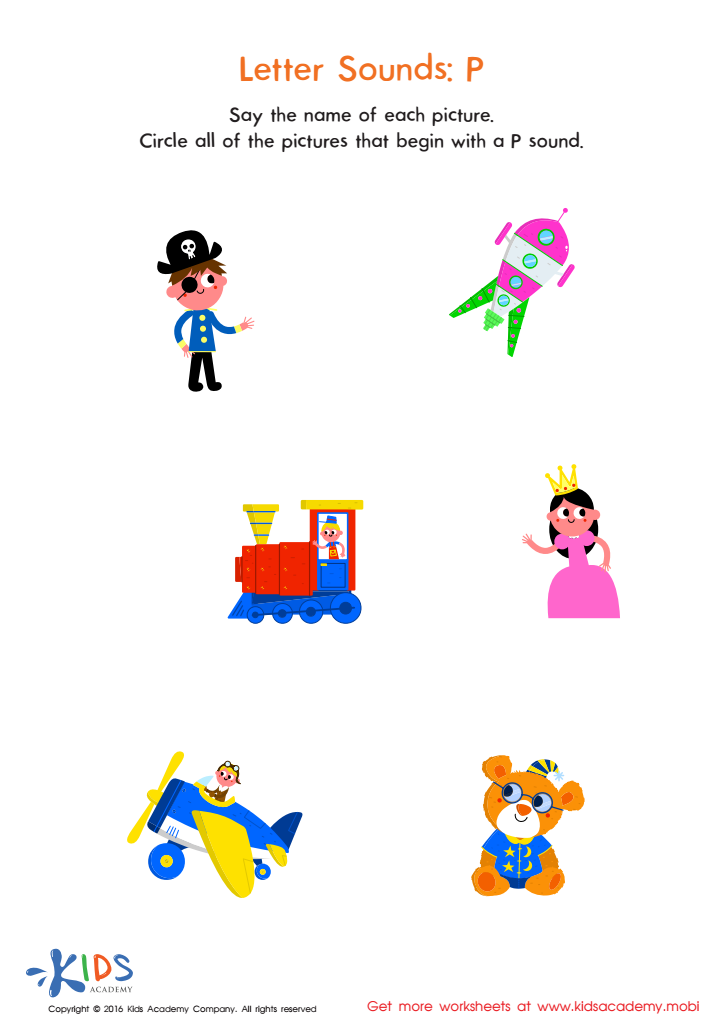
Letter P Sound Worksheet
 Assign to My Students
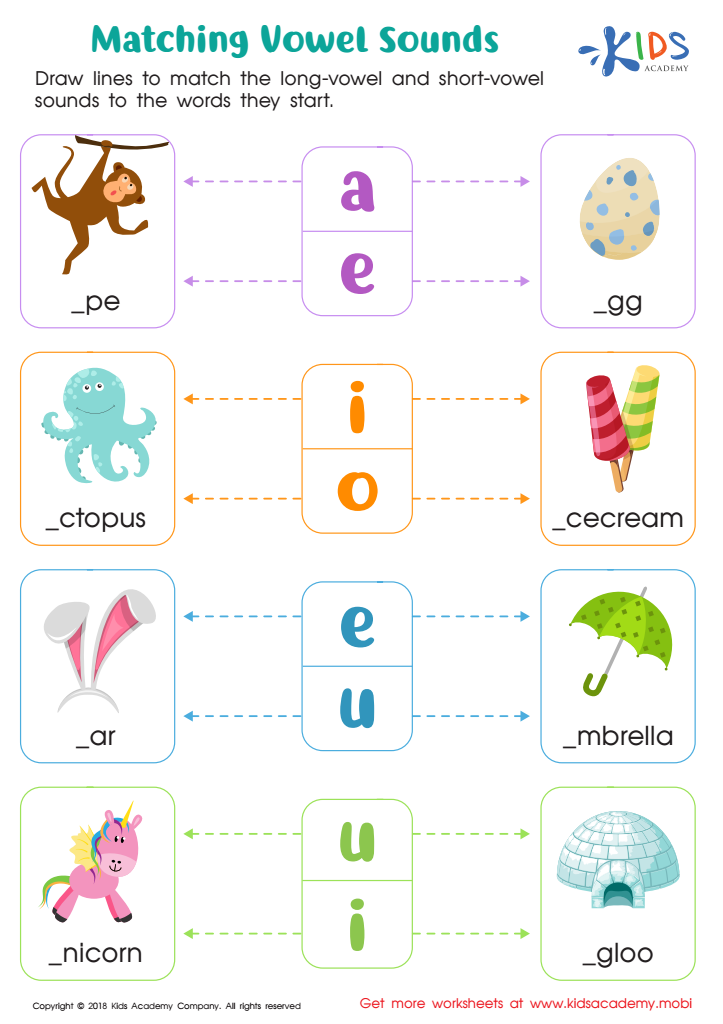
Matching Vowel Sounds Worksheet
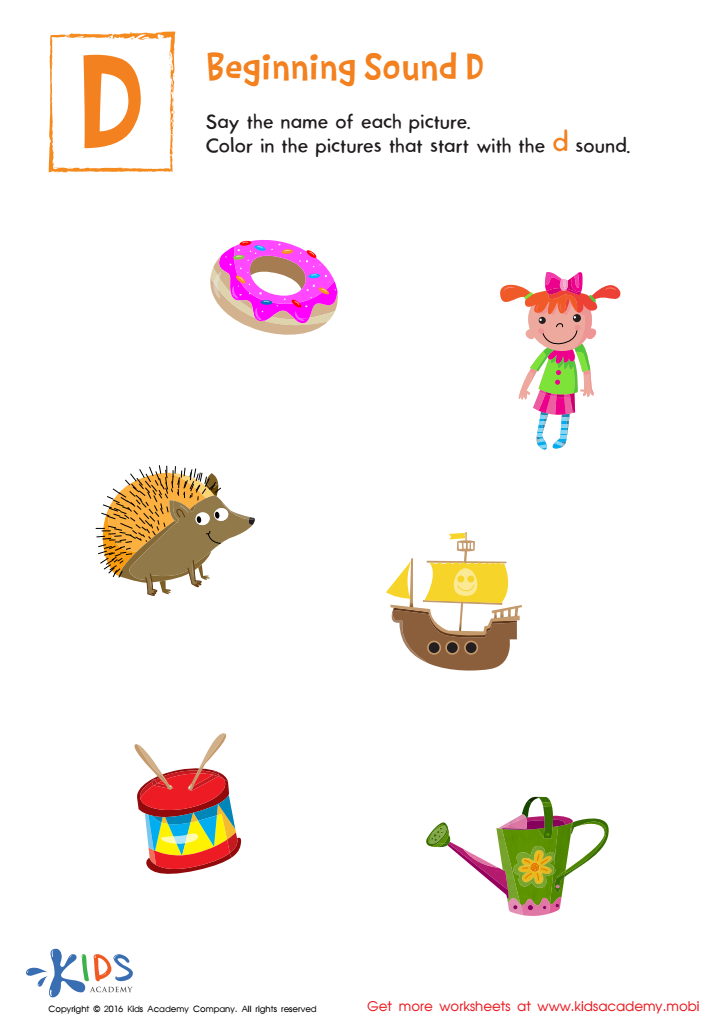
Beginning Sound D Worksheet








Phonics development is crucial for children aged 3-8 as it lays the foundation for reading and writing skills, ultimately influencing their overall academic success. Mastering phonics helps young learners understand the relationship between sounds and letters, enabling them to decode words independently. This skill fosters confidence and a love for reading, which is essential as literacy strongly correlates with future learning opportunities and life achievements.
Moreover, effective phonics instruction caters to diverse learning styles and paces, allowing children to progress at their own speed. By identifying phonemic awareness, teachers and parents can access early signs of reading difficulties, providing timely interventions that nurture success. Additionally, phonics contributes to vocabulary expansion and comprehension skills, empowering children to engage with a broader range of texts.
Overall, by prioritizing phonics development, parents and teachers play an integral role in shaping proficient and enthusiastic readers. Encouraging phonics practice and recognizing its impact on literacy not only hones foundational skills but also ensures that children thrive in their educational journeys, setting the stage for lifelong learning and achievement.







